
Lawn
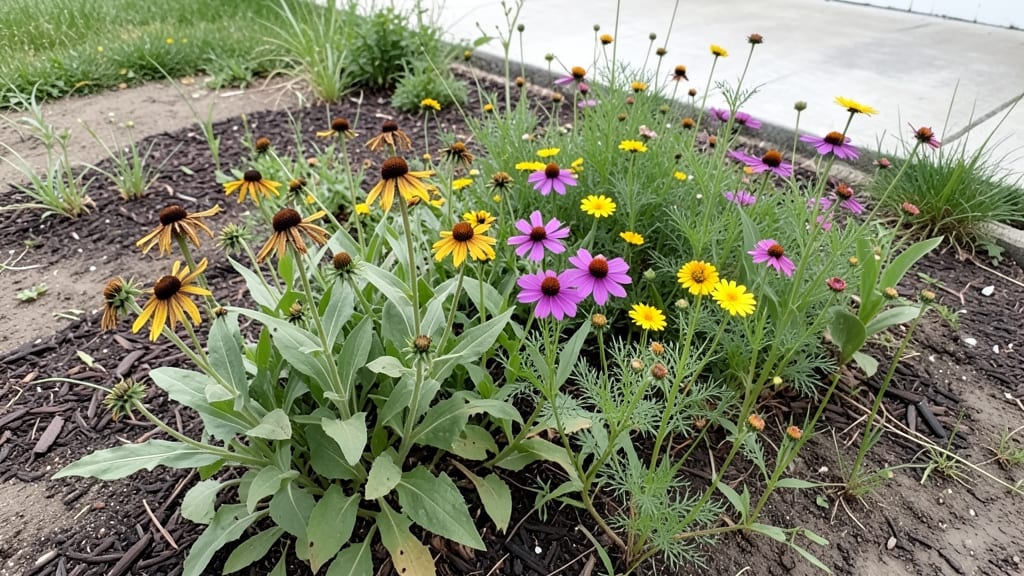
Transforming your Georgia yard into a hummingbird haven starts with the right wildflower seed mix—one that thrives in our heat, blooms year-round, and attracts pollinators like crazy. 🌸 The secret lies in native species like black-eyed Susans, coreopsis, and salvias, which not only survive our summers but also support local ecosystems while keeping your garden vibrant.
You’ll need a sunny spot with well-draining soil—no fancy amendments required, just till the top 6 inches to break up compaction. Plant seeds in early spring or late summer when soil is moist but not soggy, and cover lightly with a thin layer of compost.
Water gently once daily for the first two weeks, then taper off to let roots establish naturally.
By late summer, you’ll see a burst of color that hummingbirds can’t resist, with blooms lasting from spring through fall. The best part? These wildflowers demand almost no maintenance—just occasional deadheading to encourage more blooms and an annual top-dressing of compost to keep the soil rich.
Adapt this mix to partial shade by adding more shade-tolerant species like purple coneflower, and in drier areas, mulch heavily to retain moisture. The key is patience—first-year growth is modest, but by year two, your garden will be a buzzing, blooming paradise that outshines any store-bought lawn.
📚 In This Guide
- What you need
- Instructions
- Tips and common mistakes
- Wrapping up and next steps
What you need
- ● Georgia wildflower seed mix (1–5 lbs, depending on area size; check seed packet for coverage rates)
- ● Garden rake or broadcast spreader (for even distribution)
- ● Garden hose with showerhead attachment (for light watering)
- ● Garden trowel or hand fork (for soil prep)
- ○ Optional: Mulch or straw (to retain moisture and suppress weeds)
- ● Sunny location (6+ hours of direct sunlight daily)
- ● Well-draining soil (amend with compost if needed)
- ● Water source (hose or drip irrigation)
- ● Patience (wildflowers may take 2–4 weeks to germinate!)
- ● Bird-friendly feeder (to attract hummingbirds while flowers establish)
- ● Soil test kit (to check pH and nutrient levels)
- ● Wildflower companion plants (e.g., bee balm or black-eyed Susan)
- ● Garden journal (to track blooms and hummingbird visits!)
How to plant Georgia wildflower seed mix for hummingbird-friendly gardens
Here's my foolproof method for turning your Pacific Northwest space into a vibrant hummingbird magnet.
🌱 Step 1: Prepare the Planting Site
Choose a sunny location with at least 6 hours of direct sunlight daily. Wildflowers thrive in well-draining soil, so avoid low spots where water pools. I like to test the soil by squeezing a handful—if it stays clumped, add some compost or sand to loosen it up.
Remove any existing weeds or grass by hand or with a hoe, being careful not to disturb the soil too deeply. The goal is to create a clean canvas where your wildflower seeds can establish without competition. For larger areas, I use a rake to create a rough, textured surface that helps seeds make contact with the soil.
💧 Step 2: Scatter the Seeds Evenly
Wildflower seeds are tiny, so I like to mix them with a little sand first—about 1 part seeds to 3 parts sand. This makes scattering easier and ensures even coverage. Walk slowly over the area, dropping small handfuls of the seed-sand mix as you go. Don't worry about perfect rows—wildflowers look best when planted naturally.
Lightly rake the area again to press the seeds into the soil, but don't bury them too deeply. Most wildflower seeds need just a thin layer of soil (1/8 inch) to germinate properly. You'll see tiny green sprouts within 2-4 weeks if conditions are right.
☀️ Step 3: Water Gently and Maintain Moisture
Water the area immediately after planting with a fine mist or gentle stream from a hose. The soil should be moist but not soggy—think of a damp sponge. I water lightly every 2-3 days until the seedlings reach 2-3 inches tall. This keeps the soil consistently moist without encouraging mold or rot.
Once the plants are established, you can reduce watering to once a week, allowing the soil to dry out slightly between waterings. Wildflowers are drought-tolerant once they're mature, but they need consistent moisture to get started. You'll know you're doing it right when you see a carpet of tiny green leaves popping up.
✂️ Step 4: Maintain and Enjoy Year-Round Blooms
After the first flush of blooms, I let some flowers go to seed to ensure next year's display. However, I deadhead about 30% of the spent blooms to encourage more continuous flowering. This keeps the garden looking vibrant and attracts pollinators like hummingbirds all season long.
In late fall, I leave the seed heads standing for winter interest and to provide food for birds. In early spring, I may lightly rake the area to remove debris and encourage new growth. With minimal care, your wildflower garden will return year after year, offering a stunning display of color and a haven for hummingbirds.
Tips & tricks for perfect Georgia wildflower plantings
Creating a thriving hummingbird garden takes just a few strategic moves—here's what I've learned from years of trial and error.
Sunlight Secret: That 6-hour minimum of sunlight is non-negotiable for Georgia wildflowers to thrive in Pacific Northwest climates. If your spot gets less, consider adding a few sun-loving perennials like coneflowers or black-eyed Susans to supplement the mix. For partial shade areas, choose varieties specifically labeled "partial shade tolerant" from your seed supplier.
Soil Prep Game-Changer: Before adding compost, do the "squeeze test" on your soil—if it holds its shape when squeezed, it's too compact. For heavy clay soils common in the PNW, mix in coarse sand (like mason sand) to improve drainage. I've found this makes all the difference for seed germination rates in Step 1.
Seed Scattering Hack: The 1:3 seed-to-sand ratio works perfectly, but here's my pro move: use a flour sifter or even an old pantyhose leg to spread the mix. This creates an even, ultra-fine layer that mimics natural seed dispersal. For larger areas, I mark off 4x4 foot squares with wooden stakes to ensure even coverage.
Watering Wisdom: Those first 2-3 days of light watering are critical—think of it like helping the seeds take their first steps. I use a gentle rain setting on my hose to avoid disturbing the delicate seedlings. Once they reach 2-3 inches, you'll notice they develop deeper roots and can handle slightly drier conditions.
Pro Tips for Georgia Wildflower Seed Mix
- Creating a thriving hummingbird garden takes just a few strategic moves—here's what I've learned from years of trial and error.
- Sunlight Secret: That 6-hour minimum of sunlight is non-negotiable for Georgia wildflowers to thrive in Pacific Northwest climates.
- Soil Prep Game-Changer: Before adding compost, do the "squeeze test" on your soil—if it holds its shape when squeezed, it's too compact.
Frequently asked questions
Got questions about transforming your Georgia garden into a vibrant wildflower haven? Here are some of the most common concerns—and answers—to help you get started with confidence!
When is the best time to plant Georgia wildflower seed mix?
The ideal window is late summer to early fall (August–October). This timing ensures seeds germinate before winter and establish strong roots by spring. For spring planting (March–April), use a seed starter or cold frame to protect tender seedlings from frost.
How much water do wildflower seeds need after planting?
Keep the soil consistently moist (not soggy) for the first 2–3 weeks—water lightly daily or every other day. Once sprouts appear, reduce to 1–2 times per week (or when rainfall is <1 inch). After establishment, wildflowers thrive on natural rainfall—overwatering can harm them!
Will Georgia wildflower seed mix attract pests like ticks or mosquitoes?
Nope! Wildflowers repel pests by disrupting their life cycles. Native mixes like Georgia blends support beneficial pollinators (bees, butterflies) while deterring ticks and mosquitoes. Just avoid standing water—focus on well-drained soil to keep your garden pest-free.
Can I mix wildflower seeds with grass seed?
Yes, but with caution! Wildflowers need full sun and minimal competition. For lawns, plant wildflowers in dedicated patches (e.g., borders, slopes) or use a low-maintenance wildflower/grass blend (50/50 ratio max). Avoid mixing if your goal is a traditional lawn—wildflowers won’t thrive in mowed areas.
What if my seeds don’t sprout after planting?
Don’t panic! Try these fixes:
- Check moisture: Seeds need consistent dampness (not mud). Use a spray bottle for gentle watering.
- Verify sunlight: Most Georgia wildflowers crave 6+ hours of sun daily. Relocate if shaded.
- Test seed viability: Press a few seeds into damp paper towels—if they don’t sprout in 7–10 days, order fresh seeds.
- Wait patiently: Some native seeds (like coreopsis) germinate slowly—give them 4–6 weeks before re-planting.
Are there alternatives if I want faster blooms?
For immediate color, pair your seed mix with annuals like cosmos or zinnias (plant after seeds sprout). For perennial speed, add plugs or bare-root plants (e.g., black-eyed Susans, coneflowers) alongside seeds. Just space them 12–18 inches apart to avoid crowding!
Wrapping up and next steps
Transforming your Georgia landscape into a vibrant hummingbird haven is easier—and more rewarding—than you think! With the right Georgia wildflower seed mix, you’re not just planting seeds; you’re creating a thriving ecosystem that blooms year-round and supports local wildlife. 🌸
Ready to take the next step? Start small—whether it’s a sunny patch in your yard or a corner of your balcony—and watch as your garden becomes a buzzing, colorful paradise. Happy planting! 🌿