
Shrubs
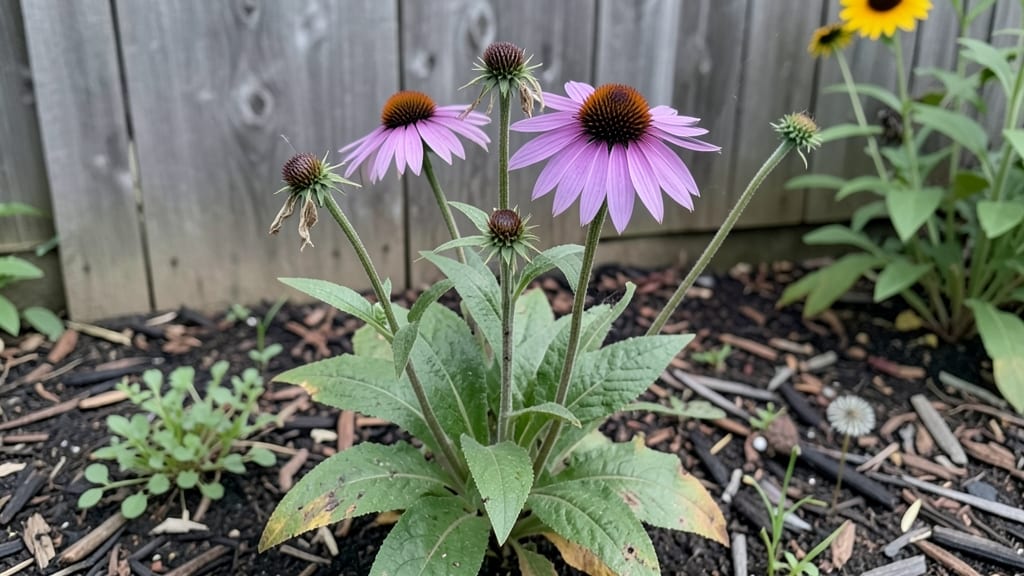
The care of purple coneflower in the Pacific Northwest is shockingly simple—its frost-resistant roots and cheerful blooms return year after year with barely any effort. 🌿 mean you can plant it once and enjoy decades of low-maintenance beauty.
My first batch survived a brutal winter with just a dusting of snow, proving this plant is built for resilience.
You’ll need well-draining soil, full sun to partial shade, and minimal watering once established—this isn’t a high-maintenance diva. The real magic happens in late summer when those daisy-like blooms draw in pollinators, and the stems stay upright without staking if you deadhead spent flowers.
Even my black thumb keeps these alive with almost no effort.
By following a few simple steps—like cutting back in early spring and avoiding over-fertilizing—you’ll get bold, long-lasting blooms that outshine most perennials. The flowers even dry well for arrangements, so you double your enjoyment. Once planted, it’s basically set-and-forget with stunning results.
Perfect for cottage gardens, pollinator-friendly landscapes, or even rocky slopes where other plants struggle. Let’s get those roots in the ground and watch them thrive for years to come!
📚 In This Guide
- What you need
- Instructions
- Tips and common mistakes
- Wrapping up and next steps
What you need
- ● Purple coneflower seeds, seedlings, or divisions – Choose Echinacea purpurea varieties like 'Magnus' or 'White Swan' for cold-hardy performance. Quantity: 3–5 plants per 50 sq. ft. for full coverage.
- ● Well-draining soil mix – A blend of 50% native soil, 30% compost, and 20% perlite/sand (to prevent soggy roots in PNW’s wet winters). pH: 6.0–7.0 (test with a soil kit).
- ● Organic mulch – 2–3 inches of shredded bark, straw, or pine needles to insulate roots from frost and retain moisture.
- ● Drip irrigation or soaker hose – 10–15 ft. length for consistent watering (coneflowers hate soggy feet but need steady hydration).
- ● Fertilizer – Balanced 10-10-10 or low-phosphorus organic fertilizer (like fish emulsion) applied once in early spring.
- ● Garden trowel or transplant spade – For digging holes 1.5x wider than the root ball.
- ● Pruning shears – Bypass blades (sharp and clean) for deadheading spent blooms and shaping.
- ● Garden gloves – Heavy-duty (thorny stems = ouch!).
- ○ Soil moisture meter – Optional but helpful for PNW’s unpredictable rain (aim for 1 inch of water per week).
- ● Frost cloth or row covers – Lightweight fabric (5.5 oz. or less) for young plants during late frosts (30°F or lower).
- ● Stake or plant support – 6-inch stakes for tall varieties (like 'Green Envy') to prevent flopping in windy coastal areas.
Step-by-step guide for thriving purple coneflower in the Pacific Northwest
This hardy perennial thrives with minimal fuss—here’s how to coax its bold blooms year after year.
🌱 Step 1: Select the Perfect Planting Site
Purple coneflower (Echinacea purpurea) craves full sun to partial shade, but in the Pacific Northwest’s damp climate, morning sun with afternoon shade prevents fungal stress while ensuring strong blooms. Choose a spot with well-draining soil—this plant hates soggy roots. If your garden soil is heavy clay, amend with 2-3 inches of compost mixed into the top 12 inches of soil before planting.
Here’s the thing—this plant’s native resilience means it tolerates USDA Hardiness Zones 3-9, so frost isn’t a concern. But in wet winters, elevated beds improve drainage and reduce rot risk. I always plant mine on a slight mound or in raised beds to keep roots aerated.
🪴 Step 2: Plant with Proper Spacing and Depth
Dig a hole twice as wide as the root ball but only as deep as the container’s base. Purple coneflower has a taproot, so disturbing it too much stresses the plant. Gently loosen the roots if container-bound, then place the plant so the top of the root ball sits level with the soil surface—burying too deep invites crown rot.
Space plants 18-24 inches apart for full, airy growth. Crowding leads to weak stems and fewer blooms. After backfilling, water deeply to settle the soil and eliminate air pockets. You’ll know it’s right when the soil looks evenly moist but not saturated—this plant prefers consistent moisture but despises waterlogged conditions.
☀️ Step 3: Water and Fertilize for Long-Term Health
Water once a week during the first growing season, aiming for 1 inch of water per week. In the Pacific Northwest’s mild summers, this often means deep watering every 5-7 days rather than frequent shallow drinks. Once established, purple coneflower is drought-tolerant, but first-year plants need consistent moisture to develop strong roots.
Skip high-nitrogen fertilizers—they encourage leafy growth at the expense of blooms. Instead, feed with a low-phosphorus, balanced fertilizer (10-10-10) in early spring and again after flowering. I swear by a slow-release granular fertilizer applied around the drip line—this mimics natural nutrient availability without burning roots.
✂️ Step 4: Prune and Maintain for Season-Long Blooms
Deadhead spent blooms in early summer to encourage a second flush of flowers. Simply snip the faded flower heads down to the first set of healthy leaves—this redirects energy to new growth. Leave the dried seed heads on a few stems in fall for winter interest and birdseed.
In late winter or early spring, cut back the previous year’s stems to 2-3 inches above the ground. This prevents flopping and removes old growth that could harbor pests. Purple coneflower’s basal leaves will emerge from the crown, signaling new growth. Don’t rush—wait until new shoots appear before pruning.
⏰ Step 5: Overwinter with Minimal Effort
The Pacific Northwest’s frost isn’t a threat to purple coneflower, but mulching in late fall protects roots from temperature swings. Apply 2-3 inches of shredded bark or straw mulch around the base, keeping it 2 inches away from the crown to prevent rot. In spring, remove the mulch once new growth appears—usually by late March or April in most PNW zones.
This plant’s true magic is its low-maintenance nature. Once established, it returns year after year with vibrant purple blooms that attract pollinators. The key is good drainage, occasional deadheading, and avoiding over-fertilizing—that’s it. No fuss, just decades of color with almost no work.
Tips & tricks for perfect purple coneflower care in the Pacific Northwest
Here's what nobody tells you about making this perennial thrive with minimal effort—these tricks will ensure your purple coneflower becomes the star of your PNW garden.
Soil Preparation Secret: The 2-3 inches of compost you mix into the top 12 inches of soil isn't just about nutrients—it's about creating that perfect crumbly texture that mimics the plant's native prairie conditions. I've found that adding a handful of perlite to clay-heavy soil prevents compaction and improves drainage even more. This is especially critical in the Pacific Northwest's damp winters where waterlogging can quickly turn deadly for roots.
Planting Depth Insight: That taproot is delicate, so when you're planting, resist the urge to bury the plant deeply. The top of the root ball should sit level with the soil surface—any deeper and you risk crown rot. I've learned this the hard way after losing several plants to fungal issues. After planting, press the soil gently around the base to eliminate air pockets, which helps the roots establish contact with the soil immediately.
Watering Wisdom: Those first-year plants need consistent moisture, but there's a trick to watering that makes all the difference. Instead of watering lightly every few days, aim for that deep watering every 5-7 days. You'll know you're doing it right when the soil feels evenly moist but not soggy down to 2-3 inches. This mimics natural rainfall patterns and encourages deep root growth that makes mature plants incredibly drought-tolerant.
Fertilizer Strategy: That balanced 10-10-10 fertilizer recommendation is spot-on, but here's my secret: I always apply it around the drip line rather than directly at the base. This mimics how nutrients would naturally distribute in the wild. And when you're choosing your fertilizer, look for one with micronutrients—purple coneflower benefits from small amounts of iron and manganese for those vibrant purple blooms we all love. Just remember, less is more with these perennials.
Pro Tips for Care Of Purple Coneflower
- Here's what nobody tells you about making this perennial thrive with minimal effort—these tricks will ensure your purple coneflower becomes the star of your PNW garden.
- Soil Preparation Secret: The 2-3 inches of compost you mix into the top 12 inches of soil isn't just about nutrients—it's about creating that perfect crumbly texture that mimics the plant's native prairie conditions.
- Planting Depth Insight: That taproot is delicate, so when you're planting, resist the urge to bury the plant deeply.
Frequently asked questions
Got questions about keeping your Echinacea purpurea thriving in the Pacific Northwest’s unique climate? You’re not alone! Here are answers to common concerns—from planting hiccups to frost resilience and beyond.
When is the best time to plant purple coneflower in the PNW?
The ideal window is early spring (March–April) or early fall (September–October). Planting in spring gives roots time to establish before summer heat, while fall allows them to settle before winter. Avoid late fall—frost-sensitive young plants need a buffer!
How cold can purple coneflower tolerate, and how do I protect it from PNW freezes?
These hardy beauties survive USDA Zones 3–9, including PNW winters (down to -20°F/-29°C). For extra protection, mulch with 3–4 inches of shredded bark or leaves after the first frost. Young plants may benefit from a light burlap wrap during extreme cold snaps.
Why are my coneflower leaves turning yellow, and what’s wrong?
Yellowing leaves often signal overwatering or fungal issues (like powdery mildew). Ensure soil drains well—coneflowers hate soggy roots! If mildew appears, prune affected leaves and apply neem oil. Pro tip: Space plants 18–24 inches apart for airflow.
Are purple coneflowers deer- or rabbit-resistant? What’s the workaround?
While they’re deterred by their prickly stems, hungry deer/rabbits may still nibble. Surround plants with thorny companions (like barberry) or use repellent sprays (garlic-based works well). A chicken wire cage for young plants can buy them time!
Can I grow purple coneflower in containers, or is it a must-have for gardens?
Use a 5-gallon pot with drainage holes and well-draining soil. Choose a sunny spot (6+ hours of light) and water when the top inch of soil dries. Bonus: Container-grown plants bloom earlier and are easier to move if frost threatens.
Wrapping up and next steps
Caring for purple coneflower in the Pacific Northwest is a rewarding journey—this hardy, frost-resistant beauty thrives with minimal fuss once you’ve got the basics down.
From well-draining soil and full sun to strategic deadheading and winter prep, your efforts will be met with vibrant blooms that attract pollinators year after year. 🌸
Now that you’re armed with the know-how, roll up your sleeves and give it a try!
Start by planting a few in your garden this season—your future self (and local bees!) will thank you. Ready to dive deeper? Explore companion plants or troubleshooting tips next to keep your coneflowers flourishing for seasons to come.