
Flowers
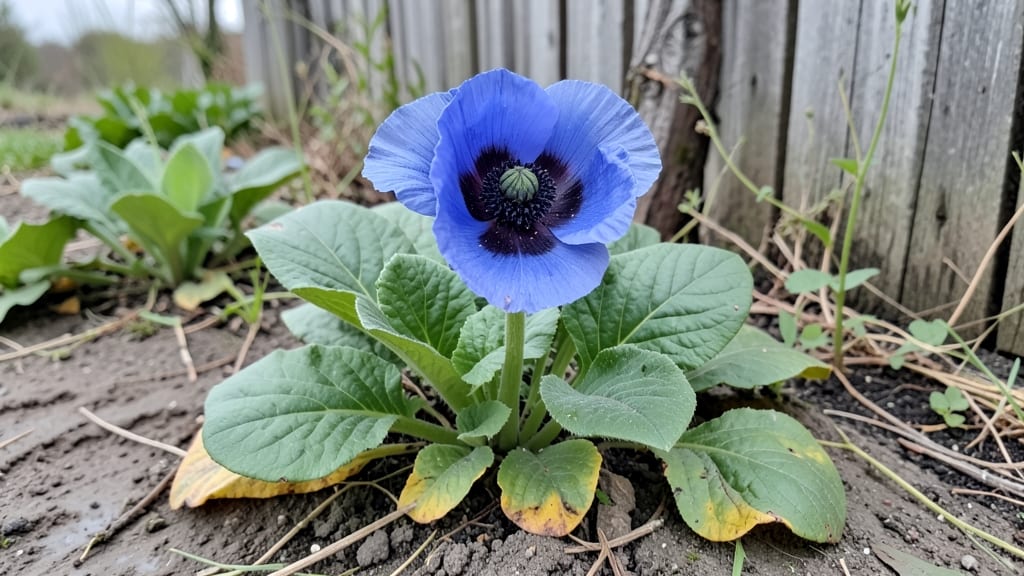
Giant poppy flowers like Papaver somniferum can grow 6 feet tall with blooms the size of dinner plates—exactly the kind of drama that turns a garden into a Pacific Northwest meadow. 🌸 I’ve grown them for years, and the secret isn’t just the right soil or sunlight, but knowing when to coddle them and when to let them be.
These poppies don’t play by the rules of delicate annuals; they demand boldness, from their deep planting to their thirst for space.
Their needs are simple but non-negotiable: full sun (at least 6 hours daily), well-draining soil (amend clay with sand or compost), and 12-18 inches of depth for those massive taproots. Plant seeds in early spring or late summer—never in summer heat—and space them 18-24 inches apart to prevent crowding.
Water deeply once established, but avoid soggy soil, which rots their roots faster than you can say "opium poppy."
By midsummer, you’ll see those cup-shaped blooms unfurl—some striped, some pure white, others deep red—each lasting just a day but worth every ounce of patience. The trade-off? They’re annuals, so plan to replant each year, but the show they put on makes it worth it.
Plus, they self-seed like crazy if you let them, giving you free poppies for years to come.
They’re not fussy about soil pH but thrive in slightly alkaline conditions (aim for 6.5-7.5). Deadhead spent blooms to encourage more flowers, and watch for slugs—their favorite snack. With the right care, these giants will steal the show in any border or wildflower meadow.
Ready to grow your own? Here’s how to keep them thriving from seed to bloom.
📚 In This Guide
- What you need
- Instructions
- Tips and common mistakes
- Wrapping up and next steps
What you need
- ● Seeds: High-quality giant poppy seeds (choose heirloom or hybrid varieties for bold blooms). Pro tip: Start with 3–5 seeds per pot for better germination rates! 💡
- ● Potting soil: Well-draining, sterilized mix (e.g., 60% peat moss, 30% perlite, 10% compost). Avoid heavy clay soils—they’ll drown your poppies! 🚫💦
- ● Containers: Seed-starting: 2–3 inch biodegradable pots or seed trays (10–15 cells).
- ● Transplanting: 6–8 inch containers or a sunny garden bed with loose, rocky soil.
- ● Grow lights or sunny window: 12–16 hours of bright light daily (south-facing window or LED grow lights for seedlings).
- ● Watering can or spray bottle: Fine-mist setting for seedlings to avoid disturbing soil.
- ● Fertilizer: Low-nitrogen option (e.g., 5-10-10 or fish emulsion) after true leaves appear. Over-fertilizing = floppy stems! 🚫🌿
- ● Garden gloves & tweezers: For delicate seed handling and transplanting.
- ● Mulch: Straw or pine needles to retain moisture and deter weeds (giant poppies hate competition!).
- ● Epsom salt: 1 tsp per gallon of water once during flowering for vibrant colors.
- ● Support stakes: Tall varieties (like Papaver bracteatum) may need bamboo stakes (3–4 ft) to prevent flopping.
- ● Pruning shears: For deadheading spent blooms (encourages more flowers!).
- ● Cold frame or greenhouse: If you’re in a hot climate—giant poppies need cool dormancy to thrive.
Step-by-Step instructions for growing giant poppies
Here's how I grow poppies that reach heights of 5 feet or more—just like the wild meadows of the Pacific Northwest.
🌱 Step 1: Prepare the Soil for Maximum Root Growth
Poppies need well-draining soil to thrive. Amend your garden bed with 1 part compost and 2 parts native soil to create loose, airy conditions. I dig down 6-8 inches to break up any compacted layers—poppy roots grow deep, and they hate sitting in soggy soil. Test the drainage by filling a hole with water; if it doesn’t drain within 30 minutes, add more sand or perlite.
Poppies also dislike rich, nitrogen-heavy soil, which encourages leafy growth at the expense of blooms. Mix in a balanced 10-10-10 fertilizer at half strength to give them a gentle boost without overfeeding. The goal is soil that feels like a damp sponge—not wet or dry.
☀️ Step 2: Plant Seeds at the Right Time and Depth
Sow seeds outdoors in early spring or late summer for fall blooms. Poppies need full sun—at least 6-8 hours daily—so choose a spot where they won’t be shaded by trees or structures. Plant seeds ¼ inch deep in rows 12-18 inches apart to give mature plants room to sprawl.
I like to scatter seeds by hand rather than using a planter, as they’re tiny and delicate. Lightly cover them with soil and water gently—don’t soak the area. Poppy seeds need light to germinate, so avoid pressing them too deep. Germination takes 2-4 weeks, so be patient.
💧 Step 3: Water Sparingly and Avoid Overhead Moisture
Once seedlings emerge, water deeply but infrequently. Poppies are drought-tolerant and resent soggy conditions. Water when the top 2 inches of soil feel dry, then soak the roots thoroughly. Avoid wetting the foliage—this prevents fungal diseases like powdery mildew, which can ruin blooms.
I use a soaker hose or drip irrigation to deliver water at the base. If you must use a sprinkler, water in the early morning so leaves dry quickly. Overhead watering in the evening invites rot, and poppies won’t forgive it.
✂️ Step 4: Support Tall Stems and Deadhead for Longer Blooms
As stems reach 3-4 feet, they’ll need support to prevent flopping. I tie them to bamboo stakes or a light trellis with soft twine, being careful not to damage the stems. Poppies grow fast—3-4 inches per week—so check supports weekly.
Deadhead spent blooms by snipping the flower head just above the first set of leaves. This encourages the plant to produce more buds and extends the blooming season. I also remove any yellowing or diseased leaves immediately to keep the plant healthy.
🌿 Step 5: Harvest Seeds for Next Year’s Garden
After blooms fade, leave one or two seed pods on the plant to mature. Poppy seeds ripen in 4-6 weeks and will turn from green to brown. Harvest them on a dry day, then spread them on a tray to dry completely before storing in a cool, dark place.
I save seeds from my healthiest plants to ensure strong, true-to-type blooms the following year. Poppies self-seed readily, but storing your own ensures you’ll have the exact varieties you love—plus, it’s a great way to share with fellow gardeners.
Tips & tricks for growing towering poppies
These simple tricks will help you grow poppies that rival the wild meadows of the Pacific Northwest—tall, vibrant, and full of life.
Soil Preparation Secret: In Step 1, when testing drainage, aim for water to disappear within 15-20 minutes—not the full 30 minutes. This ensures your poppies won't sit in overly damp conditions, which can cause root rot. I also add a handful of coarse sand to the mix for extra drainage. Think of it as creating a sponge that wrings out quickly—poppies thrive in that environment.
Planting Timing Tip: For Step 2, if you're planting in late summer for fall blooms, choose a cool, overcast day. The seeds are delicate, and direct sunlight can dry them out before they germinate. I like to plant mine in the late afternoon when temperatures have dropped—this gives them a better chance to establish before nightfall.
Watering Wisdom: In Step 3, when checking soil moisture, use your finger to test the top 2 inches—it should feel dry but not powdery. Overwatering is the #1 mistake I see with poppies. Instead of watering on a schedule, let the soil guide you. Poppies are tough once established, but they resent soggy roots from the start.
Support Strategy: For Step 4, when supporting 3-4 foot stems, I use three bamboo stakes per plant arranged in a triangle. This creates a more stable structure than a single stake. Check supports every 5-7 days as the plants grow—poppies grow surprisingly fast, and you don't want them toppling over before they bloom.
Pro Tips for Giant Poppy Flower
- These simple tricks will help you grow poppies that rival the wild meadows of the Pacific Northwest—tall, vibrant, and full of life.
- Soil Preparation Secret: In Step 1, when testing drainage, aim for water to disappear within 15-20 minutes—not the full 30 minutes.
- Planting Timing Tip: For Step 2, if you're planting in late summer for fall blooms, choose a cool, overcast day.
Frequently asked questions
Got questions about cultivating giant poppy flowers? You’re not alone—these stunning blooms require some special care! Here are answers to the most common queries to help you grow like a pro.
How long does it take for giant poppies to grow from seed to bloom?
Giant poppies (Papaver spp.) typically take 90–120 days to mature from seed to full bloom, depending on the variety and growing conditions. Some fast-growing types (like Papaver orientale) may flower in as little as 8–10 weeks under ideal warmth and sunlight. Patience is key—these beauties reward you with dramatic, long-lasting blooms!
Do giant poppies need full sun, or can they tolerate partial shade?
While giant poppies thrive in full sun (6+ hours daily), they can tolerate partial shade (4–6 hours)—especially in hot climates. However, shade may reduce bloom size or vibrancy. For the most show-stopping flowers, prioritize a sunny spot with well-draining soil. If shade is unavoidable, choose a cooler microclimate (like morning sun + afternoon shade).
Where can I buy giant poppy seeds or plants, and what’s the best time to plant?
You can find giant poppy seeds from reputable nurseries (e.g., Baker Creek Heirloom Seeds, Burpee), specialty bulb shops, or online retailers. For direct sowing, plant seeds in early spring (after frost) or late summer (for fall blooms). If starting indoors, sow 6–8 weeks before the last frost. Avoid transplanting seedlings—they hate root disturbance!
Why aren’t my giant poppy seeds germinating, and how can I fix it?
Giant poppy seeds are fussy germinators—they need light, warmth (70–75°F), and moisture to sprout. Common fixes:
- Stratification: Chill seeds in the fridge for 2–4 weeks before planting to mimic winter.
- Surface sowing: Press seeds lightly into soil (don’t bury)—they need light to germinate.
- Consistent moisture: Keep soil damp (not soggy) until sprouts appear (1–3 weeks).
- Fresh seeds: Old seeds (over 1 year) may fail—opt for new packets.
Are there any low-maintenance alternatives to giant poppies for big, bold flowers?
If giant poppies seem high-maintenance, try these dramatic, easy-care alternatives:
- Mexican Sunflower (Tithonia rotundifolia): Thrives in heat, drought-tolerant, and grows 6–8 feet tall with fiery blooms.
- Black-Eyed Susan (Rudbeckia hirta): Perennial, low-maintenance, and attracts pollinators.
- Celosia (Celosia argentea): Velvety plumes in bold colors; loves full sun and blooms all summer.
- Larkspur (Delphinium spp.): Tall, spiky blooms (though biennial—plant seeds in fall for spring flowers).
Wrapping up and next steps
The giant poppy flower isn’t just a stunning addition to your garden—it’s a symbol of resilience and natural beauty that can transform any landscape into a Pacific Northwest-inspired paradise. 🌸 With the right care, patience, and a few key tips, you’ll soon be rewarded with towering blooms that steal the show.
Ready to dive in? Start by gathering your supplies, choosing the perfect spot, and taking that first step toward cultivating these breathtaking giants!
🌱 Your Next Step: Plant Today, Bloom Tomorrow!
Grab your gloves, mark your calendar, and get growing! Whether you’re a seasoned gardener or a curious beginner, the journey to nurturing these magnificent flowers is both rewarding and exciting. Happy planting—your future meadow awaits! 🌿