
Planting
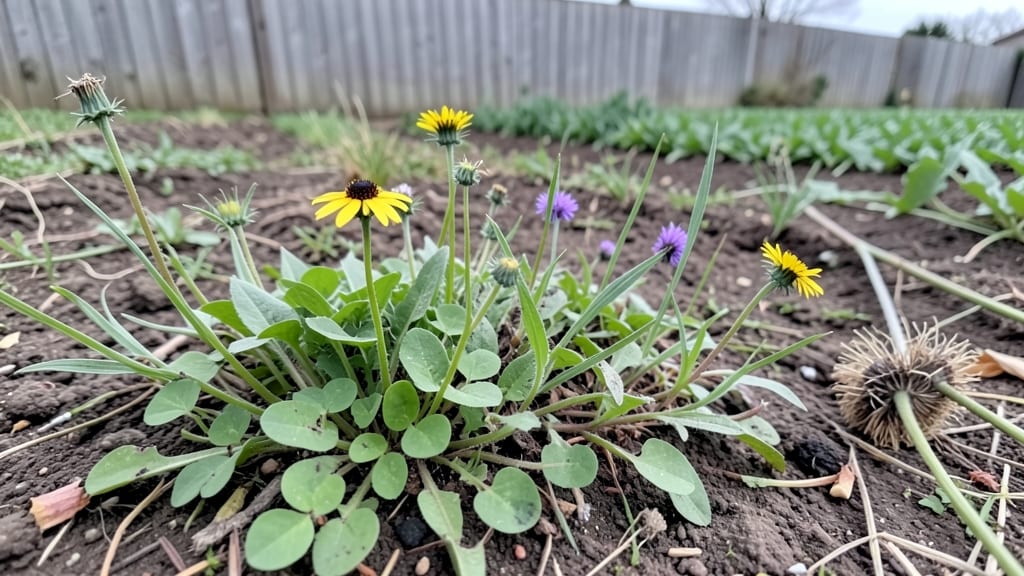
Fall-sown wildflower seeds deliver the most vibrant spring blooms—because nature does the hard work for you. 🌱 The secret lies in cooler temperatures and winter moisture, which break seed dormancy while protecting tender sprouts from summer heat.
I learned this the hard way after watching my spring-planted seeds struggle under blazing July sun.
Timing matters most: aim for 4-6 weeks before your first hard frost, when soil stays workable but air cools at night. Northern gardeners should sow by late September or early October, while southern regions can extend until November.
A simple rake and light foot traffic are all you need to prepare the soil—no fancy tools required.
What you’ll end up with is a meadow of butterfly-attracting blooms that outperform spring plantings. The roots establish deep over winter, giving you stronger stems and longer-lasting flowers. Plus, you skip the weeding battle that spring-sown seeds often invite.
Works for sun-drenched fields, woodland edges, or even container gardens—just adjust seed mixes for your local climate. Here’s how to make it happen without the guesswork.
📚 In This Guide
- What you need
- Instructions
- Tips and common mistakes
- Wrapping up and next steps
What you need
- ● Wildflower seeds: Choose a fall-sown mix (e.g., cosmos, black-eyed Susans, or native wildflowers). Aim for 1–2 lbs per 1,000 sq ft for optimal coverage.
- ● Garden soil or seed-starting mix: 1–2 bags (depending on area) for loose, well-draining beds.
- ● Rake: A bow rake (with flexible tines) to smooth soil and create a fine seedbed.
- ○ Hoe or cultivator: Optional but helpful for breaking up compacted soil.
- ● Watering can or hose with a gentle spray nozzle: For light, even moisture without disturbing seeds.
- ○ Garden twine or lightweight netting: Optional, to mark planting rows if needed.
- ● Compost or organic fertilizer: A 1–2 inch layer mixed into soil for nutrient boost.
- ● Seed starter fertilizer: A low-nitrogen option (e.g., 5-10-10) to encourage root growth.
- ● Mulch (straw or shredded leaves): Lightly apply ¼ inch after planting to retain moisture.
- ● Garden journal: To track seed varieties, planting dates, and bloom progress!
Step-by-Step instructions for sowing wildflower seeds in fall
Here's how I get vibrant spring blooms by planting wildflower seeds in autumn—no spring prep needed.
🌱 Step 1: Choose the Right Wildflower Mix and Prepare the Site
Select a cold-hardy wildflower seed mix labeled for fall planting—these varieties are designed to germinate in cool weather and establish roots before winter. Clear the area of weeds and debris, then loosen the top 2-3 inches of soil with a rake or hoe. The goal is to create a loose, crumbly surface that seeds can easily settle into.
Wildflowers thrive in well-draining soil, so avoid compacted or heavy clay areas. If your soil is particularly dense, mix in 1-2 inches of compost to improve texture and fertility. I always test a small patch by pressing my thumb into the soil—if it springs back instead of staying indented, the soil is ready for sowing.
🌿 Step 2: Scatter Seeds Evenly and Lightly Cover
Spread the seeds evenly over the prepared area, aiming for about 1/4 to 1/2 pound per 100 square feet. I like to scatter seeds by hand for small areas, but for larger patches, I use a seed spreader set to the recommended rate. Avoid planting too densely—crowded seeds compete for nutrients and often produce weak, leggy plants.
After scattering, cover the seeds with a thin layer of soil—just enough to shield them from birds and wind, about 1/8 inch deep. For fine seeds, a light dusting of compost or a very fine mulch works best. Press the soil gently with your hand or a board to ensure good seed-to-soil contact, which helps moisture reach the seeds more effectively.
💧 Step 3: Water Gently and Protect Until Spring
Water the area immediately after sowing with a gentle spray or fine mist to avoid displacing the seeds. Keep the soil moist but not soggy—wildflower seeds need consistent moisture to germinate, but standing water can cause rot. Aim for 1 inch of water per week, either from rainfall or supplemental watering, until germination occurs in early spring.
To protect seeds from erosion and extreme weather, I often lay down a layer of straw mulch or a lightweight landscape fabric after watering. This keeps seeds in place and insulates them during freezing temperatures. Remove the mulch in early spring once you see the first signs of green sprouts—usually in late winter or early spring, depending on your climate.
☀️ Step 4: Monitor and Maintain Through Winter
Wildflower seeds sown in fall rely on winter’s chill to break dormancy, so resist the urge to disturb them. Check occasionally for signs of germination or pests—if you spot any, gently remove them by hand. Avoid fertilizing at this stage; wildflowers establish best with minimal interference and natural soil conditions.
Once sprouts appear in spring, thin them if necessary to maintain 6-12 inches of spacing between plants, depending on the variety. This ensures strong, healthy growth and prevents overcrowding. Water deeply but less frequently as the plants mature, allowing the soil to dry slightly between waterings to encourage deep root development.
⏰ Step 5: Enjoy Blooms and Plan for Next Year
By late spring or early summer, your wildflowers will burst into color, attracting pollinators and adding beauty to your landscape. Once the blooms fade, allow some seed heads to remain on the plants—these will reseed naturally for future seasons. Cut back spent blooms in late summer or early fall to tidy the area and encourage new growth.
For long-term success, I mark the planting area each year to avoid disturbing the soil unnecessarily. Many wildflower varieties self-seed, so you’ll likely see more blooms each subsequent year with minimal effort. If you want to expand your wildflower garden, repeat the process in a new area every few years to maintain diversity and prevent overcrowding.
Tips & tricks for perfect fall wildflower planting
A few simple strategies will help you maximize your wildflower success and avoid common pitfalls that can ruin your spring blooms.
Soil Prep Secret: In Step 1, when loosening the top 2-3 inches of soil, focus on creating a "spongy" texture rather than turning it into a tilled mess. I use a broadfork to gently break up compacted layers without disturbing the soil structure too much. This mimics natural conditions wildflowers thrive in, while still providing good seed-to-soil contact. For clay-heavy soils, work in that 1-2 inches of compost right after loosening—this prevents clumping that can smother seeds.
Seed Scattering Technique: For Step 2, here's what I learned the hard way: don't trust seed spreaders for small areas—they often create clumps. Instead, try this method: Divide your seeds into quarters, then scatter each quarter in different directions. This creates an even distribution without the streaks you get from mechanical spreaders. For very small patches, sprinkle seeds while walking backward to maintain consistent spacing.
Winter Protection Hack: When applying that straw mulch in Step 3, I've found that a double layer works best in windy areas—first apply a 1-inch layer of straw, then add a lightweight landscape fabric on top. This prevents erosion while still allowing moisture to penetrate. In particularly harsh winters, I add a second layer of straw on top of the fabric for extra insulation. Remove both layers in early spring when sprouts appear.
Spring Maintenance Tip: In Step 4, when thinning seedlings, I wait until they have at least 2-3 true leaves before pulling any. This gives you a better sense of which plants will thrive. For stubborn weeds that pop up, I use a small hand weeder rather than pulling by hand—this prevents disturbing the delicate wildflower roots. Water deeply after thinning to help the remaining plants establish stronger root systems.
Pro Tips for Sowing Wildflower Seeds In Fall
- A few simple strategies will help you maximize your wildflower success and avoid common pitfalls that can ruin your spring blooms.
- Soil Prep Secret: In Step 1, when loosening the top 2-3 inches of soil, focus on creating a "spongy" texture rather than turning it into a tilled mess.
- Seed Scattering Technique: For Step 2, here's what I learned the hard way: don't trust seed spreaders for small areas—they often create clumps.
Frequently asked questions
Got questions about sowing wildflower seeds in the fall? You’re not alone! Here are answers to the most common concerns to help you get started with confidence.
When is the exact best time to plant wildflower seeds in fall?
For most regions, aim to sow seeds 4–6 weeks before the first hard frost—typically late September to early November. This gives seeds time to germinate before winter sets in. Check your USDA hardiness zone for precise timing, as colder climates may need an earlier start.
Will wildflower seeds survive if planted after the first frost?
Yes! Many wildflower seeds are cold-hardy and benefit from a period of chilling (a process called stratification). Planting after light frost can even improve germination rates. Just avoid heavy snow or ice, which may bury seeds too deeply.
Are wildflower seeds expensive? What’s a budget-friendly alternative?
Prices vary, but you can find high-quality seeds for $1–$3 per packet. For larger areas, buy in bulk or split costs with neighbors. Alternatively, collect seeds from local wildflowers (if not invasive) or check seed libraries at local nurseries for free or low-cost options.
How do I prevent weeds from overtaking my wildflower patch?
Weeds are less aggressive in fall-sown wildflowers because seeds germinate slowly. Use cardboard or mulch to suppress weeds until wildflowers establish (about 6–8 weeks). Avoid herbicides, as they’ll harm your blooms. Hand-pulling early weeds also helps!
What if my seeds don’t sprout by spring? Did I fail?
Not necessarily! Some wildflowers take 1–2 years to bloom, especially perennials. Others may need more sunlight or better soil contact. Try thinning seedlings in spring or re-sowing a few extra seeds to boost density. Patience pays off—wildflower meadows often reward persistence!
Wrapping up and next steps
Sowing wildflower seeds in the fall is a simple yet rewarding way to transform your garden into a vibrant, pollinator-friendly haven. 🌸 By choosing cold-hardy varieties and preparing your soil properly, you’ll enjoy a burst of color and life next spring with minimal effort. Now’s the perfect time to grab those seeds, get outside, and let nature do the rest!
🌱 Your Next Step:
- Mark your calendar for early fall planting (before the first frost).
- Gather your supplies—seeds, soil, and tools—and start small if you’re new to gardening.
- Watch your garden bloom and share your success with fellow nature lovers!