
Propagation
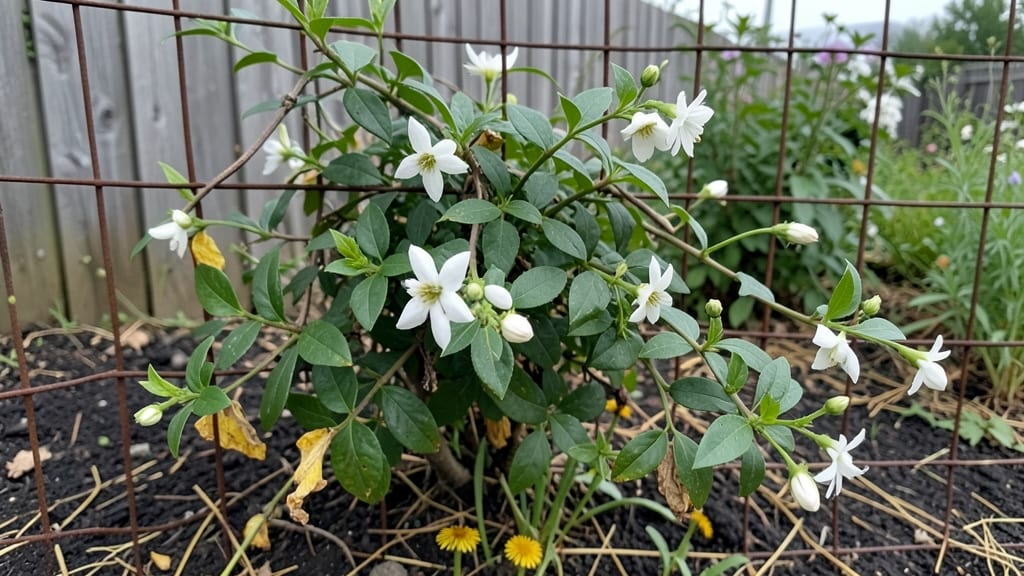
There’s nothing like the Pacific Northwest’s gift from God fragrant flower—the evergreen blooms that hummingbirds adore and your soul remembers. 🌿 These flowers aren’t just beautiful; they whisper stories of faith, healing, and the quiet magic of nature’s gifts.
I’ve woven them into my garden’s heart, where their scent lingers like a prayer and their blooms never fully fade.
The key to their magic lies in placement: nestle them along pathways where the breeze carries their fragrance to meditation spots, or frame them near seating areas where their color and scent create a sacred pause.
They thrive in partial shade, making them perfect for understory gardens or woodland edges—just like the Pacific Northwest’s own cathedral forests. The result? A space that feels alive, intentional, and deeply connected.
Imagine stepping into a garden where every breath carries the essence of jasmine or the gentle sweetness of roses, their petals forever in motion with hummingbirds. These flowers don’t just grow; they create a sanctuary.
They remind us that beauty is a gift, and gardens are the perfect place to receive it. Let’s bring that peace to your space.
Whether you’re designing a perfumed pathway, a quiet corner for reflection, or a hummingbird haven, these evergreen blooms are your secret. Start small—one plant, one scent—and watch how it transforms not just your garden, but your moments there.
📚 In This Guide
- What you need
- Instructions
- Tips and common mistakes
- Wrapping up and next steps
What you need
- ● Oregon Grape Plants: 3–5 young nursery-grown plants (1–2 ft tall) or rooted cuttings from a trusted source.
- ● Pro tip: Look for plants with healthy, vibrant foliage and no signs of pests!
- ● Well-Draining Soil: 10–15 lbs of peat moss or coconut coir (for moisture retention).
- ● 10–15 lbs of perlite or coarse sand (for aeration).
- ● 5–10 lbs of compost (for nutrients).
- ● Garden Tools: 1 trowel (for planting).
- ● 1 pruning shears (for trimming).
- ● 1 garden fork (for soil prep).
- ● Location: Partial to full shade (6+ hours of dappled light).
- ● Sheltered spot with humidity-friendly conditions (ideal for PNW climates!).
- ● Mulch (3–4 inches of wood chips or pine needles) to retain moisture.
- ● Organic fertilizer (e.g., fish emulsion or worm castings) for a nutrient boost.
- ● Drip irrigation system for consistent watering (especially in dry spells).
- ● Supportive trellis or stakes (if growing near slopes or windy areas).
Step-by-Step guide to cultivating Pacific Northwest hummingbird-friendly fragrant flowers
Here's how to create your own fragrant, evergreen hummingbird haven using the region's best blooms.
🌱 Step 1: Select the Right Fragrant Evergreens for Hummingbirds
Start with Pacific Northwest native plants that stay green year-round and produce fragrant blooms hummingbirds adore. My top picks are Oregon grape (Mahonia aquifolium), salal (Gaultheria shallon), and red huckleberry (Vaccinium parvifolium)—all thrive in the region's mild, wet climate. These plants offer both fragrance and nectar-rich flowers that attract hummingbirds while keeping foliage lush in winter.
For extra fragrance, add dwarf rhododendrons (Rhododendron 'Davidsonii') or western azaleas (Rhododendron occidentale)—their spring blooms fill the air with sweet scent. Plant in partial shade where morning sun warms the blooms but afternoon shade prevents wilting. I always check the mature height (most stay under 6 feet) to ensure they fit my garden layout.
🪴 Step 2: Prepare the Planting Site for Fragrant Evergreens
These plants love acidic, well-draining soil—the kind found naturally in the Pacific Northwest. If your soil isn't acidic, mix in 2-3 inches of peat moss or composted pine needles per planting hole. Dig holes twice as wide as the root ball but only as deep—planting too deep suffocates roots. I always loosen the sides of the hole with a fork to encourage root spread.
For hummingbird appeal, space plants 4-6 feet apart so they can form a fragrant, continuous border. Add a 1-inch layer of wood chips around each plant to retain moisture and suppress weeds—these evergreens hate competition. Water deeply right after planting until you see moisture emerge from the drainage holes.
☀️ Step 3: Plant and Establish for Fragrant Blooms
Place each plant in its hole, then backfill with native soil mixed with your acidifying amendment. Press gently around the base to remove air pockets but don't compact the soil. The top of the root ball should sit 1 inch below the surrounding soil level—this prevents stem rot from poor drainage. I always water again after planting to settle everything.
For the first 2-3 weeks, keep soil moist but not soggy—these plants hate drying out. You'll know you've got it right when the soil feels like a well-wrung sponge. After establishment, they're drought-tolerant, but fragrant blooms thrive with 1 inch of water weekly during dry spells. Mulch again in late fall to protect roots from winter chill.
✂️ Step 4: Prune and Maintain for Year-Round Fragrance
Prune right after flowering to encourage next year's blooms. For Oregon grape and salal, I remove 10-20% of old stems at ground level each spring—this keeps plants bushy and prevents legginess. For rhododendrons, trim only to shape, never cutting into old wood. Deadhead spent flowers on azaleas to redirect energy into fragrance production.
Fertilize lightly in early spring with acid-loving plant food (follow package rates). Too much fertilizer reduces fragrance and attracts pests. I always check for powdery mildew on new growth—spray with neem oil if you see white powder on leaves. Hummingbirds will visit most actively when blooms are fresh, so a light pruning in early summer keeps flowers coming.
Tips & tricks for Pacific Northwest hummingbird-friendly fragrant gardens
Creating a fragrant haven for hummingbirds doesn't have to be complicated—just a few thoughtful touches make all the difference. Here's what I've learned from years of growing these Pacific Northwest beauties.
Native Plant Pairing: In Step 1, when selecting your fragrant evergreens, consider adding salal (Gaultheria shallon) alongside Oregon grape—their wintergreen scent complements each other perfectly. I've found that planting them in alternating rows creates a fragrant tunnel effect that hummingbirds absolutely love. The key is keeping the spacing consistent at 4-6 feet to maintain that continuous border effect mentioned in the instructions.
Soil pH Secret: For Step 2's soil preparation, don't just rely on peat moss—try adding crushed pine bark to your amendment mix. It creates a more natural acidifying effect while improving drainage. I test my soil pH before planting using a simple garden kit (around $10) to ensure it's between 4.5-5.5, which these plants thrive in. This small step prevents the root suffocation issues that come from planting too deep.
Watering Wisdom: The instructions mention keeping soil moist for the first 2-3 weeks, but here's what nobody tells you—water in the morning. This gives the soil time to absorb moisture before evening humidity sets in, which is especially important in the Pacific Northwest's damp climate. I use a rain gauge to measure my weekly inch of water during dry spells, and I've noticed the fragrance intensity increases dramatically when plants get consistent moisture.
Pruning Pro Tip: When you're ready for Step 4's pruning, use clean, sharp pruners and make cuts at a 45-degree angle just above a leaf node. This encourages new growth while preventing disease entry points. I always sterilize my pruners with rubbing alcohol between plants to avoid spreading any potential pathogens. For rhododendrons specifically, I never cut into old wood—this preserves their beautiful, fragrant blooms for next season.
Pro Tips for Gift From God Fragrant Flower
- Creating a fragrant haven for hummingbirds doesn't have to be complicated—just a few thoughtful touches make all the difference.
- Native Plant Pairing: In Step 1, when selecting your fragrant evergreens, consider adding salal (Gaultheria shallon) alongside Oregon grape—their wintergreen scent complements each other perfectly.
- Soil pH Secret: For Step 2's soil preparation, don't just rely on peat moss—try adding crushed pine bark to your amendment mix.
Frequently asked questions
Got questions about nurturing your fragrant flower—the Pacific Northwest’s hummingbird haven? Here are answers to the most common ones to help you grow a thriving garden oasis!
What’s the best time to plant these fragrant flowers for year-round blooms?
Plant in early spring (March–April) after the last frost, or in fall (September–October) for a head start. These evergreen bloomers thrive in mild PNW climates, so avoid winter planting unless you’re in a frost-free microclimate. Pro tip: Mulch heavily after planting to protect roots from temperature swings!
Why aren’t hummingbirds visiting my fragrant flowers?
Hummingbirds love red, tubular blooms—ensure your flowers have these traits! If visits are still sparse, try:
- Adding a hummingbird feeder with 4:1 sugar-water ratio (no dye!).
- Planting companion flowers like penstemon or fuchsia nearby.
- Trimming overgrown foliage to improve visibility.
Can I grow these fragrant flowers in containers? What’s the ideal pot size?
Yes! Use large containers (12+ inches deep) with drainage holes and well-draining soil. These flowers have shallow but sprawling roots, so opt for wide pots or window boxes. Troubleshooting: If roots outgrow the pot, transplant to the ground or upgrade to a 5-gallon container.
How often should I prune my fragrant flowers to keep them blooming?
Prune lightly after each bloom cycle (every 6–8 weeks) to encourage new growth. Cut back spent flowers to the nearest leaf node, and trim overly leggy stems in early spring. Warning: Avoid heavy pruning in late summer—it may delay fall blooms!
What should I do if my fragrant flowers develop brown, crispy edges?
This is often underwatering or salt buildup from tap water. Try these fixes:
- Water deeply but infrequently (1–2 inches per week).
- Use rainwater or distilled water to reduce salt.
- Check soil drainage—amend with perlite if compacted.
Wrapping up and next steps
Discovering the gift from God—the Pacific Northwest’s fragrant, evergreen blooms—is more than just gardening; it’s an invitation to nurture life while welcoming hummingbirds into your haven. 🌿 These resilient flowers aren’t just beautiful; they’re a living connection to nature’s harmony, offering year-round color and a sanctuary for pollinators.
Whether you’re a seasoned gardener or just starting, every seed planted is a step toward creating something magical.
Ready to transform your space? Start small—plant one fragrant bloom today, and watch as your garden becomes a thriving, hummingbird-friendly paradise. Explore propagation tips or share your progress with fellow plant lovers! 🌸