
Flowers
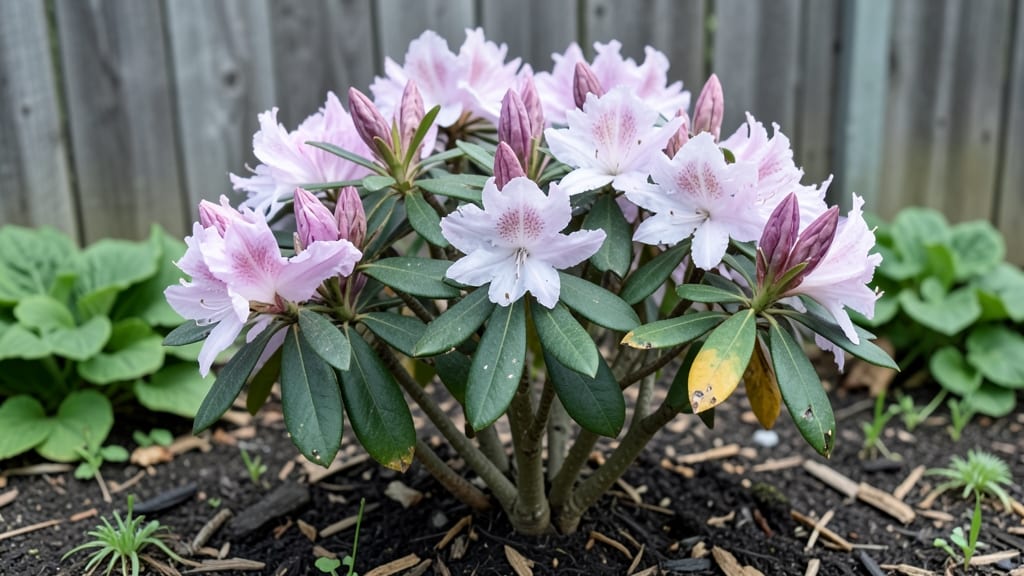
Nothing captures spring’s arrival in the Pacific Northwest like the stunning azaleas pictures flowers bursting into vibrant color—transforming yards into living art galleries. 🌸 The deep pinks, fiery reds, and soft whites aren't just beautiful—they're nature's way of saying "spring has arrived" with unmatched confidence.
These flowering shrubs thrive in partial shade, making them perfect for understory plantings, woodland gardens, or as striking focal points near patios. Their blooming season stretches from late spring to early summer, giving you weeks of bold color that outshines many annuals.
The key to their success? Well-drained, acidic soil and regular watering—once established, they become low-maintenance stars.
Imagine your garden in June: azaleas draped in blossoms, their glossy leaves framing pathways or creating natural privacy screens. Pair them with ferns for texture, hellebores for early color, or boxwood for structure, and you've got a layered, seasonal display that keeps interest high all year.
Their fragrance alone makes them worth growing.
Whether you're designing a new landscape or refreshing an existing one, azaleas deliver that "wow" factor with minimal effort. The Pacific Northwest's cool, wet climate actually suits them perfectly—unlike many flowering shrubs that struggle here.
Ready to add some drama to your outdoor space? Let's explore how to make them shine.
📚 In This Guide
- What you need
- Instructions
- Tips and common mistakes
- Wrapping up and next steps
What you need
- ● Camera: DSLR or mirrorless camera (with interchangeable lenses) for high-quality shots. A smartphone with a 12MP+ camera works in a pinch!
- ● Lenses: Wide-angle lens (e.g., 16-35mm) for sweeping landscapes.
- ● Macro lens (e.g., 60mm or 100mm) to capture intricate details of petals and textures.
- ● Tripod: Sturdy tripod with a fluid head for stability, especially in low-light conditions.
- ○ Remote shutter: Optional but helpful for avoiding camera shake.
- ● Polarizing filter: Reduces glare and enhances vibrant colors in azalea blooms.
- ● Reflector: 5-in-1 reflector (gold/silver) to add depth and highlight petals.
- ● Portable lighting: Small LED panel (e.g., 1000-2000 lumens) for early morning/late afternoon shoots.
- ● Lens cleaning kit: Microfiber cloth, lens pen, and blower for pristine shots.
- ● Weather check: Plan shoots for overcast mornings (soft light = dreamy azalea tones!).
- ● Location scouting: Research Pacific Northwest hotspots like Washington Park Arboretum (Seattle) or Lewis & Clark College (Portland) for prime azalea displays.
- ● Permits: Verify if any gardens require entry fees or photography permits.
- ● Backup storage: Empty memory cards (32GB+ recommended) and a portable SSD for backups.
- ● Drone (with FAA compliance) for aerial shots of azalea canopies.
- ● Gradient ND filter for long exposures of waterfalls or streams near azalea groves.
- ● Field notebook or voice recorder for jotting down composition ideas.
- ● Cozy layers (PNW weather can be unpredictable—pack a windbreaker!).
How to create a stunning azalea display in the Pacific Northwest
Transform your garden into a vibrant spring showcase with these expert techniques for cultivating bold azalea blooms.
🌿 Step 1: Select the Right Azalea Varieties for Your Climate
Pacific Northwest gardens thrive with late-spring to early-summer blooming azaleas like 'Girard's Pink' or 'Kramer's Supreme', which handle our cool, wet springs better than southern varieties. These evergreen shrubs prefer partial shade—morning sun with afternoon shade protects delicate blooms from scorching.
Check your garden's microclimate: North-facing slopes stay cooler, while south-facing beds may need afternoon shade. I always test a spot for 4-6 hours of filtered light daily before planting. Avoid full sun locations—azaleas here wilt quickly when exposed to intense afternoon rays.
☀️ Step 2: Prepare the Planting Site for Acid-Loving Roots
Azaleas demand acidic soil (pH 4.5-6.0). Test your soil first—most Pacific Northwest gardens have alkaline soil from decomposed granite. Amend planting holes with 3 parts peat moss and 1 part sand to create the perfect growing medium.
Dig holes twice as wide as the root ball but only as deep—planting too deep suffocates roots. Mix in a handful of slow-release acid fertilizer (like 10-10-10 with sulfur) into the bottom of each hole. This ensures your azaleas get the nutrients they crave without shocking the roots.
💧 Step 3: Plant and Water for Immediate Establishment
Remove the azalea from its container and gently loosen the roots if they're circling. Place the plant in the hole so the top of the root ball sits 1 inch above ground level—this prevents rot during our rainy winters. Backfill with the amended soil, pressing lightly to eliminate air pockets.
Water deeply immediately after planting until moisture reaches 6 inches down. Pacific Northwest springs can be unpredictable—mulch heavily with 3-4 inches of pine bark to retain moisture and regulate soil temperature. Keep soil consistently moist (not soggy) for the first 3-4 weeks to encourage root establishment.
✂️ Step 4: Prune for Shape and Next Year's Blooms
Prune azaleas right after flowering (late June to early July) to shape the shrub and encourage next year's blooms. Remove dead or crossing branches first, then thin out crowded growth to improve airflow. Never cut into old wood—azaleas bloom on new growth, so prune just above a leaf bud.
For dramatic displays, I prune lightly each year, removing only 1/3 of the oldest stems at a time. This maintains the natural shape while ensuring continuous blooms. Avoid heavy pruning—it reduces flowering potential and exposes the plant to pests. After pruning, fertilize lightly with acid-loving plant food to support recovery.
🌱 Step 5: Maintain Soil Acidity and Protect from Pests
Pacific Northwest rain dilutes soil acidity over time. Test soil pH annually and amend with sulfur or aluminum sulfate if levels rise above 5.5. I apply a 1/2 cup of sulfur per 100 square feet in early spring, working it into the top 2 inches of soil.
Watch for lace bugs or azalea bark scale—common pests in our region. Treat infestations immediately with horticultural oil in early spring before buds swell. Healthy azaleas develop a thick, waxy cuticle that resists pests, so proper watering and fertilization are your first line of defense.
Tips & tricks for perfect Pacific Northwest azalea displays
Creating a showstopping azalea display requires attention to detail—here are the tricks that'll make all the difference in your Pacific Northwest garden.
Variety Selection Secret: When choosing between 'Girard's Pink' and 'Kramer's Supreme' in Step 1, consider bloom timing. 'Girard's Pink' flowers slightly earlier (late May) and thrives in cooler microclimates, while 'Kramer's Supreme' (June) handles slightly warmer spots. For continuous color, plant both varieties—this staggered bloom pattern creates a natural progression that extends your floral showcase by weeks.
Soil Science Tip: The 3:1 peat moss to sand ratio in Step 2 is crucial for drainage while maintaining acidity. I've found that adding 1 part perlite to this mix creates even better aeration for those Pacific Northwest rainy seasons. Test your amended soil's pH after mixing—it should read between 4.5-5.0 before planting. If your garden soil tests above 6.0, you'll need to double the sulfur application mentioned in Step 5.
Planting Depth Technique: That 1-inch elevation above ground level in Step 3 isn't just about rot prevention—it creates the perfect angle for water runoff during our heavy spring rains. I like to use a small stake to mark this level before planting. For container-grown azaleas, gently squeeze the root ball to check for compacted soil before planting; if it's rock-hard, score the sides with a knife to encourage root spread.
Pruning Strategy: When removing just 1/3 of oldest stems in Step 4, focus on the largest, most mature branches first. These stems have already produced blooms and are less productive for next year. I always prune on a cloudy day to reduce stress on the plant—sunlight intensifies the shock of pruning. For dramatic displays, consider a staggered pruning schedule: remove 1/3 now, another 1/3 next spring, and the final third the following year.
Pro Tips for Azaleas Pictures Flowers
- Creating a showstopping azalea display requires attention to detail—here are the tricks that'll make all the difference in your Pacific Northwest garden.
- Variety Selection Secret: When choosing between 'Girard's Pink' and 'Kramer's Supreme' in Step 1, consider bloom timing.
- Soil Science Tip: The 3:1 peat moss to sand ratio in Step 2 is crucial for drainage while maintaining acidity.
Frequently asked questions
When is the best time to see azaleas in full bloom in the Pacific Northwest?
The Pacific Northwest’s azalea season peaks in late April to early May, with some early varieties blooming as early as March. Coastal regions like Seattle often see blooms a week or two earlier than inland areas. Check local parks (like Washington Park Arboretum) for exact timing—rainy springs can delay blooms slightly!
How do I care for azaleas after they bloom?
After flowering, prune lightly (remove dead blooms but avoid heavy trimming) to encourage next year’s blooms. Feed them with acidic fertilizer (like 10-10-10) in early spring, and mulch around the base to retain moisture. Azaleas thrive in partial shade—too much sun can stress them. Pro tip: Water deeply but avoid soggy soil!
Can I take pictures of azaleas in public gardens without permission?
Most public gardens (e.g., Portland Japanese Garden) allow personal, non-commercial photography for free. Always check posted signs or websites for rules—some may restrict drones or commercial use. When in doubt, ask staff politely! Golden hour (sunrise/sunset) = best lighting for stunning shots.
Why aren’t my azaleas blooming well?
Common culprits:
- Too much sun (they prefer dappled shade).
- Wrong soil pH (test for acidic 4.5–6.0 range; amend with sulfur if needed).
- Over-fertilizing (too much nitrogen = fewer flowers).
- Stress from drought or transplant shock.
What are some low-maintenance alternatives to azaleas for PNW gardens?
If azaleas seem high-maintenance, try these PNW-friendly bloomers:
- Rhododendrons (similar care, bigger blooms).
- Camellias (evergreen, shade-tolerant, winter blooms).
- Pieris Japonica (early spring flowers, drought-tolerant).
- Heather (dwarf, pollinator-friendly, thrives in rocky soil).
Wrapping up and next steps
Azaleas aren’t just flowers—they’re the Pacific Northwest’s springtime superstars, painting the landscape in vibrant hues of pink, purple, and red.
Whether you’re admiring them in bloom or dreaming of cultivating your own, these stunning flowers bring joy, color, and a touch of magic to gardens and wild landscapes alike. 🌸
Ready to dive deeper? Start by exploring local botanical gardens or planting your own azalea shrub—your garden (and pollinators!) will thank you. Happy blooming! 🌿