
Flowers
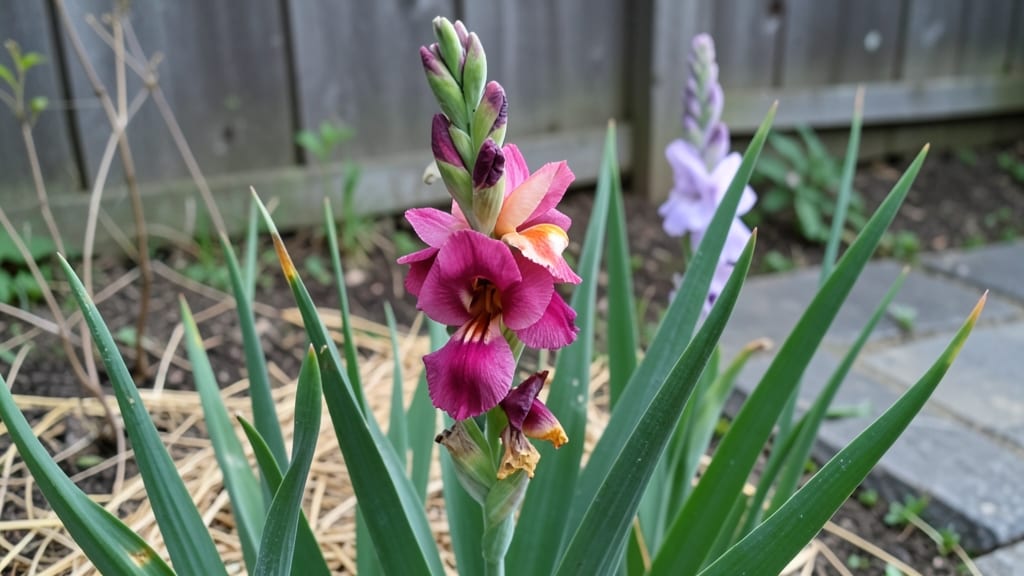
Gladiolus flowers bring shockingly bold color to summer gardens—deep reds that pop against green foliage, soft pinks that blush in the evening light, and even rare whites that feel like a breath of fresh air. 🌸 I’ve designed borders where these spikes stand like sentinels, their colors shifting from fiery orange to lavender as the season progresses.
The key isn’t just planting them; it’s arranging them so each bloom feels intentional, like a painter’s palette come to life in your yard.
Start with three core colors—say, a dramatic burgundy, a sunny yellow, and a cool lavender—to create instant impact. Mix heights too: shorter varieties in front, taller ones toward the back, so every stalk gets noticed.
For bouquets, pair deep reds with creamy whites for a romantic contrast, or let fiery oranges and purples clash beautifully in a summer arrangement. The best part? Gladiolus colors hold their vibrancy even when cut, making them perfect for both garden beds and vase life.
You’ll end up with a border that feels like a living work of art, where every color tells a story—whether it’s a dramatic monochrome red display or a soft gradient of pinks and purples.
The secret is spacing them 12-18 inches apart so stems don’t crowd each other, letting each bloom shine. And when you add complementary foliage like dusty miller or ornamental grasses, the colors truly sing.
Works for formal borders, cottage-style gardens, or even container arrangements on patios. The only rule? Play with what excites you—because the best color combinations are the ones that make you smile when you walk past them.
📚 In This Guide
- What you need
- Instructions
- Tips and common mistakes
- Wrapping up and next steps
What you need
- ● Gladiolus corms: Choose certified disease-free corms in your preferred colors (e.g., pink, purple, red, or bi-color). Quantity: 10–20 corms per 10-foot garden border (adjust based on spacing).
- ● Well-draining potting mix or garden soil: Amend with compost (1 part compost to 2 parts soil) for nutrient-rich growth.
- ● Fertilizer: Balanced granular fertilizer (10-10-10): 1–2 tbsp per corm at planting.
- ○ Slow-release bulb fertilizer (optional): Mix into soil for extended nourishment.
- ● Watering can or hose with a gentle spray nozzle: Gladiolus dislike soggy roots!
- ● Garden trowel or bulb planter: For digging holes 4–6 inches deep and 6 inches apart (adjust for larger varieties).
- ● Measuring tape or ruler: Ensures proper spacing for airflow and growth.
- ○ Garden stakes or trellis (optional): Tall varieties (like ‘Green Star’) may need support (3–4 ft stakes per 5–6 corms).
- ● Pruners or sharp scissors: For trimming dead foliage post-bloom.
- ● Garden gloves: Protect your hands while handling corms or soil.
- ● Sunlight: Full sun (6+ hours daily)—gladiolus thrive in bright, open spaces.
- ● Climate: Plant in spring (after last frost) or early summer (USDA Zones 5–10). Note: They’re not frost-tolerant.
- ● Drainage: Avoid low-lying areas where water pools. Raised beds work great!
How to select and arrange gladiolus colors for stunning garden borders
Turn your garden edges into a vibrant, eye-catching display with these bold color strategies!
🌿 Step 1: Choose Your Color Palette Based on Garden Style
Gladiolus come in every shade from fiery red to deep purple, so pick colors that match your garden's theme. For a classic look, try pink, white, and lavender—these create soft, romantic borders that pair beautifully with roses and peonies. If you want drama, go for bold reds, oranges, and yellows to create a warm, sunlit focal point. I always mix 3-5 colors in each border to avoid monotony—think of it like painting with flowers!
Pro tip: Use tallest varieties (5-6 feet) at the back and shorter ones (3-4 feet) in front. This creates layers and prevents smaller plants from getting lost. For example, plant deep burgundy gladiolus at the back with soft pink in the middle and white at the front for a stunning gradient effect. You'll see the colors pop when viewed from any angle.
☀️ Step 2: Plan Your Planting Layout for Maximum Impact
Gladiolus grow in clusters of 3-5 spikes per bulb, so space them 6 inches apart in rows that are 12 inches apart. This gives each plant room to grow without overcrowding. For a wavy, natural look, stagger the rows instead of planting in straight lines. I like to map out my design on graph paper first—it helps visualize how the colors will flow together.
Arrange colors in gradients or complementary pairs for visual harmony. For instance, purple and yellow create a striking contrast, while red and white evoke classic elegance. If you're unsure, stick to a single color family (like all shades of pink) for a cohesive, polished border. The key is to avoid clashing colors—think of your garden as a canvas, and gladiolus as your boldest brushstrokes.
🌱 Step 3: Plant Bulbs at the Right Depth for Vibrant Blooms
Dig holes 6 inches deep—this ensures the bulb sits with its neck just above soil level. Gladiolus need this depth to anchor properly and resist wind. I always plant them in early spring (after the last frost) or late summer for fall blooms. Mix in a handful of bone meal or compost at the bottom of each hole to give the bulbs a nutrient boost—they'll reward you with larger, brighter flowers all season.
Water thoroughly after planting, but don’t overdo it—soggy soil can rot the bulbs. Instead, aim for deep, infrequent watering (about 1 inch per week) once the shoots appear. You'll know you're doing it right when the foliage stays bright green and upright, not yellow or floppy. Mulch lightly with 2-3 inches of straw or shredded leaves to retain moisture and keep weeds at bay.
✂️ Step 4: Maintain for Long-Lasting Color and Prevent Common Mistakes
Deadhead spent blooms immediately to encourage more flowers and keep the border looking fresh. I also stake taller varieties (like 6-foot red gladiolus) with bamboo stakes or garden twine before they bloom—this prevents them from flopping over in wind or rain. Remove yellowing leaves in late fall to tidy up, but leave the dormant foliage until spring to feed the bulb for next year.
Watch for thrips or aphids, which love gladiolus. If you spot tiny insects on the buds, spray with neem oil or insecticidal soap—it’s organic and effective. I also rotate my gladiolus location every 2-3 years to prevent soil-borne diseases. The more you care for them, the bigger and bolder the blooms will be—it’s like giving them a standing ovation!
🎨 Step 5: Mix and Match for Season-Long Interest
Extend your border’s life by planting different varieties with staggered bloom times. For example, early bloomers (June) like white or pale yellow can lead into mid-season (July-August) reds and purples, and finish with late bloomers (September) in deep pink or burgundy. This creates a continuous cascade of color that keeps your garden looking lively from summer to fall.
For extra flair, pair gladiolus with salvia, snapdragons, or ornamental grasses—these complement their height and add texture. I love tucking purple clematis at the back of my gladiolus borders; the vines climb the stakes while the flowers bloom at the same time. The contrast in shapes and colors makes the whole border pop even more. With the right mix, your garden border will be the talk of the neighborhood!
Tips & tricks for perfect gladiolus color arrangements
Your garden borders deserve that extra wow factor—and these bold color strategies will make them unforgettable!
Color Theory in Action: In Step 1, when choosing your palette, remember that gladiolus colors work best when arranged in triads or complementary pairs. For example, deep burgundy gladiolus at the back (as mentioned) pairs beautifully with chartreuse green in the middle and soft lavender at the front—this creates a sophisticated, unexpected contrast that catches the eye. I always sketch my color combinations on paper first to visualize the impact before planting.
Planting Layout Pro Tip: The 6-inch spacing between bulbs in Step 2 is perfect, but here's the secret: use a measuring tape with color-coded marks to maintain consistent spacing. For example, mark every 6 inches with a different color dot—this prevents overcrowding and ensures your border looks intentional, not haphazard. I've found that this method also helps me visualize the final gradient effect before the plants even emerge.
Seasonal Staggering Strategy: For Step 5's staggered bloom times, consider planting early bloomers (June) in front and late bloomers (September) at the back. This creates a natural progression where new colors reveal themselves as the season advances. I've used white June bloomers with deep purple September varieties behind them—it's like watching a living color palette evolve right before your eyes!
Maintenance Made Easy: When deadheading in Step 4, I've found that using clean, sharp pruning shears (not scissors) prevents tearing the stems and keeps the plant healthy. Also, if you notice yellowing leaves in late fall, don't remove them all at once—pull just the yellowed portions while leaving some green foliage to continue feeding the bulb. This subtle approach keeps your border looking tidy without shocking the plant.
Pro Tips for Gladiolus Flower Colors
- Your garden borders deserve that extra wow factor—and these bold color strategies will make them unforgettable!
- Color Theory in Action: In Step 1, when choosing your palette, remember that gladiolus colors work best when arranged in triads or complementary pairs.
- Planting Layout Pro Tip: The 6-inch spacing between bulbs in Step 2 is perfect, but here's the secret: use a measuring tape with color-coded marks to maintain consistent spacing.
Frequently asked questions
Got questions about gladiolus flower colors? You’re not alone! Here are some of the most common queries—plus quick answers to help you pick, plant, and enjoy these showstoppers with confidence.
What are the most popular gladiolus flower colors?
Gladiolus come in a dazzling rainbow! The most beloved shades include vibrant pinks (like ‘Pink Parfait’), deep purples (such as ‘Black Star’), sunny yellows (e.g., ‘Golden Fleece’), and bold reds (like ‘Red Beauty’). Don’t forget blues (rare but stunning, like ‘Blue Horizon’) and whites (elegant choices like ‘White Wings’). Pro tip: Mix colors for a garden border that pops!
When is the best time to plant gladiolus bulbs for vibrant colors?
Timing matters! Plant bulbs 2–3 weeks after your last spring frost (typically April–May in most U.S. zones). For fall blooms, plant in late summer (August–September). Bulbs need 6–8 weeks of warm soil to grow strong stems—so don’t rush! Chillier climates may need to start bulbs indoors first.
Can I grow gladiolus in containers, and how do I maximize color?
Use large pots (12+ inches deep) with well-draining soil. For boldest colors, choose full-sun spots (6+ hours daily) and fertilize with high-phosphorus food (like 10-20-10) every 3–4 weeks. Deadhead spent blooms to encourage more flowers—and pick stems early in the morning for the freshest hues!
Why are my gladiolus flowers fading or not as colorful?
Fading colors often mean stress or poor care. Check for:
- Underwatering: Wilting or dull blooms? Water deeply 1–2x/week.
- Too much sun: Scorched petals? Provide afternoon shade in hot climates.
- Fungal issues: Brown spots? Space bulbs 6+ inches apart and avoid overhead watering.
- Nutrient deficiency: Pale flowers? Add compost or bloom booster fertilizer.
Are there gladiolus colors that symbolize specific meanings?
Yes! Gladiolus colors carry meanings, making them perfect for gifts or garden statements:
Color
Meaning
Pink
Grief, remembrance, or admiration
Red
Passion, love, or strength
Purple
Royalty, dignity, or success
White
Purity, innocence, or sympathy
Yellow
Joy, friendship, or encouragement
Wrapping up and next steps
From vibrant reds to dreamy lavenders and bold oranges, gladiolus flowers bring a splash of drama and elegance to any garden. Their stunning array of colors isn’t just eye-catching—it’s also a celebration of nature’s creativity!
Whether you’re a seasoned gardener or just starting out, experimenting with these bold hues can transform even the simplest border into a showstopper. 🌸
Ready to bring some wow to your garden? Start by picking your favorite gladiolus colors and plan your next planting session—your outdoor space will thank you! 🌱✨