
Flowers
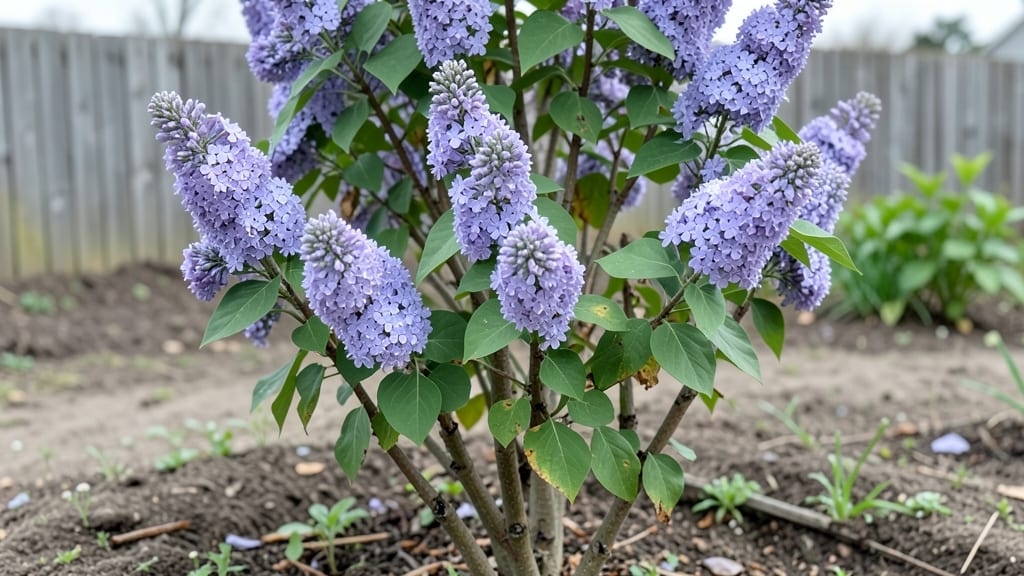
The delicate lilac flower colors—ranging from pale lavender to deep violet—bring quiet elegance to any garden, like a whisper of spring that lingers long after the blooms fade. 🌸 I’ve always loved how their pastel shades transform a yard from ordinary to enchanting, especially when paired with the right companions.
The trick isn’t just planting them; it’s creating a backdrop that makes their delicate colors pop, whether against deep green foliage or alongside bold annuals.
Lilacs come in more than just purple—think snow-white ‘White Swan,’ blush-pink ‘Katherine Haviland,’ or deep violet ‘Mme. Lemoine.’ These variations let you design with intention: soft lavender borders feel romantic, while white lilacs brighten shady spots.
The key is spacing them 6–8 feet apart so each plant’s fragrance and color shine without competition. A single cluster can anchor a garden bed, but a row of them? That’s pure magic.
Your garden will feel like a curated gallery when lilacs bloom—imagine the scent wafting through the air as you stroll past, their petals dusted with morning dew. Pair them with catmint for texture, columbine for height, or peonies for a lush, layered look.
The best part? Lilacs return year after year, their colors deepening with age, while their fragrance draws bees and butterflies like a secret invitation.
For long-lasting beauty, plant them where they’ll get full sun and well-drained soil—they’ll reward you with blooms that last weeks and a fragrance that lingers long after the petals fall.
Whether you’re framing a path or softening a fence line, these flowers are the effortless way to add timeless charm to your outdoor space.
📚 In This Guide
- What you need
- Instructions
- Tips and common mistakes
- Wrapping up and next steps
What you need
- ● Lilac plants: Choose from Lilac cultivars like ‘Katherine Havemeyer,’ ‘Mme. Lemoine,’ or ‘Dwarf French’ (check for light purple, deep violet, or pale lavender blooms).
- ● Buy 1–3 bare-root plants (fall/winter) or 1–2 container-grown shrubs (spring/summer) per desired garden spot.
- ● Soil amendments: 5–10 lbs of compost (for nutrient-rich soil).
- ○ 2–3 lbs of bone meal (optional, for phosphorus boost).
- ● Mulch: 2–3 bags of organic mulch (e.g., shredded bark or straw) to retain moisture.
- ● Garden tools: 1 shovel (for digging).
- ● 1 pruning shears (for trimming dead branches).
- ● 1 garden fork (to loosen soil).
- ● 1 trowel (for transplanting small plants).
- ○ Optional but helpful: 1 wheelbarrow (for moving soil/mulch).
- ● 1 watering can (with a rose attachment for gentle watering).
- ● 1 pH testing kit (to ensure soil pH is 6.0–7.0, ideal for lilacs).
- ● Sunlight: A full-sun location (6+ hours of direct sunlight daily).
- ● Well-draining soil: Lilacs hate soggy roots! Amend clay soil with sand if needed.
- ● Spacer: Plant lilacs 6–10 feet apart (depending on variety) for airflow.
- ● Patience: Lilacs take 2–3 years to reach full bloom—worth the wait for those fragrant lavender hues! 💜
How to select and care for lilacs with soft lavender blooms
Lilacs bring effortless charm to any garden with their fragrant lavender blooms. Here's how to choose the right varieties and keep them thriving.
🌱 Step 1: Choose the Right Lilac Varieties for Lavender Tones
Not all lilacs produce soft lavender hues—focus on proven varieties like 'Mme. Lemoine' or 'Katherine Havemeyer' for true pastel blooms. These cultivars consistently deliver delicate lavender-pink flowers that fade beautifully over time. I always check the flower color range on the label before buying, since even within "lavender" lilacs, shades can vary from pale lilac to deeper mauve.
Plant your lilacs in full sun (at least 6 hours daily) for the most vibrant lavender tones. Partial shade will mute the color intensity, making blooms appear more grayish. You'll notice the difference immediately—sun-grown lilacs have richer, more saturated lavender hues that stand out against green foliage.
☀️ Step 2: Plant in Well-Draining Soil with Proper Spacing
Lilacs thrive in slightly acidic to neutral soil (pH 6.0-7.0) with excellent drainage. Amend heavy clay soil with 3-4 inches of compost mixed into the top 12 inches before planting. I always test soil drainage by digging a hole, filling it with water, and watching how quickly it drains—if water pools after 30 minutes, you need more organic matter.
Space plants 6-8 feet apart to allow full growth and airflow. Crowding leads to weak stems and poor flowering. Plant lilacs 1-2 inches deeper than their container to encourage strong root development. The first year after planting, focus on establishing roots rather than heavy flowering—you'll see more abundant lavender blooms in years two and three.
💧 Step 3: Water Deeply and Mulch for Consistent Lavender Blooms
Water newly planted lilacs deeply once weekly during the first growing season, providing 1-1.5 inches of water at soil level. Overhead watering can cause fungal issues, so I use a soaker hose or drip irrigation. Once established, lilacs become drought-tolerant, but you'll notice more vibrant lavender blooms when plants receive consistent moisture during dry spells.
Apply 3-4 inches of mulch (wood chips or shredded bark) around the base, keeping it 3 inches away from the trunk. This preserves soil moisture and regulates temperature. I always refresh mulch annually in early spring—you'll see healthier growth and more abundant lavender flowers when roots stay cool and moist.
✂️ Step 4: Prune After Blooming for Next Year's Lavender Display
Prune lilacs immediately after flowering (late spring) to shape the plant and encourage next year's blooms. Remove 1/3 of the oldest stems at ground level—these stems produce the most flowers. I always use clean, sharp pruners to make 45-degree cuts just above a bud. Avoid summer pruning, as it removes next year's flower buds.
For lavender-toned varieties, pruning helps maintain the plant's vigor and color intensity. You'll notice more compact growth and richer lavender blooms when you prune correctly. Avoid heavy pruning in fall or winter—this removes next year's flower buds before they form.
🌿 Step 5: Fertilize Lightly for Soft Lavender Hues
Apply a balanced, slow-release fertilizer (10-10-10) in early spring before new growth appears. Use 1/2 cup per plant for established lilacs. Too much fertilizer can lead to excessive foliage growth at the expense of flowers, so I always follow the package instructions carefully. You'll see more abundant lavender blooms when plants receive just enough nutrients without becoming overfed.
Lilacs are relatively low-maintenance, but you'll notice a difference in flower quality when you provide proper care. The key is balance—enough water, proper pruning, and light feeding. With these steps, your lavender lilacs will bring timeless elegance to your garden for decades.
Tips & tricks for perfect lilac flower colors
These simple strategies will help you achieve those dreamy lavender blooms that make your garden look like a postcard.
Variety Matters: When selecting lilac varieties, look for labels that specifically mention "lavender" or "pastel" tones. Some nurseries even offer 'Edith Cavell' or 'Dwarf Korean' varieties that produce particularly soft lavender hues. I've found that these specific cultivars maintain their color intensity better than generic "purple" lilacs. The key is to avoid varieties labeled simply as "purple"—these often produce deeper, more violet tones rather than the soft lavender you're aiming for.
Sunlight Secret: That 6 hours of daily sun in Step 1 is non-negotiable for vibrant lavender blooms. I've noticed that morning sun (before 10am) actually produces slightly richer lavender tones than afternoon sun. If your garden has limited sun exposure, consider planting near reflective surfaces like light-colored walls or gravel that can bounce extra sunlight onto your lilacs. This little trick can make a noticeable difference in color intensity, especially in partial shade situations.
Pruning Precision: When you're removing 1/3 of the oldest stems in Step 4, focus on the thickest, woodiest stems first. These older stems produce fewer flowers anyway, and removing them encourages new growth that will bear more abundant lavender blooms. I always prune on a dry day when the plants are completely dormant—this reduces stress on the plant and helps prevent disease. The 45-degree cut just above a bud is crucial; it gives you a visual target to aim for and ensures you're not leaving stubs that can rot.
Mulch Magic: The 3-4 inches of mulch in Step 3 does more than just retain moisture—it actually helps regulate soil temperature. In hot climates, mulch keeps roots cool, preventing stress that can cause flowers to fade to grayish tones. I've found that wood chips work best because they break down slowly and don't compact like straw. Refreshing mulch annually in early spring gives your lilacs a fresh start and helps maintain that perfect soil pH range of 6.0-7.0 for optimal lavender color development.
Pro Tips for Lilac Flower Colors
- These simple strategies will help you achieve those dreamy lavender blooms that make your garden look like a postcard.
- Variety Matters: When selecting lilac varieties, look for labels that specifically mention "lavender" or "pastel" tones.
- Sunlight Secret: That 6 hours of daily sun in Step 1 is non-negotiable for vibrant lavender blooms.
Frequently asked questions
What are the most common lilac flower colors?
The most classic lilac colors include soft lavender, deep purple, pale pink, and white. Some varieties also feature bluish tones or blush hues. Color intensity can vary based on sunlight, soil, and plant maturity—so don’t be surprised if your lilacs shift shades as they bloom!
When is the best time to plant lilacs for vibrant colors?
Plant lilacs in early spring (after the last frost) or fall (6–8 weeks before the first frost) for optimal root establishment. For the brightest blooms, ensure they get 6–8 hours of sunlight daily and well-draining soil. Mulching in late winter helps protect roots and encourages richer colors the following spring.
Can I change my lilac’s flower color?
Lilac flower color is genetic, so you can’t alter it permanently. However, soil pH and fertilizer can influence vibrancy. For deeper purples, add phosphorus-rich fertilizer; for softer pinks, ensure balanced nutrients. Avoid over-fertilizing with nitrogen, which can reduce bloom intensity.
Why are my lilacs blooming lighter than expected?
Lighter-than-expected blooms often stem from too much shade, overwatering, or nutrient deficiencies. Check your lilac’s location—if it’s in partial shade, move it to sunnier spot. Also, prune in late spring after blooming to encourage stronger growth. A soil test can reveal if nutrients like magnesium or iron need adjusting.
Are there lilac varieties that stay colorful all season?
Most lilacs bloom for 2–3 weeks, but some reblooming varieties (like ‘Bloomerang’ or ‘Dwarf Korean’) produce two flushes of flowers—spring and summer. For year-round interest, pair lilacs with evergreen shrubs or perennials that contrast their soft hues, like silver foliage or deep green leaves.
Wrapping up and next steps
From soft lavender to deep violet and even rare white blooms, lilac flowers bring a touch of whimsical elegance to any garden. Whether you're drawn to their romantic charm or versatile uses, these delicate blooms are a must-have for gardeners and floral enthusiasts alike. 🌸
Now that you’re inspired, why not plant your own lilac bush or incorporate dried lilacs into your home decor? Start small—pick a color that speaks to you and let nature’s beauty unfold! 🌿✨