
Flowers
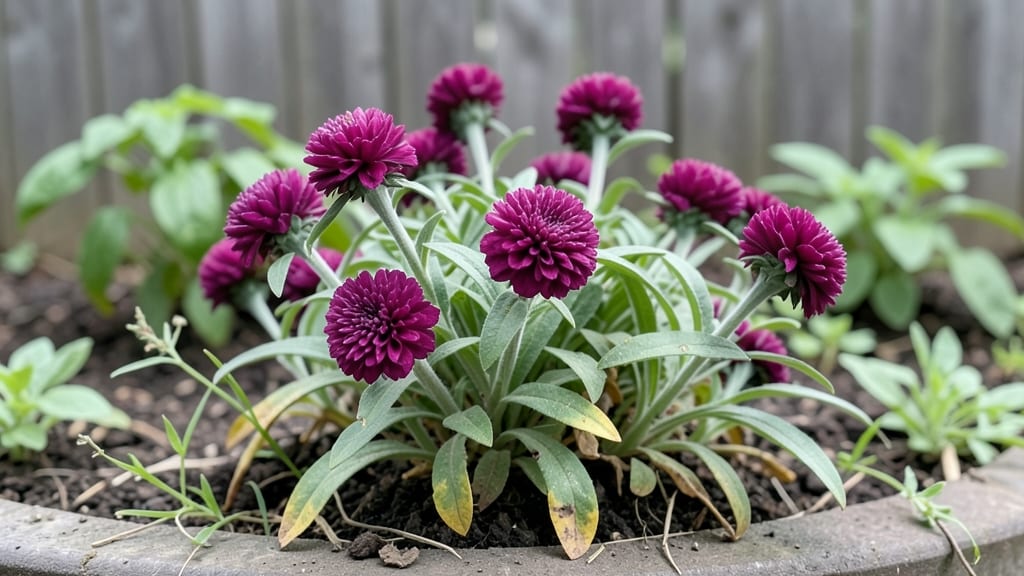
Growing globe amaranth (Gomphrena globosa) means adding a drought-tolerant, vibrant perennial that thrives where other flowers fail. 🌻 This plant’s papery blooms stay crisp in heat and even survive light frosts—perfect for hot, dry climates or forgetful gardeners.
The edible petals add a peppery kick to salads, but the real magic is how effortlessly it fills gaps in borders with its bold colors from summer through fall.
The secret to happy globe amaranth lies in well-draining soil and full sun—it won’t tolerate soggy roots or shade. Start seeds indoors 6-8 weeks before your last frost, or sow directly after soil warms to 60°F.
Pinch back young plants to encourage bushier growth, and you’ll reward yourself with compact, globe-shaped blooms that last weeks longer than most annuals.
Once established, globe amaranth needs minimal care—water only when soil is bone-dry, and deadhead spent blooms to keep flowers coming. The petals stay crunchy and flavorful even after drying, making them a gardener’s secret weapon for long-lasting color and kitchen experiments.
Cut back stems by half in early summer to trigger a second flush of blooms.
This plant shines in cut flower arrangements, dried bouquets, and pollinator gardens where bees adore its nectar. Whether you’re growing it for culinary flair or just to fill your garden with shockingly lush color, globe amaranth delivers year after year with almost no fuss. Ready to try it?
📚 In This Guide
- What you need
- Instructions
- Tips and common mistakes
- Wrapping up and next steps
What you need
- ● Seeds: 1–2 packets of Gomphrena globosa seeds (look for heirloom or organic varieties for best results).
- ● Potting soil: 1–2 bags of well-draining, sterile potting mix (or garden soil amended with compost).
- ● Containers or garden bed: For containers: 4–6-inch pots with drainage holes (or a larger tray for multiple plants).
- ● For in-ground planting: A sunny spot with loose, fertile soil (full sun, 6+ hours/day).
- ● Watering can or spray bottle: With a fine rose nozzle for gentle watering.
- ○ Gloves (optional): To protect hands while handling soil or seeds.
- ● Plant labels: To track varieties (e.g., ‘Fireworks,’ ‘Chocolate Soldier’).
- ● Seed-starting kit: For indoor germination (includes heat mats or grow lights).
- ● Fertilizer: Balanced liquid fertilizer (10-10-10) or compost tea for blooming.
- ● Mulch: Straw or shredded leaves to retain moisture.
- ● Pruning shears: For harvesting petals or shaping plants.
- ● Food-safe spray (if edible use): Light rinse with cold water to clean petals before eating.
Step-by-step guide to growing globe amaranth flowers
This vibrant perennial thrives in cooler climates and rewards gardeners with edible blooms—here’s how to cultivate it successfully.
🌱 Step 1: Select the Right Location and Prepare the Soil
Globe amaranth (Gomphrena globosa) loves full sun—choose a spot that receives at least 6-8 hours of direct sunlight daily. If your climate is hot and dry, afternoon shade helps prevent wilting, but morning sun is ideal for most regions. The plant tolerates poor soil but flourishes in well-draining, slightly alkaline soil with a pH between 6.5 and 7.5.
Before planting, loosen the soil to a depth of 12 inches to encourage root penetration. Amend with compost or aged manure if your soil is heavy or clay-based. Globe amaranth is drought-resistant once established, but young plants appreciate moist, crumbly soil to prevent stress. Avoid waterlogged conditions—this plant hates soggy roots.
🌿 Step 2: Plant Seeds or Transplants at the Right Time
Sow seeds 4-6 weeks before your last frost date in spring or directly in the garden after all danger of frost has passed. Seeds germinate best in warm soil (70-80°F), so consider using a heat mat or starting them indoors under grow lights if your spring is cool. Plant seeds ¼ inch deep, spacing them 12-18 inches apart—they’ll self-seed prolifically if given room.
If using transplants, harden them off for 7-10 days before moving outdoors. Watch for first true leaves (the second set after the initial cotyledons) before thinning seedlings to 1 plant per 12-inch square. Globe amaranth is a perennial in USDA zones 9-11 but often overwinters in cooler zones with mulch protection.
☀️ Step 3: Provide Minimal Care for Lush Blooms
Water deeply once a week after establishment, allowing the top 2 inches of soil to dry between waterings. Overwatering causes root rot, especially in heavy clay. Fertilize lightly with a balanced, low-nitrogen fertilizer (10-10-10) at planting and again midseason—too much nitrogen promotes leafy growth over flowers.
Deadhead spent blooms to encourage continuous flowering from summer through fall. The round, papery flowers resemble pom-poms and come in colors like pink, red, and purple. Pinch back leggy stems to promote bushier growth. Globe amaranth is deer-resistant and attracts pollinators, making it a low-maintenance yet striking addition to borders or containers.
✂️ Step 4: Harvest and Preserve Edible Petals
Harvest flowers when fully open for edible petals—they’re mild, slightly sweet, and used in salads or garnishes. Cut stems in the morning after dew has dried but before the heat of the day. Snip individual blooms or take whole stems; they last 3-5 days in water like cut flowers.
To dry petals, lay them on a paper towel-lined tray in a well-ventilated, dark place for 2-3 days until crisp. Store in an airtight container for up to 6 months. The flowers also make long-lasting dried arrangements—their papery texture holds shape beautifully. In colder climates, mulch heavily in fall to protect roots for next year’s growth.
Tips & tricks for perfect globe amaranth flower cultivation
Here's what nobody tells you about growing these stunning, edible blooms that'll make your garden pop.
Sunlight Strategy: The 6-8 hours of direct sunlight requirement is non-negotiable for vibrant blooms, but here's the secret: morning sun is your best friend. In hot climates, provide afternoon shade to prevent wilting while still getting that critical sunlight. I've seen plants in full sun all day struggle with heat stress, while those with morning sun and afternoon shade thrive and produce more flowers.
Soil Science: While globe amaranth tolerates poor soil, don't skimp on preparation. That 12-inch soil loosening isn't just for show—it creates ideal root penetration for these deep-rooted perennials. For heavy clay soil, mix in compost or aged manure to improve drainage. I've had the best success with a 50/50 mix of native soil and compost, which gives you that slightly alkaline pH without needing fancy amendments.
Timing Tactics: When sowing seeds 4-6 weeks before your last frost date, don't guess—check your local frost calendar. For warm soil (70-80°F) requirements, use a soil thermometer if needed. I've started seeds indoors under grow lights when my spring soil was still too cool, then transplanted them once temperatures stabilized. This gives you a head start on the season and more blooming time.
Harvesting Hacks: For those edible petals, harvest in the morning when dew has dried but before the heat of the day sets in. The 3-5 day vase life is impressive, but here's the pro move: cut stems at an angle and immediately place them in cool water. This maximizes their freshness and gives you beautiful cut flowers that last almost as long as commercial blooms. For drying, that 2-3 day period in a dark, well-ventilated space is crucial—any longer and they lose their vibrant color.
Pro Tips for Globe Amaranth Flower
- Here's what nobody tells you about growing these stunning, edible blooms that'll make your garden pop.
- Sunlight Strategy: The 6-8 hours of direct sunlight requirement is non-negotiable for vibrant blooms, but here's the secret: morning sun is your best friend.
- Soil Science: While globe amaranth tolerates poor soil, don't skimp on preparation.
Frequently asked questions
Got questions about growing and enjoying globe amaranth flowers? You’re not alone! Here are some of the most common queries—plus straightforward answers to help you cultivate this stunning, edible perennial with confidence.
Is globe amaranth really cold-hardy? What zones does it tolerate?
Yes! Globe amaranth thrives in USDA Hardiness Zones 5–10, making it one of the few edible flowers that survives winter in colder climates. In zones 4 or colder, treat it as an annual or protect it with mulch. Its deep roots and dense foliage help it bounce back after frost.
When is the best time to plant globe amaranth for blooms?
For spring planting, sow seeds 4–6 weeks before your last frost date (or start indoors 6–8 weeks early). In warm climates (zones 8–10), plant in early spring or late summer to avoid heat stress. Blooms typically appear 8–12 weeks after planting.
Can I eat the flowers, and how do I prepare them?
Globe amaranth petals are mild, slightly tangy, and packed with nutrients (like vitamin C and antioxidants). Use them fresh in salads, garnishes, or desserts. For a pro tip, gently steam or sauté them to soften texture—think edible carnations with a peppery kick!
Why are my globe amaranth leaves turning yellow or wilting?
Yellowing leaves often signal overwatering or poor drainage—globe amaranth prefers well-draining soil and dries out between waterings. Wilting can also mean heat stress (provide afternoon shade in extreme heat) or pests like aphids. Spray leaves with neem oil if pests appear.
Are there non-edible alternatives for ornamental use?
If you love the look but not the taste, try celosia (similar globe shape, vibrant colors) or zinnia (edible but milder). For cold-hardy perennials, Russian sage or catmint offer drought tolerance and pollinator appeal without the edible bonus.
Wrapping up and next steps
The globe amaranth flower isn’t just a stunning, cold-hardy perennial—it’s also a versatile, edible gem that brings color, texture, and flavor to your garden and plate! 🌸 From its vibrant blooms to its nutritious petals, this plant proves that beauty and utility go hand in hand.
Whether you’re growing it for its striking appearance or culinary potential, it’s a win-win for any gardener.
Ready to bloom with confidence? Start by planting a few seeds or cuttings this season, and watch your garden—and meals—transform. Happy growing! 🌱