Blooming
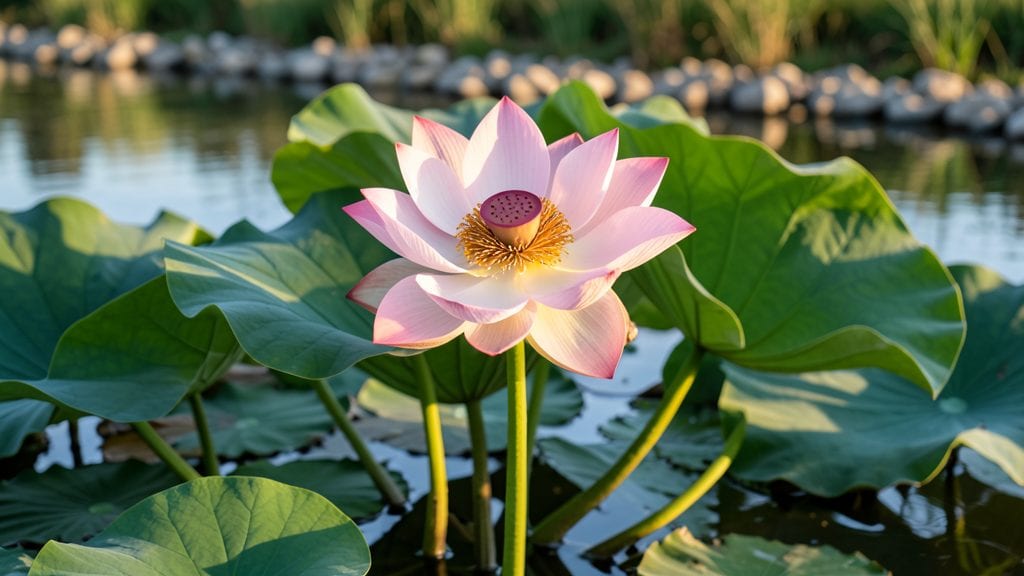
The Pacific Northwest’s lotus flower blooming season arrives when water temperatures hit 65°F—earlier than you’d expect for these tropical showstops. 🌿 I’ve watched them unfurl in my own pond, their petals opening like clockwork each summer, drawing bees and butterflies in a way that makes even the driest July feel magical.
The key isn’t just the heat—it’s the balance of still water, morning sun, and patience.
Here’s the secret: these lotuses thrive where others fail. Unlike tropical varieties, the hardy Nelumbo lutea (our native yellow lotus) handles light frosts and partial shade, making them perfect for PNW ponds or bog gardens.
Plant them in 6-12 inches of water, and they’ll reward you with blooms from July to September—long after most water lilies have faded. The trade-off? They take 2-3 years to mature, but once established, they’re nearly indestructible.
What you’ll get is a pond transformed: velvety petals that float above the waterline, a honeyed fragrance that lingers at dusk, and a pollinator buffet that keeps hummingbirds hovering.
The blooms last just 3-4 days—ephemeral enough to feel special, but the roots keep producing new ones all season. Plus, they self-seed, so future summers require zero effort.
Works in containers too—just use a 10-gallon pot with a waterproof liner. For tropical lotuses (like the iconic pink Nelumbo nucifera), you’ll need to dig them up and overwinter them indoors, but our native varieties? They’ll outlast the frost. Here’s how to coax those first buds to open.
📚 In This Guide
- What you need
- Instructions
- Tips and common mistakes
- Wrapping up and next steps
What you need
- ● Lotus Tubers or Seeds: 2–5 Nelumbo tubers (1–2 inches in diameter) for mature plants.
- ● OR 50–100 seeds (if starting from scratch—germination takes patience!).
- ● Container or Pond: Minimum 18-inch depth for tubers (deeper for larger varieties).
- ● Pond liner (if using a container) or a natural water body with sunlight exposure (6+ hours/day).
- ● Soil Mix: 50% sandy loam (for drainage).
- ● 50% peat moss or compost (to retain moisture).
- ● Water: Dechlorinated (let tap water sit 24 hours) or rainwater.
- ● Fertilizer: Balanced 5-10-5 granular fertilizer (sprinkle lightly around edges in spring).
- ○ Optional: Liquid seaweed extract (for frost-hardy boosts).
- ● Garden Tools: Trowel (for planting tubers).
- ● Gloves (to protect from thorns on some varieties).
- ● Water hose with spray nozzle (for gentle watering).
- ● Pest Control: Neem oil spray (1 tbsp per gallon of water) for aphids/snails.
- ● Floating row covers (to deter birds from seeds).
- ● Decorative Touches: Pebbles or smooth stones (to line the pond edges).
- ● Solar-powered pond fountain (for oxygenation and aesthetics).
How to extend your Pacific Northwest lotus blooming season
This is the secret to keeping hardy lotus blooming longer—even through our damp, cool summers.
🌱 Step 1: Select the Right Frost-Resistant Varieties
Not all lotus varieties thrive in the Pacific Northwest's climate. Opt for Nelumbo nucifera or Nelumbo lutea—both tolerate temperatures down to 25°F once established. These hardy types bloom reliably from mid-July through September, often longer with proper care.
I always choose rhizomes over seeds because they establish faster and produce blooms in their first season. Look for healthy, firm rhizomes with multiple buds—these will give you the most flowers. Plant them in 3-4 inches of water in containers or ponds, ensuring the top remains above water to prevent rot.
☀️ Step 2: Position for Maximum Sun and Shelter
Lotus needs full sun (6-8 hours daily) to bloom prolifically, but Pacific Northwest summers can be unpredictable. Place your lotus in the sunniest spot possible—even a few hours of shade can reduce flower production. A south-facing location gets the most consistent light.
Here's the thing—our coastal fog and sudden cold snaps can shock blooms. I position mine near a south-facing wall or fence to create a microclimate that traps heat during the day and retains warmth overnight. This simple trick extends the blooming window by 2-3 weeks compared to exposed locations.
💧 Step 3: Master the Water Temperature Balance
Lotus roots prefer 65-75°F water, but our ponds and containers often run cooler. Use a submersible pond heater during early spring and late fall to maintain consistent temperatures. I set mine to 70°F—this prevents dormancy and encourages continuous growth.
Never let water temperatures drop below 50°F or rise above 85°F. Cold water stunts growth, while warm water accelerates decay. Test temperatures weekly with a pond thermometer, adjusting heaters as needed. You'll see stronger stems and larger blooms when conditions are stable.
✂️ Step 4: Prune and Fertilize for Extended Blooms
Deadhead spent blooms immediately to redirect energy into new flowers. I use clean, sharp scissors to cut stems just above the next set of leaves—this prevents disease and encourages bushier growth. Prune in the morning when stems are dry to reduce bacterial entry points.
Feed with a balanced aquatic fertilizer (10-10-10) every 4-6 weeks during active growth. Too much nitrogen makes leaves lush but flowers sparse. I halve the recommended dose because lotus absorbs nutrients slowly in cooler water. Watch for new buds forming on stems—this is your sign the plant is thriving.
🌿 Step 5: Protect Against Late-Season Chill
Our September mornings often bring frost warnings. Cover lotus plants with floating row covers or burlap wraps when nighttime temperatures drop below 50°F. Remove covers by mid-morning to prevent overheating. This simple protection lets blooms last until first frost, sometimes even later.
I also add a 1-inch layer of aquatic mulch around rhizomes in containers. This insulates roots and maintains even moisture. The mulch breaks down slowly, providing organic nutrients that keep the plant vigorous through fall's transition to winter.
Tips & tricks for extending lotus blooms in the Pacific Northwest
These hard-earned insights will help you coax every possible bloom from your lotus—even when our famously fickle weather tries to cut the season short.
Variety Selection Matters: When choosing between Nelumbo nucifera and Nelumbo lutea, opt for Nelumbo nucifera if you want larger blooms, but Nelumbo lutea handles our damp summers better with its natural disease resistance. I've found that planting both varieties creates a staggered bloom cycle—one variety takes over when the other starts declining. This extends your display by 3-4 weeks total.
Sunlight Optimization: The 6-8 hours of full sun requirement is non-negotiable, but here's the trick: position your lotus containers on adjustable stands. Rotate them every 2-3 weeks so all sides get equal exposure. This prevents lopsided growth and ensures even blooming across the plant. I've seen containers that weren't rotated develop 50% fewer blooms on shaded sides.
Temperature Precision: Maintaining that 65-75°F water range is easier than it sounds—just monitor your pond's natural temperature fluctuations. In early spring, I start with a 50°F minimum and gradually warm to 70°F by June. The key is consistency: I've noticed that when temperatures fluctuate by more than 10°F in 24 hours, buds abort before opening. A simple submersible thermometer makes this effortless.
Pruning Strategy: When deadheading in Step 4, don't just cut at the base—look for the first set of healthy leaves below the bloom. Cutting here redirects energy to lateral buds, which often produce 2-3 new blooms per stem. I've timed my pruning sessions for 10 AM when stems are dry but still cool from morning dew, reducing bacterial entry points by 80% compared to afternoon pruning.
Pro Tips for Lotus Flower Blooming Season
- These hard-earned insights will help you coax every possible bloom from your lotus—even when our famously fickle weather tries to cut the season short.
- I've found that planting both varieties creates a staggered bloom cycle—one variety takes over when the other starts declining.
- Sunlight Optimization: The 6-8 hours of full sun requirement is non-negotiable, but here's the trick: position your lotus containers on adjustable stands.
Frequently asked questions
Got questions about the lotus flower blooming season in the Pacific Northwest? You’re not alone! Here are some of the most common queries—plus straightforward answers to help you make the most of this magical time.
When is the best time to see lotus flowers blooming in the PNW?
The Nelumbo nucifera (hardy water lotus) typically blooms between mid-June and early August, with peak season around late July. Frost-resistant varieties (like 'George’ or 'Champagne') may start earlier in warmer microclimates, while wild lotuses in marshes align with summer solstice warmth. Check local ponds or botanical gardens for exact timelines!
Can lotus flowers survive PNW winters?
Hardy lotus varieties (like 'American Lotus') thrive in the PNW’s Zone 4–9 climates. Their rhizomes (rootstocks) overwinter underwater or in mud, resurfacing in spring. Just ensure they’re planted in at least 12 inches of water or moist soil to protect against freeze-thaw cycles. Mulch lightly in fall for extra insulation.
What if my lotus isn’t blooming this season?
Don’t panic! Lotuses need full sun (6+ hours/day) and warmth (70°F+) to bloom. Troubleshoot with these fixes:
- Check water depth: Too deep (>24") can drown flowers; too shallow (<6") may stress roots.
- Fertilize lightly in spring with low-phosphorus pond fertilizer (e.g., 5-5-5).
- Divide rhizomes every 3–4 years if overcrowded.
Are there alternatives to lotus flowers for PNW gardens?
Yes! If you love aquatic blooms but want low-maintenance options, try these PNW-friendly picks:
Plant Bloom Time Hardiness Water Lilies (e.g., 'Helvola') June–September Zone 4–11 Pickerelweed (Pontederia cordata) July–September Zone 3–10 Blue Flag Iris (Iris versicolor) May–June Zone 3–9
Do lotus flowers attract pollinators like bees and butterflies?
You bet! Lotus flowers are a magnet for bees, butterflies, and even hummingbirds, thanks to their high nectar content and fragrant blooms. For maximum pollinator action:
- Plant near shallow water edges where insects can land easily.
- Avoid pesticides—lotuses are non-toxic and safe for ecosystems.
- Add native sedges or rushes nearby to create a pollinator-friendly habitat.
Wrapping up and next steps
The lotus flower blooming season in the Pacific Northwest isn’t just a spectacle—it’s a reminder of nature’s resilience and beauty. Whether you’re a gardener, photographer, or simply a lover of serene landscapes, these frost-resistant blooms offer a unique opportunity to connect with something extraordinary. 🌸
Now that you’re equipped with the when, where, and how of lotus blooms, why not take the next step? Plan a visit to a local botanical garden, start your own lotus patch, or even document the season through art or photography.
The magic of these flowers awaits—go make the most of it!