
Plants
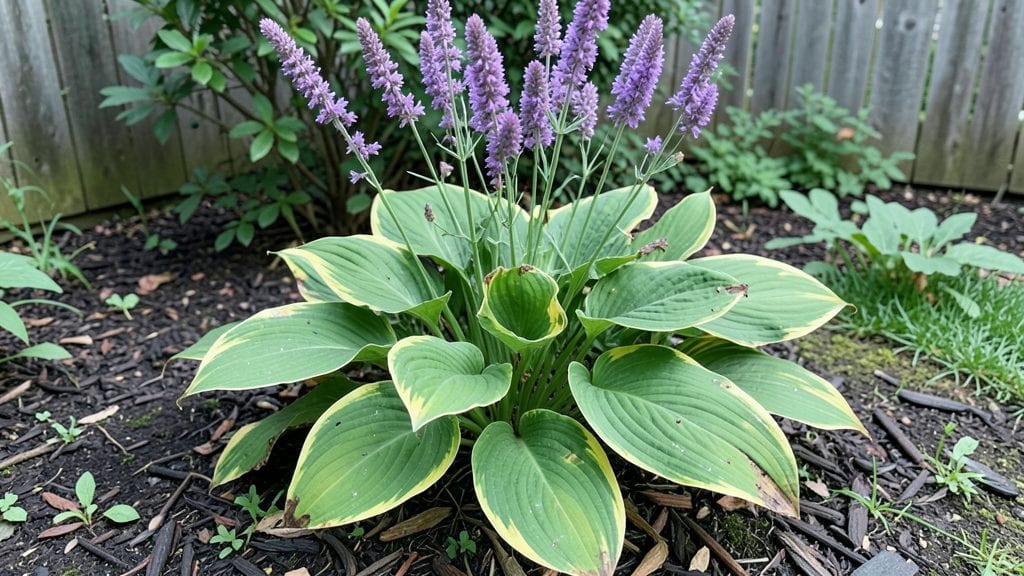
The green hosta with purple flowers is the secret weapon for shade gardens that refuse to be boring. 🌿 I still remember the first time I spotted one in a friend’s woodland garden—its deep green leaves and lavender blooms looked like a living painting against the dim light.
This isn’t just another shade plant; it’s a statement piece that turns dull corners into drama.
Perfect for borders, containers, or woodland-themed gardens, this hosta thrives where others fade. The contrast of its velvety green foliage and purple spikes creates instant visual interest, especially when paired with ferns, astilbes, or heucheras.
It’s the kind of plant that makes neighbors pause and ask, “What’s that?”—and then want one for themselves.
You’ll love how it holds its color through seasons, with fresh blooms in summer and a quiet elegance in winter. Place it where morning sun kisses the edges of its leaves—just enough to deepen the purple, but not so much it burns.
The drama comes alive when it’s the centerpiece, surrounded by textures that make its colors pop.
Works in cottage gardens, modern landscapes, or even as a bold container filler. Here’s how to make it the star of your shade spots—without overcomplicating things. Let’s get your garden talking.
📚 In This Guide
- What you need
- Instructions
- Tips and common mistakes
- Wrapping up and next steps
What you need
- ● Hosta plant: A Hosta spp. cultivar with green foliage and purple blooms (e.g., Hosta 'Royal Standard' or Hosta 'Fragrant Bouquet'). Purchase from a reputable nursery or online plant seller.
- ● Well-draining potting mix: 5–10 gallons of high-quality, organic soil blend (e.g., Miracle-Gro Potting Mix or a peat-based mix with perlite).
- ● Container or garden bed: For containers: 1–2 large pots (12–18 inches deep) with drainage holes.
- ● For in-ground planting: A partially shaded spot (4+ hours of indirect light) with rich, moist soil.
- ● Watering can or hose: With a gentle spray nozzle for moistening soil without disturbing roots.
- ● Fertilizer: Slow-release granular fertilizer (e.g., Osmocote Smart-Release Plant Food) or liquid organic fertilizer (e.g., Fish emulsion).
- ● Mulch: 2–3 inches of organic mulch (e.g., shredded bark or compost) to retain moisture.
- ● Soil pH tester (ideal pH: 6.5–7.5 for hostas).
- ● Slow-release plant spikes (e.g., Osmocote) for hassle-free feeding.
- ● Decorative stones or pebbles to enhance garden aesthetics.
- ● Plant labels for tracking varieties (if growing multiple hostas).
How to grow green Hosta with purple flowers for maximum shade impact
Here's the straightforward approach I use to grow bold, flowering hostas that steal the show in shady spots.
🪴 Step 1: Select the Right Location and Soil
Hostas thrive in partial to full shade with 6+ hours of indirect light daily. A north-facing spot or east-facing garden bed works best, especially in hotter climates. I always test the soil first—hostas love moist, well-draining soil with a pH between 6.5 and 7.5. Amend heavy clay with 2-3 inches of compost or organic matter to improve drainage.
Dig a hole twice as wide as the root ball but only as deep—planting too deep buries the crown and causes rot. Loosen the sides of the hole so roots can spread easily. The key here is consistently moist soil, so if your area drains poorly, mix in sand or perlite to prevent waterlogging.
🌱 Step 2: Plant at the Right Time and Depth
Spring or early fall are the best times to plant hostas. I wait until after the last frost in spring (around mid-April to May in most zones) or late August to September for fall planting. Handle the plant gently—hostas have delicate roots that bruise easily. Place the root ball in the hole so the crown sits just below soil level (never buried).
Backfill with soil, firming it lightly around the roots to eliminate air pockets. Water deeply right after planting—this settles the soil and encourages root growth. You'll know it's right when the soil surface looks slightly damp but not soggy. Mulch with 2-3 inches of shredded bark or leaves to retain moisture and suppress weeds.
☀️ Step 3: Water and Fertilize for Healthy Growth
Hostas need consistent moisture, especially during their first growing season. Water 1-2 times per week (or daily in extreme heat) until the top 1-2 inches of soil feel dry. Overwatering is just as bad as underwatering—hostas hate soggy roots. I always check soil moisture by hand before watering to avoid guesswork.
Feed with a balanced, slow-release fertilizer (like 10-10-10) in early spring and again in mid-summer. Too much nitrogen makes hostas grow leaves but skip flowering. Look for purple flower spikes in late summer—this tells me the plant is happy and ready to bloom. If you notice yellowing leaves, it’s often a sign of overwatering or poor drainage, not fertilizer needs.
✂️ Step 4: Divide and Maintain for Long-Term Drama
Hostas spread quickly, so divide clumps every 3-4 years in early spring or fall. Dig up the plant, separate the crowns with a sharp knife, and replant the strongest sections. This keeps your hostas vigorous and flowering. I always discard the center section—it’s usually the oldest and weakest part.
Remove dead or yellow leaves as needed to keep the plant looking tidy. In late fall, cut back wilted foliage but leave the crowns intact—this protects them from winter cold. With proper care, your green hostas will reward you with stunning purple blooms year after year, turning your shade garden into a showstopper.
Tips & tricks for perfect green Hosta with purple flowers
A few simple tricks will help you grow hostas that burst with vibrant green leaves and striking purple blooms—without the common pitfalls.
Soil Prep Secret: Before planting, mix in a handful of egg shells (crushed) into your planting hole. The calcium helps prevent yellowing leaves, and the gritty texture improves drainage—critical for those 6+ hours of indirect light hostas crave. I also add a slow-release fertilizer like osmocote to the bottom of the hole for steady nutrition right from the start.
Planting Depth Trick: The crown should sit just below soil level—no deeper, no shallower. I make a small mound of soil in the hole first, then place the root ball on top and fill around it. This prevents the crown from sitting too deep (which causes rot) or too high (which dries out the roots). A quick check: if the crown is buried, you'll see leaves yellowing within weeks.
Watering Wisdom: Hostas need consistent moisture, but soggy roots are their enemy. After watering, stick your finger 1-2 inches deep into the soil. If it feels damp, wait another day. I use a soaker hose for deep watering—it delivers moisture right to the roots without wetting the leaves, which helps prevent fungal issues that can dull those gorgeous purple blooms.
Fertilizer Timing: That mid-summer feeding is crucial for flower production. I switch to a lower-nitrogen, higher-phosphorus fertilizer (like 5-10-5) in late summer to encourage blooming. Too much nitrogen in summer means lush leaves but no flowers—exactly what you don't want for your shade garden drama. Look for those purple flower spikes in late summer as your reward for getting the timing right!
Pro Tips for Green Hosta With Purple Flowers
- A few simple tricks will help you grow hostas that burst with vibrant green leaves and striking purple blooms—without the common pitfalls.
- Soil Prep Secret: Before planting, mix in a handful of egg shells (crushed) into your planting hole.
- Planting Depth Trick: The crown should sit just below soil level—no deeper, no shallower.
Frequently asked questions
Got questions about growing green hostas with purple flowers? You’re not alone! Here are some of the most common queries—plus straightforward answers to help you nail that shade-garden drama.
What’s the best way to care for green hostas with purple flowers?
These beauties thrive in partial to full shade (4–6 hours of morning sun max) and moist, well-draining soil. Water consistently—especially during dry spells—but avoid soggy roots. A layer of mulch (2–3 inches) helps retain moisture and regulate soil temp. Fertilize lightly in spring with a balanced, slow-release granular fertilizer (10-10-10).
When do green hostas with purple flowers bloom?
Expect late spring to early summer blooms (May–June in most zones). Flowers are ephemeral—lasting 2–4 weeks—but the foliage steals the show year-round. For extended color, pair with Hosta ‘Halcyon’ or ‘June’, which bloom slightly later.
Why aren’t my hostas flowering, even though the leaves look healthy?
Several factors can stunt blooms:
- Too much shade: Hostas need some light (even dappled) to trigger flowering.
- Over-fertilizing with nitrogen: Too much greens-up growth at the expense of flowers. Switch to a low-nitrogen, high-phosphorus fertilizer (like 5-10-10) in early spring.
- Age or stress: Young plants or those recovering from transplant shock may skip blooming. Be patient!
Are there purple-flowering hosta alternatives if mine don’t bloom?
Try these stunning shade-lovers with purple blooms:
| Plant | Flower Color | Foliage | Height |
|---|---|---|---|
| Hosta ‘June’ | Lavender-purple | Blue-green | 24–30" |
| Hosta ‘Halcyon’ | Pale lavender | Blue-green | 24–30" |
| Hosta ‘Royal Standard’ | Purple | Dark green | 24–30" |
| Hosta ‘Fragrant Bouquet’ | Lavender | Blue-green | 20–24" |
For extra drama, pair with heuchera (corals) or astilbe (feathery plumes).
How do I keep slugs and snails from devouring my hostas?
Hostas are a slug magnet, but these tricks help:
- Physical barriers: Copper tape around pots or a 2–3" deep ring of diatomaceous earth (food-grade only).
- Traps: Bury a shallow dish filled with beer or yeasty water—slugs crawl in and drown.
- Natural predators: Attract birds, frogs, or ground beetles with a small water feature or native plants.
- Handpick: Check leaves at dusk (when slugs are most active) and relocate them to a bucket of soapy water.
Pro tip:
Plant garlic or chives nearby—their scent deters slugs naturally!
Wrapping up and next steps
Transforming your shade garden with a green hosta paired with purple flowers isn’t just about aesthetics—it’s about creating a thriving, low-maintenance oasis that wows year after year. 🌿✨ These plants bring drama, texture, and effortless beauty while thriving in even the trickiest spots.
Now that you’re armed with the know-how, grab your gardening gloves and start planning your dream shade combo—whether it’s a bold focal point or a serene border.
Ready to dive in? Sketch a layout, gather your plants, and watch your garden shine!