Pruning
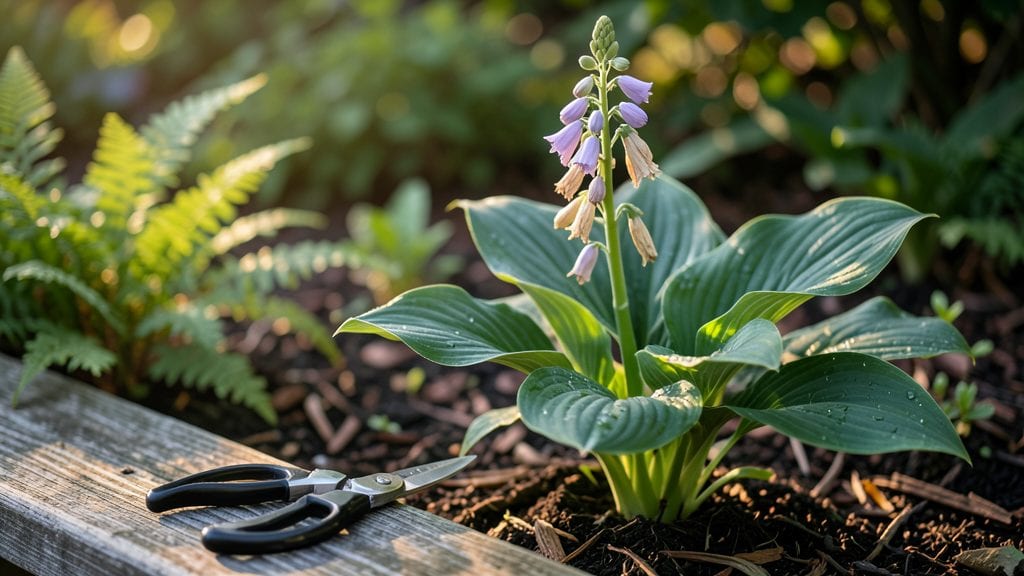
Pruning hosta flowers in late summer—just after blooms fade—is the secret to next year’s boldest foliage. 🌿 I learned this the hard way when I cut too early and lost my hostas’ signature lushness.
The timing matters more than you’d think, because hostas store energy in their leaves for winter survival.
Here’s the deal: wait until the flower stalks turn brown and crispy, usually late August to early September in most zones. Grab your pruners or clean shears, and snip the stalks right at the base—no need to fuss over the leaves.
This redirects the plant’s energy back into the roots and foliage, setting you up for a showstopping display next spring.
What you’ll notice by next season is thicker, deeper green leaves that stand up to pests and heat better. The plants grow more vigorously, too, because they’re not wasting energy on seeds or dead stalks. Just avoid pruning in fall’s first frost—hostas need every bit of strength before winter.
This method works for all hosta varieties, whether you’re growing them in shade gardens, woodland borders, or containers. The key is patience: a little late-summer cleanup now means a fuller, hardier plant by spring. Ready to try it?
📚 In This Guide
- What you need
- Instructions
- Tips and common mistakes
- Wrapping up and next steps
What you need
- ● Pruning shears or bypass pruners: Choose a pair with sharp, sterilized blades (4–6 inches long) for clean cuts. Tip: Avoid anvil pruners—they can crush stems!
- ● Gloves: A pair of gardening gloves (nitrile-coated for grip and protection) to shield your hands from sap and sharp edges.
- ● Disinfectant (70% isopropyl alcohol or bleach solution): Clean your tools before and after pruning to prevent disease spread. Mix 1 part bleach to 9 parts water for a quick wipe-down.
- ● Trash bag or bucket: A small container to collect spent flower stalks and debris. Pro tip: Use a compostable bag if you plan to compost!
- ○ Water spray bottle (optional but handy): A light mist can help keep dust down and make cleanup easier.
- ● Hand pruners or small scissors: For delicate hostas with thin stems (e.g., Hosta ‘Blue Angel’).
- ● Knee pad or stool: If your hostas are ground-level or you have back sensitivity.
- ● Garden twine or rubber bands: To bundle and label pruned stalks for composting or disposal.
- ● Sunscreen and hat: If you’re pruning on a bright, sunny day—hosta gardens can get toasty!
Instructions for pruning hosta flowers at the right time
Here's the timing and technique I rely on to keep hostas thriving for years.
⏰ Step 1: Wait Until Flowers Fade Completely
Don't prune hosta flowers until they've fully browned and died back naturally. This usually happens in late summer, around mid-to-late August in most climates. The key is to wait until all color has faded and the flower stalks look crispy and dry—not just wilting.
I know it's tempting to cut them back early, especially if the flowers look messy, but pruning too soon removes energy that could be stored in the leaves for next year's growth. The leaves are working hard to feed the plant even after flowering ends, so let them do their job.
✂️ Step 2: Cut Back to the Ground Level
Once the flowers are completely dead, use sharp clean pruners to snip the flower stalks at the base. You want to cut them off right where they meet the foliage, leaving no stubs. This prevents disease from lingering in old plant material and keeps your hostas looking tidy.
I always sterilize my pruners with rubbing alcohol between cuts—this is especially important if you're pruning multiple hosta varieties to avoid cross-contamination. The goal is to make clean cuts that heal quickly and don't invite pests or disease.
🌿 Step 3: Assess the Foliage for Health
After removing the dead flower stalks, take a moment to inspect the leaves. Healthy hosta foliage should still look vibrant, with no significant browning or holes from pests. If you notice any damaged or yellowing leaves, remove them individually using the same clean pruners, cutting back to healthy tissue.
This is also a great time to check for signs of slug damage or fungal issues. If you see any problems, address them now before winter sets in. Healthy foliage now means stronger roots and better regrowth in spring.
🌱 Step 4: Plan for Next Year’s Growth
Pruning hosta flowers isn't just about cleaning up—it's about setting the stage for next year. After you've finished cutting back, give the area a light mulch (about 1-2 inches) to protect the crown over winter. I use shredded bark or straw because it breaks down slowly and adds organic matter to the soil.
Here's the thing—hostas store energy in their roots and leaves, so the more foliage you preserve until it naturally dies back, the bigger and healthier your plants will be next season. This late-summer prune ensures you're not robbing them of the nutrients they need to thrive.
Tips & tricks for perfect hosta flower pruning
A few simple tricks will help you prune hosta flowers like a pro and set your plants up for their best year yet.
Timing is Everything: The mid-to-late August window is critical because this is when hostas are actively storing energy in their leaves for next year's growth. If you prune too early, you're cutting off that vital energy transfer. I've seen hostas recover beautifully when pruned correctly, but they never quite reached their potential when pruned too soon. Wait until those flower stalks look completely crispy and brown—no green should remain.
Tool Prep Makes All the Difference: Sterilizing your pruners between cuts is non-negotiable, especially if you're working with multiple hosta varieties. I keep a small bottle of rubbing alcohol handy and wipe down my pruners after every 3-4 cuts. This prevents cross-contamination that could spread disease between plants. Sharp pruners also make cleaner cuts that heal faster, so invest in a good pair if yours are dull.
The Mulch Matters More Than You Think: That 1-2 inch layer of mulch after pruning isn't just for looks—it's insulation for your hosta crowns during winter. I prefer shredded bark because it breaks down slowly and adds organic matter to the soil. Apply it gently so you don't smother the crown itself. This simple step can mean the difference between a hosta that thrives and one that struggles next spring.
Visual Cues for Perfect Pruning: When assessing foliage health in Step 3, look for vibrant green leaves with no yellowing or holes. Healthy leaves should feel firm and crisp. If you see any damage, cut back to the nearest healthy tissue using the same clean pruners. Think of it like giving your hostas a fresh start—removing damaged leaves helps the plant focus its energy on new growth rather than repairing old damage.
Pro Tips for When To Prune Hosta Flowers
- A few simple tricks will help you prune hosta flowers like a pro and set your plants up for their best year yet.
- Timing is Everything: The mid-to-late August window is critical because this is when hostas are actively storing energy in their leaves for next year's growth.
- Tool Prep Makes All the Difference: Sterilizing your pruners between cuts is non-negotiable, especially if you're working with multiple hosta varieties.
Frequently asked questions
Got questions about pruning hosta flowers?
You’re not alone! Here are the most common concerns—and the answers you need to keep your hostas thriving.
When is the best time to prune hosta flowers after they fade?
Prune hosta flowers immediately after they finish blooming in late summer (August–September). This redirects energy to the foliage, ensuring lush, healthy leaves next season. Pro tip: Deadhead spent blooms first to tidy up, then trim the flower stalk to the ground—just leave the leaves alone!
What if I prune too early or too late?
Pruning too early (before flowers fade) stresses the plant, while pruning too late (fall or winter) can leave it vulnerable to frost damage. Aim for August–early September in most climates. Exception: If your hostas bloom in early summer, wait until all flowers are fully spent before trimming.
Do I need to prune hosta flowers at all?
Not strictly necessary, but pruning boosts foliage health by preventing seed production (which drains energy). If you love the flowers, you can skip it—but expect slightly smaller leaves. Bonus: Pruned hostas often rebloom more vigorously the following year!
What if my hosta leaves turn yellow after pruning?
Yellowing leaves post-pruning usually means the plant is stressed from over-trimming or poor timing. Focus on watering deeply and avoiding fertilizer until spring. If leaves yellow after the stalk is fully removed, it’s likely natural senescence—no cause for alarm!
Can I prune hosta flowers in fall for winter prep?
Fall pruning is not recommended—it removes protective foliage just before winter. Instead, wait until spring to clean up any remaining debris. Exception: If a stalk is completely dead (brown and crispy), you can snip it in late fall, but leave healthy leaves intact.
Still unsure? Snap a photo of your hostas and ask in gardening forums—most pruning issues are climate- or variety-specific!
Wrapping up and next steps
Pruning hosta flowers in late summer is your secret weapon for vibrant foliage and healthier plants next season! 🌿 By removing spent blooms, you redirect energy to leaf growth, keeping your garden lush and pest-resistant.
Whether you’re a newbie or a seasoned gardener, this simple task takes just minutes—so grab those shears and give your hostas the care they deserve.
Ready to level up your garden game? Start by marking your calendar for late August to early September and make pruning a quick, rewarding habit. Your hostas will thank you with stunning foliage all year long! 🌟