
Flowers
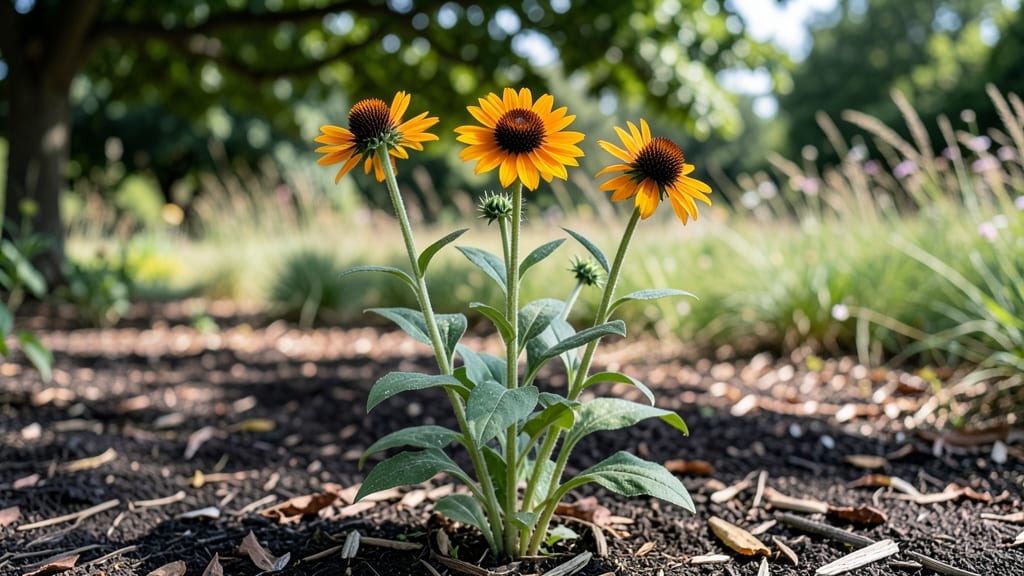
Growing cone flowers in the Pacific Northwest means welcoming hummingbirds year after year—even through frost. 🌸 These hardy perennials thrive where others struggle, turning your garden into a vibrant, low-maintenance haven that keeps coming back stronger every season.
The secret lies in their adaptability: they handle our region’s damp winters and thrive in full sun or partial shade, making them perfect for both sunny borders and woodland edges.
Start with well-draining soil—cone flowers hate soggy roots—and choose varieties like Echinacea purpurea for classic purple blooms or Rudbeckia fulgida for golden-yellow, late-summer color. Plant in early spring or fall, spacing them 18-24 inches apart to give their roots room to establish.
Once settled, they’re surprisingly drought-tolerant, needing water only during dry spells, and their deep roots make them resistant to many pests and diseases that plague other perennials.
By midsummer, you’ll be rewarded with towering stems of daisy-like flowers that hummingbirds can’t resist. The blooms last for weeks, and if you deadhead spent flowers, you’ll encourage a second flush in fall.
Even after frost, their seed heads add winter interest, feeding birds when little else is available. It’s the kind of plant that makes gardening feel effortless—beautiful, functional, and reliable.
Whether you’re filling a sunny meadow or adding height to a shady border, cone flowers deliver four seasons of interest with minimal effort. Their frost-hardy nature means they’ll return year after year, proving that the best gardens often grow from the simplest, most resilient plants.
Ready to make them your go-to perennial?
📚 In This Guide
- What you need
- Instructions
- Tips and common mistakes
- Wrapping up and next steps
What you need
- ● Cone flower seeds or nursery starts: Choose frost-resistant varieties like Echinacea purpurea (purple coneflower) or Rudbeckia fulgida (black-eyed Susan).
- ● Quantity: 10–20 plants (or seeds) for a small garden; scale up for larger spaces.
- ● Well-draining soil: Mix 1 part compost with 2 parts native soil (or potting mix for containers).
- ● Test pH: Aim for 6.0–7.0 (cone flowers thrive in slightly acidic to neutral soil).
- ● Sunlight access: Full sun (6+ hours/day) is ideal, but they tolerate partial shade (4–6 hours) in hot climates.
- ● Watering can or hose with a gentle spray nozzle (cone flowers hate soggy roots!).
- ○ Garden gloves (optional but recommended for handling soil and seeds).
- ● Mulch (2–3 inches of shredded bark or straw) to retain moisture and regulate soil temperature.
- ● Slow-release fertilizer (5-10-5 ratio) for a nutrient boost at planting time.
- ● Container pots (12–18 inches deep) if growing in urban spaces or small yards.
- ● Hummingbird-friendly companion plants: Pair with bee balm, salvia, or lavender for a pollinator paradise!
- ● Plant markers to track varieties (especially useful for seed-grown flowers).
Step-by-step guide to growing Pacific Northwest cone flowers
Here's how to cultivate these hummingbird magnets with minimal fuss—perfect for your region's cool climate.
🌱 Step 1: Select the Right Varieties and Planting Site
Cone flowers (Echinacea) thrive in the Pacific Northwest's mild summers and cool winters. Choose native varieties like 'White Swan' or 'Magnus' for cold-hardiness. Plant in full sun (at least 6 hours daily) with well-draining soil—these plants hate soggy roots. If your soil is heavy clay, amend with 2-3 inches of compost before planting.
I dig a hole twice as wide as the root ball but only as deep as the container's base. This prevents burying the crown, which causes rot. Space plants 18-24 inches apart—they'll spread over time, but too close leads to crowded, leggy stems. Water deeply after planting to settle the soil around roots.
💧 Step 2: Water Deeply and Establish a Consistent Routine
Newly planted cone flowers need 1 inch of water weekly during the first growing season. Water deeply at the base—avoid overhead sprinkling, which spreads fungal spores. Check soil moisture by sticking your finger 2 inches down; if it feels dry, water again. Once established, these plants tolerate drought better than most perennials.
I mulch with 2-3 inches of shredded bark to retain moisture and regulate soil temperature. Keep mulch 2-3 inches away from stems to prevent rot. Cone flowers are tough, but neglecting mulch in summer means you'll water twice as often—trust me, I've learned the hard way.
☀️ Step 3: Fertilize Lightly and Prune for Stronger Growth
Feed in early spring with a balanced 10-10-10 fertilizer (use ½ teaspoon per plant). Cone flowers don’t need heavy feeding—they’re low-maintenance perennials. Over-fertilizing leads to lush foliage but fewer blooms. After flowering, cut back dead stems to 3-4 inches tall in late fall or early spring. This encourages new growth and prevents disease.
Watch for powdery mildew on leaves—this happens in humid Pacific Northwest summers. Improve airflow by thinning crowded stems and avoid overhead watering. If mildew appears, spray leaves with a baking soda solution (1 teaspoon baking soda + 1 quart water + a drop of dish soap) every 7-10 days until it clears.
✂️ Step 4: Deadhead and Divide for Long-Term Health
Remove spent blooms regularly to encourage more flowers. Snip stems just above the first set of healthy leaves with clean pruners. This prevents seed heads from forming and redirects energy into new growth. Cone flowers bloom from mid-summer to fall, so deadheading keeps them flowering longer.
Every 3-4 years, divide clumps in early spring. Dig up the plant, separate the root ball into 3-4 inch sections, and replant. This rejuvenates older plants and prevents flowering decline. I always replant divisions in the same spot—they establish quickly and reward you with bigger blooms the next season.
⏰ Step 5: Prepare for Winter and Encourage Hummingbirds
Cone flowers are frost-resistant, but a thick layer of 4-6 inches of mulch protects roots in harsh winters. Leave dead stems standing until late winter—they provide winter interest and shelter for pollinators. Cut back only when new growth appears in spring.
These flowers are a hummingbird magnet. Leave some seed heads for late-season food, and you'll see them hovering all summer. I've watched ruby-throated hummingbirds sip nectar for hours at a time—it's the best reward for minimal effort. Just avoid pesticides, and you'll have a thriving pollinator haven.
Tips & tricks for perfect cone flower cultivation
A few strategic moves that'll help your Pacific Northwest cone flowers thrive with minimal effort.
Sunlight Secret: While 6 hours of sun is the minimum, I've found that cone flowers actually reward you with more blooms when they get full sun (8+ hours daily). In shadier spots, they'll grow leggy and produce fewer flowers. If your yard has partial shade, choose the sunniest location possible—even an extra couple hours makes a difference.
Soil Prep Strategy: The 2-3 inches of compost recommendation is non-negotiable for clay soils, but don't stop there. Mix in a handful of perlite or coarse sand to improve drainage further. I've seen cone flowers struggle in compacted soil, even with compost—this extra step prevents waterlogged roots that lead to rot.
Watering Wisdom: That 1 inch weekly guideline works for most summers, but Pacific Northwest weather varies wildly. Check soil moisture every 3-4 days during heatwaves—container-grown plants dry out faster. I use a rain gauge to track rainfall and adjust accordingly; native plants actually prefer occasional drought once established.
Mulch Mastery: The 2-3 inches of shredded bark is perfect, but here's what nobody tells you—refresh your mulch annually in early spring. Old mulch breaks down into a mat that blocks water and air from reaching roots. I spread a fresh layer just as new growth appears, and my plants reward me with healthier stems and bigger blooms.
Pro Tips for Growing Cone Flowers
- A few strategic moves that'll help your Pacific Northwest cone flowers thrive with minimal effort.
- Sunlight Secret: While 6 hours of sun is the minimum, I've found that cone flowers actually reward you with more blooms when they get full sun (8+ hours daily).
- Soil Prep Strategy: The 2-3 inches of compost recommendation is non-negotiable for clay soils, but don't stop there.
Frequently asked questions
Got questions about cultivating these stunning blooms? Here are some answers to help you grow thriving cone flowers with ease!
How do I prepare the soil for planting cone flowers?
Cone flowers thrive in well-draining soil with a slightly acidic to neutral pH (6.0–7.0). Mix in 2–3 inches of compost or aged manure into your garden bed before planting. If your soil is heavy clay, amend it with sand or perlite to improve drainage. Pro tip: Avoid soggy soil—they hate "wet feet"!
When is the best time to plant cone flowers?
For the Pacific Northwest’s climate, plant cone flowers in early spring (March–April) or early fall (September–October). This gives roots time to establish before summer heat or winter frost. Container-grown plants can also be planted in late spring, but water them consistently until they’re well-rooted.
Why aren’t my cone flowers attracting hummingbirds?
Hummingbirds love cone flowers, but a few things might deter them: pesticides (use neonicotinoid-free sprays), lack of blooms (deadhead spent flowers for more blooms), or poor placement (plant near feeders or in sunny, sheltered spots). Choose Echinacea purpurea or Echinacea pallida—their bright blooms are hummingbird magnets!
Are cone flowers truly frost-resistant?
Yes! Cone flowers are perennial and handle frost well, but young plants may need winter protection in harsh climates. Mulch around the base with 2–3 inches of straw or shredded leaves after the first frost. Established plants typically bounce back after winter dormancy, often returning with even more vigor!
Can I grow cone flowers in containers?
Choose a 5-gallon pot or larger with drainage holes and use a well-draining potting mix. Dwarf varieties like Echinacea 'White Lustre' work well. Place containers in full sun (6+ hours/day) and water when the top inch of soil feels dry. Pro tip: Fertilize lightly in spring with a balanced, slow-release fertilizer.
Wrapping up and next steps
Growing cone flowers is a rewarding journey that brings vibrant color, wildlife charm, and resilience to your garden—especially in the Pacific Northwest’s frosty climate! 🌸 With the right soil, sunlight, and care, these hardy blooms will thrive year after year, attracting hummingbirds and adding effortless beauty.
Now that you’re armed with tips and answers, take the next step: pick your favorite varieties, grab your gardening tools, and plant them this season. Your future hummingbird haven awaits!