Container Gardens
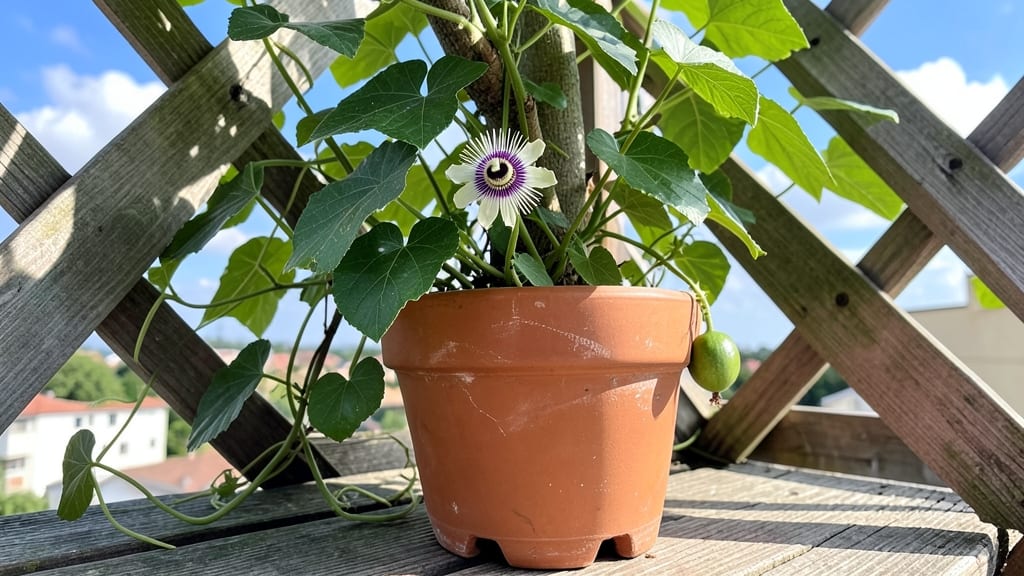
Growing passion flower in pots transforms even a tiny balcony into a jungle of fragrant vines and exotic blooms—no backyard required. 🌿 I’ve watched mine climb trellises and spill over railings, producing those signature passionfruit-shaped flowers that hummingbirds adore.
The key? Matching the vine’s tropical roots to a container setup that mimics its natural climbing habits.
You’ll need a 10- to 15-gallon pot with drainage holes, a well-draining potting mix (think 60% compost, 30% perlite, 10% sand), and a sturdy trellis or obelisk.
Passion vines are heavy drinkers but hate soggy roots—water when the top inch of soil feels dry, and always use a pot with handles for easy moving. Sunlight is non-negotiable: 6+ hours of direct light daily, though afternoon shade in hot climates prevents leaf scorch.
By midsummer, you’ll see those glossy, three-lobed leaves unfurling and the first tendrils reaching for support. Prune aggressively in early spring to encourage bushier growth, and pinch back leggy stems after flowering to keep the plant compact.
The real magic happens when the vines burst into bloom—vibrant purple, red, or white flowers that last weeks, followed by edible (and delicious) passionfruit if you’ve got a male and female plant.
Container growing solves the biggest passion vine problem: space. No more wrestling with sprawling roots or invasive growth—just a self-contained, fragrant, pollinator-friendly centerpiece that thrives on a patio or windowsill.
The only challenge? Keeping up with the growth—these vines grow 10+ feet in a season if given the chance. Here’s how to keep them happy in pots.
📚 In This Guide
- What you need
- Instructions
- Tips and common mistakes
- Wrapping up and next steps
What you need
- ● Passion flower plants: 1-2 young plants (choose varieties like Passiflora caerulea or Passiflora edulis for pots).
- ● Large containers: 1-2 pots (15-20 gallons each) with drainage holes. Terracotta or fabric pots work best.
- ● Well-draining potting mix: 1 bag (50 lbs) of a lightweight blend (e.g., 60% peat moss, 30% perlite, 10% compost).
- ● Slow-release fertilizer: 1 lb of balanced 10-10-10 or organic fertilizer (like worm castings).
- ● Support structure: 1 trellis, cage, or strong stakes (6+ feet tall) for climbing.
- ● Gloves (to protect hands from thorns).
- ● Trowel (for planting and soil adjustments).
- ● Watering can (with a rose nozzle for gentle watering).
- ● Pruning shears (for trimming dead vines).
- ○ pH test kit (optional but helpful—passion flowers prefer 6.0-7.5 pH).
- ● A sunny spot (6+ hours of direct sunlight daily).
- ● Access to water (pots dry out faster than ground soil!).
- ● Patience—passion flowers can take 1-2 years to flower in pots!
Step-by-Step instructions for growing passion flower in pots
Here’s how to coax these exotic vines into thriving pot plants with just a few simple tricks.
🌱 Step 1: Select the Right Container and Soil Mix
Passion vines need room to spread—choose a 12-18 inch diameter pot with drainage holes for each plant. I use terra cotta containers because they wick away excess moisture, which prevents root rot. The soil should be well-draining yet moisture-retentive, so I blend equal parts potting mix, perlite, and compost. This creates air pockets while holding enough water for deep roots.
Fill the pot two-thirds full with your mix, then tap gently to settle it. Leave 2 inches of space at the top—this prevents soil splashing when watering and gives the vine room to anchor. If your pot lacks drainage, add a 2-inch layer of gravel at the bottom first to create a reservoir for excess water.
☀️ Step 2: Plant and Provide Support for Climbing
Dig a hole twice as wide as the root ball but no deeper. Gently remove the vine from its nursery pot and loosen the roots if they’re circling tightly. Place it in the hole so the top of the root ball sits just below soil level—burying too deep suffocates the stem. Backfill with soil, pressing lightly to eliminate air pockets.
Passion vines are vigorous climbers, so install a trellis, obelisk, or sturdy wire frame immediately. I use 3-foot tall bamboo stakes tied with twine for a natural look. The vine will latch onto supports with tendrils, so position it within 6 inches of the structure at planting. Water deeply after planting to settle the soil and encourage root spread.
💧 Step 3: Water and Fertilize for Lush Growth
Passion flowers hate soggy roots but need consistent moisture. Water once a week during the first month, then every 5-7 days once established—always until water drains freely from the bottom. Check soil moisture by sticking your finger 2 inches deep; if it’s dry, water again. Overwatering causes yellow leaves and root rot, while underwatering leads to crispy edges and stunted growth.
Feed with a balanced liquid fertilizer (10-10-10) every 4-6 weeks during spring and summer. I dilute it to half-strength to avoid burning tender new growth. In fall, switch to a low-nitrogen, high-phosphorus formula to encourage flowering. Passion vines are heavy feeders, so don’t skip this step—poor nutrition results in sparse blooms and leggy vines.
✂️ Step 4: Prune and Train for Maximum Blooms
Pruning isn’t just about shaping—it’s about directing energy to flowering. In early spring, trim back one-third of the previous year’s growth to encourage new, vigorous shoots. Cut just above a leaf node (the bump where leaves attach) using clean, sharp pruners. This also removes weak or crossing stems that compete for resources.
As the vine grows, train it along the support by gently weaving new shoots through the trellis. Pinch back the tip of new growth when vines reach 3-4 feet to encourage bushier growth. Deadhead spent flowers by snipping the stem just below the bloom—this redirects energy to new buds. I do this weekly during peak bloom season to keep the vine producing.
🪴 Step 5: Overwinter and Protect for Next Season
Passion vines are tender perennials in most climates, so they need winter care. Once temperatures drop below 40°F, move pots to a sheltered, unheated space like a garage or basement. Reduce watering to once every 2-3 weeks, keeping soil barely moist. If your vine is in a large pot, wrap it in burlap to protect from drafts.
In late winter (around February), prune back half the vine to 6-8 inches tall. This mimics its natural dormancy period and jumpstarts spring growth. Resume watering and fertilizing in early March, and place the pot in bright, indirect light until outdoor temperatures stabilize. Passion vines are fast growers—with proper winter care, they’ll burst into bloom again by early summer.
Tips & tricks for thriving passion flower vines in pots
A few simple strategies will help your passion flower vine grow lush and vibrant in its container.
Container and Soil Selection: If you're using a decorative pot without drainage, create a self-watering system by lining the bottom with a layer of pebbles topped with landscape fabric before adding your soil mix. This prevents root rot while still allowing excess water to drain. For larger pots (18 inches or more), consider adding a slow-release fertilizer granule when you mix your soil—this gives your vine a nutrient boost right from the start.
Support System Strategy: In Step 2, when installing your trellis or stakes, position them slightly off-center to create an asymmetrical growth pattern. This not only looks more natural but also prevents the vine from becoming top-heavy as it grows. For quick climbing, you can also use a spiral wire trellis that wraps around the pot—this guides the vine upward while saving space.
Watering Wisdom: The 5-7 day watering schedule in Step 3 works best when you water thoroughly each time. I like to use the "squeeze test" to check moisture: if the soil feels like a damp sponge when squeezed, wait another day. For container plants, morning watering prevents evening evaporation, keeping roots consistently moist without waterlogging.
Pruning and Training: When pinching back growth at 3-4 feet in Step 4, look for new shoots emerging from the base of the plant—these are your future blooming stems. Save the cuttings from pruning! Place them in water to root, and you'll have new plants to share or replant. This technique also encourages bushier growth, which means more flowers.
Pro Tips for Growing Passion Flower In Pots
- A few simple strategies will help your passion flower vine grow lush and vibrant in its container.
- Container and Soil Selection: If you're using a decorative pot without drainage, create a self-watering system by lining the bottom with a layer of pebbles topped with landscape fabric before adding your soil mix.
- Support System Strategy: In Step 2, when installing your trellis or stakes, position them slightly off-center to create an asymmetrical growth pattern.
Frequently asked questions
Got questions about growing passion flowers in pots?
You’re not alone! Here are some of the most common concerns—and their easy solutions—to help your container garden thrive.
What’s the best pot size for passion flowers?
Passion flowers need room to sprawl, so opt for a 12- to 18-inch diameter pot (or larger for vigorous varieties like Passiflora caerulea). Ensure it has drainage holes—root rot is a real risk in soggy soil. If space is tight, choose compact varieties like Passiflora edulis (passionfruit) and prune regularly.
How fast do passion flowers grow in containers?
With the right care, passion flowers can grow 3–6 feet per year in pots! Expect rapid vine growth during spring and summer, especially with full sun (6+ hours/day) and regular watering. To control size, prune back leggy vines in early spring. Pro tip: Use a trellis or cage to guide growth and save space!
Why are my passion flower leaves turning yellow?
Yellow leaves usually signal overwatering or nutrient deficiency. Check the soil—it should stay lightly moist but not soggy. If roots smell rotten, repot with fresh, well-draining soil. For yellowing between veins, your plant may need more iron or magnesium. A balanced fertilizer (like 10-10-10) applied every 4–6 weeks can help.
Can I grow passion flowers in pots indoors?
Yes, but they thrive best near sunny windows (south or west-facing) or with grow lights. If indoors, keep temps between 50–85°F and increase humidity (mist leaves or use a pebble tray). Warning: Passion flowers are not frost-tolerant—bring pots inside if temps drop below 32°F!
What’s the easiest passion flower variety for beginners?
Start with Passiflora caerulea (blue passionflower) or Passiflora incarnata (maypop). Both are hardy, disease-resistant, and produce stunning blooms with minimal fuss. Avoid Passiflora edulis (passionfruit) for pots unless you’re in a warm climate—it’s more finicky and needs space to fruit.
How do I overwinter passion flowers in pots?
Most passion flowers are tender perennials and need winter care. Move pots to a cool, bright spot (50–60°F) and reduce watering. Trim dead vines and fertilize lightly in early spring. If your variety is frost-sensitive (like Passiflora edulis), bring it indoors or use a frost cloth for outdoor pots.
Wrapping up and next steps
Growing passion flower in pots is a rewarding way to enjoy these stunning vines—even in small spaces! 🌿 With the right container, soil, and a little care, you’ll soon have fragrant blooms and edible fruits thriving on your balcony or patio.
The key is patience, consistency, and letting those vines climb to their full potential.
Ready to take the next step? Start by planting your cutting or seedling this season and watch your passion flower transform your space into a tropical oasis. Happy gardening! 🌸