
Flowers
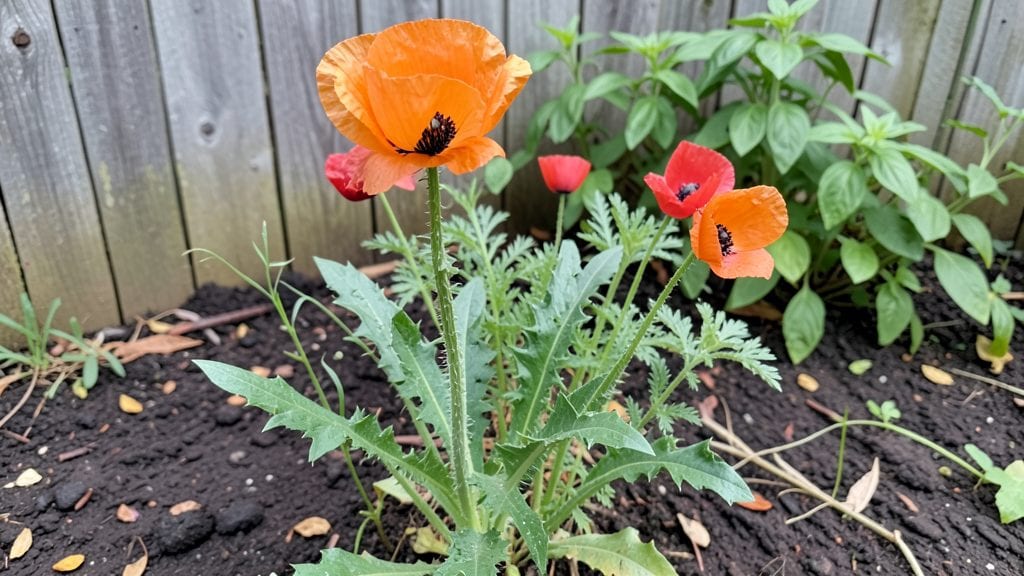
Growing poppy flowers from seed delivers shockingly lush blooms in just 60 days, and the secret lies in their fearless approach to the garden—no fuss, no coddling, just bold color.
I’ve watched California poppies transform a patch of soil into a sunlit meadow by early summer, their delicate petals opening only in full sunlight. The key isn’t complicated: patience with germination, precise planting depth, and letting them grow wild once established.
You’ll need well-draining soil, a sunny spot that gets at least 6 hours of direct light daily, and a light touch with water—poppies hate soggy roots. The seeds are tiny, so a 1/4-inch depth is all they need, and spacing them 6-12 inches apart prevents overcrowding.
Most varieties, like the vibrant orange California poppy or the deep red opium poppy, germinate best when sown directly in late winter or early spring, though they tolerate light frost.
What you’ll end up with is a garden that feels like a wildflower escape—petals that last just one day but appear in waves for weeks, attracting bees and hummingbirds. The trade-off? They’re annuals, so replanting becomes part of the ritual.
Once you master the no-nonsense growing habits of poppies, you’ll never again settle for store-bought bouquets when you can grow these sun-worshipping stars yourself.
Works for urban balconies (use containers) or rural meadows, and thrives in zones 3-10. The only rule? Don’t water them after they bloom—let the soil dry out completely to encourage next year’s seeds. Ready to grow a garden that feels like a sun-drenched secret?
📚 In This Guide
- What you need
- Instructions
- Tips and common mistakes
- Wrapping up and next steps
What you need
- ● Poppy Seeds: 1–2 packets (choose from Papaver rhoeas for common poppies, Papaver somniferum for opium poppies, or Papaver orientale for oriental poppies). Start with 50–100 seeds for a small patch.
- ● Well-draining soil: A mix of 50% garden soil, 30% compost, and 20% perlite or coarse sand (poppies hate soggy roots!).
- ● Garden bed or containers: For in-ground planting: A sunny spot with 6+ hours of sunlight and loose, rocky soil (poppies thrive in poor soil!).
- ● For containers: At least 6-inch-deep pots with drainage holes (use 3–5 seeds per pot for clusters).
- ● Watering can or hose with a gentle spray nozzle: Poppy seeds need light, infrequent watering—avoid oversaturating!
- ○ Garden gloves: Optional but helpful for handling soil and seeds comfortably.
- ● Epsom salt: A pinch (1 tsp per gallon of water) at planting time boosts magnesium for vibrant blooms.
- ● Mulch (straw or gravel): Keeps soil moisture even and deters weeds—skip if using containers.
- ● Plant markers: Label seeds if mixing varieties (poppies grow fast—you’ll forget which is which!).
- ● Pruning shears: For deadheading spent blooms to encourage more flowers.
- ● Dried flower preservative: If you plan to harvest blooms for arrangements.
Step-by-Step guide to growing poppy flowers
Here’s how I’ve grown vibrant poppies in just two months—no fuss, just bold results.
Choose the Right Variety and Location
Poppies thrive in full sun—at least 6 hours daily—so pick a spot with unobstructed southern or western exposure. I always opt for Papaver somniferum (opium poppy) or Papaver rhoeas (corn poppy) for their striking blooms and ease of growth. Avoid heavy clay soil; poppies prefer well-draining, sandy loam. If your soil is dense, amend it with 2-3 inches of compost worked into the top 6 inches of soil.
Poppies are biennials or short-lived perennials, so I plant them in early spring or late summer for fall blooms. The key is timing: seeds need 60-90 days of cool weather to germinate and flower. If you live in a hot climate, plant in late summer to avoid summer heat stress.
Prepare the Soil and Sow Seeds
Poppy seeds are tiny and delicate, so I never bury them deeply. Scatter them ¼ inch below the soil surface—just enough to cover lightly. A light sprinkle of fine sand or vermiculite helps prevent burying them too deep, which can delay germination. Space seeds 6-12 inches apart for single blooms or 18 inches apart for larger varieties like Papaver orientale. I like to sow them directly in the garden rather than starting indoors, as they resent transplanting.
Water gently after sowing to moisten the soil without disturbing the seeds. Poppies need consistent moisture during germination but hate soggy soil. Once sprouted, they’re drought-tolerant, so I water only when the top 1-2 inches of soil feel dry. Avoid overhead watering to prevent fungal diseases like powdery mildew.
Thin Seedlings and Support Growth
When seedlings reach 2-3 inches tall, thin them to the desired spacing to give roots room to grow. I use small scissors to snip unwanted seedlings at soil level—this avoids disturbing the roots of the plants I keep. Poppies develop taproots, so handle them carefully; any damage can stunt growth. If you’re growing tall varieties like Papaver bracteatum, install stakes or cages early to support their 2-3 foot stems before they get top-heavy with blooms.
Poppies are self-sufficient once established, but I add a balanced fertilizer (10-10-10) at half-strength when seedlings are 4-6 inches tall. Over-fertilizing leads to lush foliage but fewer blooms, so I skip heavy feeding. Mulch lightly with straw or shredded leaves to retain moisture and suppress weeds, but keep mulch 2 inches away from stems to prevent rot.
Monitor for Pests and Deadhead for More Blooms
Poppies are relatively pest-resistant, but I keep an eye out for aphids, slugs, and snails, which can chew young leaves. If aphids appear, I spray with neem oil or blast them off with a strong stream of water. Slugs are the biggest threat—handpick them at night when they’re most active or set out beer traps (a shallow dish of beer buried at soil level). Poppies also attract ladybugs, which help control pests naturally.
Once blooms fade, deadhead spent flowers by snipping the stem just above the first set of leaves. This encourages more blooms and prevents self-seeding, which can lead to unwanted volunteer plants. If you want to save seeds for next year, leave a few pods on the plant until they dry and split open. Collect seeds before they scatter—poppies can become invasive if left unchecked.
Enjoy and Plan for Next Year
Poppies are at their peak in late spring to early summer, but their papery petals add texture to the garden long after blooms fade. I often let the seed pods dry on the plant for winter interest, then cut them for dried arrangements. If you’re growing Papaver somniferum, harvest seed pods when they turn brown and papery—this variety produces the iconic opium poppy blooms.
For next year, mark your planting spot and repeat the process. Poppies self-seed readily, so you’ll likely see new volunteers popping up in future seasons. If you want to control where they grow, collect seeds in brown paper bags and store them in a cool, dry place until spring. With minimal effort, you’ll have bold, cheerful blooms year after year.
Tips & tricks for perfect poppy flower growth
These expert insights will help you cultivate showstopping poppies with minimal effort and maximum impact—every gardener's secret to success.
Location is Everything: While the instructions emphasize full sun, I've learned that poppies actually thrive in the hottest part of your garden—the area that gets scorched by afternoon rays. This mimics their native Mediterranean habitats. In Step 1, if your yard has limited sun exposure, consider planting poppies near a south-facing wall or fence where they'll get reflected heat. I've seen poppies grow twice as vigorously in these microclimates compared to standard sunny spots.
Seed Sowing Strategy: The delicate nature of poppy seeds means proper sowing technique is critical. In Step 2, after scattering seeds ¼ inch deep, I recommend using a fine-mesh sieve to distribute them evenly without clumping. This ensures proper spacing and prevents overcrowding. For extra insurance, I lightly press the soil with my fingers after sowing—just enough to make contact with the seeds without burying them deeper. This gentle pressure helps maintain consistent soil contact for even germination.
Timing for Cool Weather: The 60-90 day cool weather window mentioned in Step 1 is non-negotiable for successful blooming. To maximize your chances, I recommend checking your local frost dates and planting 8-10 weeks before your first expected frost. This gives you a buffer if germination takes longer than expected. In hot climates, I've found that planting in late August often results in fall blooms that last through early winter, providing extended color when many other flowers have faded.
Pest Prevention Proactive: While the instructions mention common pests, I've discovered that poppies are particularly vulnerable to cutworms during the seedling stage. To prevent these nocturnal pests from severing young stems at soil level, I create a protective barrier by placing a 1-inch wide ring of diatomaceous earth around each seedling after they reach 1 inch tall. This natural remedy creates an impenetrable barrier without harming beneficial insects like ladybugs that the instructions mention attracting.
Pro Tips for Growing Poppy Flowers
- These expert insights will help you cultivate showstopping poppies with minimal effort and maximum impact—every gardener's secret to success.
- Location is Everything: While the instructions emphasize full sun, I've learned that poppies actually thrive in the hottest part of your garden—the area that gets scorched by afternoon rays.
- Seed Sowing Strategy: The delicate nature of poppy seeds means proper sowing technique is critical.
Frequently asked questions
Got questions about growing poppy flowers?
You're not alone! Here are answers to the most common queries to help you cultivate stunning blooms with ease.
How long does it take for poppy flowers to grow from seed?
Poppies are fast growers! Most varieties sprout in 7–14 days and bloom in 60–90 days from seed. For the fastest results, plant seeds directly in the ground—they dislike transplanting. Start indoors 4–6 weeks before your last frost for an early edge.
Do poppies grow back every year?
Most poppies are annuals, meaning they complete their life cycle in one season and won’t return the next year. However, some perennial varieties (like Iceland poppies) may self-seed and regrow if conditions are right. Save seeds from mature pods for next year’s garden!
Are poppy seeds legal to grow?
Yes, ornamental poppy seeds (like Papaver rhoeas) are 100% legal to grow in the U.S. and most countries. Avoid opium poppies (e.g., Papaver somniferum), which are restricted. Stick to garden centers or reputable seed suppliers to stay safe.
Can poppies grow in shade?
Poppies thrive in full sun (6+ hours daily) but can tolerate partial shade (4–6 hours). In shadier spots, expect smaller blooms and leggy stems. If your garden is low-light, choose Iceland poppies—they’re the most shade-tolerant variety.
Why aren’t my poppy seeds germinating?
Poppy seeds need light to germinate—don’t bury them! Sprinkle them lightly on soil (max ¼-inch deep) and keep the surface moist. Common issues include:
- Overwatering: Seeds rot if soggy.
- Cold soil: Wait until 50°F+ (spring or fall).
- Old seeds: Use fresh seeds (1 year old max).
What’s the best poppy variety for beginners?
Start with these low-maintenance picks:
- Corn Poppy (Papaver rhoeas): Classic red, fast-growing, self-seeds.
- California Poppy (Eschscholzia californica): Drought-tolerant, bright orange.
- Iceland Poppy (Papaver nudicaule): Perennial, cold-hardy, pastel colors.
Wrapping up and next steps
Growing poppy flowers is a rewarding journey that brings bold, vibrant blooms to your garden in just 60 days! Whether you’re drawn to their delicate petals or their striking colors, these easy-to-grow beauties are perfect for beginners and seasoned gardeners alike.
With the right soil, sunlight, and care, you’ll soon be enjoying a stunning display of nature’s artistry.
Now that you’re armed with all the tips and tricks, why not start your poppy patch today? Grab your seeds, find a sunny spot, and let nature do the rest—you’ll be amazed at how quickly these cheerful flowers transform your space! 🌸✨