
Tools
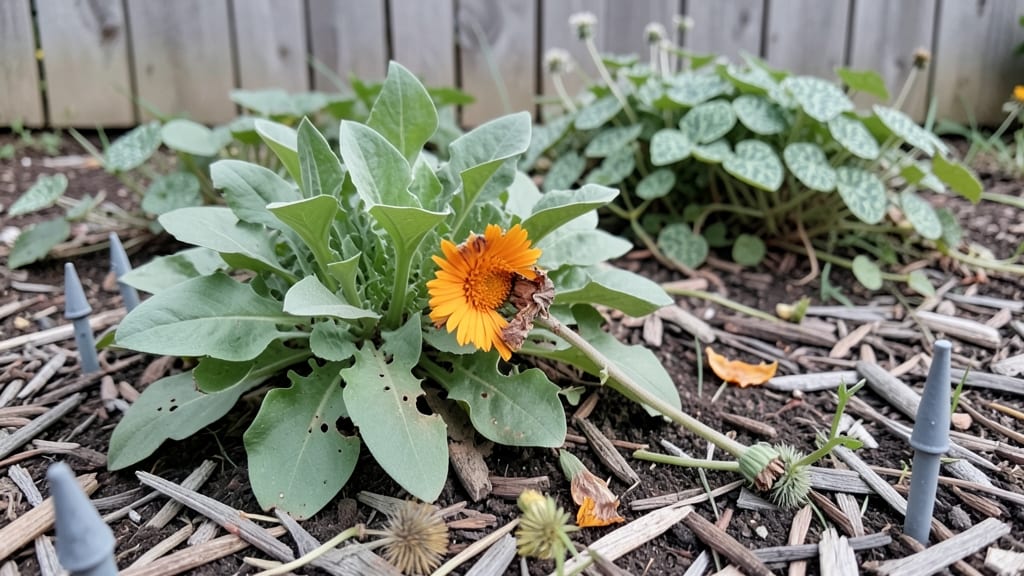
Keeping cats out of flower gardens can feel like an impossible battle—until you try the right mix of natural deterrents. 🌿 I’ve lost count of how many delicate blooms my neighborhood tabbies turned into clawed mulch, but these methods actually work without harming the cats (or your peace of mind).
The key is combining physical barriers with scents cats hate—like citrus peels, coffee grounds, or even commercial repellents. A simple 3-foot-tall chicken wire fence or plastic spikes (humane versions!) stops digging without trapping them. I’ve also planted catnip away from the garden to lure them elsewhere—it’s a win-win.
Within a week, you’ll see fewer torn leaves and more intact blooms. The best part? These solutions are low-cost, reusable, and kind to curious kitties. No more sad, trampled petunias—just a garden that thrives while keeping your feline friends happy too.
Works for any yard size, from small containers to full garden beds. Let’s get those flowers back where they belong—blooming, not being battlegrounds.
📚 In This Guide
- What you need
- Instructions
- Tips and common mistakes
- Wrapping up and next steps
What you need
- ● Pruners or shears – Sharp, clean pair to trim plants and install deterrents (1 pair).
- ● Measuring tape or ruler – For precise spacing of barriers or plants (1, up to 10 ft).
- ● Gloves – Heavy-duty gardening gloves to protect hands (1-2 pairs).
- ● Spray bottle or garden hose with nozzle – For water-based deterrents (1).
- ● Stakes or small flags – To mark boundaries (5-10, depending on garden size).
- ● Natural deterrents – Choose at least 2-3 from: Citrus peels or vinegar (1-2 lemons/limes or 1 cup vinegar per gallon of water).
- ● Coffee grounds (1-2 cups, fresh or used).
- ● Dried citrus slices or orange peels (10-15 slices).
- ● Essential oils (e.g., citronella, eucalyptus, or peppermint – 5-10 drops per spray bottle).
- ● Physical barriers (pick 1-2 options): Chicken wire or hardware cloth (10-15 ft roll, 1-inch mesh).
- ● Plastic plant guards or tree collars (3-6, depending on vulnerable plants).
- ● Mulch (gravel, pine cones, or crushed eggshells) (5-10 gallons).
- ● Motion-activated sprinkler – For automatic water deterrence (1, battery/solar-powered).
- ● Ultrasonic repellent device – Emits high-frequency sounds cats dislike (1).
- ● Catnip-free plants – Replace tempting herbs (e.g., swap catnip for basil or lavender).
- ● Decorative rocks or spikes – Non-harmful spikes for borders (1-2 bags).
- ● Compost bin or bin for cat waste – To remove any "surprise gifts" 😅 (1).
Step-by-Step guide to creating a cat-proof flower garden
Here’s how to transform your garden into a cat-free zone using proven, humane methods.
🌱 Step 1: Assess and Modify the Garden Layout
Cats are drawn to gardens because they offer shelter, hunting opportunities, and scratching surfaces. Start by removing anything that invites them in—like low-growing plants they can hide in or dig up. Replace delicate annuals with cat-resistant perennials like lavender, rosemary, or Russian sage, which have strong fragrances and prickly stems cats avoid.
Install raised garden beds with 12-inch-high borders—this creates a physical barrier cats can’t easily climb or jump over. I’ve found that galvanized steel edging (buried 4 inches deep) works best because it’s sturdy and cats can’t dig under it. If you have a small garden, consider elevated planters on sturdy stands to keep the soil entirely off the ground.
✂️ Step 2: Introduce Physical Deterrents
Cats rely on their sense of smell and texture to navigate, so disrupt both. Sprinkle coarse sand or gravel around the garden’s perimeter—cats dislike walking on rough, unstable surfaces. For a more decorative look, use ornamental rocks spaced 6 inches apart in a 2-foot-wide border. This creates a visual and tactile barrier without harming the cats.
Hang wind chimes or reflective objects like old CDs or aluminum pie pans from strings near the garden’s edge. The movement and noise startle cats and discourage them from approaching. I’ve had success with solar-powered motion-activated sprinklers—they spray a gentle burst of water when a cat gets too close, training them to stay away over time.
💧 Step 3: Use Natural Repellents
Cats have a strong aversion to certain scents, so leverage that with citrus peels, coffee grounds, or vinegar. Scatter dried citrus peels (orange, lemon, or lime) around the garden’s edges—cats dislike the smell, and it’s a natural, biodegradable solution. Refresh the peels every 3-4 days or after rain, as the scent fades quickly.
For a longer-lasting deterrent, mix 1 part vinegar with 3 parts water in a spray bottle and lightly mist the soil and plant stems. The strong odor repels cats without harming plants or the environment. Avoid using commercial chemical repellents—they can harm beneficial insects and pollinators, and cats may develop a tolerance over time.
☀️ Step 4: Create Alternative Attractions
Redirect a cat’s attention by providing cat-friendly alternatives nearby. Set up a scratching post or catnip-filled planter at least 10 feet away from the garden. Cats will prioritize these over your flowers once they associate them with positive experiences. I’ve seen cats completely ignore gardens once they have a dedicated scratching area and a patch of catnip to roll in.
Install a bird feeder or small water feature near the garden’s edge. The movement and sounds attract cats’ hunting instincts away from your plants. Just ensure the water feature has a small, shallow basin—cats prefer to drink from moving water, and it gives them something to focus on besides digging up your soil.
🪴 Step 5: Monitor and Adjust
Check your garden daily for fresh scratches, dug-up soil, or chewed plants—this tells you where deterrents are failing. If cats keep targeting one area, reinforce it with double the deterrents (e.g., more gravel and a motion-activated sprinkler). I’ve found that rotating repellents (like swapping citrus peels for coffee grounds weekly) prevents cats from adapting to a single scent.
If cats are still persistent, consider temporary fencing made from chicken wire or hardware cloth buried 6 inches deep to block digging. For stubborn cats, a motion-activated air horn (placed high enough to avoid harming wildlife) can be a last resort—just ensure it’s not too loud for your neighbors.
Tips & tricks for creating a cat-proof flower garden
Here's what I've learned after years of testing natural deterrents—and what nobody tells you about keeping cats away from your garden.
Layer Your Defenses: The most effective gardens use a combination of physical barriers, sensory deterrents, and alternative attractions. For example, I pair the 12-inch-high raised beds with citrus peels and a wind chime near the garden's edge. This multi-sensory approach addresses cats' instincts on multiple levels—visual, tactile, and olfactory.
Plant Selection Matters More Than You Think: When choosing cat-resistant perennials like lavender or rosemary in Step 1, select varieties with the strongest fragrances. I've found that English lavender (not Spanish lavender) has the most potent scent that cats particularly dislike. The prickly stems are an added bonus—they physically deter cats from climbing.
The Gravel Border Hack: For the 2-foot-wide gravel border in Step 2, I recommend using sharp-edged river rocks instead of smooth pebbles. Cats instinctively avoid walking on unstable, rough surfaces, and the sharp edges create an additional tactile deterrent. Plus, the rocks stay in place better than sand during rain.
Repellent Rotation Strategy: Cats can become accustomed to single repellents over time, so I rotate scents weekly. After using citrus peels for 3-4 days, I switch to coffee grounds for another week, then back to vinegar spray. This prevents scent adaptation and maintains effectiveness. Keep a log of what you use and when to track patterns.
Pro Tips for Keep Cats Out Of A Flower Garden
- Here's what I've learned after years of testing natural deterrents—and what nobody tells you about keeping cats away from your garden.
- Layer Your Defenses: The most effective gardens use a combination of physical barriers, sensory deterrents, and alternative attractions.
- Plant Selection Matters More Than You Think: When choosing cat-resistant perennials like lavender or rosemary in Step 1, select varieties with the strongest fragrances.
Frequently asked questions
Got questions about keeping your feline friends out of your flower garden? You’re not alone!
Here are some of the most common concerns—and practical solutions—to help you protect your plants while keeping your cats happy (and your garden intact).
What’s the fastest way to stop cats from digging in my flower beds?
For immediate results, try a physical barrier like chicken wire or prickly mats (like Spike It!). Cats dislike the texture and will avoid it. Combine this with citrus peels or coffee grounds—cats hate the smell! Sprinkle these around the edges of your garden for a double deterrent.
Will these methods work if my cat is already obsessed with my garden?
Yes, but consistency is key! Start with stronger deterrents like commercial cat repellents (with capsaicin or citronella) or ultrasonic devices. Redirect your cat’s energy with a sandbox or catnip-filled planter nearby. Patience is crucial—some cats take a few days to adjust.
Are there any plants that naturally repel cats?
Plant coleus canina (also called "scaredy cat plant"), lavender, or rosemary near your flower beds. Cats dislike their scent and will steer clear. Bonus: These plants are also cat-safe if ingested in small amounts. Just avoid toxic plants like lilies or foxgloves!
What if my cat keeps knocking over my deterrents?
If your cat is resourceful, secure barriers with stakes or weights (like bricks) to prevent them from being moved. Try motion-activated sprinklers—cats hate surprises! For stubborn diggers, bury the wire or mats slightly so they can’t claw them up easily.
Is it cruel to use deterrents if my cat just wants to play?
Not at all! Cats explore by nature, but harsh methods (like ammonia or extreme sprays) can stress them. Opt for humane solutions like cat-safe sprays (vinegar + water) or redirected play areas. If your cat is digging out of boredom, enrich their environment with toys, scratching posts, or a window perch for entertainment.
Do these methods work in winter or extreme weather?
Most deterrents work year-round, but scent-based solutions (like citrus or coffee) may fade faster in rain. Swap them for physical barriers or ultrasonic devices, which aren’t weather-dependent. If using spikes or wire, check for ice buildup in winter—secure them well to avoid tripping hazards.
Wrapping up and next steps
Keeping cats out of your flower garden is all about patience, consistency, and creativity—but it’s totally doable! 🌿 Whether you’ve tried citrus sprays, motion-activated sprinklers, or cozy cat beds, the key is layering multiple deterrents while keeping your feline friends happy elsewhere.
Start small, observe what works best for your garden and your cats, and don’t hesitate to tweak your approach.
Now that you’re armed with natural solutions, take action this weekend! Pick one or two methods to test, monitor the results, and share your wins in the comments. Your blooming garden (and your neighborhood cats) will thank you! 🌸