
Pests
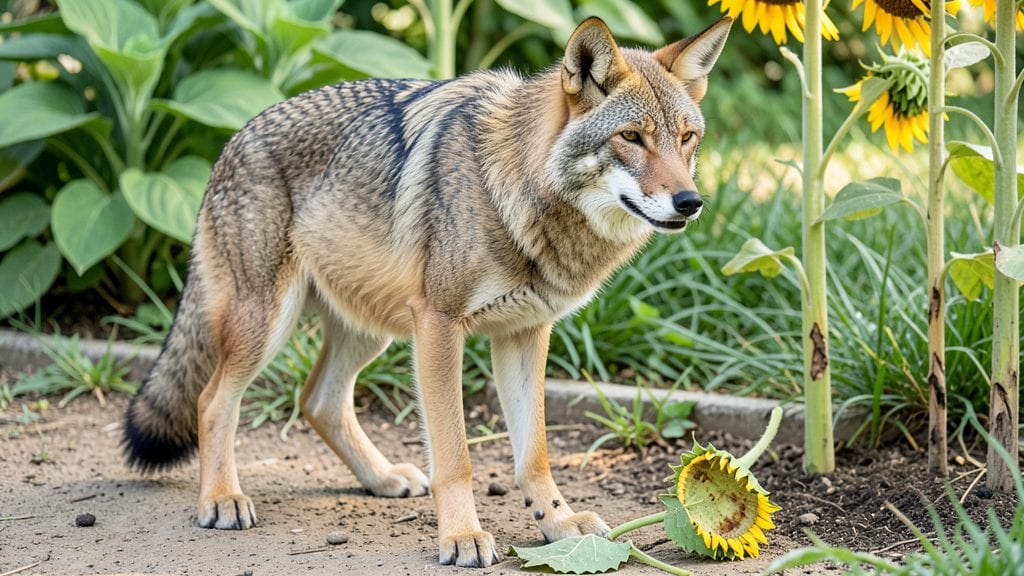
Learning how to keep deer from eating sunflowers is essential—especially when you’ve spent weeks watching those first sprouts push through the soil before they’re devoured. 🌻 I’ve lost count of how many sunflower stalks I’ve planted only to... to wake up to chewed-down stems, but these natural deterrents actually work where commercial sprays fail.
The key is combining physical barriers with scents deer dislike—think of it like a layered defense system. A simple 8-foot-tall fence with applied wire mesh at the top stops them cold, while planting garlic, marigolds, or barberry bushes around your sunflowers sends a strong message.
Even a homemade spray of rotten eggs and cayenne pepper (yes, it smells terrible) keeps them away for weeks.
What you'll end up with are sunflowers that grow tall and unmolested, their petals facing the sky instead of being nibbled down to stubs. The best part? These methods are humane, non-toxic, and budget-friendly—no harsh chemicals or expensive traps.
Once you see those golden blooms standing proud, you'll wonder why you didn't try this sooner.
Works for backyard plots, raised beds, or even container gardens—just scale the barriers to your space. Let's get those sunflowers growing without the deer buffet.
📚 In This Guide
- What you need
- Instructions
- Tips and common mistakes
- Wrapping up and next steps
What you need
- ● Physical Barriers: 1–2 rolls of chicken wire (19-gauge, 4' x 100') or hardware cloth (½" mesh)
- ● Sturdy wooden stakes (2–3 ft long, ½" diameter) or T-posts (quantity: 1 per 3–4 ft of perimeter)
- ● Fencing tape or zip ties (for securing wire to stakes)
- ● Natural Repellents: Garlic (1 head, minced or powdered) or hot pepper flakes (1–2 tbsp)
- ● Predator urine (1–2 oz, fox or coyote—available at garden stores)
- ● Commercial deer repellent spray (e.g., Liquid Fence or Deer Out, 16–32 oz)
- ○ Safety Gear (Optional but Recommended): Gloves (nitrile or rubber, for handling spicy/strong-smelling repellents)
- ● Face mask (if applying powdered repellents)
- ● Motion-activated sprinklers (e.g., ScareCrow) – saves water but deters deer effectively!
- ● Reflective tape or old CDs (hang from fences to create flashing light reflections)
- ● Compost or manure (small pile near plants—deer dislike the smell!)
- ● Dog or cat hair (collected from brushes—deer avoid the scent)
How to protect your sunflowers from deer damage
Deer see sunflowers as an all-you-can-eat buffet—here’s how to outsmart them naturally.
🌱 Step 1: Create Physical Barriers Around Your Plants
Deer are clever but not great at squeezing through tight spaces. Install 8-foot-tall wire fencing (chicken wire or hardware cloth) around your sunflower patch. Bury the bottom 6 inches deep to prevent digging underneath. If fencing isn’t an option, wrap individual stems with tree collars made from cardboard tubes or plastic mesh—deer won’t bother plants they can’t reach.
For a more subtle approach, plant sunflowers near thorny shrubs like roses or barberry. Deer avoid areas where they risk injury, and the visual disruption of prickly plants deters them from lingering. Just be sure the sunflowers get 6+ hours of full sun—don’t let the barrier block their light.
💧 Step 2: Use Natural Repellents That Deer Hate
Deer have an incredible sense of smell, and certain scents make them turn tail. Mix 1 part hot pepper sauce (like cayenne) with 2 parts water, then spray the solution on sunflower leaves and stems. Reapply every 3-5 days after rain. Alternatively, soak cotton balls in predator urine (coyote or wolf) and place them around the perimeter—deer associate these scents with danger.
Another effective trick? Plant strongly scented herbs like lavender, rosemary, or mint near your sunflowers. Deer avoid these plants because their fragrance masks the sunflowers’ appeal. Just keep them at least 2 feet away so the herbs don’t compete for nutrients or shade the sunflowers.
☀️ Step 3: Disrupt Deer Habits With Movement and Noise
Deer are creatures of habit, so scare tactics work best when unpredictable. Hang old CDs, aluminum pie pans, or wind chimes from strings between plants—their movement and noise startle deer away. For a more high-tech approach, install a motion-activated sprinkler (like ScareCrow) that sprays water when deer approach. The sudden burst of water sends them running.
If you notice deer grazing at dawn or dusk, play a radio or use a motion-activated light to mimic human presence. Deer avoid areas they perceive as occupied. Rotate your scare tactics every few days—deer get used to static objects, but random changes keep them guessing.
✂️ Step 4: Protect Young Plants With Temporary Shields
Seedlings are the most vulnerable, so shield them with individual plant guards. Use plastic milk jugs (cut in half and placed upside down) or commercial tree shelters to encase each young sunflower. Remove the shields once plants reach 3 feet tall—by then, they’re tall enough that deer lose interest.
For larger patches, drape floating row covers (lightweight fabric) over seedlings. Secure the edges with bricks or stakes to prevent deer from pushing through. The fabric blocks deer while still allowing sunlight and water to reach the plants. Just remember to remove it during pollination so bees can access the flowers.
🪴 Step 5: Rotate Your Defense Strategy Seasonally
Deer adapt quickly, so combine multiple methods and switch them up. In spring, rely on physical barriers and repellents, but by summer, deer may ignore them. Instead, focus on herb planting and motion-activated deterrents. Keep records of what works—if deer start nibbling again, it’s time to reintroduce a different tactic.
Also, remove any fallen sunflower heads from your garden. Deer are drawn to easy meals, and scattered seeds or damaged plants signal to them that your garden is vulnerable. A clean, well-maintained patch sends the message: "This isn’t worth the trouble." Persistence is key—deer won’t give up without a fight.
Tips & tricks for protecting sunflowers from deer
Deer can decimate a sunflower patch faster than you can say "seed head," but these battle-tested strategies will give your plants a fighting chance.
Barrier Depth Matters: When installing your 8-foot-tall fencing, that 6-inch deep burial isn't just recommended—it's essential. Deer are surprisingly good diggers, and even a shallow trench won't stop determined ones. For extra security, bend the bottom few inches of fence outward slightly to create a physical barrier they can't tunnel under. This is especially important for young plants that haven't yet grown tall enough to be out of reach.
Repellent Rotation Strategy: Deer have an incredible ability to adapt, so don't rely on just one repellent method. After using the hot pepper spray for 3-5 days, switch to predator urine for another week, then introduce strongly scented herbs. This rotating approach keeps deer guessing and prevents them from becoming accustomed to any single scent. I've found that combining two methods at once—like spraying plants with pepper solution while planting lavender nearby—creates a multi-sensory deterrent that's particularly effective.
Scare Tactic Effectiveness: The key to successful scare tactics is unpredictability. If you hang CDs or wind chimes, move them to different locations every few days. Deer learn patterns quickly, and if they realize nothing dangerous happens when they approach, they'll ignore your deterrents. For maximum impact, combine visual and auditory scare tactics—like hanging reflective objects while also using motion-activated sprinklers. The element of surprise is your best weapon against these clever creatures.
Seasonal Adaptation: Your spring strategy won't work in summer, and what deters deer in fall may fail in winter. In warmer months when deer are more active, focus on motion-activated deterrents and herb planting. During cooler seasons when deer are more desperate for food, revert to physical barriers and strong repellents. Pay attention to deer activity patterns in your area—local hunting seasons or food scarcity can dramatically change their behavior and your needed approach.
Pro Tips for Keep Deer From Eating Sunflowers
- Deer can decimate a sunflower patch faster than you can say "seed head," but these battle-tested strategies will give your plants a fighting chance.
- Barrier Depth Matters: When installing your 8-foot-tall fencing, that 6-inch deep burial isn't just recommended—it's essential.
- Repellent Rotation Strategy: Deer have an incredible ability to adapt, so don't rely on just one repellent method.
Frequently asked questions
about keeping deer away from your sunflowers—because even the best-laid plans need a little troubleshooting! Here are answers to the most common concerns.What’s the best time of year to start protecting my sunflowers from deer?
Start before planting! Deer are opportunistic, so apply repellents or barriers as soon as seedlings emerge (or even when you sow seeds). Early spring and late summer are peak times for deer activity—stay proactive to avoid damage.
Will commercial deer repellents work, or should I stick to homemade remedies?
Both can work! Commercial sprays (like Liquid Fence) are convenient and often last longer, while homemade mixes (vinegar + hot pepper) are budget-friendly. Test small areas first—some deer may adapt to scents over time, so rotate methods.
Are there any plants that naturally repel deer I can grow near my sunflowers?
Deer tend to avoid garlic, marigolds, lavender, or rosemary. Plant these as borders or intersperse them among sunflowers. Bonus: They’ll add fragrance and pollinator appeal to your garden!
My deer keep coming back—what should I do if repellents stop working?
Rotate repellents every 2–3 weeks to prevent scent fatigue. Try physical barriers (like fencing or netting) or motion-activated sprinklers for stubborn deer. Also, remove any nearby food sources (like fallen fruit or pet food) to reduce their interest.
Can I use deer-resistant sunflower varieties, or is that a myth?
No variety is 100% deer-proof, but some (like ‘Moulin Rouge’ or ‘Autumn Beauty’) are less palatable due to their height or bitter leaves. Combine varieties with repellents for the best defense!
Wrapping up and next steps
Protecting your sunflowers from hungry deer doesn’t have to be a losing battle! With the right mix of natural repellents, strategic planting, and a little persistence, you can save your garden while keeping those four-legged visitors at bay. 🌻🦌
Start small—try one or two methods this season, observe what works best, and build from there. Whether it’s hot pepper spray, fencing, or plant companions, your sunflowers will thank you with vibrant blooms all season long. Happy gardening!