
How To
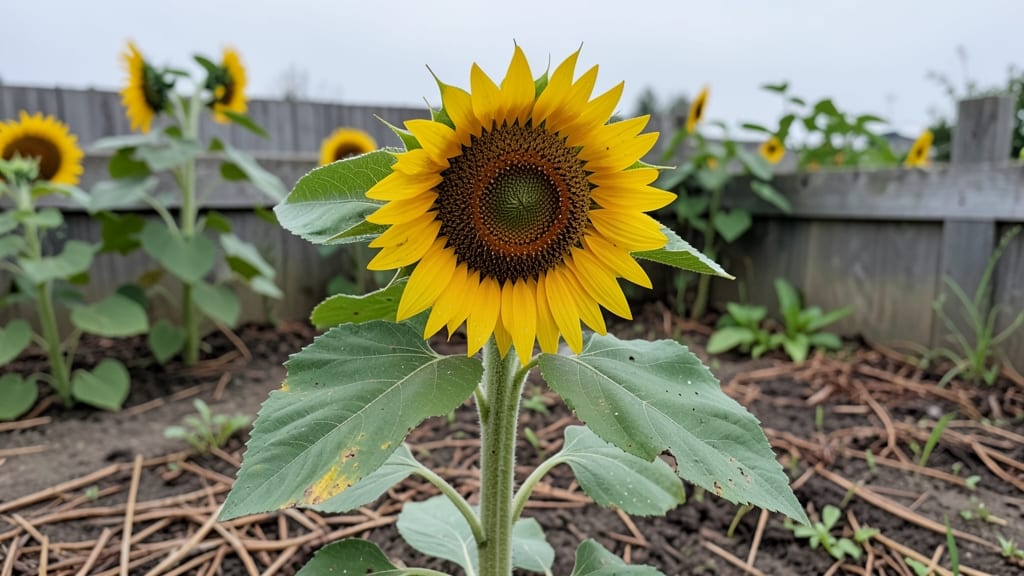
Growing sunflowers from seed is one of those gardening triumphs that makes you feel like a kid again—tall, bright, and impossible to ignore. 🌻 I’ve watched my own sunflowers shoot up from tiny specks in the soil to six-foot giants in just three months, and the process is shockingly simple once you know the right steps.
The secret isn’t fancy equipment or rare seeds; it’s timing, sunlight, and a little patience to let nature do the heavy lifting.
You’ll need a sunny spot with at least 6-8 hours of direct sunlight daily, loose soil that drains well, and seeds that are fresh (or saved from last year’s blooms). The best part?
Sunflowers thrive even in poor soil, making them perfect for beginners or neglected corners of the garden. Plant your seeds ½ inch deep after the last frost, and within 7-10 days, you’ll see those first green shoots breaking through the earth.
By midsummer, you’ll be rewarded with towering stalks that sway in the breeze, their faces tracking the sun like tiny solar panels. The blooms aren’t just beautiful—they’re edible, attracting pollinators, and even the leaves make great compost.
Plus, sunflowers grow fast, so you’ll see results before you know it, and the kids (or your inner child) will love watching them grow.
Whether you’re growing them for cut flowers, birdseed, or just the joy of watching them rise, sunflowers are one of the most foolproof plants you can grow. Here’s how to make sure yours reach their full potential—no green thumb required.
📚 In This Guide
- What you need
- Instructions
- Tips and common mistakes
- Wrapping up and next steps
What you need
- ● Sunflower seeds: Choose from varieties like Mammoth (giant blooms) or Teddy Bear (compact, child-friendly). Buy 1–2 packets (50–100 seeds) for a small garden or 5+ packets for a full sunflower field!
- ● Well-draining potting soil or garden soil: A 5-gallon bag for pots or 1 cubic yard for in-ground planting. Mix in compost (1 part compost to 3 parts soil) for extra nutrients.
- ○ Containers (optional for pots): 5–10-inch diameter pots with drainage holes (1 per seedling) or a raised garden bed (at least 12" deep).
- ● Watering can or hose: With a gentle spray nozzle for seedlings.
- ○ Fertilizer (optional but helpful): Balanced fertilizer (10-10-10) or compost tea for young plants.
- ● Phosphorus-rich fertilizer (5-10-10) when blooms appear to encourage flowering.
- ● Stakes or trellis (for tall varieties): 6–8 ft bamboo stakes or soft plant ties to support heavy heads.
- ● Pruning shears: For trimming dead leaves or harvesting.
- ● Seed-starting kit: For indoor germination (includes heat mats and grow lights).
- ● Mulch: Straw or wood chips to retain moisture and suppress weeds.
- ● Bird netting: To protect seeds from hungry birds if planting outdoors.
- ● Garden gloves: For comfortable handling (especially if soil is rocky!).
- ● Sunflower companion plants: Marigolds or basil to deter pests.
Step-by-step instructions for growing sunflowers from seed
Sunflowers are one of the easiest plants to grow—just follow these simple steps for dramatic, cheerful results.
🌱 Step 1: Choose Your Sunflower Variety and Planting Time
Sunflowers thrive in full sun and warm soil, so wait until after your last frost date when nighttime temperatures stay above 50°F. Giant varieties like 'Mammoth' need more space, while dwarf types like 'Teddy Bear' work well in containers. I always plant mine in late spring when the soil is warm enough to touch—if it feels cool, wait a few more weeks.
Pick a spot with at least 6 hours of direct sunlight daily. Sunflowers grow toward the sun, so a southern exposure is ideal. If you're in a cooler climate, opt for early-maturing varieties that bloom in 60-70 days rather than waiting for heat-loving giants.
🌱 Step 2: Prepare the Soil and Plant the Seeds
Sunflowers don't need rich soil but do best in loose, well-draining dirt. Work in a handful of compost or aged manure to give them a nutrient boost. Dig a hole about 1 inch deep—that's all the burial these large seeds need. I like to plant seeds in clusters of 3-4 for a fuller look, spacing them 12-18 inches apart.
Drop 2-3 seeds per hole and cover lightly with soil. Press gently to ensure good seed-to-soil contact. Water deeply right after planting to settle the soil and encourage germination. You'll see sprouts in 7-14 days, depending on warmth—look for the first tiny leaves pushing through the dirt.
☀️ Step 3: Provide Consistent Water and Sun
Once seedlings emerge, water at the base 1-2 inches deep every 2-3 days, letting the top inch of soil dry between waterings. Avoid overhead watering to prevent fungal diseases like powdery mildew. Sunflowers are drought-tolerant once established, but consistent moisture during their first month keeps stems strong.
Watch for leggy growth—a sign they're stretching for light. If stems grow too tall and thin, move them to a sunnier spot or use a small stake for support. You'll notice the first true leaves (the second set after the initial seed leaves) appear in about 2 weeks—this is when they start their rapid growth phase.
✂️ Step 4: Thin and Support for Maximum Height
When seedlings reach 6 inches tall, thin to the strongest plant per cluster by snipping the weaker stems at the base. This prevents competition and gives your sunflowers room to grow. I always keep the tallest, straightest stem—it’ll produce the biggest bloom. For varieties over 5 feet tall, insert a 6-foot stake beside the plant when it reaches 12 inches and tie it loosely with soft plant ties.
Sunflowers are self-supporting but may need help in windy areas. If you notice the stem bending, adjust the ties gently—never pull tight, as this can damage the stalk. By 4-6 weeks after planting, you should see the bud forming at the top, signaling the flower is just weeks away from blooming.
🌻 Step 5: Enjoy the Blooms and Harvest Seeds
Sunflowers typically bloom 8-12 weeks after planting, depending on the variety. The flower will open fully in the morning, facing east to catch the sun. Cut stems at a 45-degree angle for bouquets, or leave them in the garden to attract pollinators like bees and butterflies. I always leave at least one sunflower to go to seed—it’s a great snack for birds in winter!
When the petals drop and the back turns brown, the seed head is ready to harvest. Cut the head and hang it upside down in a dry, dark place for 2-3 weeks to dry. Once the seeds rattle inside, rub them free and store in a cool, dry place for next year’s planting. You’ll have a head start on next season’s sunflowers!
Tips & tricks for perfect sunflower growth
A few simple tricks will help you grow sunflowers that reach their full potential—taller, stronger, and more vibrant than you might expect.
Location is Everything: The 6 hours of direct sunlight requirement is non-negotiable, but I've found that a southern exposure with morning sun actually produces slightly taller stems. If your garden gets afternoon shade, choose early-maturing varieties that bloom in 60-70 days—they'll still thrive with just those morning rays.
Soil Secrets for Strong Starts: While sunflowers don't need rich soil, I always add a handful of compost to the planting hole—it gives those large seeds the perfect nutrient boost. For container growing, mix in some perlite to ensure excellent drainage, which prevents those dreaded rot issues that can kill seedlings before they sprout.
Planting Precision Pays Off: Those 12-18 inch spacings between clusters might seem generous, but trust me—crowded sunflowers compete for sunlight and nutrients, resulting in weaker stems and smaller blooms. For giant varieties, I actually space mine 24 inches apart to give their massive roots room to spread.
Watering Wisdom: The 1-2 inch deep watering every 2-3 days should be done at the base, never overhead. I've seen powdery mildew ruin beautiful sunflowers when water splashes onto leaves. A soaker hose or drip irrigation system makes this easy—just set it up once and forget about it!
Pro Tips for Make A Sunflower
- A few simple tricks will help you grow sunflowers that reach their full potential—taller, stronger, and more vibrant than you might expect.
- Location is Everything: The 6 hours of direct sunlight requirement is non-negotiable, but I've found that a southern exposure with morning sun actually produces slightly taller stems.
- Soil Secrets for Strong Starts: While sunflowers don't need rich soil, I always add a handful of compost to the planting hole—it gives those large seeds the perfect nutrient boost.
Frequently asked questions
Got questions about growing sunflowers? You’re not alone! Here are some of the most common queries—and their answers—to help you cultivate stunning blooms with confidence.
How long does it take for sunflower seeds to sprout?
Sunflower seeds typically sprout within 7–14 days after planting, depending on soil temperature and moisture. Keep the soil consistently moist (but not soggy) and place seeds in a warm spot (around 70°F) to speed up germination. Patience is key—some varieties may take a little longer!
Can I grow sunflowers in pots or containers?
Sunflowers thrive in containers if you choose dwarf varieties (like ‘Teddy Bear’ or ‘Moulin Rouge’) and provide at least 5–10 gallons of space per plant. Use well-draining soil, place pots in full sun, and ensure sturdy support if the stems grow tall. Just avoid overcrowding—sunflowers need room to shine!
Why aren’t my sunflower seeds sprouting?
If your seeds aren’t sprouting, check these common culprits:
- Cold soil: Sunflowers need warmth (60°F+) to germinate. Try starting indoors or using a seedling heat mat.
- Too deep: Plant seeds only 1 inch deep—burying them deeper can suffocate them.
- Dry soil: Keep the soil moist (not waterlogged) until sprouts appear.
- Old seeds: Use seeds from the current year for best results.
Do sunflowers need pollinators to produce seeds?
Yes! Sunflowers rely on bees, butterflies, and other pollinators to transfer pollen between flowers. To encourage pollinators, plant sunflowers near other nectar-rich flowers (like marigolds or zinnias) and avoid pesticides. If you’re growing sunflowers for seeds, hand-pollination (gently shaking stems on windy days) can help too!
How do I know when sunflowers are ready to harvest?
Sunflower seeds are ready for harvest when the back of the flower head turns yellow and the petals droop or fall off. The seed heads should feel dry and papery to the touch. Cut the stem, hang the heads upside down in a dry, dark place for 1–2 weeks, then rub the seeds free. Store them in a cool, dry spot for up to a year!
Wrapping up and next steps
You’ve now got all the tools to grow vibrant, sun-soaked sunflowers right from your own backyard—or even a cozy windowsill! 🌻 Whether you’re a seasoned gardener or a curious beginner, these towering beauties are rewarding to nurture and a joy to watch bloom.
With patience, the right care, and a little sunshine, you’ll soon be harvesting seeds or admiring their cheerful faces.
Ready to take the next step? Experiment with different varieties, try growing sunflowers in containers, or even share your harvest with neighbors. Every stalk you grow is a step closer to a brighter, greener world—one petal at a time! 🌱