
Flowers
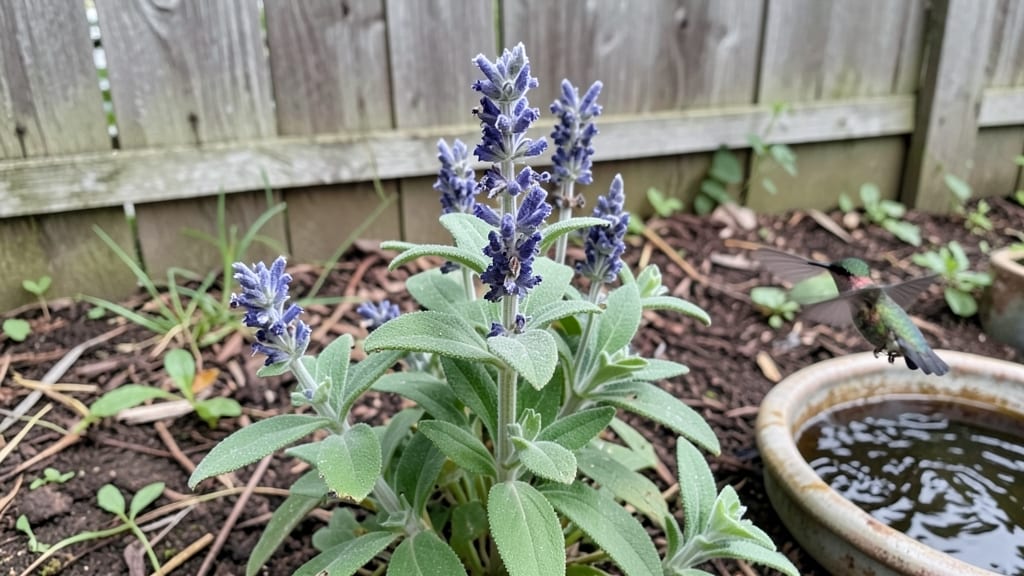
Mastering hummingbird flower attraction in the Pacific Northwest begins with frost-resistant blooms—like bee balm and trumpet vine—that flourish in cool, damp weather. 🌿 I’ve watched these tiny jewels dart between blooms for years, and the secret isn’t just the flowers but how you arrange them for nonstop nectar action.
The key is layering plants so there’s always something in bloom, from early spring to late fall, even when frost lingers.
You’ll need a mix of native perennials and shrubs that hummingbirds adore, like coral bells and red columbine, plus a few annuals for extra color. Plant them in clusters near feeders or water sources, because hummingbirds follow what they see—and what they smell.
A shallow dish with fresh water or a small fountain adds another draw, especially on hot days when nectar sources might dry up.
By summer, your garden will buzz with activity as hummers zip between vibrant blooms, their iridescent feathers catching the light. The payoff isn’t just the show—it’s a thriving ecosystem where pollinators support your other plants too. Just skip the pesticides, and you’ll have a hummingbird hotspot that lasts all season.
Works in containers or full beds, whether you’ve got a sunny patio or a shady corner. The layout adjusts to your space—just keep the nectar flow steady. Ready to turn your yard into a hummingbird highway? Let’s get planting.
📚 In This Guide
- What you need
- Instructions
- Tips and common mistakes
- Wrapping up and next steps
What you need
- ● Native frost-resistant flowers: 2–5 Penstemon plants (e.g., Penstemon spectabilis)
- ● 3–6 Salvia varieties (e.g., Salvia elegans)
- ● 1–2 Fuchsia bushes (e.g., Fuchsia magellanica)
- ● 1 Oregon grape (Mahonia aquifolium) for early blooms
- ● Soil amendments: 1 bag (40 lb) compost or well-rotted manure
- ● 1 lb slow-release fertilizer (10-10-10 ratio)
- ● Watering tools: 1 garden hose with adjustable nozzle
- ○ 5 drip irrigation stakes (optional but helpful)
- ● Basic gardening tools: 1 trowel
- ● 1 pruners (sterilized)
- ● 1 garden fork or shovel
- ○ Optional but helpful: 1 hummingbird feeder (for supplemental nectar)
- ● 1 perennial marker flags (to label plants)
- ● 1 spray bottle (for misting seedlings)
- ● Prerequisites: A sunny to partially shaded spot (6+ hours of sun)
- ● Well-draining acidic to neutral soil (pH 6.0–7.0)
Step-by-Step instructions for creating a hummingbird-friendly garden
Here's how to build a vibrant, pollinator-friendly garden that thrives in the Pacific Northwest's cool climate.
🌱 Step 1: Select Frost-Resistant Flower Varieties
Choose native plants that hummingbirds adore and can handle 30-40°F nights. My top picks include red columbine, Pacific giant hyssop, and sword fern for foliage contrast. These blooms provide nectar from early spring through fall, ensuring food year-round. Avoid non-native species—they often lack the natural sugars hummingbirds prefer.
Look for plants labeled "hummingbird magnet" or "pollinator-friendly." I always check the Xerces Society plant list for PNW-approved varieties. Plant in clusters of 3-5 plants per variety to create visual feeding stations. Hummingbirds navigate by color, so bright reds and purples work best—think salmonberry or Oregon grape.
☀️ Step 2: Position Plants for Sun and Shelter
Hummingbirds need 6+ hours of direct sun for their favorite flowers, but they also seek protection from wind and rain. Place taller plants like red elderberry on the north side of your garden to create a windbreak. In the PNW's damp climate, I always add 3-4 inches of mulch around each plant to keep roots warm and soil moisture stable.
Create tiered planting levels—place taller shrubs in the back, medium-height perennials in the middle, and low-growing ground covers like creeping phlox in front. This mimics natural ecosystems and gives hummingbirds multiple feeding opportunities as they fly through. Avoid planting near reflective surfaces like windows—their quick wings can collide with glass.
💧 Step 3: Water Deeply and Strategically
Water newly planted flowers deeply 2-3 times per week until established, ensuring the soil stays moist but not waterlogged. Hummingbirds prefer plants with abundant blooms, and consistent moisture encourages continuous flowering. I water in the early morning to reduce evaporation and fungal risks from evening dampness.
Add a shallow birdbath with 1-2 inches of water and pebbles for perching. Place it near—but not directly under—your flowering plants. Hummingbirds drink by hovering, so they'll appreciate a nearby water source. Change the water every 2-3 days to prevent mosquito breeding. I place mine on a stable, flat surface to prevent tipping in windy PNW conditions.
✂️ Step 4: Maintain Blooms Through the Season
Deadhead spent flowers regularly to encourage new blooms. I trim back 1/3 of the stem just above a set of leaves when flowers fade. This prevents energy drain from seed production and keeps plants focused on flowering. For perennials like beard tongue, I cut back in early spring to promote fresh growth.
Fertilize lightly in early spring with a balanced, organic fertilizer (10-10-10 ratio). Too much nitrogen creates leafy growth at the expense of flowers, which hummingbirds need. I use compost tea monthly during the growing season to boost natural resistance to PNW's frequent rains and cool temperatures. Avoid chemical fertilizers—they can harm pollinators.
🌿 Step 5: Add Perches and Nesting Support
Install 3-4 small perches (like thin branches or bamboo stakes) near feeding areas. Hummingbirds rest between feeding bouts, and these give them safe spots to observe their surroundings. Place perches 3-5 feet above ground where they're visible but not exposed to predators.
Leave some dense shrubs or tall grasses untrimmed to create natural nesting sites. Female hummingbirds build tiny cup-shaped nests using spider silk, plant down, and lichen. I avoid disturbing these areas—hummingbirds are fiercely protective of their nests. Plant salal or Oregon oxalis for ground cover that provides additional camouflage and protection from predators.
Tips & tricks for creating a hummingbird-friendly garden
Here's what I've learned from years of watching hummingbirds visit my garden—these little details make all the difference.
Plant Selection Secret: In Step 1, when choosing your frost-resistant flowers, prioritize plants with tubular blooms—hummingbirds have long beaks perfect for accessing nectar. The red columbine and Pacific giant hyssop mentioned are excellent choices because their flowers naturally produce more nectar. I've noticed hummingbirds completely ignore flowers with flat surfaces like daisies, no matter how bright they are.
Sunlight Strategy: The 6+ hours of direct sun in Step 2 is non-negotiable for nectar production, but here's the trick: position your sun-loving plants slightly west of center. Hummingbirds are most active in the afternoon, so having their favorite flowers bask in that late-day sunlight gives them the best feeding opportunities. I've seen them completely ignore east-facing flowers that get morning sun but miss the afternoon energy boost.
Watering Wisdom: When you're watering deeply 2-3 times per week in Step 3, focus on the roots rather than just wetting the leaves. I use a soaker hose buried slightly in the soil to deliver water right where the roots need it most. This method also prevents fungal issues from wet foliage while keeping the soil consistently moist—hummingbirds love plants that bloom continuously. The early morning timing is perfect because it gives plants time to dry out before evening dampness sets in.
Deadheading Technique: In Step 4, when deadheading, I always look for the first set of leaves below the faded bloom before making my cut. This little detail encourages new growth from that node rather than just the top. I've seen gardens where people cut too low, and the plant never produces new flowers. For perennials like beard tongue, I actually mark my cutting spots with small flags in late summer so I remember where to trim back in spring.
Pro Tips for Hummingbird Flower Attraction
- Here's what I've learned from years of watching hummingbirds visit my garden—these little details make all the difference.
- Plant Selection Secret: In Step 1, when choosing your frost-resistant flowers, prioritize plants with tubular blooms—hummingbirds have long beaks perfect for accessing nectar.
- Sunlight Strategy: The 6+ hours of direct sun in Step 2 is non-negotiable for nectar production, but here's the trick: position your sun-loving plants slightly west of center.
Frequently asked questions
Got questions about attracting hummingbirds to your frost-resistant flowers in the Pacific Northwest? You’re in the right place! Here are some of the most common queries—and their answers—to help you create a buzzing, blooming paradise.
What are the best flowers for attracting hummingbirds in cold climates?
Opt for frost-resistant varieties like Pacific Coast Iris, Red Columbo, or Salal. These thrive in PNW winters and produce tubular blooms hummingbirds adore. Penstemon and Fuchsia are also excellent choices—their nectar-rich flowers are irresistible!
When is the best time to plant flowers for hummingbird attraction?
Plant perennials in early spring (March–April) or annuals in late spring (May–June) for peak blooms. Hummingbirds arrive in the PNW as early as February, so early-season flowers like Shooting Star or Bleeding Heart give them a head start. Pro tip: Succession planting ensures continuous nectar from spring through fall!
How do I keep hummingbird flowers thriving in rainy PNW weather?
Ensure well-draining soil and mulch heavily to protect roots. Frost cloth can shield tender blooms during late frosts, while elevated planters prevent waterlogging. Avoid overwatering—hummingbirds prefer slightly drier conditions for nectar concentration. Dahlias and Bee Balm are great for their resilience!
What if hummingbirds aren’t visiting my flowers?
First, check for red or tubular flowers—hummingbirds are drawn to these colors/shapes. Add a hummingbird feeder (1:4 sugar-water ratio) near your garden to lure them in. Troubleshoot: Ensure no predators (cats, sparrows) are scaring them off, and trim dead blooms to encourage new growth. Patience pays off—it can take 2–3 weeks for them to discover your oasis!
Are there non-flowering alternatives to attract hummingbirds?
Native shrubs
like Ocean Spray or Salal provide year-round cover and insects for hummingbirds. Suet feeders (protein-rich) and shallow water sources (like a birdbath) are also lifesavers, especially during migration. Bonus: Plant berry-producing vines (e.g., Red Elderberry) for a late-summer snack!
Wrapping up and next steps
Transforming your Pacific Northwest garden into a hummingbird haven is easier—and more rewarding—than you think! 🌸 By choosing the right frost-resistant flowers, like Penstemon or Salvia, and applying a few simple tricks (like bright colors, nectar-rich blooms, and strategic placement), you’ll create a buzzing, vibrant ecosystem that thrives year-round.
The key? Patience and passion—soon, you’ll be sipping tea on your porch while tiny, iridescent wings dart past your windows.
Ready to take the next step? Start small:
- Pick one or two frost-hardy plants to test this season.
- Join a local gardening group for tips tailored to your region.
- Document your progress—you’ll love watching (and sharing!) the results!