Planting
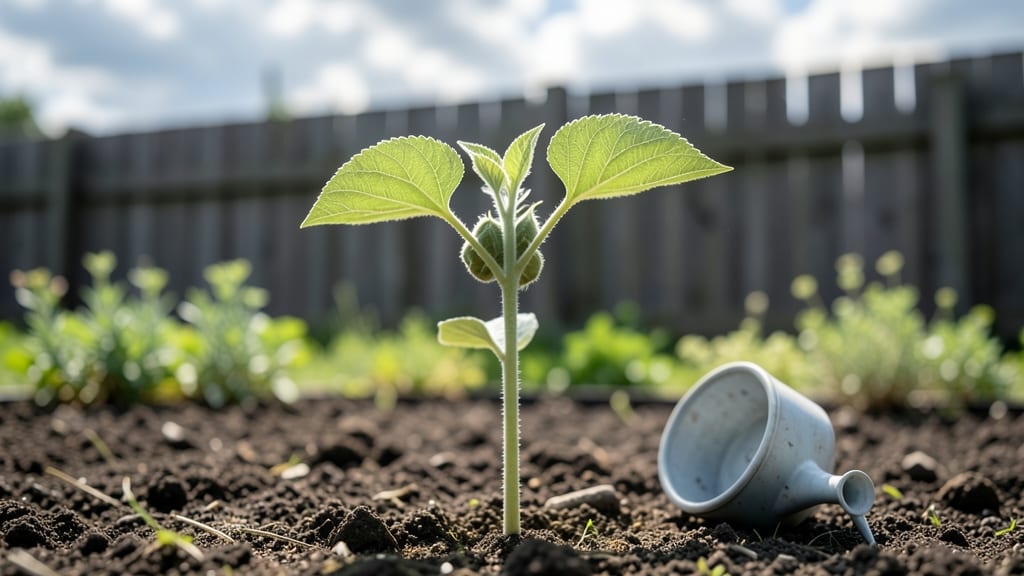
Those first sunflower leaves are your golden ticket to towering stems—catch them right, and you’ll grow plants that reach 10 feet instead of flopping at 3. I’ve watched tiny cotyledons turn into giants by focusing on this exact stage, and the difference is night-and-day compared to seedlings that get neglected.
The key? Recognizing the heart-shaped first true leaves (not the initial round cotyledons) and giving them exactly what they crave: warm soil, bright light, and just enough water to keep roots happy without drowning them.
Here’s the secret: sunflowers at this stage hate soggy feet but wilting faster than a summer afternoon if they dry out. I water mine with a spray bottle—just enough to dampen the soil surface—while keeping them in a spot where they get 6+ hours of direct sun daily.
Too little light? They’ll stretch leggy. Too much shade? They’ll grow weak. And watch for those tiny aphids hiding on the undersides of leaves—they’re sneaky but easy to blast off with a strong water spray if you catch them early.
📚 In This Guide
- What you need
- Instructions
- Tips and common mistakes
- Wrapping up and next steps
What you need
- ● Sunflower seeds: Choose heirloom or hybrid varieties (e.g., ‘Mammoth’ or ‘Autumn Beauty’). Buy 10–20 seeds for a small patch or 50+ for a full garden bed.
- ● Seed-starting mix: A lightweight, sterile potting soil (avoid garden soil—it’s too dense!). A 5–10 lb bag is ideal.
- ● Containers: Biodegradable peat pots or small 3–4 inch pots (6–12 units) for seedlings. Alternatively, use egg cartons (free and eco-friendly!).
- ○ Grow lights or sunny windowsill: Sunflowers need 12–16 hours of light daily. A full-spectrum LED grow light (optional but helpful for indoor starts).
- ● Watering can or spray bottle: A gentle spray keeps seeds moist without overwatering.
- ○ Fertilizer (optional but recommended): A balanced, water-soluble fertilizer (e.g., 10-10-10) for seedlings.
- ● Or compost tea for a natural boost.
- ● Plant labels: Small wooden or plastic tags to track varieties (e.g., 20–50 labels).
- ● Trowel or small shovel: For transplanting seedlings into the garden later.
- ○ Plastic wrap or humidity dome: Keeps moisture in while seeds germinate (optional but highly recommended for indoor starts).
- ○ Thermometer (optional): Sunflower seeds germinate best at 70–85°F (21–29°C).
How to identify and care for sunflower first leaves
Recognizing those first true leaves is the moment your sunflowers shift from delicate sprouts to sturdy plants.
Understand the Difference Between Cotyledons and True Leaves
The first leaves you see after germination are cotyledons—those thick, rounded seed leaves that store energy. They're not true leaves, so don't mistake them for the real growth stage. True leaves appear after about 7-10 days and look completely different: they're narrower, more elongated, and have serrated edges. These are the leaves that will drive photosynthesis and stem strength.
Here's the thing—if you fertilize too early, you'll burn those tender cotyledons. Wait until you see at least two true leaves before introducing any nutrients. I always mark my calendar when I plant seeds so I remember this critical timing. The first true leaves signal it's time to move seedlings into brighter light and adjust watering slightly.
Provide Immediate Support for First True Leaf Development
Once those first true leaves appear, your sunflowers need 12-14 hours of sunlight daily to develop strong stems. Place seedlings within 6 inches of a south-facing window or under grow lights. You'll notice leaves growing upward toward the light source—this is normal, but if they stretch excessively (becoming pale and leggy), your light isn't intense enough.
Water from the bottom using your trays to keep moisture consistent. The soil should feel damp 1 inch below the surface but not soggy. Overwatering at this stage causes root rot, which stunts growth permanently. I use a moisture meter for my seedlings because it's easy to overdo watering when you're excited about those first leaves appearing.
Thin Seedlings to Prevent Competition
If you planted multiple seeds per pot, thin to the strongest seedling once you see 3-4 true leaves. The strongest plant will have the darkest green leaves and most upright growth. Use clean scissors to snip at soil level rather than pulling, which can damage remaining roots. This might seem harsh, but crowded seedlings compete for nutrients and light, leading to weak stems that can't support those massive sunflower heads later.
After thinning, give the remaining seedlings a balanced fertilizer (10-10-10) diluted to half strength. You'll see new growth within a week—that's your signal everything is working. The key here is patience: don't rush the process. Sunflowers grow fast once they get going, but those first few weeks set the foundation for everything that follows.
Introduce Staking or Support Systems Early
When seedlings reach about 6 inches tall and have 5-6 true leaves, it's time to introduce support. Sunflowers need sturdy stems to handle their weight, and starting support early prevents damage later. I use bamboo stakes inserted gently beside each plant, tied loosely with soft twine. The goal is to guide growth without restricting it.
Watch how the plant responds to the stake. If it leans heavily against it, your light source might be uneven. Rotate the pot a quarter turn daily to encourage straight growth. This is also when you can start hardening off seedlings if moving outdoors—just a few hours of outdoor exposure the first day, gradually increasing over 10-14 days.
Monitor for Early Signs of Stress or Pests
First true leaves are your early warning system. Check daily for signs of trouble: yellowing leaves indicate overwatering or nutrient deficiency, while holes in leaves mean pests are present. Sunflowers are relatively pest-resistant, but aphids can appear on tender new growth. If you see them, spray with soapy water immediately—this prevents them from establishing colonies.
Real talk: I've lost seedlings to damping-off fungus at this stage. It looks like the stem wilting suddenly, then collapsing. The solution is simple: ensure good air circulation around seedlings and avoid overhead watering once true leaves appear. If you see this happen, remove the affected plant immediately and treat the soil with a fungicide to prevent spread.
Tips & tricks for perfect sunflower first leaves development
Here's what I've learned from years of nurturing sunflower seedlings—these insights will help you avoid common pitfalls and give your plants the strongest possible start.
Leaf Identification: The key to success begins with correctly identifying true leaves versus cotyledons. True leaves appear after about 7-10 days and have serrated edges, while cotyledons are smooth and rounded. Confession: I once fertilized too early and burned my seedlings because I misidentified the leaves. Always wait until you see at least two true leaves before introducing any nutrients—this prevents chemical burns that can kill young plants.
Light Management: Sunflowers need that 12-14 hours of sunlight daily, but here's the thing: too much direct light too soon can scorch tender leaves. Start with bright, indirect light and gradually increase exposure over 3-4 days. I place my seedlings 6 inches from a south-facing window and rotate them daily to prevent uneven growth. If you notice leaves stretching toward the light source (a condition called etiolation), you need stronger light or longer exposure.
Watering Wisdom: Bottom watering is your best friend during this critical stage. The soil should feel damp 1 inch below the surface but never soggy—overwatering causes root rot that can kill seedlings permanently. I use a moisture meter to check because it's easy to overdo watering when you're excited about those first leaves appearing. Remember, sunflowers are drought-tolerant once established, but seedlings need consistent moisture.
Thinning Technique: When thinning to 3-4 true leaves, here's the pro move: use clean scissors to snip at soil level rather than pulling. Pulling can damage remaining roots and create entry points for pathogens. I always sterilize my scissors with rubbing alcohol between plants to prevent spreading disease. The strongest plant will have the darkest green leaves and most upright growth—this is your signal to keep it and remove the others.
Pro Tips for Sunflower First Leaves
- Here's what I've learned from years of nurturing sunflower seedlings—these insights will help you avoid common pitfalls and give your plants the strongest possible start.
- Leaf Identification: The key to success begins with correctly identifying true leaves versus cotyledons.
- Light Management: Sunflowers need that 12-14 hours of sunlight daily, but here's the thing: too much direct light too soon can scorch tender leaves.
Frequently asked questions
Got questions about those first delicate sunflower leaves? You’re not alone! Here are answers to the most common queries—from timing to troubleshooting—to help you nurture the strongest stems from day one.
Why do sunflower first leaves look different from later ones?
The cotyledons (first leaves) are heart-shaped and non-photosynthetic—they’re all about storing energy until the true leaves (lance-shaped) emerge. Think of them as your sunflower’s tiny energy banks!
How long does it take for true leaves to appear after germination?
True leaves usually show up 7–14 days after germination, depending on warmth and soil conditions. If you’re impatient, check for a second set of leaves—those are your cue!
What if my sunflower’s first leaves turn yellow or wilt?
Yellowing or wilting often signals overwatering or poor drainage. Let the soil dry slightly between waterings, and ensure pots/containers have drainage holes. Too much love can drown those tiny roots!
Can I use sunflower first leaves in cooking or compost?
While not edible (they’re bitter and tough), you can compost them! Tear them into smaller pieces and mix into your compost pile—they’ll break down quickly. Just skip the kitchen scraps for these guys.
What’s the best way to protect first leaves from pests?
Young sunflowers are vulnerable to slugs and aphids. Use organic sprays (like neem oil) or create a beer trap for slugs. A light row cover can also shield them until they’re tougher.
Still stumped? Drop your question below—we’re happy to help your sunflowers grow tall and proud!
Wrapping up and next steps
Your sunflower’s first leaves are the foundation for a vibrant, resilient plant—so every detail matters! 🌱 By mastering the right soil, spacing, and care, you’ve set the stage for a towering, healthy bloom. Now, watch those leaves unfurl with confidence, knowing you’re nurturing a sunflower that’ll reach for the sky.
Ready to take it further? Monitor their progress weekly—adjust watering, support stems as they grow, and soon, you’ll be rewarded with those iconic golden faces! 🌻