
Flowers
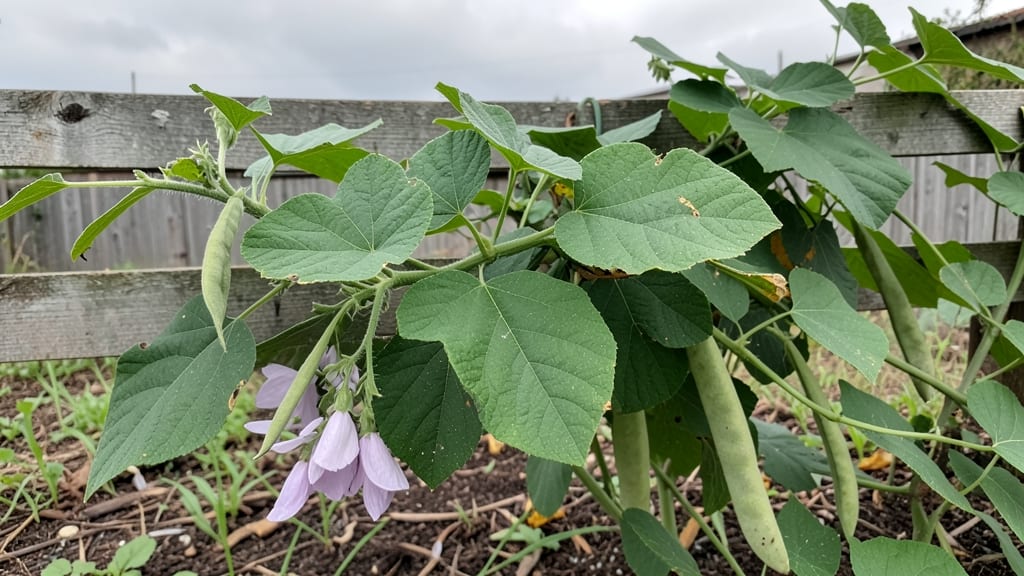
Hyacinth bean vine flowers transform any Pacific Northwest garden into a vertical masterpiece—frost-resistant and thriving where many vines fail. I planted mine last spring near the patio, and by summer, it had climbed a trellis with cascading blooms that smelled like spring in August.
The secret isn’t just its hardiness; it’s how quickly it grows and how little it demands once established.
You’ll need full sun to partial shade, well-draining soil, and a sturdy trellis or fence—6-foot vines aren’t uncommon.
Start seeds indoors 8-10 weeks before your last frost or sow directly after soil warms to 60°F. Space plants 12-18 inches apart to give roots room to spread, and water consistently but avoid soggy soil. A balanced fertilizer in early spring kickstarts growth, but this vine is a lightweight feeder.
When those fragrant, pea-like blooms appear in midsummer, you’ll understand why gardeners love them. Encourage more flowers by deadheading spent blooms and providing support for heavy vines. The pods add a bonus—edible when young, though they’re more about the show than the snack.
With proper care, your vine will keep blooming until frost, then die back only to return stronger next year.
Watch for aphids on new growth and powdery mildew in humid summers—both are easy to manage with neem oil or proper airflow. This vine handles Pacific Northwest’s cool nights and damp springs better than most, making it the foolproof choice for vertical gardens. Ready to grow yours?
📚 In This Guide
- What you need
- Instructions
- Tips and common mistakes
- Wrapping up and next steps
What you need
- ● Hyacinth bean vine seeds (Dolichos lablab): 1–2 packets (50–100 seeds) for a small garden or container.
- ● 3–5 packets for larger trellises or fences (10–15 ft coverage).
- ● Growing medium: Well-draining potting mix (for containers) or loamy garden soil (for in-ground planting).
- ● Compost (1–2 cups per planting hole) for nutrient-rich soil.
- ○ Perlite or vermiculite (optional, for improved drainage in containers).
- ● Containers or planting area: 5–10 gallon pots (with drainage holes) for containers.
- ● Trellis, arbor, or sturdy fence (6–10 ft tall) for vertical growth.
- ● In-ground space (full sun to partial shade, 6+ hours of sunlight daily).
- ● Watering supplies: Watering can or hose with a gentle spray nozzle (to avoid displacing seeds).
- ○ Drip irrigation kit (optional, for consistent moisture).
- ● Fertilizer: Balanced, slow-release fertilizer (10-10-10 ratio) or organic compost tea.
- ● Phosphorus-rich fertilizer (e.g., bone meal) at planting for root development.
- ● Mulch (straw or wood chips) to retain moisture and suppress weeds.
- ● Plant supports (e.g., twine or soft ties) to guide vines early on.
- ● Soil pH tester (ideal pH: 6.0–7.0; adjust with lime or sulfur if needed).
- ● Frost cloth (for young plants in early spring or late fall).
- ● Pruning shears for shaping and maintaining the vine.
Step-by-step guide to growing hyacinth bean vine flowers in the Pacific Northwest
Let’s turn your vertical space into a stunning, frost-tolerant display with this hardy climbing vine.
Choose the Right Location and Support Structure
Hyacinth bean vines thrive in full sun to partial shade, making them perfect for Pacific Northwest gardens where direct sunlight can be limited. Pick a spot that gets at least 6 hours of sunlight daily, even if it’s dappled—these vines are adaptable. A sturdy trellis, fence, or obelisk will support their 10-15 foot climbing habit, so install it before planting. I like to use a 6-foot tall trellis for smaller spaces, which still gives plenty of height for dramatic blooms.
If you’re growing near a wall or fence, ensure the surface is stable—these vines can get heavy once established. Avoid placing the trellis in low-lying areas where cold air pools, as hyacinth beans are frost-tolerant but not cold-hardy in prolonged freezes. A slight elevation or south-facing wall helps protect them from late spring frosts.
Prepare the Soil and Plant Seeds or Transplants
Hyacinth bean vines grow best in well-draining, slightly acidic soil with a pH between 6.0 and 7.0. Amend heavy or clay soil with compost or aged manure to improve drainage and fertility. If your soil is sandy, mix in a bit of peat moss or coconut coir to retain moisture without compacting. I dig in a 2-inch layer of compost into the top 6 inches of soil before planting to give the vines a nutrient boost.
For direct sowing, plant seeds ½ inch deep and 4-6 inches apart in early spring, 2-3 weeks after the last frost date for your area. If you’re using transplants, space them 12-18 inches apart to allow room for their sprawling roots. Water deeply after planting to settle the soil and encourage root growth. Mulch around the base with 2-3 inches of straw or wood chips to retain moisture and suppress weeds.
Provide Consistent Watering and Fertilization
Keep the soil evenly moist but not soggy during the growing season, especially in the first 4-6 weeks after planting. Water at the base of the plant in the morning to allow foliage to dry quickly, reducing the risk of fungal diseases. Once established, hyacinth bean vines are drought-tolerant but will produce more abundant blooms if watered 1-2 times per week during dry spells. You’ll know they need water when the top 1-2 inches of soil feel dry to the touch.
Fertilize lightly with a balanced, slow-release fertilizer (like 10-10-10) at planting time, then again in early summer. Avoid high-nitrogen fertilizers, which encourage leafy growth at the expense of flowers. A handful of compost worked into the soil every 4-6 weeks keeps the vines healthy without overfeeding. Stop fertilizing 6-8 weeks before the first frost to allow the plant to harden off for winter.
Train the Vines and Prune for Healthy Growth
As the vines grow, gently guide them along the trellis or support structure, tying them with soft plant ties or twine every 12-18 inches to prevent wind damage. Hyacinth bean vines twine naturally, so they don’t need aggressive pruning, but you can pinch back the tips of young shoots to encourage bushier growth. This is especially useful if you’re growing in a smaller space and want a fuller, more compact vine.
Deadhead spent flowers to encourage more blooms, but leave some seed pods if you want to collect seeds for next year. Prune back any leggy or overgrown vines in late fall after the first frost, cutting them back to 6-12 inches above the ground. This helps the plant conserve energy and promotes stronger growth in the following season. Avoid heavy pruning in early spring, as new growth emerges quickly once temperatures warm up.
Prepare for Winter and Encourage Repeat Blooms
Hyacinth bean vines are frost-tolerant down to 20°F, but they may die back in harsh winters. In colder Pacific Northwest regions, mulch the base of the plant with 4-6 inches of straw or leaves to insulate the roots. In milder climates, the vines may survive winter with minimal protection. If you live in a zone with hard freezes, cut the vines back to the ground in late fall and mulch heavily to protect the roots.
In the following spring, new shoots will emerge from the base, and with proper care, your hyacinth bean vine will bloom again. To extend the flowering season, prune back faded blooms regularly and fertilize lightly in early summer. These vines are perennial in zones 8-11 but often reseed themselves, making them a low-maintenance addition to your vertical garden. With a little training and care, they’ll climb, bloom, and thrive for years to come.
Tips & tricks for perfect hyacinth bean vine flowers
Transforming your garden into a vertical paradise with these frost-resistant beauties is easier than you think—once you know these game-changing tips.
Location is Everything: In the Pacific Northwest's often cloudy climate, maximize sunlight by positioning your trellis where it gets morning sun and afternoon shade if needed. I've found that south-facing walls capture the most light, especially in early spring when days are shorter. If your space only gets partial sun, don't worry—these vines adapt well and will still produce stunning blooms, though you might see slightly fewer flowers.
Soil Prep Makes All the Difference: Before planting, test your soil's pH—hyacinth beans thrive in that slightly acidic range of 6.0-7.0. If your soil tests higher, work in a bit of peat moss or pine needles to lower the pH naturally. For container growing, mix equal parts potting soil and compost to ensure proper drainage while retaining moisture. I've seen vines struggle in heavy clay soil, so amending with compost is especially critical in the PNW's wetter climates.
Timing Your Planting: Those 2-3 weeks after your last frost date are crucial—plant too early and cold snaps can damage tender seedlings. Check your local frost dates and mark your calendar! For transplants, wait until nighttime temperatures consistently stay above 50°F. I've learned this the hard way after seeing frost-nipped leaves on early plantings. If you're unsure, err on the side of waiting a few extra days for those young plants.
Winter Protection Strategy: The 20°F frost tolerance is impressive, but don't let that fool you into thinking these vines are completely cold-hardy. In colder PNW regions, that 4-6 inches of mulch around the base can make the difference between survival and loss. I've had vines bounce back beautifully after heavy mulching, even when temperatures dipped below 20°F for short periods. For extra protection, consider wrapping the base with burlap in your harshest winters.
Pro Tips for Hyacinth Bean Vine Flowers
- Transforming your garden into a vertical paradise with these frost-resistant beauties is easier than you think—once you know these game-changing tips.
- Location is Everything: In the Pacific Northwest's often cloudy climate, maximize sunlight by positioning your trellis where it gets morning sun and afternoon shade if needed.
- Soil Prep Makes All the Difference: Before planting, test your soil's pH—hyacinth beans thrive in that slightly acidic range of 6.0-7.0.
Frequently asked questions
Got questions about growing hyacinth bean vine flowers in your Pacific Northwest garden? You’re not alone! Here are some of the most common queries—and their answers—to help you cultivate these stunning climbers with confidence.
How cold can hyacinth bean vines tolerate?
The Dolichos lablab (hyacinth bean vine) is surprisingly frost-resistant for a tropical plant! While young seedlings prefer warmth, established vines can handle light frosts down to 25–30°F (-4 to -1°C). In the PNW, mulch heavily in winter and prune back damaged growth in spring. Pro tip: Plant after last frost for best results!
When is the best time to plant hyacinth bean vines in the PNW?
For the Pacific Northwest’s mild but unpredictable climate, aim to plant seeds or transplants after your last frost date (mid-April to early May). If starting indoors, sow seeds 6–8 weeks before the last frost. These vines thrive in warm soil (60°F/15°C+), so avoid early planting—cool, wet soil can cause rot.
Can I grow hyacinth bean vines in containers?
These vines are perfect for containers, trellises, or vertical gardens—just ensure the pot is at least 12–18 inches deep with drainage holes. Use a well-draining potting mix and fertilize lightly every 4–6 weeks. Place containers in full sun to partial shade and water consistently. Bonus: Their trailing habit makes them ideal for balconies or small spaces!
Why aren’t my hyacinth bean flowers blooming?
If your vine is lush but not flowering, check these fixes:
- Light: Ensure it gets 6+ hours of sun daily—partial shade may delay blooms.
- Nutrients: A low-phosphorus fertilizer (like 5-10-10) can encourage flowers.
- Pruning: Trim back leggy growth to redirect energy to blooms.
- Age: Young plants may take 60–90 days to flower.
If the issue persists, your vine might need warmer temperatures—consider moving it to a sunnier spot or using a cloche in early spring.
Are hyacinth bean flowers edible, and how do I use them?
Yes! While the flowers are edible (mild, sweet flavor), they’re best used sparingly in garnishes, salads, or infused oils. The pods and beans are also edible when young and tender—blanch and sauté like green beans. Caution: Always confirm your vine’s variety is non-toxic (some look-alikes aren’t safe). For culinary use, harvest flowers in the morning for peak freshness!
Wrapping up and next steps
Growing hyacinth bean vine flowers in the Pacific Northwest isn’t just possible—it’s a rewarding way to transform your space with vibrant vertical beauty! 🌿 These frost-resistant climbers thrive with minimal effort, offering stunning blooms and lush foliage while supporting your garden’s sustainability.
Whether you’re a seasoned gardener or a beginner, their adaptability makes them the perfect addition to trellises, fences, or even containers.
Ready to unleash your green thumb? Start small—plant a few vines this season, experiment with companion plants, and watch your vertical garden flourish. Next up: Share your progress with fellow gardeners or explore creative ways to incorporate these flowers into your outdoor decor! 🌸