
Flowers
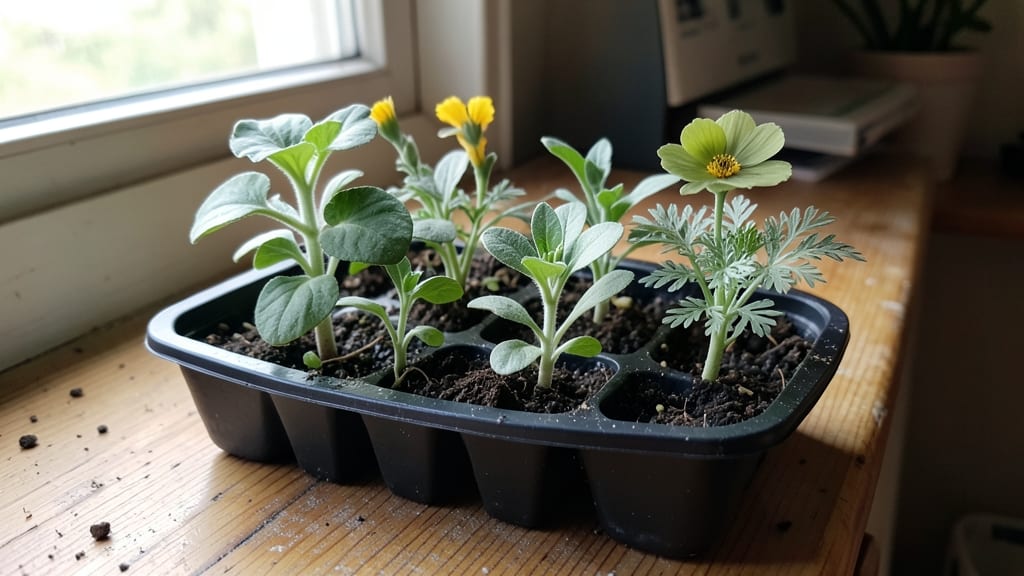
Identifying flower seedlings by leaf shape and color saved my first garden from a disaster of mismatched plants. 🌱 Those tiny sprouts look identical until you learn to spot the subtle differences—a serrated edge here, a fuzzy stem there—that tell you whether you’ve got a delicate petunia or a stubborn zinnia.
The key is focusing on just three things: leaf shape, color, and growth pattern, which I’ll show you how to read like a pro.
You don’t need fancy tools to start—just a magnifying glass, a notebook, and a good light source. I keep a simple chart of common flowers nearby, noting how many leaves appear before the first true leaves (the ones that look like the mature plant) and whether they’re smooth or hairy.
This method works for everything from snapdragons to marigolds, and it’s foolproof once you practice.
By the time you’re done, you’ll spot the difference between a basil seedling and a begonia at a glance. No more pulling out the wrong plants or waiting months to realize you’ve got weeds instead of flowers.
The payoff? A garden that thrives from day one, with exactly the blooms you planted for.
This approach works year-round, whether you’re starting seeds indoors in February or troubleshooting a spring surprise. The only mistake I see beginners make is rushing—take your time, and those seedlings will reveal their secrets. Let’s get started with the first clues to look for.
📚 In This Guide
- What you need
- Instructions
- Tips and common mistakes
- Wrapping up and next steps
What you need
- ● Seedling trays or pots: 5–10 shallow trays (2–4 inches deep) or small pots (2–3 inches in diameter) with drainage holes.
- ● Potting soil: 1–2 bags of high-quality, sterile seed-starting mix (avoid garden soil—it may contain pathogens!).
- ● Seedlings (or seeds): A variety of young flower seedlings (e.g., roses, sunflowers, marigolds) or seeds for comparison.
- ● Magnifying glass: 1–2 (10x magnification recommended for close inspection of leaf details).
- ● Ruler or measuring tape: 1 (for measuring leaf size and spacing).
- ● Field guide or plant ID app: 1 (e.g., PlantSnap, iNaturalist, or a printed guidebook like National Audubon Society Field Guide).
- ● Notebook and pen: 1 each (to record observations like leaf shape, color, and vein patterns).
- ● Grow lights or sunny windowsill: 1–2 LED grow lights (or natural sunlight for 6+ hours/day).
- ● Humidity dome or plastic wrap: 1–2 (to retain moisture while seedlings establish).
- ● Pruning shears: 1 pair (for trimming damaged leaves or stems).
- ● Camera or smartphone: 1 (with a macro lens attachment for high-res photos of leaf details).
- ● Label markers and tags: 10–20 (to track different seedling types).
- ● Spray bottle: 1 (for gentle watering to avoid disturbing seedlings).
How to tell flower seedlings apart using simple leaf clues
No fancy tools needed—just your eyes and these easy visual tricks to ID seedlings fast.
🌱 Step 1: Examine Leaf Shape for Basic Family Traits
Start by counting the number of leaflets—this narrows it down immediately. Single leaves (called "simple") often mean marigolds, zinnias, or sunflowers, while divided leaves with multiple leaflets usually signal cosmos, snapdragons, or sweet peas. Hold the seedling near a window to see details clearly.
Next, check the leaf edges: smooth-edged leaves often belong to annuals like petunias, while serrated or jagged edges suggest perennials like columbines. I always compare to reference photos, but my thumb rule is: "If the leaf looks like a maple leaf, it's probably a snapdragon or foxglove."
🌿 Step 2: Observe Leaf Color and Texture for Species Hints
Healthy seedlings should have vibrant colors, but subtle differences matter. Bright green with a slight blue tint often means zinnias or cosmos, while deep green with reddish veins suggests tomatoes (yes, they're technically flowers) or peppers. Variegated leaves with white or yellow stripes usually indicate coleus or certain ornamental peppers.
Run your fingers gently over the leaf surface—hairy leaves belong to lamb's ear or some varieties of snapdragons, while smooth leaves are more common in petunias or marigolds. This texture check helps distinguish between similar-looking seedlings that might be confused at first glance.
☀️ Step 3: Check Growth Pattern and Stem Structure
Look at how the leaves attach to the stem. Opposite leaf arrangement (two leaves per node) often indicates basil, mint, or certain flowers like coleus, while alternate leaf patterns (one leaf per node) are more common in zinnias, sunflowers, or cosmos. This pattern is a dead giveaway for many common flowers.
Examine the stem thickness and color too. Thick, sturdy stems with a reddish tint often belong to sunflowers or marigolds, while thin, wiry stems suggest snapdragons or sweet peas. I always check this before making my final ID—it's the most reliable clue after leaf shape.
⏰ Step 4: Wait for True Leaves to Confirm
Those first leaves (called cotyledons) don't help much—they look almost identical across most seedlings. Wait until the second set of leaves appears (usually within 10-14 days after germination). These "true leaves" reveal the plant's real identity through their shape, size, and arrangement.
If you're still unsure after seeing true leaves, check the growth rate too. Fast growers like marigolds or zinnias will show noticeable growth within a week, while slower growers like snapdragons take their time. This timing clue helps distinguish between aggressive annuals and more delicate perennials.
🔍 Step 5: Use a Magnifying Glass for Tiny Details
For seedlings that look identical, break out a magnifying glass to examine leaf veins, leaf edges, and any tiny hairs. Some flowers like columbines have distinctive lobed leaves, while others like sweet peas have unique leaflet shapes that only become visible under close inspection. I keep a small magnifier handy—it's my secret weapon for tricky IDs.
Don't forget to check the underside of leaves too. Some seedlings have fuzzy undersides (like lamb's ear) while others have smooth surfaces. These small details often provide the final clue needed to make a confident identification. If you're still stuck, compare your seedlings side-by-side with a reliable plant ID app or book.
Tips & tricks for identifying flower seedlings like a pro
Mastering these visual tricks will turn you from a beginner into a confident seedling detective in no time.
Lighting Matters: Always examine seedlings in natural daylight or under a bright lamp—artificial light can distort colors and shadows. I've made the mistake of checking seedlings under dim indoor lighting and completely missed subtle color variations that would've been obvious outside. Place your seedlings near a window or use a small desk lamp to reveal true colors and textures.
Leaf Arrangement Shortcut: Pay special attention to how leaves attach to the stem in Step 3. I've found that opposite leaf arrangements (two leaves at each node) are a dead giveaway for flowers like coleus and basil, while alternate patterns (one leaf per node) are more common in zinnias and sunflowers. This pattern is often the final clue when other features look similar.
Texture Test: Gently rub your fingers over the leaf surface during Step 2's texture check. Hairy leaves often indicate lamb's ear or certain snapdragons, while smooth leaves point to petunias or marigolds. I keep a small notebook to jot down these texture notes—it's surprising how many similar-looking seedlings reveal themselves through this simple touch test.
True Leaves Timeline: Remember that the 10-14 day window for true leaves appearing is just a guideline. In cooler weather, it might take up to 21 days, while warm conditions can bring them in as little as 7 days. I've learned to be patient and check daily—sometimes the difference between cotyledons and true leaves is subtle but crucial for accurate identification.
Pro Tips for Identify Flower Seedlings
- Mastering these visual tricks will turn you from a beginner into a confident seedling detective in no time.
- Lighting Matters: Always examine seedlings in natural daylight or under a bright lamp—artificial light can distort colors and shadows.
- Leaf Arrangement Shortcut: Pay special attention to how leaves attach to the stem in Step 3.
Frequently asked questions
Got questions about spotting those tiny flower seedlings? You’re not alone!
Here are answers to the most common concerns—from timing to troubleshooting—so you can confidently ID your little green sprouts before they bloom.
How soon can I tell what kind of flower seedlings I have?
Most flower seedlings can be identified by their first true leaves (not the initial seed leaves), which usually appear 7–14 days after germination. Focus on leaf shape, color, and vein patterns—roses have serrated edges, while petunias often have smooth, oval leaves. If unsure, wait for the second set of leaves for clearer clues!
What if my seedlings look identical to weeds?
Weed seedlings (like grass or chickweed) often have long, thin leaves or grow faster than flower seedlings. Compare yours to a flower seedling ID chart or check for cotyledons (seed leaves)—flower seedlings typically have two rounded or heart-shaped cotyledons, while weeds may have one or more needle-like leaves.
Why are my seedlings turning yellow or purple?
Yellowing leaves often mean overwatering or nutrient deficiency (like nitrogen lack), while purple stems/leaves signal phosphorus deficiency or cool temps. Adjust watering (let soil dry slightly between waterings) and use a balanced fertilizer (10-10-10) if needed. Pro tip: Purple hues in seedlings like pansies or snapdragons are normal—check your plant’s mature traits!
Can I transplant seedlings too early?
Yes! Seedlings are most vulnerable when they have 2–4 true leaves and a sturdy stem. Transplanting too early risks damaging delicate roots, while waiting too long can cause root-binding (roots circling the pot). Harden off seedlings by placing them outdoors for 1–2 hours daily for 5–7 days before moving them permanently.
What if I can’t identify my seedlings at all?
No stress—try these tricks:
- Compare to seed packets: Jot down leaf details (shape, texture, color) and match them to your seed supplier’s notes.
- Use a magnifying glass: Examine leaf veins or tiny hairs (e.g., fuzzy leaves = lamb’s ear or some mint family flowers).
- Ask for help: Post photos in gardening forums like Reddit’s r/Gardening or local Facebook groups—they’re full of experts!
Are there any “cheat sheets” for common flower seedlings?
Bookmark these free resources:
- University of Minnesota’s Seedling ID Guide (covers 50+ flowers).
- Burpee’s Seedling Photo Gallery (search by flower type).
- DIY chart: Snap photos of your seedlings and label them as they grow—future you will thank present you!
Wrapping up and next steps
Identifying flower seedlings doesn’t have to be a mystery—with a little practice, you’ll quickly recognize the unique leaf shapes and colors that reveal their future blooms. 🌱 Whether you’re a first-time gardener or a seasoned enthusiast, these clues unlock the joy of nurturing vibrant flowers from the start.
Ready to take the next step? Start a small seedling journal to track your progress, or share your discoveries with fellow gardeners for encouragement. Every seedling you identify brings you closer to a garden bursting with color—so grab your magnifying glass and get growing!