
Flowers
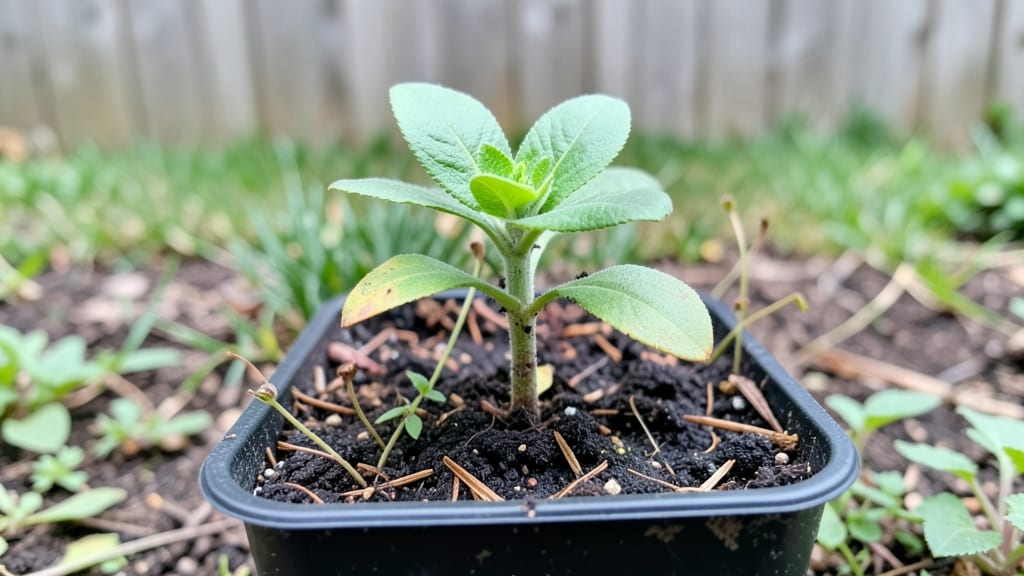
Inexpensive flower seeds can turn a bare patch into a riot of color without breaking the bank—my first garden started with just $5 worth of marigold and zinnia packets. 🌻 The secret isn’t sacrificing quality; it’s knowing where to look and which varieties deliver the most bang for your buck.
These sun-loving annuals grow like weeds, self-seed freely, and even repel pests, so you get double the value from every packet.
Start with seeds from reputable budget sources like Burpee’s seed sales, local seed swaps, or even grocery store flower mixes (just check the packet for sun requirements). Heirloom varieties often cost less than hybrids but offer better germination rates and easier seed-saving for next year.
A single packet of sunflowers or cosmos can produce dozens of plants—imagine the savings over time!
You’ll end up with blooms that last from early summer through frost, cutting your annual flower budget by 70% or more. The key is bulk purchases, proper spacing to avoid overcrowding, and deadheading spent blooms to encourage nonstop flowering. Even beginner gardeners can master these techniques with minimal tools.
Works for containers, borders, or cutting gardens—just adjust spacing for your space. Let’s get those seeds in the ground and start saving real money on flowers!
📚 In This Guide
- What you need
- Instructions
- Tips and common mistakes
- Wrapping up and next steps
What you need
- ● Inexpensive flower seeds (choose 3-5 varieties for diversity—sunflowers, marigolds, zinnias, or cosmos are budget-friendly picks!)
- ● Seed starting mix (1-2 bags, 1-2 cubic feet each—look for sterile, peat-based or coco coir blends)
- ● Small pots or seed trays (6-12 cell packs or 2-3 inch pots—reusable plastic or biodegradable options work)
- ● Watering can or spray bottle (with a fine mist nozzle for gentle hydration)
- ● Grow lights or a sunny windowsill (south-facing window or a 10-15W LED grow bulb if indoors)
- ● Trowel or spoon (for planting seeds—even a butter knife works in a pinch!)
- ● Plastic wrap or humidity dome (to retain moisture while seeds germinate)
- ○ Fertilizer (optional) (balanced 10-10-10 or organic options like compost tea—start with a half-strength dose)
- ● Transplanting trays or larger containers (5-7 inch pots or garden beds once seedlings sprout)
- ○ Mulch or pebbles (optional) (to retain soil moisture and suppress weeds)
- ● Patience (seeds take 7-21 days to germinate—check seed packets for specifics!)
- ● Consistent watering schedule (keep soil moist but not soggy)
- ● Sunlight access (6+ hours of direct light daily for most flowers)
- ● Basic gardening knowledge (or a willingness to learn—YouTube tutorials are your friend!)
How to grow beautiful flowers on a budget
The secret to stunning blooms without spending much? Start with the right seeds and follow these easy steps.
🌱 Step 1: Choose the Right Seeds for Year-Round Blooms
Look for heat-tolerant annuals like marigolds, zinnias, and cosmos—they thrive in summer heat and cost just $1-2 per packet. For cooler seasons, try snapdragons or pansies (also budget-friendly). I always check seed packets for days to maturity—picking varieties that bloom in 60-70 days ensures quick color without waiting months.
Skip expensive hybrid seeds unless you love experimenting. Instead, opt for heirloom varieties from garden centers or online sales. I’ve had great luck with Burpee and Park Seed—they often have multi-packs for $5 or less. Store extra seeds in a cool, dark place (like a jar in your fridge) to keep them viable for next year.
💧 Step 2: Prepare Soil and Plant for Fast Germination
Use garden soil mixed with compost (or a 50/50 blend of topsoil and peat moss) to give seeds the nutrients they need. Avoid heavy clay soil—it slows germination. I like to loosen the top 6 inches of soil with a garden fork first, then mix in a handful of balanced fertilizer (10-10-10) to kickstart growth.
Sow seeds ¼ inch deep—deeper than that, and they’ll struggle to break through. Space them 1 inch apart in rows 12 inches apart for easy weeding later. Water gently with a fine-mist spray until the soil is moist but not soggy. Cover the area with a thin layer of straw mulch to retain moisture and block weeds.
☀️ Step 3: Water and Maintain for Continuous Blooms
Water once a week (or when the top 1-2 inches of soil feel dry). Deep watering once weekly encourages strong roots—shallow daily watering leads to weak stems. I use a soaker hose to water at the base, which keeps leaves dry and prevents fungal diseases like powdery mildew.
Deadhead spent blooms every 2-3 weeks to encourage more flowers. Pinch back leggy stems to half their height if they get too tall—this promotes bushier growth. For year-round color, plant succession crops: sow new seeds every 4-6 weeks so you always have fresh blooms.
✂️ Step 4: Extend the Season with Simple Tricks
Protect tender plants from early frosts by covering them with frost cloth or row covers on chilly nights. For winter blooms, try pansies or calendula—they handle cooler temps beautifully. I’ve even grown snapdragons indoors under a grow light during winter to keep the flowers coming.
Save seeds from your best-performing plants for next year! Let a few flowers go to seed, then dry and store them in paper envelopes in a cool, dark place. This cuts costs dramatically over time. With these steps, you’ll have continuous, budget-friendly blooms all year long—no green thumb required!
Tips & tricks for beautiful budget blooms
Here's how to maximize your investment and grow the most vibrant flowers possible without breaking the bank.
Seed Selection Tip: When choosing your $1-2 seed packets in Step 1, look for the term "open-pollinated" on the label—this means you can save seeds from these heirloom varieties for next year's garden. I've found that marigolds and zinnias often produce the most reliable seeds, and they're both disease-resistant, so you won't need expensive treatments. The 60-70 day bloom time mentioned is actually a range—some varieties bloom faster, so check individual packets for exact timing.
Soil Preparation Hack: For Step 2, don't overlook the importance of that 6-inch deep soil loosening. I use an old garden fork to break up compacted soil before mixing in compost—this creates tiny air pockets that help roots establish faster. If you don't have compost, even well-aged manure works in a pinch. The ¼ inch planting depth is crucial: any deeper and seedlings may struggle to emerge, wasting your seeds.
Watering Wisdom: The once weekly watering schedule in Step 3 works best with the soaker hose method because it delivers water directly to the roots without wetting the leaves, which helps prevent fungal diseases. I've noticed that watering in the early morning gives plants time to dry out during the day, reducing mildew risk. If you're using a regular hose, water slowly so the soil absorbs moisture rather than creating puddles.
Season Extension Strategy: For Step 4, consider using black plastic mulch under frost cloth—it warms the soil by 5-10°F and helps tender plants survive light frosts. I've had great success with this method for extending the season by 2-3 weeks in both spring and fall. When saving seeds, let them dry completely on the plant before harvesting—this ensures maximum viability for next year's garden.
Pro Tips for Inexpensive Flower Seeds
- Here's how to maximize your investment and grow the most vibrant flowers possible without breaking the bank.
- Seed Selection Tip: When choosing your $1-2 seed packets in Step 1, look for the term "open-pollinated" on the label—this means you can save seeds from these heirloom varieties for next year's garden.
- Soil Preparation Hack: For Step 2, don't overlook the importance of that 6-inch deep soil loosening.
Frequently asked questions
Got questions about growing stunning blooms without breaking the bank? Here are some of the most common inquiries—and their answers—to help you get started with inexpensive flower seeds like a pro.
What’s the best time to plant inexpensive flower seeds?
Timing depends on your climate and flower type! For cool-season flowers like pansies or snapdragons, sow seeds 4–6 weeks before the last frost. Warm-season favorites (e.g., marigolds, zinnias) thrive when soil is at least 60°F (15°C). Always check the seed packet for specifics—it’s your best guide!
Are cheap flower seeds less reliable than expensive ones?
Not necessarily! Many budget seeds from reputable sellers (like Burpee, Baker Creek, or local nurseries) are just as viable as pricier brands. Focus on freshness (check the seed packet date) and storage conditions (cool, dry, dark). If germination is slow, try soaking seeds overnight or using a seed starter kit.
Can I grow flowers from seeds in containers or small spaces?
Compact flowers like petunias, nasturtiums, or dwarf sunflowers thrive in containers. Use well-draining soil, a pot with drainage holes, and ensure it gets 6+ hours of sunlight daily. For balconies or patios, try vertical planters or hanging baskets—great for trailing flowers like ivy geraniums!
What do I do if my inexpensive flower seeds won’t germinate?
Don’t panic! First, ensure seeds are fresh (test viability by soaking a few in water—if they sink, they’re likely good). Next, check moisture (keep soil consistently damp, not soggy), warmth (use a heat mat if needed), and light (most seeds need darkness to sprout). If all else fails, try scarification (lightly sanding hard-coated seeds) or a seed starter solution.
Which flowers are the easiest and cheapest to grow from seed?
Start with these low-maintenance, high-reward picks:
- Marigolds – Deter pests, bloom fast, and love heat.
- Zinnias – Vibrant colors, drought-tolerant, and great for cutting.
- Sunflowers – Giant varieties like ‘Moulin Rouge’ are affordable and cheerful.
- Nasturtiums – Edible, fast-growing, and thrive in poor soil.
- Cosmos – Self-seeding, drought-resistant, and attract pollinators.
These are often sold in bulk for $1–$3 per packet and yield dozens of blooms!
Wrapping up and next steps
Growing stunning flowers on a budget is easier than you think! With inexpensive flower seeds, you can transform your space into a vibrant oasis without breaking the bank.
Whether you're a gardening novice or a seasoned green thumb, these budget-friendly blooms offer endless creativity and joy—and the best part? You’ll save money while doing it.
Ready to dive in? Start small—pick a few seeds, grab your tools, and let nature work its magic. Your garden awaits! 🌸💚