
Flowers
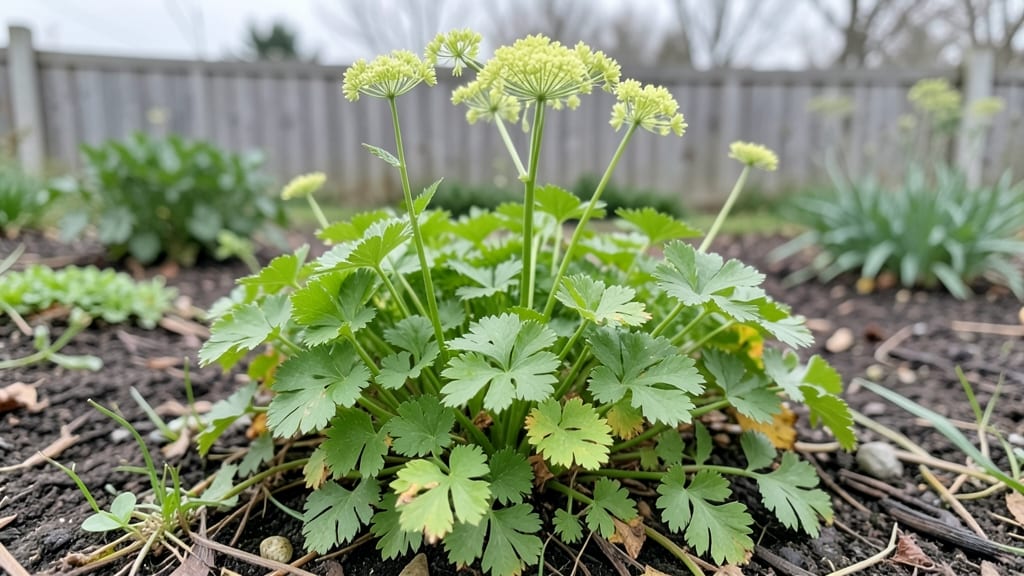
Italian parsley flowers transform your herb garden into a fragrant Mediterranean oasis with almost no extra effort. 🌿 I used to pull them off my plants, thinking they ruined the leaves—but those delicate yellow blooms are the secret to seed production and unexpected culinary uses.
The trick is letting them form naturally while still keeping your parsley lush.
Here’s the thing—those flowers don’t compete with leaf growth if you manage them right. A simple snip at the right time keeps your parsley productive while letting a few stems flower for seeds or garnishes. Best of all, the blooms attract pollinators, turning your herb patch into a mini ecosystem.
You’ll end up with vibrant yellow clusters that dry beautifully for potpourri or seed harvesting. The flowers themselves add a peppery bite to salads, while the seeds sprout reliably for next year’s crop. It’s the perfect way to turn a "weed" into a garden asset.
Works in containers or garden beds, from coastal climates to inland zones. Let’s make those parsley flowers work for you—without sacrificing your favorite herb.
📚 In This Guide
- What you need
- Instructions
- Tips and common mistakes
- Wrapping up and next steps
What you need
- ● Italian parsley seeds: Choose Petroselinum crispum var. neapolitanum or Petroselinum crispum var. italicum (flat-leaf varieties are best for flowers). Quantity: 1–2 packets (enough for 10–20 plants).
- ● Well-draining potting mix: A high-quality, organic blend (e.g., 60% peat moss, 20% perlite, 20% compost). Quantity: 1–2 cubic feet per pot or garden bed.
- ● Containers or garden bed: Containers: 6–8" diameter pots with drainage holes (1–2 plants per pot).
- ● Garden bed: Full sun (6+ hours daily) with loose, fertile soil (pH 6.0–7.0).
- ● Fertilizer: Balanced organic fertilizer (e.g., 10-10-10) or compost tea. Application: Mix 1 tbsp per gallon of soil at planting.
- ● Watering can or hose with a gentle spray nozzle: For consistent moisture (avoid soggy soil!).
- ● Pruning shears or scissors: Sharp, clean tools for trimming spent blooms or leggy stems.
- ● Slow-release fertilizer tablets: For nutrient boosts without overfeeding.
- ● Mulch (straw or shredded leaves): To retain moisture and suppress weeds.
- ● Garden twine or stakes: If parsley grows tall (up to 24"!) and needs support.
- ● Pollinator-friendly companion plants: Marigolds or basil to attract bees and deter pests.
- ● Seed-starting trays (if sowing indoors): For early spring starts (use 4–6 weeks before last frost).
Step-by-step guide to growing Italian parsley flowers
Growing Italian parsley flowers is easier than you think—just follow these simple steps.
🌱 Step 1: Choose the Right Variety and Planting Time
Italian parsley (Petroselinum crispum 'Neapolitan') produces beautiful flat-topped yellow flowers that attract pollinators. Start from seeds indoors 6-8 weeks before your last frost or sow directly in the garden 2-3 weeks before the last frost date. The key is timing—parsley grows slowly, so early planting ensures blooms before summer heat.
If you're growing from seed, scatter them ¼ inch deep in well-draining soil. Keep the soil consistently moist until germination, which takes 14-21 days. Thin seedlings to 6-8 inches apart once they reach 2-3 inches tall—this prevents overcrowding and encourages stronger growth.
☀️ Step 2: Provide Full Sun and Consistent Moisture
Italian parsley thrives in full sun to partial shade (at least 4-6 hours of direct sunlight daily). A south-facing window or a spot with morning sun and afternoon shade works well. Too much shade results in leggy plants with fewer flowers, while too much heat can cause bolting (premature flowering).
Water deeply once a week, keeping the soil evenly moist but not soggy. The top 1-2 inches of soil should feel slightly dry before watering again. Mulch around the base with 1-2 inches of organic mulch (like straw or shredded leaves) to retain moisture and suppress weeds. You'll notice healthier foliage and more vibrant blooms when moisture is consistent.
💧 Step 3: Fertilize Lightly for Stronger Growth
Use a balanced, water-soluble fertilizer (like 10-10-10) diluted to half-strength every 4-6 weeks during the growing season. Over-fertilizing can lead to excessive leaf growth at the expense of flowers. I like to mix a teaspoon of compost into the soil at planting time for a slow-release boost.
Watch for signs of deficiency—yellowing leaves often mean it’s time for a light feeding. If your parsley looks pale or stunted, a foliar spray with seaweed extract can give it a quick nutrient boost. Stop fertilizing 6-8 weeks before the first frost to allow the plant to harden off naturally.
✂️ Step 4: Encourage Blooming and Deadhead Regularly
To promote more flowers, pinch back the tips of young plants when they reach 6 inches tall. This encourages bushier growth and prevents early bolting. Once flowers appear, deadhead spent blooms by snipping them off at the base with clean scissors. This redirects the plant’s energy toward producing new flowers instead of seeding.
Italian parsley flowers are edible and add a mild, slightly peppery flavor to dishes. If you’re growing parsley primarily for its leaves, you can remove the flower stalks entirely to keep the plant focused on foliage production. However, if you want to enjoy the blooms, let a few flower stalks remain—they’ll self-seed easily in mild climates.
⏰ Step 5: Harvest Flowers and Prepare for Overwintering
Harvest flowers in the morning after the dew dries for the best color and longevity. Cut stems at a 45-degree angle just above a leaf node to encourage branching. Store harvested flowers in a cool, dry place for up to 5-7 days or dry them in a bundle upside down in a dark, well-ventilated area.
In colder climates, parsley is typically an annual, but in USDA Zones 7-10, it can overwinter with protection. Cut back the plant by half its height in late fall, mulch heavily, and cover with 4-6 inches of straw or leaves before the first frost. In spring, you’ll often find new growth emerging from the base.
Tips & tricks for perfect Italian parsley flowers
Here's how to ensure your Italian parsley thrives and produces stunning blooms without the guesswork.
Timing is Everything: The 6-8 weeks before last frost for indoor starts gives parsley the slow, steady growth it needs to establish strong roots before bolting. I've learned the hard way—planting too late means you'll miss the summer blooms entirely. Mark your calendar now to avoid this common mistake!
Sunlight Strategy: Those critical 4-6 hours of sunlight daily should be bright and direct. If you're growing in containers, place them where they get morning sun and afternoon shade—this prevents the leaves from scorching while still encouraging flower production. A south-facing window works perfectly for indoor starts.
Watering Wisdom: The "top 1-2 inches dry" test is key—stick your finger in the soil and if it feels dry, it's time to water. I use a moisture meter for my parsley beds, but even without one, your finger works just fine. Overwatering is just as bad as underwatering for parsley—it leads to root rot and stunted growth.
Deadheading Done Right: When you deadhead those spent blooms, always cut just above a leaf node at a 45-degree angle. This little detail makes all the difference—it encourages new growth from that node while keeping your plants looking tidy. I grab my pruning shears and make quick work of it every couple of weeks during bloom season.
Pro Tips for Italian Parsley Flowers
- Here's how to ensure your Italian parsley thrives and produces stunning blooms without the guesswork.
- Timing is Everything: The 6-8 weeks before last frost for indoor starts gives parsley the slow, steady growth it needs to establish strong roots before bolting.
- Sunlight Strategy: Those critical 4-6 hours of sunlight daily should be bright and direct.
Frequently asked questions
Got questions about growing Italian parsley flowers? You’re not alone!
Here are some common ones—and their answers—to help you cultivate these delicate blooms with confidence.
Can I grow Italian parsley flowers from store-bought parsley?
Unfortunately, no—store-bought parsley is usually grown from seed and won’t produce flowers. For blooms, start with Petroselinum crispum seeds labeled for edible flowers or transplant seedlings from a nursery. If you’re patient, you can also harvest seeds from mature plants (more on that below!).
How long does it take for Italian parsley flowers to bloom?
With the right conditions, you’ll see tiny white or yellow-green umbels (flower clusters) in 8–12 weeks from seed. If grown as an annual, expect blooms in early summer; biennials may flower in their second year. Pro tip: Pinch back foliage to encourage bushier growth and more flowers!
What do I do if my parsley flowers turn brown or wilt?
Brown or wilted flowers usually signal heat stress, overwatering, or pests. Move plants to partial shade if temps exceed 85°F, ensure well-draining soil, and check for aphids or spider mites. Trim damaged blooms to redirect energy to healthy growth. Bonus: A light spray of water can deter pests naturally!
Are Italian parsley flowers edible, and how do I use them?
Yes! They’re mildly sweet and slightly peppery, perfect for garnishes, teas, or infused oils. Toss fresh blooms into salads, blend into pesto, or steep in hot water for a floral tea. Warning: Avoid overconsumption—they contain psoralens, which may cause photosensitivity in large amounts.
What’s a good alternative if Italian parsley flowers don’t thrive in my climate?
Try coriander (cilantro) flowers (edible and similarly fragrant), dill flowers (great for pollinators), or chervil flowers (delicate and anise-flavored). All thrive in similar conditions and add beauty to dishes! For a non-edible option, statice or gypsophila mimic parsley’s airy texture.
Wrapping up and next steps
Italian parsley flowers bring a burst of Mediterranean charm to gardens with their delicate, lacy blooms—and now you know just how easy they are to grow! With minimal fuss, you can enjoy their beauty and aromatic leaves year after year.
Whether you’re a seasoned gardener or a beginner, these hardy plants reward patience with vibrant greenery and fragrant flowers.
Ready to transform your space? Grab your seeds, pick a sunny spot, and get planting! Share your progress with fellow green thumbs or experiment with culinary uses—your garden (and taste buds) will thank you. 🌱✨