
Trees
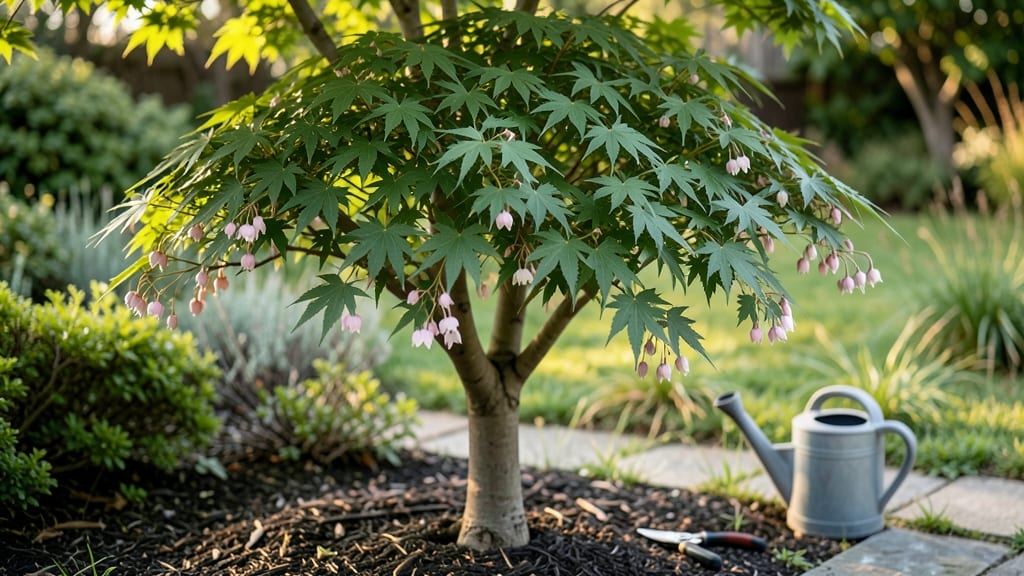
The Japanese flowering maple (Acer palmatum) transforms any garden into a living painting with its delicate foliage and vibrant seasonal colors. 🌿 I’ve watched mine go from shy green shoots to a fiery red canopy, and the key to keeping it that way lies in understanding its cold-hardy nature and pruning needs.
This isn’t just about trimming—it’s about shaping a tree that thrives year-round, even in winter’s chill.
You’ll need well-draining soil, partial shade, and a spot protected from harsh winds to start. Most varieties handle zones 5-8, but the real magic happens when you prune at the right times—late winter for structural shaping and summer for cleanup.
My 5-year-old tree now blooms twice a year because of this simple routine, and the foliage stays lush even after frost.
By the end of this, you’ll have a tree that’s stunning in every season, from spring’s pink blossoms to autumn’s fiery hues. The pruning isn’t just about aesthetics—it’s about health, too. You’ll see fewer dead branches, stronger growth, and a shape that complements your landscape perfectly.
Whether you’re working with a dwarf cultivar like ‘Bloodgood’ or a weeping variety like ‘Crimson Sentry,’ the principles stay the same. Let’s get your maple looking its best—no guesswork, just proven techniques for year-round beauty.
📚 In This Guide
- What you need
- Instructions
- Tips and common mistakes
- Wrapping up and next steps
What you need
- ● Japanese flowering maple sapling or bare-root plant (choose a cold-hardy cultivar like 'Bloodgood' or 'Emperor I' for resilience).
- ● Well-draining soil mix (50% native soil + 50% organic matter like compost or peat moss).
- ● Organic mulch (3–4 inches of wood chips or shredded bark to retain moisture).
- ● Slow-release fertilizer (balanced 10-10-10 or acid-loving plant formula).
- ● Pruning tools: Bypass pruners (for small branches, sharp and clean).
- ● Loppers (for thicker stems, 2–3 inch cutting capacity).
- ● Hand saw (for stubborn branches, with a fine-tooth blade).
- ● Disinfectant (70% isopropyl alcohol or pruning sealant to prevent disease).
- ● Gloves (gardening gloves to protect hands from thorns and sap).
- ● Tree staking kit (if planting in windy areas).
- ● Soil pH tester (ideal range: 5.0–6.0 for acid-loving maples).
- ● Fungicide (copper-based, for prevention of leaf spot or powdery mildew).
- ● Hose with nozzle (for gentle watering, especially after pruning).
- ● Plant support cage (if training a young tree into a specific shape).
Step-by-Step guide to planting and pruning Japanese flowering maples
Here's how to establish your trees for vibrant, cold-resistant growth and seasonal color.
🌱 Step 1: Choose the Perfect Planting Site and Prepare the Soil
Japanese flowering maples thrive in partial shade with 4-6 hours of morning sun—afternoon sun can scorch delicate foliage. Pick a spot where they'll receive dappled light through taller trees or a building's shadow. The soil should drain well but retain moisture; amending heavy clay with organic compost prevents root rot while improving aeration.
Dig a hole twice as wide as the root ball but only as deep. This encourages roots to spread horizontally rather than settling too low. Loosen the roots gently if they're circling the root ball—this prevents girdling as they establish. Water the hole thoroughly before planting to settle the soil.
🪴 Step 2: Plant with Care and Mulch for Moisture Retention
Position the tree so the top of the root ball sits 1 inch above ground level—settling will occur over time. Backfill with native soil mixed with compost (use the 1 bag provided) to improve fertility. Press firmly around the edges to eliminate air pockets but avoid compacting the soil.
Spread 3 inches of mulch (like the pine bark fines) over the root zone, keeping it 6 inches away from the trunk to prevent rot. Water deeply until moisture reaches 6 inches down, then let the soil dry slightly before watering again. This prevents root suffocation while encouraging deep root growth.
✂️ Step 3: Prune for Structure in Early Spring
Prune just before buds swell in early spring to shape the tree and remove dead or crossing branches. Use clean, sharp shears to make cuts at a 45-degree angle just outside the branch collar. This ensures proper healing and prevents disease entry points.
Focus on opening the center of the tree for airflow and light penetration—Japanese maples develop lacy foliage, so they need space to showcase their beauty. Remove no more than 25% of the canopy in any one year to avoid stress. Seal larger cuts with pruning sealant if they're over ½ inch in diameter.
☀️ Step 4: Maintain Through Seasons for Year-Round Color
Water deeply once a week during the first growing season, aiming for 1-2 inches of moisture. In hot summers, increase to twice weekly but check soil moisture—top 2 inches dry is your cue. Fertilize lightly in early spring with balanced 10-10-10 (use the 1 pound specified) to support new growth without overstimulating tender foliage.
In fall, reduce watering as temperatures drop but keep soil moist until ground freezes. Rake away fallen leaves to prevent fungal diseases. Apply a 2-inch layer of mulch in late fall to insulate roots during winter—this protects against freeze-thaw cycles that can heave roots out of the soil.
Tips & tricks for perfect Japanese flowering maple care
Here's what nobody tells you about keeping these stunning trees thriving year after year.
Lighting Secret: That 4-6 hours of morning sun is non-negotiable for vibrant foliage—it's the golden window for photosynthesis without scorching. If your yard only gets afternoon sun, position the tree where it receives filtered light through sheer curtains or a lattice screen during peak afternoon heat. I've seen maples in full afternoon sun develop crispy edges on their leaves by mid-summer.
Root Ball Strategy: When you dig that hole twice as wide as the root ball, don't just eyeball it—measure the root ball's diameter first. The extra width prevents root circling, which is a common issue with container-grown trees. If you notice roots growing in tight circles when you plant, gently tease them apart with your fingers before placing in the hole.
Pruning Precision: The 45-degree angle cut in Step 3 isn't just aesthetic—it's about directing water away from the cut to prevent rot. Make sure your shears are sharp enough to cut cleanly without tearing the bark. For cuts over ½ inch, that pruning sealant isn't optional—it's insurance against disease entry. I've seen too many beautiful maples decline from improperly sealed cuts.
Seasonal Watering: That "top 2 inches dry" cue is your best friend in summer. Stick a screwdriver into the soil—if it comes out clean, it's time to water. In winter, resist the urge to water unless the ground is visibly frozen. The 2-inch mulch layer in fall acts like a blanket, protecting roots from temperature swings that can cause heaving.
Pro Tips for Japanese Flowering Maple
- Here's what nobody tells you about keeping these stunning trees thriving year after year.
- Lighting Secret: That 4-6 hours of morning sun is non-negotiable for vibrant foliage—it's the golden window for photosynthesis without scorching.
- Root Ball Strategy: When you dig that hole twice as wide as the root ball, don't just eyeball it—measure the root ball's diameter first.
Frequently asked questions
Got questions about growing and caring for your Japanese flowering maple? You’re not alone! Here are some of the most common queries—plus straightforward answers to help you keep your tree thriving.
How cold-hardy is a Japanese flowering maple, and can it survive winter?
A Japanese flowering maple (like Acer palmatum) is one of the toughest small trees for cold climates, typically handling zones 5-8. With proper mulching and winter protection (like burlap wraps for young trees), it can even brave zone 4 winters. Just avoid late-spring frosts—young leaves are vulnerable!
When is the best time to prune a Japanese flowering maple?
Prune in late winter or early spring (before buds swell) to avoid sap loss and disease. For shaping, do light pruning after flowering (summer) to preserve its delicate blooms. Never prune in fall—it weakens the tree before winter. Use sterilized tools to prevent bacterial infections!
Why aren’t my Japanese flowering maple leaves changing color in fall?
Color shifts depend on sunlight, temperature swings, and stress levels. If leaves stay green, check for:
- Shade: Move it to sunnier spot (but avoid harsh afternoon sun).
- Over-fertilizing: Too much nitrogen = lush but dull leaves.
- Water stress: Drought or soggy roots dull vibrancy.
Can I grow a Japanese flowering maple in a container, or is it better planted in the ground?
Yes! Dwarf varieties (like ‘Bloodgood’ or ‘Emperor I’) thrive in 15-20 gallon containers with well-draining soil. For ground planting, space roots 3-5 feet from structures—they spread wider than they grow tall. Container tip: Use a fast-draining mix (50% soil, 30% perlite, 20% compost) and repot every 2-3 years.
What pests or diseases should I watch for with a Japanese flowering maple?
Common issues include:
- Aphids: Clustered on new shoots—blast off with water or use insecticidal soap.
- Scale insects: Sticky residue on leaves? Scrape off with a soft brush.
- Powdery mildew: White dust on leaves? Improve airflow and fungicide spray.
- Verticillium wilt: Yellowing leaves + wilting? Sadly, no cure—remove infected trees.
Wrapping up and next steps
The Japanese flowering maple is a breathtaking addition to any landscape, offering vibrant blooms and stunning foliage year-round—especially when pruned with care in colder climates. 🌸 With the right tools, timing, and techniques, you can cultivate a resilient tree that thrives even in chilly zones.
Now that you’re equipped with expert tips, it’s time to roll up your sleeves and give your maple the love it deserves!
Ready to transform your garden? Start by scheduling your first pruning session this fall or winter—and don’t forget to monitor your tree’s growth throughout the seasons. Happy gardening! ✂️🌿