
Flowers
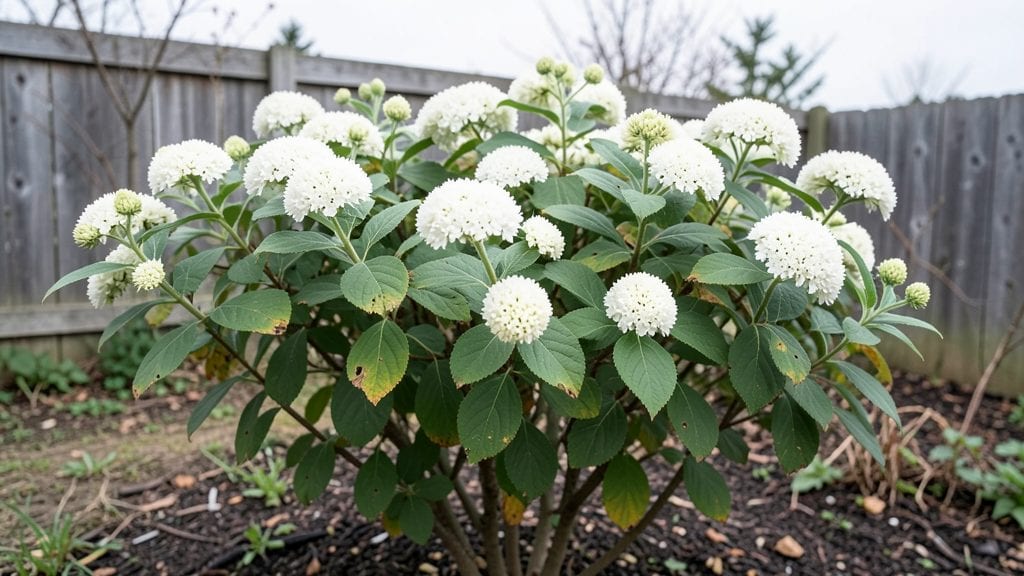
The Japanese snowball flower thrives in Pacific Northwest climates where frost and rain test its resilience. ✨ I’ve grown these delicate-looking shrubs through three winters without losing a single branch—here’s how to make them yours too.
Their snow-white blooms appear like clockwork every spring, turning even the drizzliest yards into a showstopper.
Start with well-draining soil that mimics their native woodland edges, and plant them where they’ll get morning sun and afternoon shade—this protects their blooms from scorching while keeping roots cool. Water deeply once a week once established, but never let them sit in soggy soil.
The key to their frost resistance lies in proper winter prep: mulch heavily around the base after the first hard freeze.
By mid-summer, you’ll be rewarded with football-sized clusters of blossoms that smell faintly of honey and attract pollinators. Prune back one-third of the oldest stems in early spring to encourage fresh growth, and watch as new shoots emerge faster than weeds in your lawn.
These shrubs grow 6-10 feet tall, so give them space—they’re not shrinking violets.
Common issues like powdery mildew or sparse blooms usually stem from overwatering or poor airflow. If you notice yellowing leaves, it’s time to check your soil’s drainage.
With the right care, your Japanese snowball will become the centerpiece of your garden for decades—no green thumb required, just patience and a little attention to detail.
📚 In This Guide
- What you need
- Instructions
- Tips and common mistakes
- Wrapping up and next steps
What you need
- ● Japanese Snowball Flower Plant: 1-2 bare-root or container-grown plants (choose Viburnum plicatum ‘Mariesii’ or ‘Shasta’ for cold-hardy varieties).
- ● Well-draining soil: Mix 60% native soil + 30% compost + 10% perlite or coarse sand (aim for a pH of 5.0–6.5).
- ● Organic mulch: 2–3 inches of wood chips, bark, or shredded leaves (to retain moisture and insulate roots).
- ● Slow-release fertilizer: 10-10-10 or 5-10-10 (apply spring and fall, ~1 lb per 100 sq ft).
- ● Garden trowel or spade (for planting and soil prep).
- ● Pruning shears (sterilized, for shaping and deadheading).
- ● Watering can or hose with a gentle nozzle (avoid over-saturating roots).
- ● Garden gloves (to protect hands from thorns and rough bark).
- ● Epsom salt (1 tbsp in gallon of water, monthly in spring for magnesium boost).
- ● Frost cloth (for young plants in extreme PNW winters, below 10°F).
- ● Staking supports (if planting in windy areas; 3–4 ft bamboo stakes + twine).
- ● Soil moisture meter (to monitor consistent dampness, not sogginess).
Step-by-Step instructions for cultivating Japanese snowball flower in the Pacific Northwest
This hardy shrub thrives in our region's cool, wet climate—here's how to coax its iconic blooms.
🌱 Step 1: Select the Perfect Planting Site
Japanese snowball (Viburnum plicatum) craves morning sun and afternoon shade, especially in the Pacific Northwest's intense summers. Choose a spot with 4-6 hours of direct sunlight but protection from late-afternoon rays that can scorch delicate blooms. The plant's layered branches naturally create shade for itself as it matures.
Ensure the location has well-draining soil—this shrub hates soggy roots. If your garden soil feels heavy or stays damp, amend it with 3-4 inches of organic compost mixed into the top 12 inches of soil. The ideal planting site also offers shelter from strong winds, which can damage the delicate flower clusters before they fully open.
🪴 Step 2: Plant at the Right Time and Depth
Plant your Japanese snowball in early spring (March-April) or early fall (September-October) when temperatures are mild. Dig a hole twice as wide as the root ball but only as deep—the top of the root ball should sit 1 inch above ground level to prevent waterlogging. This slight elevation helps the plant's shallow roots breathe properly during our region's frequent rains.
Gently remove the plant from its container and loosen any circling roots with your fingers. Place it in the hole, then backfill with native soil mixed with 1 part compost to improve fertility. Water deeply immediately after planting to eliminate air pockets and encourage root contact with the surrounding soil. You'll know it's settled when water drains evenly without pooling.
☀️ Step 3: Establish Proper Watering and Mulching
Water newly planted snowballs twice weekly for the first 30 days, providing 1-2 gallons per plant each time. After establishment, reduce to once weekly during dry spells, but always check the top 2 inches of soil—water when it feels dry. Overwatering in our rainy climate is just as damaging as underwatering, leading to root rot.
Apply 3 inches of organic mulch (wood chips or shredded bark) around the base, keeping it 6 inches away from the trunk to prevent moisture buildup. Replenish mulch annually in early spring to maintain moisture retention and suppress weeds. This mulch layer also protects shallow roots from temperature fluctuations, which is crucial during our Pacific Northwest winters.
✂️ Step 4: Prune for Shape and Future Blooms
Prune immediately after flowering (late spring) to shape the shrub and encourage next year's blooms. Remove dead, crossing, or weak branches first, cutting back to the nearest outward-facing bud. Then thin out 10-20% of the oldest stems at ground level to rejuvenate the plant—this creates space for new growth that will bear flowers.
Never prune in fall or winter—the plant needs its foliage to photosynthesize and store energy for spring blooming. Use clean, sharp pruners to make cuts at a 45-degree angle just above a leaf node. Avoid heavy pruning in the first two years, as the plant establishes its framework. You'll see the difference in denser foliage and more abundant flowers within two seasons.
🌿 Step 5: Winterize for Pacific Northwest Conditions
Japanese snowball handles our winters beautifully, but a little preparation ensures healthier spring regrowth. In late fall, apply a 4-inch layer of mulch around the base to insulate roots from freeze-thaw cycles. This is especially important if you're in Zone 7 or colder, where temperatures can drop below 20°F.
Remove any dead or diseased branches that might harbor pests over winter. While the plant is dormant, avoid fertilizing—it needs to rest. If you notice browning leaf edges in winter, it's normal and not cause for concern. The plant will push new growth in early spring, signaling it's ready for another blooming season.
Tips & tricks for perfect Japanese snowball flower cultivation
These insider tips will help you transform your Pacific Northwest garden into a thriving Japanese snowball paradise—without the common pitfalls that trip up even experienced gardeners.
Site Selection Secrets: In Step 1, when choosing your 4-6 hours of morning sun, pay special attention to the afternoon shade. The plant's layered branches create their own shade as they mature, but you'll need to provide some protection from those intense late-afternoon summer rays that can scorch the delicate blooms. Look for spots where the sun naturally dips behind trees or buildings by early afternoon—this mimics the plant's native woodland edge habitat.
Soil Prep Strategy: The 3-4 inches of organic compost mixed into the top 12 inches of soil in Step 1 isn't just about fertility—it's about creating the perfect air-water balance. For our region's heavy, clay-like soils, I recommend adding a handful of perlite or coarse sand to improve drainage while maintaining moisture retention. This prevents the dreaded waterlogging that can suffocate shallow roots during our frequent rainy periods.
Planting Depth Visual: That 1-inch elevation of the root ball above ground level in Step 2 might seem subtle, but it makes all the difference. Here's my trick: Use a small stick or marker to create a reference point at the correct height before planting. This ensures consistent elevation across multiple plants, which prevents water pooling around the base—a common mistake that leads to root rot in our wet climate.
Pruning Timing Hack: The late spring pruning window in Step 4 is critical, but don't wait until the flowers are completely gone. Prune when about 20% of the blooms have naturally fallen, which typically occurs 2-3 weeks after peak flowering. This timing allows the plant to complete its flowering cycle while still giving you plenty of time to shape the shrub before new growth begins. Use a small flag or marker on the calendar to remind yourself—this simple step can double your flower production next season.
Pro Tips for Japanese Snowball Flower
- These insider tips will help you transform your Pacific Northwest garden into a thriving Japanese snowball paradise—without the common pitfalls that trip up even experienced gardeners.
- Site Selection Secrets: In Step 1, when choosing your 4-6 hours of morning sun, pay special attention to the afternoon shade.
- Soil Prep Strategy: The 3-4 inches of organic compost mixed into the top 12 inches of soil in Step 1 isn't just about fertility—it's about creating the perfect air-water balance.
Frequently asked questions
Can Japanese snowball flowers survive harsh Pacific Northwest winters?
This hardy plant thrives in USDA Zones 3-8 and handles snow, frost, and even wet winters—just like its native habitat. For extra protection, mulch the base in late fall to shield roots from freezing. Pro tip: Their woody stems often re-sprout even after heavy snowfall!
How long does it take for a Japanese snowball flower to bloom?
Patience is key! Established plants typically bloom 3-5 years after planting, but younger trees may take longer. Young saplings focus on root growth first, so avoid pruning heavily in their first few years. Fun fact: Some varieties bloom earlier (late spring) while others wait until summer!
What’s the best alternative if my soil is too acidic for Japanese snowball?
If your soil pH is below 5.5, amend it with lime (calcium carbonate) or compost to raise pH to 6.0-7.0. Alternatives like Viburnum or Serviceberry also tolerate acidic soil but offer different foliage/flowers. Test your soil first—many PNW gardens benefit from a pH test kit!
Why are my Japanese snowball leaves turning yellow or spotted?
Yellowing leaves often signal overwatering or fungal issues (like powdery mildew). Check for:
- Waterlogged soil → Improve drainage with sand or gravel.
- Fungal spots → Prune affected branches and apply neem oil.
- Nutrient deficiency → Fertilize with balanced 10-10-10 in early spring.
Most issues resolve with proper spacing (6-10 ft apart) to improve airflow!
Do Japanese snowball flowers attract pollinators like bees or butterflies?
Yes! Their fragrant, dome-shaped blooms are a magnet for bees, butterflies, and hummingbirds. Plant near native pollinator-friendly plants (e.g., lavender or coneflowers) to create a thriving ecosystem. Bonus: The flowers also make stunning cut arrangements!
Wrapping up and next steps
Growing a Japanese snowball flower in the Pacific Northwest isn’t just about adding beauty to your garden—it’s about embracing resilience and nature’s quiet magic. 🌸 With the right location, soil prep, and care, these frost-hardy blooms will reward you with stunning white cascades year after year.
Whether you’re a seasoned gardener or just starting, this guide gives you the confidence to cultivate a thriving Viburnum plicatum that stands out in any landscape.
Ready to turn your garden vision into reality? Start by sketching your planting plan—mark where the snowball flower will shine, then gather your supplies and dig in! 🌱 The best time to plant is early spring or fall, so don’t wait—your future floral masterpiece is just a shovel’s throw away.