Container Gardens
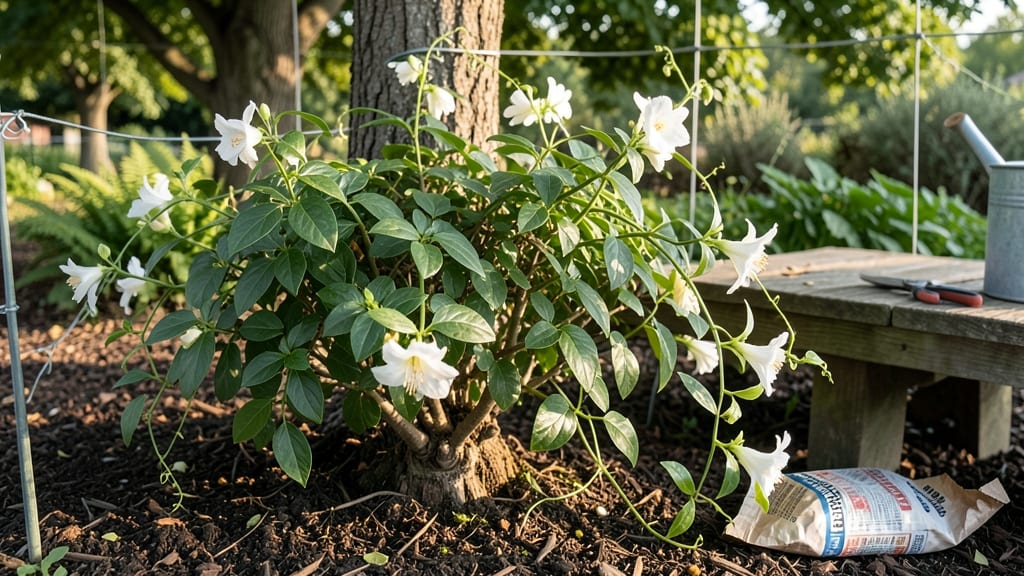
Creating the perfect jasmine flower growing conditions starts with understanding its love for warmth and gentle shade. 🌿 I once struggled with my jasmine wilting in harsh afternoon sun—until I moved it to a spot where it basked in morning light and escaped the midday heat.
The difference was immediate: glossy leaves and buds forming within weeks.
Jasmine thrives in well-draining, slightly acidic soil (pH 6.0-6.5) and prefers containers with drainage holes to prevent root rot. Water when the top inch of soil feels dry, but never let it sit in soggy conditions—this delicate climber hates wet feet.
For indoor plants, a sunny windowsill or grow light keeps them happy year-round, though they’ll reward you with more blooms outdoors in spring and summer.
You’ll know you’ve nailed the conditions when your jasmine fills the air with its intoxicating scent by late afternoon. The vines will twine eagerly, producing clusters of fragrant white or yellow flowers that last for weeks.
Prune after blooming to encourage bushier growth, and watch as your container becomes a fragrant centerpiece.
Whether you’re growing on a balcony, patio, or indoors, jasmine adapts beautifully—just match its needs to your space. The key is patience; these climbers take time to establish, but the payoff is worth every drop of water and hour of sunlight. Let’s get those vines thriving!
📚 In This Guide
- What you need
- Instructions
- Tips and common mistakes
- Wrapping up and next steps
What you need
- ● Jasmine plants: Choose between Jasminum officinale (common jasmine), Jasminum sambac (Arabian jasmine), or Jasminum polyanthum (star jasmine). Start with 1–3 healthy nursery plants or cuttings.
- ● Containers: 5–15 gallon pots (depending on variety) with drainage holes. Terracotta or fabric pots work best for airflow.
- ● Potting mix: Well-draining blend: 60% premium cactus/succulent mix + 30% perlite/pumice + 10% compost.
- ● Mulch: 1–2 inches of organic mulch (e.g., pine bark or coconut coir) to retain moisture.
- ● Pruning shears: Sharp, sterilized shears for trimming (3–5 inch blades).
- ○ Trellis or support: Optional but recommended for climbing varieties (e.g., bamboo stakes, wire cages, or decorative arches).
- ● Slow-release fertilizer: 5–10-5 NPK ratio (e.g., Osmocote) or organic options like worm castings.
- ● Watering can: With a fine rose nozzle for gentle hydration.
- ○ pH test kit: Optional but helpful to check soil acidity (ideal: 6.0–7.0).
- ● Sunlight access: 6+ hours of direct sun daily (south/west-facing spots ideal).
- ● Temperature range: Thrives in USDA Zones 7–10; protect from frost (<32°F).
- ● Humidity: Prefers 50–70% humidity (mist leaves occasionally in dry climates).
- ● Patience: Jasmine blooms best after 1–2 years of growth!
Step-by-step instructions for cultivating fragrant jasmine in containers
Here's how I've mastered growing jasmine in pots—lush, fragrant, and thriving year after year.
🪴 Step 1: Select the Right Container and Drainage
Jasmine needs a pot with drainage holes—no exceptions. I use unglazed terra cotta pots (they breathe better) that are at least 12 inches wide and deep for each plant. The roots spread aggressively, so cramped spaces stunt growth and reduce blooms. Place a 2-inch layer of gravel or broken pottery at the bottom before adding soil—this prevents clogging and keeps roots healthy.
Here's the thing—plastic containers work too, but they trap moisture longer. If you choose plastic, drill extra drainage holes along the sides. The goal is to mimic jasmine's natural habitat where it grows in well-drained, rocky soil. I also add a 1-inch layer of orchid bark on top of the gravel for extra aeration—this helps prevent root rot, which is jasmine's biggest enemy in containers.
☀️ Step 2: Prepare Well-Draining Soil Mix
Never use garden soil—it compacts and suffocates jasmine roots. Instead, blend equal parts potting mix, perlite, and coarse sand. I add a handful of compost for nutrients, but keep it light. The mix should feel like a damp sponge—not sticky when squeezed. Jasmine hates soggy feet, so if your mix holds water for more than a few hours, add more perlite.
Fill the pot 2/3 full with your mix, then tap the sides gently to settle it. Press down lightly with your fingers—you want firm but not compacted soil. Leave 2 inches of space at the top for watering. This setup ensures roots get both air and moisture without drowning. Real talk: I've seen jasmine plants wilt within days when planted in heavy garden soil, so don't skip this step.
🌱 Step 3: Plant and Water for Establishment
Dig a hole twice as wide as the root ball but only as deep as the top of the root ball. Gently remove your jasmine (if transplanting) and place it in the hole, then fill around the roots with your soil mix. Press lightly to eliminate air pockets—you'll see roots spread out naturally. Water deeply until it drains from the bottom holes, then let it dry slightly before watering again.
Here's what to watch for: yellowing leaves mean overwatering, while crispy edges signal underwatering. Jasmine needs consistent moisture but never soggy soil. I water mine when the top inch feels dry—stick your finger in to check. After planting, place your container in bright, indirect light for a week to help it recover from transplant shock. Direct sun can scorch new leaves, so ease it into full sun gradually.
✂️ Step 4: Prune and Train for Bushier Growth
Jasmine blooms best on new wood, so prune right after flowering (usually spring or early summer). Cut back 1/3 of the oldest stems to encourage fresh growth. I also trim any leggy or bare stems—this redirects energy to produce more fragrant blooms. Use clean, sharp pruners and make cuts just above a leaf node at a 45-degree angle for faster healing.
Train your jasmine to climb if using a trellis or cage. Gently weave vines through the support as they grow—don't force them. You'll see new growth spurt within 2-3 weeks of pruning. This is the moment that matters: bushier plants = more flowers. I also pinch back the tips of new growth occasionally to promote branching. Just don't overdo it—jasmine is resilient but not indestructible.
💧 Step 5: Maintain Through Seasons
Jasmine needs morning sun and afternoon shade in hot climates. If you notice leaves curling or turning brown, move it to a shadier spot immediately. Water every 2-3 days in summer, but reduce to once a week in winter. The key is even moisture—never let the soil dry out completely between waterings. I also fertilize monthly with a balanced 10-10-10 during growing season (spring-fall), but cut back in winter.
Watch for aphids or spider mites—they love jasmine too. I spray with neem oil at the first sign of pests. Deadhead spent blooms regularly to encourage more flowers. With proper care, your container jasmine will reward you with fragrant blooms from late spring to fall. Don't skip the winter care—jasmine needs a cool, dry rest to rebloom vigorously next season.
Tips & tricks for perfect container jasmine growth
A few simple secrets that'll help your jasmine thrive in containers and fill your space with intoxicating fragrance.
Container Selection: Don't overlook the importance of container material—terracotta pots are ideal because they wick away excess moisture, preventing root rot. If using plastic, drill extra drainage holes along the sides to mimic terracotta's breathability. I've seen jasmine plants in poorly draining containers develop root rot within weeks, so this step literally saves lives.
Soil Mix Matters: The equal parts potting mix, perlite, and coarse sand ratio is non-negotiable for container jasmine. I always add a handful of compost for nutrients, but keep it light—jasmine roots need to breathe. If your mix feels sticky when squeezed, add more perlite immediately. The goal is that damp sponge texture that holds moisture without drowning roots.
Pruning Precision: When pruning in Step 4, focus on cutting back one-third of the oldest stems at a 45-degree angle just above a leaf node. This encourages bushier growth and more blooms. I've found that jasmine responds best to pruning right after flowering when new growth is already starting. The 2-3 week window for new growth to appear is your reward for precise pruning—watch for those fresh green shoots!
Seasonal Adjustments: The summer watering schedule of every 2-3 days is crucial, but don't forget to reduce to once a week in winter. I've made the mistake of keeping summer watering habits through winter, which led to root rot. Jasmine needs that cool, dry rest period to rebloom vigorously next season—think of it as its winter vacation.
Pro Tips for Jasmine Flower Growing Conditions
- A few simple secrets that'll help your jasmine thrive in containers and fill your space with intoxicating fragrance.
- Container Selection: Don't overlook the importance of container material—terracotta pots are ideal because they wick away excess moisture, preventing root rot.
- Soil Mix Matters: The equal parts potting mix, perlite, and coarse sand ratio is non-negotiable for container jasmine.
Frequently asked questions
Got questions about growing jasmine in containers?
You’re not alone! Here are answers to the most common queries—from timing to troubleshooting—to help your fragrant blooms thrive.
When is the best time to plant jasmine in containers?
Plant jasmine in early spring (after the last frost) or late summer for best results. This gives roots time to establish before extreme heat or cold. If using potted jasmine, transplant it in spring when temperatures are mild—typically April to May in most U.S. zones.
How long does it take for jasmine to bloom in a container?
Patience is key! Most jasmine varieties (like Jasminum officinale) take 1–3 years to bloom in containers, depending on care. Prune lightly in early spring to encourage growth, and ensure it gets 6+ hours of sunlight daily. A well-fed plant with proper drainage will reward you faster!
Why isn’t my container jasmine flowering?
No blooms? Check these fixes:
- Light: Move to a sunnier spot (jasmine needs full sun).
- Fertilizer: Use a balanced, low-nitrogen feed (like 10-10-10) every 4–6 weeks during growing season.
- Pruning: Trim leggy growth in late winter to promote bushier, flowering stems.
- Stress: Overcrowded roots or poor drainage can stunt blooms—repot if needed!
Can jasmine survive winter in containers?
Yes, but with care! Move potted jasmine to a protected spot (like a garage or under eaves) before 25°F temps. Wrap the pot in bubble wrap or use a frost blanket. For tender varieties (e.g., Jasminum sambac), bring it indoors near a sunny window until spring.
What’s a good alternative if jasmine struggles in my climate?
Try these fragrant, low-maintenance container plants:
- Lavender – Drought-tolerant, loves heat, and smells amazing!
- Gardenia – Thrives in shade; blooms white and intoxicating.
- Sweet alyssum – Fast-growing, sweet-scented annual for quick color.
- Honeysuckle (compact varieties) – Vining but manageable in containers.
All three handle containers well and add perfume to your space!
Wrapping up and next steps
Growing jasmine in containers is a rewarding journey that fills your space with intoxicating fragrance and beauty—and you’ve got all the tools to succeed! 🌸 From sunny spots to well-draining soil, the key lies in patience, consistency, and a little love.
Whether you’re a seasoned gardener or a curious beginner, these growing conditions will help your jasmine thrive.
Now that you’re armed with knowledge, take the next step: grab those pruners, prep your pot, and watch your fragrant blooms unfold! Start small, experiment, and enjoy the process—your garden (and nose) will thank you. 🌿✨