
Flowers
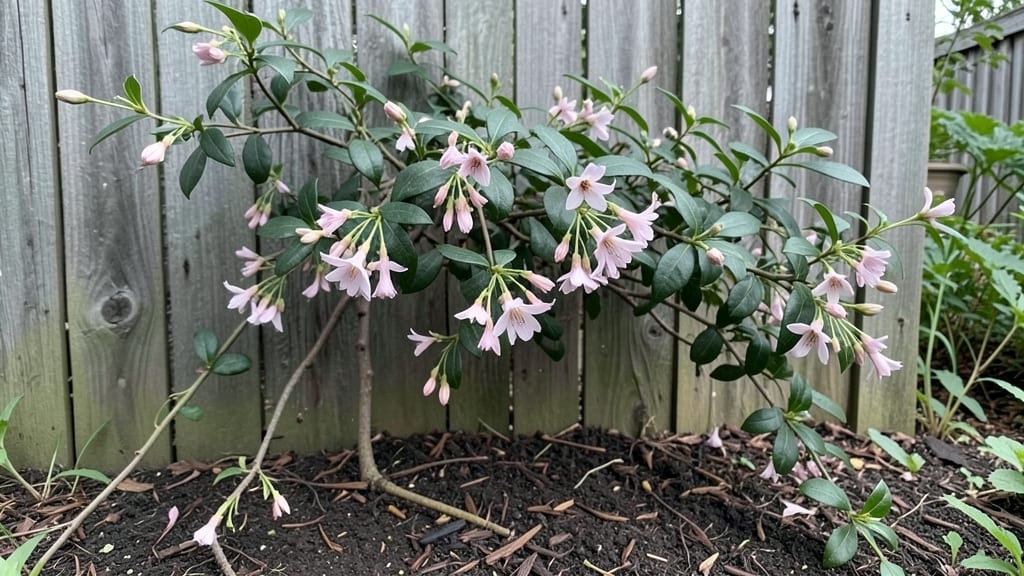
The velvety jasmine flower pink cascading from vines turns even the shadiest corner into a fragrant, dreamy escape—where each bloom hums with quiet romance. 🌸 I’ve watched these climbers soften brick walls, arch over pergolas, and spill from containers with their intoxicating scent. sweetness on summer evenings.
The secret isn’t just their scent but how they pair effortlessly with other shade-loving plants.
Start with a sturdy trellis or let them cascade naturally from hanging pots. Pair them with hostas for lush green contrast, bleeding hearts for soft pink echoes, or ferns to keep the woodland vibe.
The key is layering textures—glossy leaves, feathery fronds, and those starry jasmine blossoms—so the eye moves through the space like a dreamy garden story.
You’ll end up with a fragrant pathway, a fragrant privacy screen, or a fragrant centerpiece that smells as good as it looks. The blooms last longer in partial shade, and the scent lingers even when you’re not looking—perfect for patios, balconies, or that forgotten corner begging for charm.
Let’s design your dream shade escape.
Works in containers, along fences, or as a living room divider. The possibilities are endless once you see how these vines weave their magic. Here’s how to make them the star of your garden.
📚 In This Guide
- What you need
- Instructions
- Tips and common mistakes
- Wrapping up and next steps
What you need
- ● Jasmine plants: Pink jasmine (Jasminum polyanthum or Jasminum officinale 'Pink Star') – 2 to 3 plants (for full coverage and fragrance).
- ● Alternative: Star jasmine (Trachelospermum jasminoides) if you prefer hardier pink blooms.
- ● Growing medium: Well-draining potting mix (for containers) or loamy garden soil amended with compost (for in-ground planting).
- ● Perlite or sand (1 part per 4 parts soil) to improve drainage in heavy clay.
- ● Support structures: Trellis, arbor, or obelisk (6–10 ft tall for climbing varieties).
- ● Twine or plant ties (for securing vines during early growth).
- ● Fertilizer: Balanced, slow-release fertilizer (10-10-10 or 20-20-20, 2–3 tbsp per plant).
- ● Organic option: Composted manure or worm castings (½ cup per plant).
- ● Planting tools: Trowel or garden spade.
- ● Pruning shears (for trimming or shaping).
- ● Gloves (to protect hands from thorns on some varieties).
- ● Watering supplies: Watering can or hose with a gentle spray nozzle.
- ○ Drip irrigation system (optional, for consistent moisture).
- ● Prerequisites: Partial to full shade location (2–6 hours of indirect light daily).
- ● Protective mulch (2–3 inches of shredded bark or straw to retain moisture).
- ● Mulch: Pine bark or cocoa bean mulch (enhances soil and deters weeds).
- ● Pest control: Neem oil spray (for aphids or spider mites).
- ● Decorative accents: Solar-powered garden lights to highlight your fragrant vines at night.
- ● Seasonal care: Slow-release rose or flowering plant fertilizer (for mid-season blooms).
How to plant and care for pink jasmine vines in shaded gardens
Pink jasmine thrives where others struggle—here's how to coax its sweet fragrance and delicate blooms from shade.
🌱 Step 1: Choose the Right Location and Planting Time
Pink jasmine (Jasminum polyanthum) loves partial shade—think 3-6 hours of morning sun and afternoon shade. A north-facing wall or east-facing trellis works perfectly. I always plant mine in early spring after the last frost, when soil warms to 60°F but before summer heat arrives.
Dig a hole twice as wide as the root ball but only as deep—burying too deep suffocates the roots. Loosen the sides of the hole to encourage root spread. If your soil drains poorly, mix in 2 inches of compost to improve aeration. The vine's first year focuses on root growth, so don't rush flowering—patience pays off with stronger plants.
🪴 Step 2: Prepare the Trellis and Support System
Jasmine needs vertical support to climb, so install a 4-6 foot trellis, arbor, or fence near your planting site. I use galvanized metal or wooden lattice because it lasts longer and won't rot in humidity. Position it within 1 foot of the planting hole so the vine can reach it immediately.
For extra security, tie the main stem to the trellis with soft plant ties (never wire—it cuts into tender stems). The vine will twine naturally, but young plants appreciate a little guidance. Space multiple vines 3-4 feet apart if planting a row—crowding leads to weak growth and fewer flowers.
☀️ Step 3: Water and Mulch for Consistent Moisture
Water deeply once a week for the first month, then every 10-14 days once established. Check soil moisture by sticking your finger 2 inches deep—if it feels dry, water again. Pink jasmine hates soggy roots, so ensure your planting area has good drainage. A 3-inch layer of mulch (wood chips or shredded bark) keeps roots cool and retains moisture.
I always water in the early morning to reduce evaporation and fungal risks. Avoid wetting the leaves—focus on the base of the plant. After a year, your jasmine will be drought-tolerant, but young vines need consistent care to establish strong roots.
✂️ Step 4: Prune for Health and More Blooms
Prune right after flowering (late spring) to shape the vine and encourage next year's blooms. Cut back overly long stems by one-third to promote bushier growth. Remove any dead, diseased, or crossing branches—this improves airflow and reduces pests. I also pinch back new growth in early summer to redirect energy into flowering instead of leafy vines.
Never prune in fall—wait until spring to avoid winter damage. If your jasmine gets leggy, it needs more light. Move it to a slightly sunnier spot or trim back aggressive growth to maintain balance. The goal is compact, flowering vines, not wild tangles.
🌿 Step 5: Fertilize and Protect for Long-Term Growth
Feed your jasmine once in early spring with a balanced 10-10-10 fertilizer (use half the recommended dose to avoid burning roots). I also mix in 1 cup of compost around the base for natural nutrients. Avoid high-nitrogen fertilizers—they produce lush leaves but fewer flowers. Pink jasmine blooms best when slightly nutrient-light.
Watch for aphids or spider mites, which love tender jasmine leaves. Spray with neem oil if you spot them early—it's organic and effective. In winter, wrap young vines with burlap if your climate drops below 20°F to protect them from cold snaps. Established plants handle frost better, but new growth is delicate.
Tips & tricks for perfect pink jasmine vines
These simple strategies will help your pink jasmine thrive and fill your garden with fragrance for years to come.
The Light Factor: Pink jasmine loves that perfect balance of morning sun and afternoon shade. If your garden gets intense afternoon sun, consider planting near a north-facing wall or fence that provides natural shade during the hottest part of the day. I've found that even just 1-2 hours of afternoon shade can make a huge difference in preventing leaf scorch while still giving those sweet-smelling blooms the light they need.
Root Ball Preparation: Before planting, soak the root ball in water for about 15-20 minutes to ensure it's fully hydrated. This helps reduce transplant shock and gets your jasmine off to a strong start. Also, make sure to loosen the sides of your planting hole - this encourages the roots to spread out rather than staying confined in a tight ball, which is exactly what we want for vigorous growth.
Trellis Placement Pro: Position your trellis within 1 foot of the planting hole so the main stem can reach it immediately. This prevents the vine from growing too long before finding support, which can make it weak and prone to breaking. I like to use soft plant ties to gently guide the main stem upward - they're much kinder to tender stems than wire or harsh materials.
Pruning Timing: The key to pruning pink jasmine is timing - always do it right after flowering in late spring. This gives the plant time to recover and set buds for next year's blooms. When you cut back overly long stems by one-third, you're actually encouraging the plant to produce more compact, bushier growth with even more flowers. It's like giving your jasmine a little haircut to make it look its best!
Pro Tips for Jasmine Flower Pink
- These simple strategies will help your pink jasmine thrive and fill your garden with fragrance for years to come.
- The Light Factor: Pink jasmine loves that perfect balance of morning sun and afternoon shade.
- Root Ball Preparation: Before planting, soak the root ball in water for about 15-20 minutes to ensure it's fully hydrated.
Frequently asked questions
Got questions about growing jasmine flower pink vines in your shade garden? You're not alone!
Here are the answers to some of the most common queries to help you cultivate fragrant, climbing beauty with ease.
Can pink jasmine grow in full shade?
Yes! While it thrives in partial shade, jasmine flower pink (like Jasminum polyanthum or J. officinale) tolerates full shade, especially in hot climates. Just ensure it gets at least 3–4 hours of dappled sunlight daily for optimal blooming. In deep shade, growth may be slower, but it’ll still climb and perfume your space.
How fast does pink jasmine vine grow?
Pink jasmine vines are fast growers—expect 1–2 feet per year under ideal conditions (moist, well-draining soil and partial shade). With proper care, some varieties can reach 15–20 feet in just a few seasons! Prune in late winter to control spread and encourage bushier blooms.
Why isn’t my pink jasmine flowering?
Lack of blooms often stems from too much shade, over-fertilizing, or poor pruning. Ensure your vine gets morning sun and prune in early spring to remove dead wood. Avoid high-nitrogen fertilizers—opt for a balanced 10-10-10 formula in early spring instead. Patience helps too; some varieties take 2–3 years to mature.
What’s the best trellis for pink jasmine?
A strong, sturdy trellis is key since jasmine vines can get heavy. Opt for a metal arch, wooden lattice, or pergola with 1-inch spacing between slats to support twining stems. Avoid plastic trellises—they can degrade quickly under the vine’s weight. For shade gardens, a vertical obelisk near a window works beautifully!
Can I grow pink jasmine in containers?
Pink jasmine adapts well to large containers (15+ gallons) with drainage holes. Use a light, airy potting mix (like 60% potting soil, 30% perlite, 10% compost) and water deeply when the top inch of soil dries. Place the pot near a patio trellis or balcony railing for climbing support. Just be ready to winter-protect potted vines in cold climates!
Wrapping up and next steps
The jasmine flower pink garden vine isn’t just a stunning addition to your shade garden—it’s a fragrant, low-maintenance superstar that brings elegance and tranquility to any space. 🌸 From its delicate blooms to its hardy growth habits, this vine proves that beauty and resilience go hand in hand.
Whether you’re a seasoned gardener or just starting out, now’s the perfect time to plant your own slice of pink perfection.
Ready to transform your garden? Grab your gloves, pick a sunny (or partially shaded) spot, and start growing! Your future self—and your nose—will thank you. 🌿