
Flowers
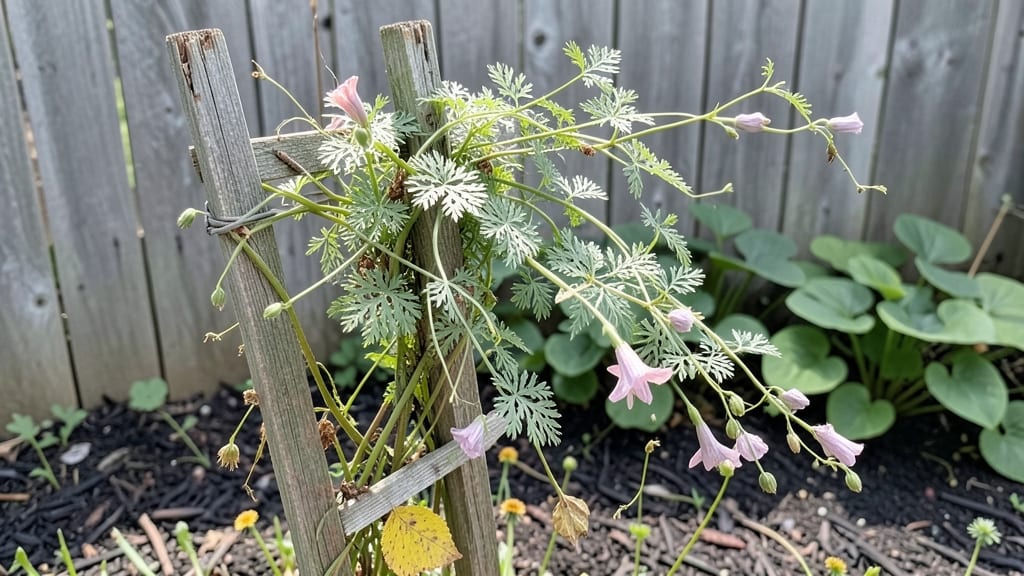
When you need fastest growing vine flowers that transform your garden in weeks, morning glories and nasturtiums are the game-changers. 🌱 I learned this the hard way after waiting months for slow climbers to catch up—now I plant these instead for instant vertical drama.
They’ll scramble up trellises, fences, or arbors within 60 days, turning bare walls into lush, fragrant canopies that hummingbirds can’t resist.
The secret lies in their aggressive growth habits: morning glories shoot up 6-10 inches per week once established, while nasturtiums spread just as fast with their trailing vines. Both thrive in full sun to partial shade, tolerate poor soil, and bloom continuously if you deadhead spent flowers.
For best results, start seeds indoors 4-6 weeks before last frost or sow directly after soil warms to 60°F—they germinate quickly in warm conditions.
Imagine your patio or balcony bursting with vibrant blue, purple, and orange blooms by early summer, all while attracting pollinators. These vines are also edible: nasturtium leaves and flowers add peppery zing to salads, and both varieties deter pests naturally.
With minimal care—just consistent moisture and occasional pruning—you’ll have a low-maintenance, high-impact garden feature that outperforms sluggish perennials.
Perfect for small spaces, container gardens, or quick fixes for weddings and events. Whether you’re training them on a simple wire trellis or a rustic wooden arbor, these vines deliver instant gratification without sacrificing beauty. Let’s get those seeds in the ground!
📚 In This Guide
- What you need
- Instructions
- Tips and common mistakes
- Wrapping up and next steps
What you need
- ● Fast-growing vine flower seeds: Choose from morning glories, nasturtiums, or sweet peas (1–2 packets, ~50–100 seeds each). Opt for heirloom or hybrid varieties labeled for quick growth.
- ● Growing containers: For pots: 5–10-inch diameter containers (3–5 plants per pot). Use fabric or terracotta pots for better drainage.
- ● For hanging baskets: 10–12-inch diameter (1–2 plants per basket). Ensure they have drainage holes.
- ● For ground planting: Well-draining soil in a sunny spot (6+ hours of light daily).
- ● Potting mix: 1–2 bags of lightweight, well-draining mix (e.g., 50% potting soil + 50% perlite or coconut coir). Avoid heavy garden soil.
- ● Fertilizer: Balanced, water-soluble fertilizer (e.g., 10-10-10 or 20-20-20). Use sparingly—follow package instructions (typically 1 tbsp per gallon of water).
- ● Watering can or spray bottle: With a gentle spray nozzle to avoid disturbing seeds.
- ● Twine or trellis: For vertical growth. Use biodegradable twine or a metal/wood trellis (4–6 feet tall).
- ● Garden gloves (to protect hands from soil and thorns, if using nasturtiums).
- ● Trowel or small shovel (for transplanting or ground planting).
- ● Mulch (straw or shredded leaves) to retain moisture and suppress weeds.
- ● Plant markers (to label varieties if testing multiple types).
- ○ Hummingbird feeder (optional but highly recommended—place near flowers to attract pollinators!).
- ○ Growth accelerator (e.g., seaweed extract or compost tea) for a 10% boost in speed (optional).
Step-by-Step guide to growing fast-blooming vine flowers
Here's how to create a vibrant hummingbird haven in just 60 days using speedy vine varieties.
🌱 Step 1: Select and Prepare Your Fastest-Growing Vine Varieties
Choose from these proven quick-bloomers: morning glories (10-14 days to flower), nasturtiums (3-4 weeks), or sweet peas (4-6 weeks). Morning glories are the fastest—plant seeds directly in the garden after your last frost date when soil reaches 60°F. I like to soak seeds overnight in lukewarm water to jumpstart germination.
For nasturtiums, which bloom even faster in containers, mix seeds with sand to prevent overcrowding. Sweet peas need a trellis from day one—they'll twine aggressively once established. Plant seeds ½ inch deep in well-draining soil, spacing them 6-12 inches apart depending on the variety. You'll see sprouts in 5-10 days if conditions are right.
☀️ Step 2: Provide Ideal Growing Conditions for Rapid Growth
Vine flowers need 6+ hours of direct sunlight daily to bloom quickly. A south-facing wall or fence works perfectly. If you're growing in containers, place them where they'll get morning sun and afternoon shade during hot summer months—this prevents wilting while maintaining growth speed.
Keep soil consistently moist but never soggy. Water at the base in the morning so leaves dry quickly, reducing fungal risks. You'll know you're doing it right when new leaves unfurl every 3-5 days and vines elongate visibly. Fertilize lightly with a balanced 10-10-10 formula every 2 weeks to encourage both leaf and flower production.
💧 Step 3: Train Vines and Encourage Early Blooming
As soon as vines reach 6 inches tall, gently guide them along your trellis or support structure. Morning glories and sweet peas twine naturally, while nasturtiums may need soft ties to keep them climbing. Don't let them sprawl—they'll grow faster and bloom sooner when supported properly.
Pinch back the tips of young vines when they reach 12 inches to encourage bushier growth and more flowers. This might seem counterintuitive, but it redirects energy from vertical growth to flower production. You'll notice more blooms appearing within 2-3 weeks after pinching. Deadhead spent flowers regularly to keep the plant focused on producing new blooms.
✂️ Step 4: Maintain for Continuous Blooms Through the Season
Once your vines start flowering, maintain them by removing faded blooms daily. This prevents seed formation and encourages the plant to produce more flowers. For morning glories, which are annuals, you'll get continuous blooms until frost if you keep up with deadheading. Nasturtiums are edible too—snip leaves for salads while you're at it.
Watch for pests like aphids or spider mites, which love tender new growth. Spray with neem oil at the first sign of trouble to keep your vines healthy and blooming. If you planted sweet peas, which are perennials in mild climates, cut back vines by ⅓ after their first flush of blooms to encourage a second round of flowers later in the season.
🪴 Step 5: Extend the Blooming Season Strategically
To keep your vine flowers blooming past their natural season, plant a second round of seeds every 3-4 weeks after your first planting. This staggered approach ensures you have continuous color and nectar for hummingbirds from early summer through fall. Choose varieties with different bloom times—morning glories for early season, nasturtiums for mid-season, and sweet peas for late summer.
For container growers, bring pots indoors before the first frost and place them in a bright, cool spot. Reduce watering but keep soil lightly moist. You'll be rewarded with winter blooms in a sunny window. Just watch for spider mites, which thrive in dry indoor conditions, and mist leaves occasionally to maintain humidity.
Tips & tricks for perfect fast-blooming vine flowers
Creating a vibrant hummingbird haven in just 60 days requires a few strategic moves that accelerate growth while maintaining plant health.
Soil Temperature Matters: The 60°F soil temperature mentioned in Step 1 is critical for germination. Use a soil thermometer to confirm this—cold soil slows down sprouting. If your soil runs cooler, consider using black plastic mulch or a cold frame to warm it up faster. I've found that morning glories particularly benefit from this extra warmth, as they'll pop up in just 5-10 days when conditions are right.
Light Optimization: While 6+ hours of direct sunlight is ideal, morning sun with afternoon shade works best during peak summer months. If you notice leaves wilting by midday, move containers to a spot with filtered afternoon light. This balance prevents stress while maintaining rapid growth—you'll see those new leaves unfurling every 3-5 days as promised.
Pinching Technique: The 12-inch pinching point in Step 3 is where many gardeners hesitate, but trust me—this is when the magic happens. When you pinch those growing tips, you're essentially telling the plant, "Grow wider, not taller." Within 2-3 weeks, you'll notice a bushier plant with more flower buds forming. Use clean scissors to make precise cuts just above a leaf node for best results.
Pest Prevention: Neem oil is your best friend for preventing aphids and spider mites, but apply it preventatively—not just when you see pests. Mix it with water according to package instructions and spray thoroughly on the undersides of leaves where pests love to hide. I've found that doing this every 2 weeks (same as your fertilizer schedule) keeps plants healthy and blooming continuously.
Pro Tips for Fastest Growing Vine Flowers
- Creating a vibrant hummingbird haven in just 60 days requires a few strategic moves that accelerate growth while maintaining plant health.
- Soil Temperature Matters: The 60°F soil temperature mentioned in Step 1 is critical for germination.
- Light Optimization: While 6+ hours of direct sunlight is ideal, morning sun with afternoon shade works best during peak summer months.
Frequently asked questions
Got questions about cultivating the fastest-growing vine flowers to attract hummingbirds? You’re not alone! Here are answers to the most common queries—from speedy growth tips to troubleshooting tricks.
How fast can these vine flowers really grow?
With ideal conditions (full sun, well-draining soil, and consistent moisture), vines like morning glories or clematis can sprout leaves within 7–10 days and bloom in 60 days or less. Fastest varieties (e.g., Ipomoea) may even show flowers in 4–6 weeks!
What’s the best climate for fastest growth?
These vines thrive in USDA Zones 3–10, but heat-loving varieties (like sweet pea) grow fastest in warm climates (60–85°F). In cooler areas, start seeds indoors 4–6 weeks before last frost or use black plastic mulch to warm soil.
Why aren’t my vines growing as fast as expected?
Slow growth often stems from poor drainage, low light, or overcrowding. Check soil moisture (keep it consistently damp, not soggy), ensure 6+ hours of sun daily, and thin seedlings to 12–18 inches apart. Fertilizer (balanced 10-10-10) can also boost speed!
Will these vines attract hummingbirds immediately?
Hummingbirds are drawn to bright colors (red, pink, purple) and tubular flowers. While some vines (like honeysuckle) may lure them in 2–3 weeks, others need full blooms (4–6 weeks). Plant companion flowers (e.g., salvia) nearby for faster results!
Are there faster-growing alternatives to traditional vines?
Yes! For ultra-fast blooms, try:
- Nasturtiums (edible, bloom in 3–4 weeks)
- Morning glories (vines + flowers in 4–5 weeks)
- Sunflowers (dwarf varieties) (attract pollinators in 6–8 weeks)
Wrapping up and next steps
Transforming your garden into a hummingbird haven in just 60 days is totally achievable with the fastest-growing vine flowers! 🌸 From morning glories to cleome, these vibrant blooms not only grow quickly but also attract pollinators effortlessly.
Whether you're a seasoned gardener or a beginner, this recipe offers a rewarding way to add color and life to your outdoor space.
Ready to dive in? Grab your supplies, follow the steps, and watch your garden flourish. Start planting today—your feathered friends will thank you! 🐦⬛✨