
Size
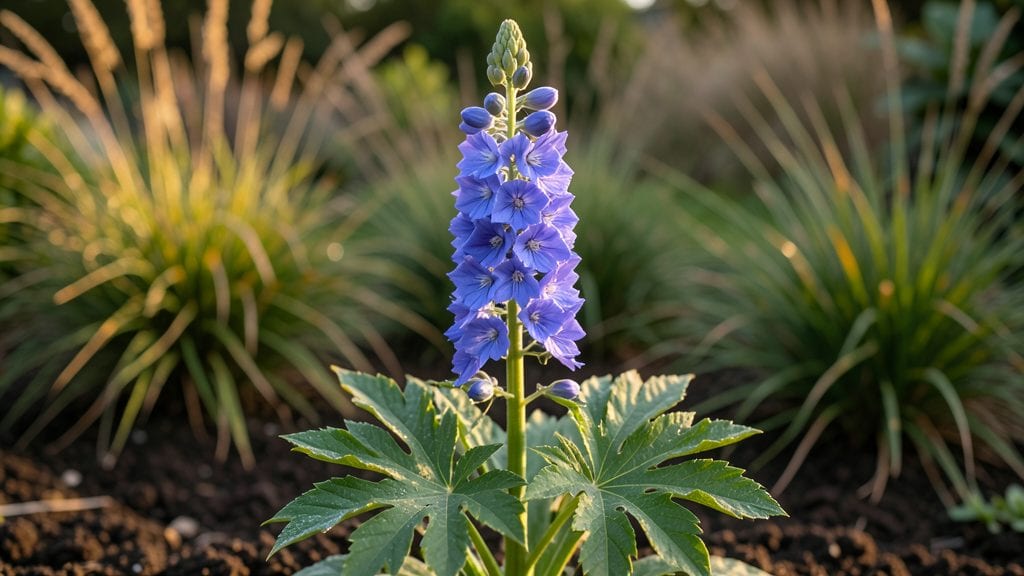
Tall cone-shaped flowers transform any garden into a vertical masterpiece. ✨ I’ve designed borders where these architectural blooms—think coneflowers, gladioli, and ornamental grasses—reach 6 to 8 feet, creating dramatic focal points that hummingbirds adore.
Their fragrant stalks sway in the breeze, drawing pollinators while adding structure to shady or sunny spots alike.
The secret lies in pairing the right varieties: Echinacea for summer color, Salvia nemorosa for late-season interest, and Miscanthus for winter texture. These plants thrive in well-drained soil and full sun, though some tolerate partial shade.
Plant them in clusters of 3–5 for maximum impact, spacing them 18–24 inches apart to let their cones fully unfurl.
By midsummer, your garden will hum with activity as hummingbirds dart between the blooms, while the vertical lines create a sense of depth. The fragrance lingers even after petals fade, and dried stalks add winter charm. This isn’t just planting—it’s sculpting a living, breathing centerpiece that works year-round.
Works equally well in cottage gardens, modern landscapes, or as a striking backyard accent. Let’s build a design that makes your space unforgettable.
📚 In This Guide
- What you need
- Instructions
- Tips and common mistakes
- Wrapping up and next steps
What you need
- ● Floral stems: 10-15 stalks of Echinacea (Coneflower), Rudbeckia (Black-Eyed Susan), or Helianthus (Sunflower)—each 24-36" tall (fresh or dried).
- ● Support structure: 1-2 bamboo skewers or thin wooden dowels (¼" diameter, 36" long).
- ● Floral tape or wire: 1 roll (1/8" width) for securing stems.
- ● Scissors or floral shears: Sharp pair for clean cuts.
- ● Water container: 1 shallow vase or jar (6-8" diameter) for hydration.
- ○ Floral preservative: 1 packet (optional but extends vase life).
- ● Filler flowers: 5-10 stems of Solidago (Goldenrod) or Salvia for texture.
- ● Decorative accents: 1-2 dried pampas grass or feathers for height.
- ● Hot glue gun: For securing stubborn stems (use sparingly!).
- ● Chalkboard paint: To label your creation with a cute name!
How to create a stunning tall cone-shaped flower display
Here's my foolproof method for crafting a dramatic, hummingbird-friendly vertical garden that blooms all season.
🌱 Step 1: Select Your Cone-Shaped Flower Varieties
Choose four to six varieties with varying bloom times for continuous color. I recommend red bee balm (Monarda didyma), purple coneflower (Echinacea purpurea), black-eyed Susan (Rudbeckia hirta), and Russian sage (Perovskia atriplicifolia) for their striking vertical forms and nectar-rich blooms. Each plant should reach 3-6 feet tall at maturity.
Purchase 4-6 healthy nursery starts (not seeds) to ensure immediate height and structure. Look for plants with multiple sturdy stems and buds already forming—this guarantees blooms within 6-8 weeks. Avoid leggy specimens with sparse foliage; they'll never recover enough to create the dramatic vertical effect you want.
☀️ Step 2: Prepare the Planting Site for Maximum Height
Select a south-facing location with full sun exposure (6+ hours daily)—cone-shaped flowers need intense light to develop their signature vertical structure. Amend the soil with 3 inches of compost mixed into the top 12 inches of soil to encourage deep root growth, which stabilizes tall stems against wind.
Dig holes twice as wide as the root balls but only as deep as the containers—planting too deeply suffocates roots. Space plants 18-24 inches apart in a loose circle around a central support stake (more on this in Step 3). Water each hole deeply before planting to eliminate air pockets around the roots.
🪴 Step 3: Install Support Structures for Dramatic Height
Drive a 6-foot bamboo stake into the center of your planting circle, positioning it 12 inches from the tallest plant. Secure three additional stakes at 45-degree angles around the perimeter, creating a loose pyramid shape. This framework prevents stems from flopping over while allowing natural movement in breezes.
Weave jute twine between the stakes to create a loose lattice. Gently tie the main stems of each plant to the lattice as they grow—never wrap twine tightly around stems, as this restricts growth. I use soft plant ties that expand with the stems, adjusting them every 2-3 weeks to prevent girdling.
💧 Step 4: Water and Fertilize for Towering Growth
Water deeply once weekly (or daily in extreme heat) to encourage deep root development, which is critical for supporting tall, cone-shaped blooms. Check soil moisture by sticking your finger 2 inches deep—if it feels dry, water until moisture reaches 6 inches down. Overhead watering causes fungal diseases that weaken stems.
Apply a balanced 10-10-10 fertilizer at half-strength every 4 weeks during the growing season. Cone-shaped flowers respond poorly to heavy nitrogen—they'll produce lush foliage but few blooms. Instead, focus on phosphorus and potassium to promote strong stems and abundant flowers. Stop fertilizing 6 weeks before first frost to harden off plants for winter.
✂️ Step 5: Prune for Continuous Vertical Blooms
Deadhead spent blooms weekly by snipping stems just above the next set of leaves. This redirects energy to new flower production and prevents the plant from putting resources into seed development, which weakens stems. For Russian sage, cut back one-third of the oldest stems in early spring to encourage fresh, vigorous growth from the base.
After the first flush of blooms, trim all stems by half to encourage a second round of flowers. This rejuvenation pruning also maintains the plant's compact, cone-like shape rather than letting it sprawl. Wear gloves—some varieties like bee balm can be quite sticky when handled.
Tips & tricks for perfect tall cone-shaped flower displays
Creating a stunning vertical garden isn't just about planting—it's about strategy. Here are the game-changing details that'll transform your garden into a towering hummingbird magnet.
Plant Selection Wisdom: In Step 1, when choosing your four to six varieties, prioritize plants with naturally upright growth habits. Russian sage and purple coneflower have the most dramatic vertical forms, while bee balm's arching stems create beautiful cascades when properly supported. I've learned the hard way that avoiding leggy nursery starts is crucial—they'll never recover enough to achieve that signature cone shape. Look for plants with multiple sturdy stems and visible buds already forming.
Soil Preparation Secret: The 3 inches of compost mixed into the top 12 inches of soil in Step 2 isn't just about nutrients—it's about creating the perfect foundation for tall stems. I like to add a handful of perlite to this mix to improve drainage, which prevents waterlogging that can weaken stems. This soil prep creates a stable base that helps your plants reach their full 3-6 foot potential without toppling over in wind.
Support System Strategy: When installing your support structures in Step 3, think about creating a flexible framework rather than rigid scaffolding. The loose pyramid shape formed by the 6-foot bamboo stake and three angled perimeter stakes allows for natural movement in breezes, which actually strengthens stems. I've found that using soft plant ties instead of twine gives stems room to grow while still providing support—adjusting them every 2-3 weeks prevents girdling that can strangle plant growth.
Pruning Precision: The weekly deadheading in Step 5 is where you'll see the most dramatic results. When you snip stems just above the next set of leaves, you're not just removing spent blooms—you're redirecting the plant's energy into producing more flowers. For Russian sage specifically, that early spring one-third cutback creates a flush of fresh growth from the base, which is essential for maintaining that compact cone shape throughout the season. And yes, those sticky bee balm stems are worth the gloves—it's the small details that make all the difference.
Pro Tips for Tall Cone Shaped Flowers
- Creating a stunning vertical garden isn't just about planting—it's about strategy.
- Plant Selection Wisdom: In Step 1, when choosing your four to six varieties, prioritize plants with naturally upright growth habits.
- Soil Preparation Secret: The 3 inches of compost mixed into the top 12 inches of soil in Step 2 isn't just about nutrients—it's about creating the perfect foundation for tall stems.
Frequently asked questions
Got questions about growing or styling your tall cone-shaped flowers? You’re not alone! Here are the most common queries—plus quick, expert-backed answers to help you cultivate a stunning hummingbird haven.
What’s the best time to plant tall cone-shaped flowers for maximum height?
Plant in early spring (after the last frost) or late summer for a head start. Cone-shaped varieties like Delphinium or Snapdragons thrive with 6–8 weeks of warm soil before blooming. Avoid planting too late—cool nights can stunt growth!
How do I attract hummingbirds to my cone-shaped flowers?
Hummingbirds love red, pink, or purple cones (like Bee Balm or Foxglove). Plant in sunny spots, add a shallow water source, and avoid pesticides. Bonus: Tall flowers (4–6 ft) give them perches to rest mid-flight!
Why aren’t my cone flowers growing tall or staying upright?
Check these fixes:
- Staking: Use bamboo stakes or tomato cages for windy areas.
- Watering: Deep water 2x/week (drought stress = floppy stems).
- Soil: Amend heavy clay with compost for better drainage.
Can I grow tall cone flowers in containers? Which varieties work best?
Yes! Try Snapdragons or Dwarf Delphinium in 12"+ pots with well-draining mix. Avoid top-heavy types like Foxglove—they tip over easily. Add a support cage and fertilize lightly every 3 weeks for container success!
How do I prune cone-shaped flowers to encourage more blooms?
Deadhead spent blooms regularly to redirect energy to new growth. For woody stems (like Hollyhock), cut back by ⅓ in early spring. Pro tip: Leave some seed pods for hummingbirds—birds adore the late-season snacks!
Wrapping up and next steps
Creating a stunning display of tall cone-shaped flowers is easier than you think—and the rewards are breathtaking! Whether you’re luring hummingbirds or simply adding fragrance and height to your garden, these towering blooms bring joy and life.
Now that you’re armed with the right materials and answers to common questions, it’s time to roll up your sleeves and grow your vision into reality.
🌿 Next step: Pick your favorite variety, grab your tools, and start planting! Watch as your garden transforms into a vibrant, fragrant haven—one cone-shaped bloom at a time. Happy gardening! 🌸