
Pruning
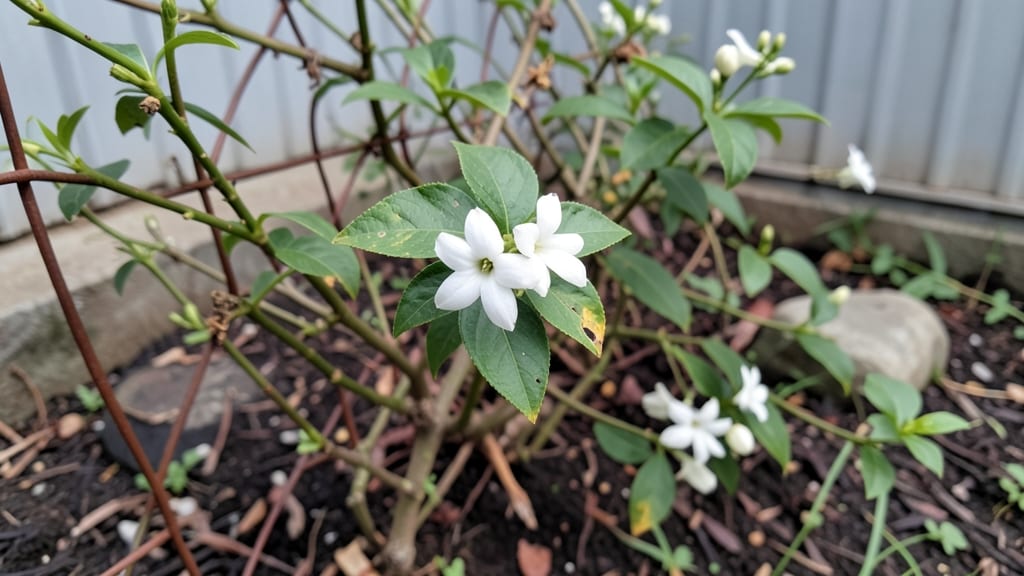
Your jasmine flower tree pruning routine can transform a struggling shrub into a fragrant cloud of blooms that perfumes your yard all year—no fancy tools or green thumbs required. 🌿 I’ve pruned everything from delicate star jasmine to hardy Arabian varieties, and the secret lies in three simple cuts timed right.
Most people overthink it, but the real magic happens when you focus on shape, airflow, and encouraging new growth—not just hacking away at old wood.
The beauty of jasmine pruning is that it works for every variety and climate zone, whether you’re dealing with a sprawling vine or a compact shrub. You’ll need basic hand pruners, a pair of gloves (trust me, the thorns don’t play nice), and about 20 minutes on a calm day.
The goal isn’t perfection—it’s opening up the center so sunlight and air can reach the inner branches, which is where those intoxicating blooms form. Even my first attempt last spring resulted in a bush that smelled like a Mediterranean garden by summer.
By the time you’re done, you’ll have a tree that bursts with scented flowers from early spring through fall, with proper care. The air around your patio or balcony will hum with its signature fragrance, and you’ll notice fewer pests bothering your plants—jasmine naturally deters many common garden invaders.
The best part? You’ll spend less time fighting tangled branches and more time enjoying the view (and the smell). Let’s get those shears sharp and turn your jasmine into a fragrant masterpiece.
This method works year-round, though timing matters: light pruning after blooming encourages more flowers, while a mid-winter trim shapes the plant for spring. Whether you’re in a hot, dry climate or a cooler zone, the same principles apply—just adjust for your local growing season.
Ready to make your jasmine the star of your garden? Here’s how to do it without the guesswork.
📚 In This Guide
- What you need
- Instructions
- Tips and common mistakes
- Wrapping up and next steps
What you need
- ● Pruning shears: Bypass pruners (sharp, clean, and disinfected with rubbing alcohol or a 10% bleach solution). Quantity: 1 pair (for small branches) or 2 (if tackling thick stems).
- ● Loppers: For branches ½ to 1½ inches thick. Quantity: 1 pair.
- ● Hand saw: For stubborn, thicker branches (2+ inches). Quantity: 1 (with a fine-tooth blade).
- ● Garden gloves: Heavy-duty, cut-resistant (to protect from thorns and sharp tools). Quantity: 1 pair.
- ○ Pruning sealant: Optional but helpful for sealing large cuts (e.g., Tanglefoot Tree Wound Pruning Seal). Quantity: Small jar.
- ● Disposable pruning bags: For collecting trimmings (reduces mess!). Quantity: 2–3.
- ● Ladder or step stool: If your tree is taller than 6 feet. Note: Prioritize safety—use a stable, non-slip model.
- ● Weather check: Prune on a dry, overcast day (avoid pruning when the tree is wet or in direct sun to prevent stress).
- ● Safety gear: Safety glasses (to shield from debris) and long sleeves/pants (for protection).
- ● Clean workspace: Lay down a tarp or old blanket to catch fallen leaves/debris.
- ● Sharpness test: Sharpen tools beforehand—dull blades crush stems, causing damage.
- ● Hose with nozzle (for rinsing tools post-pruning).
- ● Rubbing alcohol wipes (to disinfect tools between cuts on different trees).
- ● Pruning guide or ruler (to measure branch thickness/cuts accurately).
- ● Compost bin (to recycle trimmings into nutrient-rich compost!).
Instructions for pruning your jasmine flower tree
Here's how I keep my jasmine blooming beautifully with just three straightforward cuts—no complicated techniques needed.
✂️ Step 1: Prune for Shape in Late Winter
Wait until your jasmine tree has fully entered dormancy, typically in late February or early March when no buds have yet opened. This is the best time to shape your tree because it's easier to see the natural framework without the distraction of foliage. I start by removing any dead, diseased, or crossing branches first—these are the ones that never produce flowers anyway.
Use clean, sharp pruning shears to make your cuts at a 45-degree angle, about ¼ inch above a leaf node or outward-facing bud. This encourages new growth in the right direction. For larger branches, I step back and visualize how each cut will affect the overall shape. Remember, jasmine responds well to pruning, so don't be afraid to make bold cuts—just avoid removing more than ⅓ of the tree's total foliage in one session.
✂️ Step 2: Lightly Trim After Spring Blooms
Once your jasmine has finished flowering in spring, usually around late May or early June, it's time for a light maintenance trim. This step keeps the tree looking neat and encourages a second flush of blooms later in the summer. I focus on removing any suckers—those vigorous shoots growing from the base or along the trunk—and any branches that are growing inward or rubbing against each other.
For this trim, I use hand pruners to make clean cuts just above a leaf node, keeping the shape natural and open. You'll notice that jasmine flowers grow on old wood, so avoid cutting back too aggressively. A light touch here is key—think of it as giving your tree a quick haircut rather than a drastic makeover. Watch for new growth emerging from the pruned areas within 2-3 weeks—this is your sign that the tree is responding well.
✂️ Step 3: Summer Pruning for Airflow and Light
Mid-summer, around July or August, is the time to focus on improving airflow and light penetration within the tree. This helps prevent fungal diseases and ensures that all parts of the tree get enough sunlight to produce those fragrant blooms. Start by thinning out any dense growth in the center of the tree—this is where problems like powdery mildew often start.
I look for branches that are growing too close together and carefully remove the weaker one, making the cut at the base of the branch. For larger branches, I might also shorten them by about ⅓ to open up the canopy. You'll see a difference in how the tree looks almost immediately—more light and air moving through it. This is also a good time to remove any spent flowers if you want to encourage a final fall bloom cycle. Just watch for new buds forming after your cuts, which means you're on the right track.
Tips & tricks for perfect jasmine flower tree pruning
Here's what I've learned after years of keeping my jasmine blooming—these simple tricks make all the difference.
Timing is Everything: In Step 1, don't rush the late February/March pruning—wait until you see absolutely no buds opening. I've made the mistake of pruning too early when buds were still forming, and it delayed blooming by weeks. The same goes for Step 2: wait until every last flower has fallen before trimming. This ensures you're not accidentally cutting off next season's blooms.
Tool Tip: Invest in a good pair of bypass pruners for clean cuts that heal faster. For Step 3's thicker branches, I use loppers with a 45-degree cutting edge—they make those precise cuts at the branch collar much easier. Always sterilize your tools with rubbing alcohol between cuts to prevent spreading disease, especially when working with dense growth in Step 3.
Visual Cues: When making your 45-degree cuts in Step 1, imagine you're making a smile—this helps maintain the proper angle. For Step 2, look for suckers that grow straight up from the base like little fingers. In Step 3, scan for branches that cross each other like an "X"—these are prime candidates for removal to improve airflow. These visual cues have helped me avoid over-pruning while keeping my tree healthy.
Seasonal Strategy: Mark your calendar for these key dates: late February/March for Step 1, late May/early June for Step 2, and July/August for Step 3. I even set phone reminders because jasmine blooms are so rewarding when timed correctly. For those in warmer climates, you might need to adjust Step 1 slightly earlier—just wait until your local frost date has passed.
Pro Tips for Jasmine Flower Tree
- Here's what I've learned after years of keeping my jasmine blooming—these simple tricks make all the difference.
- Timing is Everything: In Step 1, don't rush the late February/March pruning—wait until you see absolutely no buds opening.
- Tool Tip: Invest in a good pair of bypass pruners for clean cuts that heal faster.
Frequently asked questions
Got questions about keeping your jasmine flower tree thriving?
Here are answers to the most common ones—so you can enjoy that sweet scent all year long with confidence!
When is the best time to prune a jasmine flower tree?
The ideal time is late winter or early spring (just before new growth starts). This encourages healthy blooms while avoiding frost damage. For mild climates, a light trim after flowering also works! Avoid heavy pruning in fall—it can stress the tree before winter.
Can I prune jasmine in summer? What about fall?
Light summer pruning (after blooming) is fine to shape the tree, but avoid heavy cuts—it can reduce next year’s flowers. In fall, skip pruning entirely unless removing dead/diseased branches. Fall cuts stimulate new growth that won’t harden off before winter, risking frost damage.
Will pruning my jasmine tree stop it from flowering?
Not if done right! Pruning encourages more flowers by promoting airflow and sunlight. Just avoid over-trimming—never cut more than 1/3 of the tree at once. Focus on removing dead wood, crossing branches, and shaping for a bushier, fragrant result.
How do I prune jasmine to make it bushier?
Use the “cut just above a leaf node” method to stimulate branching. Trim back 1/4 to 1/3 of the current season’s growth, and avoid cutting into old wood. For climbing jasmine, prune 1-2 main stems to encourage lateral branches—this creates a denser, flower-packed canopy!
My jasmine isn’t flowering—what went wrong?
Check these common issues:
- Over-fertilizing with nitrogen (too much leafy growth, few flowers). Switch to low-nitrogen, high-phosphorus fertilizer.
- Poor sunlight (jasmine needs 6+ hours of sun). Relocate or thin nearby trees.
- No pruning in 2+ years. A light annual trim keeps it blooming.
What’s the difference between pruning star jasmine and common jasmine?
Star jasmine (Trachelospermum) is tougher and blooms on new wood, so prune right after flowering (spring/summer) to encourage next year’s blooms. Common jasmine (Jasminum) blooms on old wood, so prune immediately after flowering (fall/winter) to avoid cutting off next year’s buds. Timing is everything!
Wrapping up and next steps
The jasmine flower tree is a fragrant gem that rewards your care with intoxicating blooms and lush foliage—all with just three simple pruning cuts! Whether you’re trimming for shape, health, or more abundant flowers, these techniques ensure your tree thrives year-round. 🌿✨
Ready to transform your garden into a sensory paradise? Grab your pruners, follow the steps, and watch your jasmine flourish. Next up: Celebrate your green thumb by sharing your pruned jasmine’s progress online or gifting a cutting to a fellow plant lover!