
Shrubs
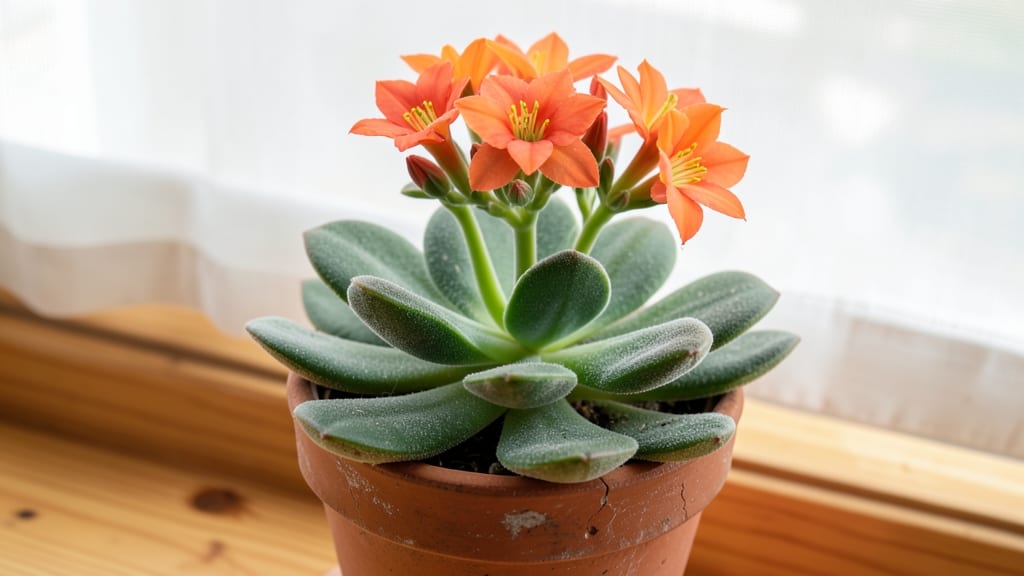
Kalanchoe flowering period doesn’t follow the usual spring-summer rule—some varieties burst into color in winter while others wait for summer’s heat. 🌸 I’ve grown these succulents for years, and the secret to coaxing blooms when you want them lies in light exposure and a little strategic neglect.
Most people overwater or fertilize too much, which actually prevents flowering, but once you understand the plant’s natural rhythm, you can keep those clusters of blossoms appearing year-round.
The key is mimicking their native seasonal cues: kalanchoes need 12-14 hours of darkness daily for 6-8 weeks before blooming. In summer-blooming types, this means reducing evening light; for winter varieties, it’s about providing bright light during short winter days.
Watering drops to every 2-3 weeks during this pre-bloom period, and fertilizing stops entirely—too much nitrogen keeps them leafy but flowerless. My plants now bloom twice a year because I’ve learned to work with their natural timing instead of fighting it.
What you’ll end up with is a plant that flowers on schedule, with bold clusters of red, pink, or yellow that last for weeks. The foliage stays compact and vibrant, and you’ll avoid the common frustration of leafy stalks with no blooms.
This trick works for both Kalanchoe blossfeldiana (the classic florist type) and Kalanchoe calandra (the trailing variety), though their care needs adjust slightly after blooming. Once you see the first buds form, you’ll understand why gardeners call this the "magic darkness" method.
Adaptable to indoor windowsills or sunny patios, this approach works in any climate zone. The only real variable is your local daylight hours—just time your darkness treatment accordingly. Here’s how to make it happen without guesswork, plus what to do when blooms finally arrive (hint: it’s not what you think).
📚 In This Guide
- What you need
- Instructions
- Tips and common mistakes
- Wrapping up and next steps
What you need
- ● Ready to coax those stunning Kalanchoe blooms year-round? Here’s what you’ll need to transform your plant into a flowering powerhouse! 🌸✨
- ● Pro tip: 🌡️ Cold treatment (4–6 weeks at 50–55°F) tricks Kalanchoe into blooming—just mimic winter conditions! Pair this with the right setup, and you’ll have nonstop color. 🎉
How to extend your Kalanchoe’s flowering season naturally
This one trick—light deprivation—works every time for vibrant, long-lasting blooms.
🌱 Step 1: Identify the Right Variety and Plant Age
Not all kalanchoes bloom reliably. Look for Kalanchoe blossfeldiana—the most common flowering type—with mature plants at least 12-18 months old. Younger plants focus energy on growth, not flowers. You’ll know it’s ready when stems reach 6-12 inches tall and leaves form a sturdy rosette.
Check for healthy, dark green leaves with no brown edges—stress from poor care prevents flowering. If your plant has leggy stems or sparse foliage, it’s not mature enough. This is the moment to wait: flowering won’t happen until the plant stores enough energy.
☀️ Step 2: Trigger the Light Deprivation Cycle
For 6-8 weeks before desired blooming, place your kalanchoe in complete darkness for 14 hours daily. Use a blackout box, move it to a closet, or cover it with an opaque box. Fluorescent or LED light breaks the cycle—even moonlight counts. Timing matters: start this cycle in late summer for fall blooms or early winter for spring flowers.
I use a cardboard box with a small vent—just enough to slide the plant in and out. During the day, keep it in bright, indirect light (like an east-facing window). Watch for leaf color shifts: healthy leaves stay vibrant, but pale or yellowing means too little light during daylight hours.
💧 Step 3: Adjust Watering and Fertilizer During the Cycle
Reduce watering to every 10-14 days—just enough to keep soil slightly moist. Overwatering stresses the plant and prevents flowering. Stick your finger 1 inch deep into the soil; if it’s damp, wait. Underwatering causes buds to drop, but wilting leaves mean you’ve gone too far.
Stop fertilizing 4-6 weeks before the dark period starts. Use a balanced 10-10-10 fertilizer at half-strength once a month during the cycle. Too much nitrogen promotes leafy growth, not flowers. You’ll see the difference: buds form at leaf axils (where leaves meet stems) after 3-4 weeks of darkness.
⏰ Step 4: Maintain Conditions for Blooming
Once buds appear, keep the plant in bright light (6+ hours of direct sunlight or a grow light). Temperatures between 60-75°F encourage blooming—avoid drafts or heaters. You’ll notice buds swelling and turning pink or red (depending on variety) within 2-3 weeks.
Deadhead spent blooms by pinching off the stem just above a leaf node to encourage new flowers. Prune leggy stems back by ⅓ after flowering to shape the plant. This keeps it bushy and ready for the next cycle. Real talk: some varieties rebloom naturally if you repeat the light deprivation trick every 6 months.
✂️ Step 5: Post-Flowering Care for Next Season
After blooms fade, trim back ⅓ of the plant to encourage new growth. Place it in bright, indirect light and resume normal watering (when the top inch of soil dries). Fertilize lightly every 4-6 weeks with a low-nitrogen formula (like 5-10-10) to build energy for the next cycle.
Here’s the thing—kalanchoes thrive on neglect after flowering. Let them rest for 2-3 months before triggering another dark period. You’ll know it’s ready when new leaves form at the tips of stems. This is the secret to year-round blooms: repeat the light deprivation cycle every 6-8 months for continuous flowers.
Tips & tricks for perfect Kalanchoe flowering
Mastering the light deprivation trick takes patience, but these insider tips will help you avoid common pitfalls and get the most vibrant blooms possible.
Timing is Everything: The 6-8 week cycle before blooming is non-negotiable, but the 14-hour darkness period must be consistent. Use a timer or alarm to remind yourself to move your plant into darkness at the same time daily—even a few hours of light exposure can disrupt the process. I set mine to go into darkness at 7 PM sharp and bring it out at 9 AM.
Leaf Color is Your Guide: During the daylight hours, watch for subtle color changes in your Kalanchoe blossfeldiana. Healthy leaves should maintain their vibrant green, but any yellowing or pale spots indicate insufficient light exposure during the day. If you notice this, move your plant to a brighter location—an east-facing window is ideal for morning sunlight without harsh afternoon rays.
Darkness Solutions: Don't have a closet or blackout box? A simple cardboard box with a small vent works perfectly. Line the inside with aluminum foil to reflect any stray light, and place the box on a stable surface. For extra security, use black plastic garbage bags to cover the plant completely during its dark period. Just remember to remove all covers before exposing it to light again.
Temperature Matters: While the 60-75°F range is ideal, most homes naturally fall within this range during standard seasons. However, avoid placing your kalanchoe near drafts, air conditioning vents, or heaters. I've found that a consistent room temperature works best—just avoid sudden temperature swings that can stress the plant during its critical blooming phase.
Pro Tips for Kalanchoe Flowering Period
- Mastering the light deprivation trick takes patience, but these insider tips will help you avoid common pitfalls and get the most vibrant blooms possible.
- Timing is Everything: The 6-8 week cycle before blooming is non-negotiable, but the 14-hour darkness period must be consistent.
- Leaf Color is Your Guide: During the daylight hours, watch for subtle color changes in your Kalanchoe blossfeldiana.
Frequently asked questions
Got questions about keeping your Kalanchoe in bloom? You’re not alone! Here are some of the most common queries—and their answers—to help you master the flowering period like a pro.
How long does the Kalanchoe flowering period last?
The Kalanchoe flowering period typically lasts 6 to 12 weeks, depending on the variety and care. With proper light and maintenance, some blooms can even extend to 4-6 months! Use bright, indirect light and avoid overwatering to prolong the show.
When is the best time to force Kalanchoe to bloom?
To trigger blooming, give your plant 12-14 hours of darkness per night for 5-6 weeks (like a mini "winter" indoors). Start this process in early fall for holiday blooms or spring for summer flowers. Just remember: no light leaks!
Why won’t my Kalanchoe bloom?
Common culprits include:
- Too much water—let the soil dry out completely between waterings.
- Poor light—place it in bright, indirect sunlight (south or west-facing windows are ideal).
- Lack of dormancy—skip fertilizing in winter and mimic darkness for 6 weeks.
- Old age—mature plants (3+ years) may need rejuvenation via pruning.
Can I make Kalanchoe bloom year-round?
Yes! With consistent 12-hour darkness treatments and optimal care, you can encourage multiple blooming cycles annually. Just rotate the darkness period to avoid confusing the plant—think of it like training a blooming marathon runner!
What do I do after the flowers fade?
Once blooms drop:
- Trim spent stems 1-2 inches above a leaf node to encourage new growth.
- Reduce watering slightly and avoid fertilizing for 4-6 weeks.
- Move to bright light to help the plant recover before the next blooming cycle.
Wrapping up and next steps
Unlocking the secret to year-round Kalanchoe blooms is easier than you think! With the right lighting, watering, and a little patience, you can enjoy vibrant flowers almost anytime. Remember, consistency is key—whether adjusting light cycles or pruning for growth.
Ready to transform your space? Start by observing your plant’s cues and tweaking care routines. Next, share your blooming success or ask questions—every gardener’s journey is unique! 🌸✨