
Flowers
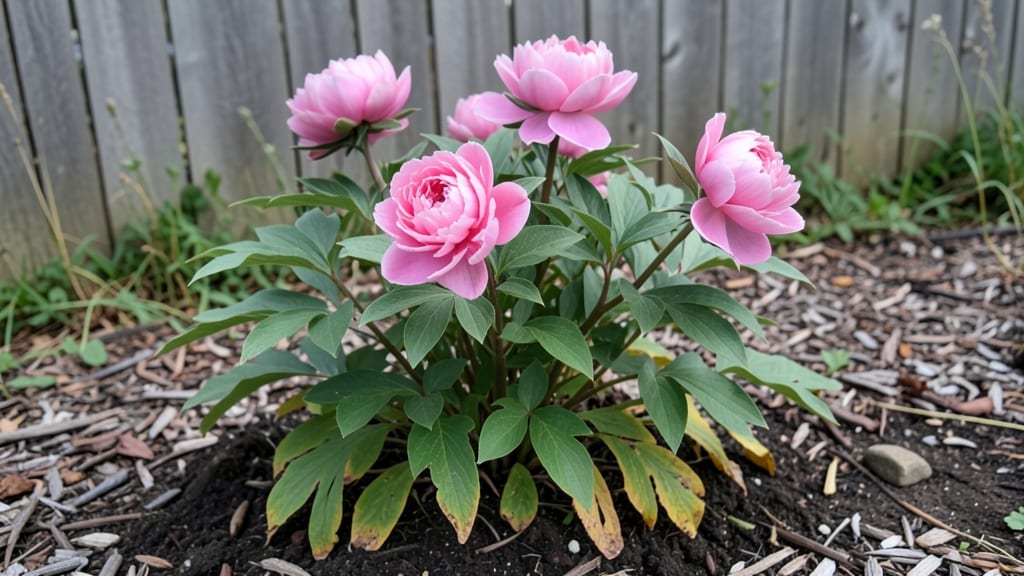
Large peony flowers turn your garden into a masterpiece with their velvety petals and bold two-toned drama. 🌸 I remember the first time I saw them in bloom—each flower looked like a living painting, demanding attention without trying.
Their 3-6 inch blossoms stand out against any backdrop, making them the star of spring and early summer displays.
Peonies thrive in full sun and well-drained soil, but their real magic comes from how they pair with other plants. Try them alongside salvias, irises, or ornamental grasses to create depth and movement in your garden beds.
Their lush foliage also works beautifully as a backdrop for delicate perennials like columbines or bleeding hearts.
You’ll love how they anchor your garden design with their bold presence while keeping maintenance simple. Just give them space to grow—peonies can reach 2-3 feet tall—and they’ll reward you with years of reliable blooms. The fragrance alone makes them worth the investment.
For maximum impact, plant them in clusters of three or more. Their layered blooms create a stunning visual effect, and they’ll become the conversation piece of your outdoor space. Whether you choose pink, red, or white varieties, peonies bring timeless elegance to any garden.
📚 In This Guide
- What you need
- Instructions
- Tips and common mistakes
- Wrapping up and next steps
What you need
- ● Peony tubers or bare roots: Choose Paeonia lactiflora or Paeonia officinalis varieties (e.g., 'Sarah Bernhardt' or 'Bowl of Beauty'). Quantity: 3–5 tubers per 10 sq ft for full coverage.
- ● Well-draining soil: Mix 60% garden soil + 30% compost + 10% coarse sand/perlite (pH 6.0–7.5). Pro tip: Peonies hate soggy roots! 🌡️
- ● Organic fertilizer: 5-10-10 or bone meal (1 cup per plant) for phosphorus (encourages blooms).
- ● Mulch: 2–3 inches of wood chips or straw to retain moisture and regulate temperature.
- ● Garden trowel or spade (for digging holes 12–18 inches deep).
- ● Pruning shears (sterilized with rubbing alcohol).
- ● Garden hose or watering can (deep watering 1–2 times weekly after planting).
- ● Garden gloves (peony roots can be prickly!).
- ● Peony supports: Small stakes or cages (for heavy blooms like 'Karl Rosenfield').
- ● Slow-release fertilizer tablets (plant near roots for year-round nutrition).
- ● Disease-resistant varieties: E.g., 'Coral Charm' or 'Duchesse de Nemours' (if your area has fungal risks).
- ● Reflective mulch: Black plastic sheets (to deter weeds and warm soil in cooler climates).
How to grow stunning large peony flowers for maximum impact
Here’s my foolproof method for cultivating bold, two-toned peony blooms that steal the show in any garden.
🌱 Step 1: Select and Prepare the Perfect Planting Site
Peonies thrive where they get full sun—at least 6-8 hours daily. I always choose a spot with well-draining soil, because soggy roots lead to rot and lost blooms. Dig a hole 2 feet wide and deep to accommodate the root system comfortably. This gives roots room to spread without competition.
Loosen the native soil at the bottom of the hole with a fork—this prevents compaction and encourages root growth. If your soil is heavy clay, mix in 2-3 inches of compost to improve drainage and fertility. Peonies are finicky about depth; the "eyes" (buds) should sit just 2 inches below the soil surface—any deeper, and they won’t bloom.
☀️ Step 2: Plant Peony Crowns at the Right Depth and Spacing
Place the peony crown in the center of the hole, spreading the roots outward evenly. The key here is depth: the top of the crown should sit 2 inches below the soil line. If planted too shallow, the crown will dry out; too deep, and it won’t bloom. I like to mound the soil slightly around the crown to ensure it stays in place.
Space plants 3-4 feet apart to allow airflow and prevent disease. This might seem excessive, but crowded peonies produce smaller blooms and weak stems. After backfilling, water deeply to settle the soil and remove air pockets. You’ll know it’s right when the soil surface looks slightly damp but not muddy.
💧 Step 3: Water and Mulch for Strong Root Establishment
Water peonies 1-2 times per week during the first growing season, keeping the soil evenly moist but not soggy. Overwatering is the fastest way to invite root rot. Once established (after 2-3 years), they’re drought-tolerant, but consistent moisture in the first year ensures robust growth.
Apply a 3-inch layer of mulch around the base, keeping it 6 inches away from the crown to prevent rot. I use shredded bark or straw—both retain moisture and suppress weeds without smothering the plant. Mulch also insulates roots in winter, protecting them from extreme cold.
✂️ Step 4: Prune and Support for Dramatic Blooms
Deadhead spent blooms by cutting stems back to the first set of healthy leaves. This redirects energy to next year’s buds instead of seed production. I avoid cutting into the woody stem—always leave a leaf node to encourage regrowth. Prune in late fall or early spring to avoid disturbing the plant during dormancy.
As stems grow taller (often 3-4 feet), they’ll need support. Install 3-4 foot tall stakes or a peony ring around each plant before blooming season. This prevents flopping in wind or rain, which can break stems and ruin the dramatic effect. Once blooms open, they’ll last 7-10 days—longer if kept dry and deadheaded promptly.
🌿 Step 5: Overwinter and Prepare for Next Year’s Display
Peonies are hardy perennials, but they need protection in cold climates. After the first frost, cut back foliage to 2-3 inches above the ground and apply a 4-inch layer of mulch around the base. This insulates roots and prevents heaving during freeze-thaw cycles. In warmer zones, minimal winter care is needed—just reduce watering.
In early spring, remove the mulch and water lightly to encourage new growth. You’ll notice fresh shoots emerging by late winter or early spring. Avoid fertilizing in the first year—peonies establish slowly, and excess nitrogen can weaken stems. After 2-3 years, a balanced fertilizer in early spring boosts bloom size dramatically.
Tips & tricks for perfect large peony flowers
Growing peonies that steal the show takes more than just planting—it's about the little details that make all the difference. Here's what I've learned after years of cultivating dramatic two-toned blooms.
Sunlight Strategy: While 6-8 hours of sun is ideal, peonies can actually tolerate slightly less if you're in a hot climate. In these cases, they'll appreciate afternoon shade to prevent stress. I've noticed that plants receiving morning sun and afternoon shade often produce even more vibrant blooms—especially important for those coveted two-toned varieties. Position your peonies where they get the most sunlight during the coolest parts of the day.
Soil Secrets: The 2-3 inches of compost recommendation is non-negotiable for heavy clay soils, but don't overlook testing your native soil first. A simple pH test will tell you if your soil is too acidic (below 6.5) or alkaline (above 7.5). Peonies prefer slightly acidic to neutral soil (6.5-7.0). If needed, mix in elemental sulfur to lower pH or lime to raise it—just a handful spread in the planting hole works wonders. The right soil chemistry makes all the difference in bloom size and color intensity.
Planting Depth Precision: That 2-inch depth for the crown is critical, but here's the trick I use: after placing the crown, press the soil firmly around it with your hands. This creates a natural barrier that holds moisture while preventing the crown from sinking deeper over time. I also make a small marker (like a pebble) at soil level to track the original depth—this helps me remember where to measure when checking on growth later in the season.
Support System: When installing those 3-4 foot tall stakes, don't wait until stems are already leaning. Set them up as soon as you notice stems reaching about 18 inches tall. I've found that peony stems grow surprisingly fast—sometimes adding 6 inches in just a few days. The stakes should be positioned just outside the plant's natural growth pattern, not touching the stems, to allow for natural movement while still providing support. This prevents wind damage without restricting growth.
Pro Tips for Large Peony Flowers
- Growing peonies that steal the show takes more than just planting—it's about the little details that make all the difference.
- Sunlight Strategy: While 6-8 hours of sun is ideal, peonies can actually tolerate slightly less if you're in a hot climate.
- Soil Secrets: The 2-3 inches of compost recommendation is non-negotiable for heavy clay soils, but don't overlook testing your native soil first.
Frequently asked questions
Got questions about growing or styling large peony flowers?
Here are answers to common queries to help you make the most of these stunning blooms!
When is the best time to plant large peony flowers?
Plant peony roots in early fall (4–6 weeks before the ground freezes) for the best results. This gives roots time to establish before winter. If planting in spring, do it as soon as the soil is workable—just avoid extreme heat or frost. Peonies thrive with patience, so don’t rush!
How long do large peony flowers last in a vase?
With proper care, cut peony blooms last 7–10 days in a vase. Trim stems at an angle, change the water every 2 days, and snip spent blooms to encourage new ones. For extra longevity, add a sugar cube or floral preservative to the water—this keeps them fresh and vibrant!
Can large peony flowers grow in containers?
Yes! Peonies adapt well to large containers (at least 12–18 inches deep) with well-draining soil. Use a mix of garden soil, compost, and perlite. Place containers in full sun (6+ hours daily) and water deeply when the top inch of soil dries out. Just be mindful—they’re heavy when mature, so choose sturdy pots!
Why aren’t my peony flowers opening fully?
Peonies may stay budded due to overcrowding, poor sunlight, or excessive nitrogen. Thin out foliage to improve airflow, ensure they get full sun, and fertilize with a low-nitrogen, high-phosphorus blend in early spring. If buds still refuse to open, check for bud blast disease (a fungal issue) and treat with fungicide if needed.
What’s the best way to arrange large peony flowers in bouquets?
Peonies shine as statement blooms—pair them with slender stems (like eucalyptus or snapdragons) to balance their boldness. Remove lower leaves to prevent bacterial growth in water. For a rustic look, use a mason jar or wooden bucket; for elegance, opt for a glass vase with a narrow neck. Pro tip: Add a peony bud to the arrangement for a romantic touch!
Wrapping up and next steps
Large peony flowers are the ultimate showstoppers for any garden, bringing drama, elegance, and a pop of color with their bold two-toned blooms.
Whether you’re a seasoned gardener or just starting out, these stunning flowers offer low-maintenance beauty that’s hard to resist—perfect for adding a touch of sophistication to your outdoor space.
Ready to transform your garden? Start by choosing the right variety for your climate and soil, then dive into planting and care tips to ensure your peonies thrive. With a little patience, you’ll soon be rewarded with lush, vibrant blooms that turn every season into a masterpiece! 🌸✨