
Blooming
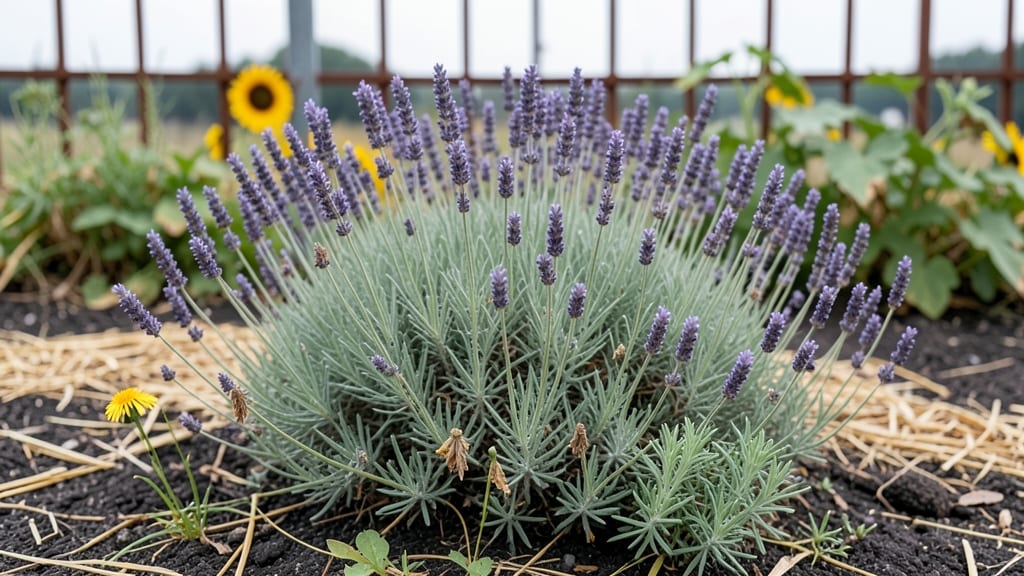
When lavender flowering season arrives, your garden transforms into a fragrant purple paradise. 🌿 I remember the first time I walked through a lavender field in Provence—it was June, and the air was thick with that signature sweet-citrus scent.
That’s the magic of summer’s peak for lavender, but timing varies depending on your climate and variety.
The classic blooming window spans from late spring to early summer, but hardy varieties like English lavender can start as early as May, while French lavender often waits until June. Heat waves can trigger early blooms, while cool springs delay them.
The key to extending that fragrant display? Consistent watering and pruning spent blooms—this keeps plants focused on new growth instead of seed production.
You’ll know your lavender is thriving when those signature purple spikes appear, lasting 4-6 weeks with proper care. The scent alone makes it worth the effort, but healthy plants also attract pollinators and repel pests naturally. For longer blooms, deadhead regularly and avoid over-fertilizing—lavender prefers lean soil and good drainage.
Regional variations matter: Mediterranean climates get two blooms per year, while cooler zones like Zone 5 may only see one. Mulch heavily in winter to protect roots, and watch for powdery mildew in humid summers. With these adjustments, your lavender will keep perfuming the air well into fall.
📚 In This Guide
- What you need
- Instructions
- Tips and common mistakes
- Wrapping up and next steps
What you need
- ● Lavender plants: Choose between English lavender (Lavandula angustifolia) or French lavender (Lavandula dentata). Buy 3–5 mature plants (12–18 inches tall) or 10–20 seedlings for a fuller display.
- ● Well-draining soil: Mix 60% potting soil with 40% coarse sand or perlite (1–2 cubic yards for a 10’x10’ bed). Lavender hates soggy roots!
- ● Sunlight access: Ensure 6+ hours of full sun daily (south- or west-facing spots are ideal).
- ● Drip irrigation or soaker hose: 1–2 gallons per plant per week during dry spells (avoid overhead watering).
- ● Garden trowel or shovel (for transplanting seedlings).
- ● Pruning shears (sharp, sterilized—disinfect with rubbing alcohol between cuts!).
- ● Garden gloves (to protect from prickly stems).
- ○ Mulch (optional): 2–3 inches of gravel or pebbles around plants to deter weeds and improve drainage.
- ● pH test kit (aim for 6.5–7.5 pH; lavender prefers slightly alkaline soil).
- ● Timing: Plant 3–4 weeks before your last frost date (spring) or early fall for best root establishment.
- ● Location: Avoid low-lying areas (frost pockets) or windy spots (lavender needs stability).
- ● Patience: Lavender takes 2–3 years to reach full bloom—but the wait is worth it! 💜
Step-by-Step guide to maximizing lavender’s summer bloom
Here’s how I coax lavender into its most fragrant, vibrant flowering season every year.
🌱 Step 1: Prune Last Year’s Growth for Stronger Blooms
Timing is everything—wait until late spring when new growth appears but before buds form. Using sharp pruners, trim back one-third of the plant’s height, cutting just above a leaf node. This encourages bushier growth and more abundant flowers later.
I always prune in the morning when plants are dry to prevent fungal issues. Remove any dead or woody stems first—they won’t contribute to new growth. If your lavender looks leggy, cut slightly lower to stimulate branching at the base.
☀️ Step 2: Position for Full Sun and Well-Draining Soil
Lavender thrives in full sun (6-8 hours daily) and well-draining soil. If your garden has heavy clay, amend with sand or gravel to improve drainage. Plant in south-facing locations where it gets maximum afternoon sun—this is when lavender builds energy for its summer flower show.
You’ll know your lavender is happy when new growth appears within 2-3 weeks after planting. If leaves yellow or wilt, it’s a sign of overwatering or poor drainage. Mulch lightly with gravel (not organic mulch) to keep roots cool and prevent moisture buildup.
💧 Step 3: Water Deeply but Infrequently
Lavender is drought-tolerant, but it needs deep watering—1-2 inches per week—during its first growing season. Water at the base (never overhead) to avoid wetting the foliage, which can cause fungal diseases. Let the soil dry out completely between waterings—soggy soil is lavender’s enemy.
Once established, lavender rarely needs supplemental watering. You’ll know it’s thirsty when the leaves start to droop slightly in the heat. A quick deep drink revives it instantly. Overwatering is the #1 reason lavender fails—don’t let that happen!
✂️ Step 4: Deadhead and Shape for Continuous Blooms
When 50% of flowers open, snip off spent blooms with clean pruners. This redirects the plant’s energy into producing more flowers instead of seeds. Cut back to just above a set of leaves—never into bare wood. I deadhead every 2-3 weeks throughout the flowering season to keep my lavender looking its best.
While you’re at it, shape the plant lightly to maintain its natural form. Avoid heavy pruning now—save that for late fall or early winter. If you notice any leggy stems, trim them back to encourage bushier growth. The goal is to keep the plant compact and full.
🌿 Step 5: Fertilize Lightly for Fragrance and Color
Lavender doesn’t need much fertilizer, but a light application of low-nitrogen, high-phosphorus fertilizer in early spring boosts blooms. Use a balanced 5-10-10 formula at half strength—too much nitrogen makes lavender grow leaves instead of flowers. Water thoroughly after applying to prevent root burn.
I skip fertilizer in the second year unless the plant looks weak. Healthy lavender in good soil rarely needs extra nutrients. If you notice slow growth or pale leaves, a light top-dressing of compost in spring can help without overfeeding.
Tips & tricks for perfect lavender blooms
A few simple strategies can transform your lavender from ordinary to extraordinary—here’s how to get the most vibrant, fragrant blooms possible.
The Timing Factor: In Step 1, pruning in late spring is crucial, but don’t wait until buds appear—this triggers flower production. I mark my calendar for when forsythia blooms (around the same time) as a natural cue. Also, prune on a dry morning to prevent fungal spores from spreading while you work. This single timing adjustment makes all the difference in flower abundance.
Soil Secret: The well-draining soil in Step 2 is non-negotiable. If you’re working with heavy clay, mix in equal parts sand and gravel—this creates pockets for air and water to move freely. I’ve seen lavender struggle in garden centers because they’re often overpotted with dense soil. Test your soil by digging a hole: if water pools after 10 minutes, you need more amendments.
Watering Wisdom: That 1-2 inches per week in Step 3 is a guideline, not a rule. In my hot, dry climate, lavender thrives with only 1 inch every 2 weeks once established. The key is deep watering—use a long-handled watering can to soak the roots completely. Surface watering creates shallow roots that can’t support heavy blooms. Let the soil dry completely between waterings—this mimics lavender’s natural Mediterranean environment.
Deadheading Strategy: When you reach Step 4, deadhead at 50% bloom rather than waiting for flowers to fade completely. This might seem counterintuitive, but cutting at this stage prevents seed formation and encourages the plant to produce more buds from the same energy. I use clean pruners and always cut just above a leaf node—this prevents bare stems and maintains the plant’s shape. The result? Continuous blooms all summer long.
Pro Tips for Lavender Flowering Season
- A few simple strategies can transform your lavender from ordinary to extraordinary—here’s how to get the most vibrant, fragrant blooms possible.
- The Timing Factor: In Step 1, pruning in late spring is crucial, but don’t wait until buds appear—this triggers flower production.
- Soil Secret: The well-draining soil in Step 2 is non-negotiable.
Frequently asked questions
Got questions about lavender’s blooming magic?
Here are answers to the most common queries—from timing to troubleshooting—so you can make the most of your fragrant purple peaks!
When is the best time to plant lavender for peak blooms?
Plant lavender in early spring (March–April) or late summer (August–September) for optimal root establishment. Avoid planting in fall—lavender hates soggy soil and cold winters. Choose a sunny spot (6+ hours of light daily) and well-draining soil to ensure vibrant blooms next season!
How long does lavender’s flowering season last?
Lavender typically blooms for 4–6 weeks in summer, peaking in July–August. With proper care (like deadheading spent blooms), some varieties may rebloom lightly in early fall. For longer displays, choose late-blooming types like Lavandula × intermedia (e.g., ‘Grosso’), which flower up to 8 weeks!
Why isn’t my lavender flowering this year?
Skip blooms often stem from overwatering, poor drainage, or too much fertilizer (lavender thrives on neglect!). Ensure it gets full sun, prune lightly after flowering, and avoid rich soil. If it’s young, give it 1–2 years to mature—patience pays off with fragrant purple spikes!
Can I grow lavender indoors for its scent and flowers?
Lavender struggles indoors due to low light and high humidity, but you can try a sunny windowsill (south-facing) with a small pot and sandy soil. Expect minimal blooms—outdoor growth is ideal. For scent, dried lavender bundles or potted herbs like rosemary (a lavender cousin) are great alternatives!
What’s the best lavender variety for my climate?
| Climate | Top Lavender Picks |
|---|---|
| Hot & Dry (Zones 7–10) | English (L. angustifolia) or Spanish (L. stoechas)—drought-tolerant and heat-loving. |
| Cool & Mild (Zones 5–6) | Grosso or Provins (hardy hybrids with long stems). Mulch in winter to protect roots! |
| Humid (Zones 8–9) | Portuguese (L. latifolia) or French (L. dentata)—better moisture tolerance but still needs well-draining soil. |
Pro tip: Check your USDA Hardiness Zone and local nurseries for region-specific recommendations!
Wrapping up and next steps
As summer unfolds, the lavender flowering season brings a burst of color, fragrance, and tranquility to gardens and landscapes.
Whether you're a seasoned gardener or a curious beginner, embracing this fragrant purple peak is a rewarding experience—soak in the beauty, harvest the blooms, and enjoy the calming scents lavender has to offer. 🌿✨
Ready to make the most of your lavender? Plan your visits, prune with care, and explore creative ways to use those stunning blooms—your garden (and senses) will thank you!