
Planting
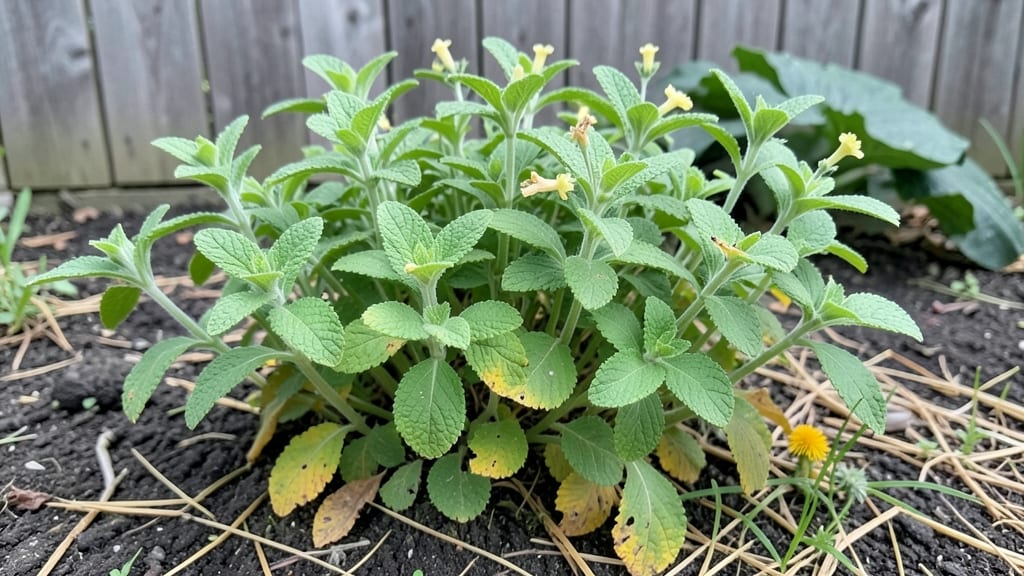
The lemon balm plant flowers you're about to grow aren't just pretty—they're a Pacific Northwest pollinator magnet that smells like sunshine and lemonade. I remember the first time I saw my lemon balm explode with tiny white blossoms in late June, drawing bees and butterflies like a fragrant party.
These flowers aren't just for show; they're the plant's way of rewarding you for good care.
Lemon balm thrives in partial shade, making it perfect for our cloudy summers, and it's shockingly easy to grow from just a few cuttings. The key to those abundant flowers? Regular pruning after blooming to keep the plant bushy, and avoiding overwatering—soggy soil means fewer blossoms.
Most varieties bloom from June through August, and if you deadhead spent flowers, you might even get a second flush in fall.
What you'll end up with is a lush, fragrant perennial that spreads gently and comes back stronger every year. The flowers may be small, but their cumulative effect is stunning—imagine a cloud of white blooms against deep green leaves, all smelling like your grandma's lemonade.
Plus, the more you harvest the leaves, the more the plant focuses on producing flowers and new growth.
Works beautifully in garden beds, containers, or even as a living border. The best part? Once established, lemon balm practically takes care of itself—just give it space to spread and watch the pollinators flock. Ready to turn your corner of the PNW into a fragrant haven?
📚 In This Guide
- What you need
- Instructions
- Tips and common mistakes
- Wrapping up and next steps
What you need
- ● Lemon balm plants: Option 1: 3–5 healthy nursery-grown plants (6-inch pots, bare-root, or potted)
- ● Option 2: Seeds (start indoors 8–10 weeks before last frost or direct-sow in spring)
- ● Option 3: Cuttings (6–8 inches long, from a mature lemon balm plant)
- ● Growing medium: Well-draining, moist but not soggy soil (pH 6.0–7.0)
- ● Compost or aged manure (1–2 cups per planting hole for nutrients)
- ○ Optional: Perlite or sand (1 part) mixed with potting soil for container gardening
- ● Garden trowel or transplant spade
- ○ Gloves (optional but recommended—lemon balm can be slightly sticky!)
- ● Watering can or hose with a gentle spray nozzle
- ● Pruning shears (for harvesting flowers or controlling growth)
- ○ Optional: Mulch (straw or shredded leaves to retain moisture)
- ● Container pots (12–18 inches deep with drainage holes, if growing in pots)
- ● Row cover or netting (to protect flowers from pests like aphids)
- ● Sunlight: Partial shade to full sun (3–6 hours of sunlight daily; PNW’s mild climate favors morning sun + afternoon shade)
- ● Water: Consistent moisture (1–2 inches per week; drought-tolerant once established)
- ● Space: 18–24 inches apart in rows or clusters (lemon balm spreads aggressively!)
- ● Pro Tip: 💡 Test your soil for nitrogen levels—lemon balm thrives with moderate fertility but can become leggy if over-fertilized.
How to grow and care for flowering lemon balm in the Pacific Northwest
This hardy perennial thrives in our region's mild summers and damp winters—here's how to coax those fragrant blooms.
Choose the Right Location for Maximum Blooms
Lemon balm loves partial shade to full sun—in the Pacific Northwest, that means 4-6 hours of morning sun with afternoon shade protection. I plant mine where dappled sunlight filters through trees, which prevents the leaves from scorching while still encouraging flowering. The key is avoiding hot afternoon sun that can stress plants during our humid summers.
Test your spot by observing how sunlight moves across it throughout the day. If the area stays moist (which PNW gardens often do), that's perfect—lemon balm dislikes drying out. Watch for areas where other perennials thrive; if they're happy, your lemon balm will be too.
Plant with Proper Spacing for Airflow and Pollinators
Space your lemon balm 18-24 inches apart to give each plant room to spread and prevent fungal diseases that thrive in crowded, damp conditions. I dig holes just deep enough to accommodate the root ball, then mix in a handful of compost to give them a nutrient boost right away. The reason for this spacing is twofold: it encourages stronger stems that support those fragrant flower spikes, and it allows pollinators like bees and butterflies to access the blooms easily.
Water thoroughly after planting to settle the soil around roots. You'll know it's right when the soil surface looks slightly firm but not compacted. Mulch with 2-3 inches of shredded bark to retain moisture and suppress weeds—this is especially important in our rainy climate where weeds compete aggressively.
Maintain Consistent Moisture Without Overwatering
Lemon balm prefers consistently moist soil but won't tolerate soggy conditions. In the Pacific Northwest, this means watering 1-2 times per week during dry spells (which are rare but happen in summer), or whenever the top 1-2 inches of soil feel dry. I check this by sticking my finger into the soil—if it comes out clean, it's time to water.
Here's where many gardeners go wrong: they assume more water equals better growth. Too much moisture leads to yellowing leaves and weak stems that can't support flower spikes. The goal is to keep the soil evenly damp, not waterlogged. You'll see healthy plants with glossy leaves and sturdy stems ready to produce those signature lavender flowers.
Prune Strategically to Encourage More Blooms
After the first flush of flowers appears in late spring, cut back one-third of the plant's height to promote bushier growth and more blooms. I do this in early summer when the flowers start to fade, using clean, sharp pruners to make cuts just above a set of leaves. The plant responds by putting energy into new growth rather than seed production, resulting in more flowers throughout the season.
Don't remove all the flowers at once—leave some to bloom and attract pollinators. You'll notice new flower spikes emerging from the sides within 2-3 weeks of pruning. This is your signal that the plant is happy and responding well to care. In fall, cut back again by half to tidy the plant before winter.
Protect from Winter Dampness and Pests
Our Pacific Northwest winters are mild but damp, which can lead to fungal issues. To prevent this, I apply a 2-inch layer of mulch around the base of plants in late fall. This insulates the roots while keeping them from sitting in cold, wet soil. Lemon balm is hardy to zone 4, but adding this extra protection gives it a fighting chance during our particularly wet winters.
Watch for aphids on new growth in spring—they love tender lemon balm leaves. If you see clusters of tiny insects, spray with neem oil or blast them off with a strong stream of water. Healthy plants develop a natural resistance, so maintaining good growing conditions prevents most pest problems.
Tips & tricks for growing flowering lemon balm in the Pacific Northwest
Here's how to maximize those fragrant blooms with PNW-specific strategies that'll have your lemon balm thriving.
Sunlight Strategy: That 4-6 hours of morning sun in Step 1 is crucial for blooms, but here's the thing: if your spot gets afternoon sun, use shade cloth (30-50% coverage) during the hottest hours. I've seen lemon balm in full afternoon sun get crispy edges while still producing flowers—just not as many. The goal is to mimic the dappled light under trees, which keeps leaves happy while encouraging flowering.
Spacing Secret: The 18-24 inch spacing in Step 2 might seem generous, but trust me on this—crowded plants develop weak stems that can't support those heavy flower spikes. I've seen plants in tight spaces produce flowers, but they flop over by midsummer. This spacing also prevents fungal issues that thrive in our damp climate, saving you from potential heartbreak later.
Watering Wisdom: When checking that top 1-2 inches of soil in Step 3, pay attention to the texture. Sandy soil will dry faster than clay—adjust your 1-2 times per week watering accordingly. I've found that in our rainy climate, the real challenge is avoiding overwatering during winter when rain already keeps soil moist. A moisture meter helps here, but even sticking your finger in gives you the right feel.
Pruning Payoff: That one-third height cut in Step 4 is where the magic happens for continuous blooms. I've noticed new flower spikes emerge from the sides within those 2-3 weeks, but here's the key: time your first prune right when the initial flowers start to fade—not when they're fully open. This ensures you're cutting back just as the plant is shifting energy from blooms to regrowth, maximizing your second flush.
Pro Tips for Lemon Balm Plant Flowers
- Here's how to maximize those fragrant blooms with PNW-specific strategies that'll have your lemon balm thriving.
- Sunlight Strategy: That 4-6 hours of morning sun in Step 1 is crucial for blooms, but here's the thing: if your spot gets afternoon sun, use shade cloth (30-50% coverage) during the hottest hours.
- Spacing Secret: The 18-24 inch spacing in Step 2 might seem generous, but trust me on this—crowded plants develop weak stems that can't support those heavy flower spikes.
Frequently asked questions
Got questions about growing and enjoying lemon balm plant flowers in the Pacific Northwest? You’re in the right place! Here are some of the most common queries—plus quick, actionable answers to help your garden thrive.
Do lemon balm flowers attract bees and other pollinators?
Lemon balm flowers are a magnet for bees, butterflies, and hummingbirds. The tiny white to pale yellow blooms (June–August in PNW) provide nectar and pollen, making this plant a pollinator’s dream. For extra buzz, plant it near other native perennials like lavender or bee balm.
How long does it take for lemon balm to flower?
In the Pacific Northwest’s mild climate, lemon balm typically flowers within 60–90 days of planting from seed (or earlier if started indoors). Established plants may bloom year-round in frost-free zones, but peak flowering occurs in late spring to summer. Patience pays off—first-year plants focus on roots!
Can I grow lemon balm from cuttings instead of seeds?
Yes! Lemon balm spreads aggressively via runners, so cuttings are a great (and free!) propagation method. Snip 3–4 inch stems with leaves, strip lower foliage, and root them in water or moist soil. Transplant once roots form (2–3 weeks). Pro tip: Use a rooting hormone for faster success!
Why isn’t my lemon balm flowering this year?
No flowers? Don’t panic! Common culprits in the PNW include:
- Over-fertilizing (too much nitrogen = leafy growth, no blooms).
- Poor sunlight (6+ hours of sun is ideal; shade = fewer flowers).
- Crowded roots (divide clumps every 2–3 years to rejuvenate).
- Late pruning (trim spent blooms after they fade to encourage new growth).
Are lemon balm flowers edible or useful for tea?
While the leaves are the star of lemon balm tea (calming and citrusy!), the flowers are technically edible but mild in flavor. You can steep them fresh or dried for a subtle floral note, but they’re best used sparingly. Pair with leaves for a brighter taste. Warning: Avoid if allergic to mint family plants!
Wrapping up and next steps
Lemon balm isn’t just a fragrant, low-maintenance perennial—it’s a pollinator magnet and a versatile addition to your Pacific Northwest garden. With its delicate white flowers, soothing aroma, and easy-care nature, it’s perfect for attracting bees, butterflies, and even hummingbirds while adding a touch of charm to your outdoor space.
Whether you’re growing it for its calming tea, pest-repelling properties, or simply its beauty, lemon balm delivers on all fronts!
Ready to plant your own? Grab your seeds or cuttings, pick a sunny spot, and let this resilient plant thrive—your garden (and your stress levels!) will thank you. Happy planting! 🌿✨