
Blooming
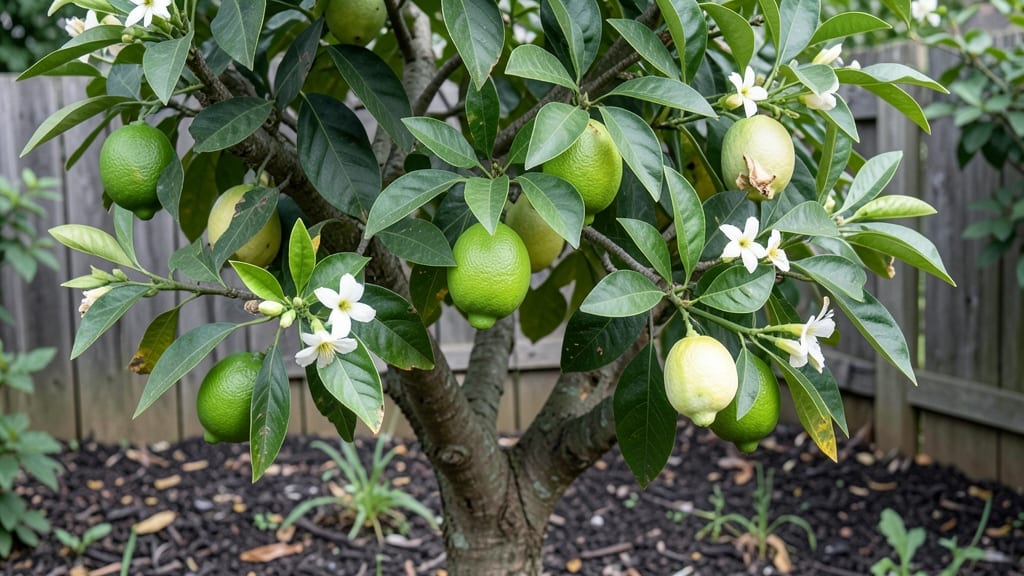
The lemon blossom flower transforms your garden into a fragrant paradise—its delicate white petals scenting the air like a citrus breeze. 🌸 I’ve grown these perennials for years, and they’re the secret weapon behind my homemade lemon tea and fragrant potpourri.
The key is mimicking their Mediterranean roots: well-draining soil, full sun, and just enough water to keep roots happy without drowning them.
These blossoms thrive with minimal fuss once you get their basic needs right. Start with a sunny spot (at least 6 hours of direct light daily), a mix of sand and compost for drainage, and regular pruning to encourage bushier growth.
In warmer climates, they’ll flower year-round; in cooler areas, expect a spring and fall show. The real magic happens when you protect them from frost—just a light blanket or moving potted plants indoors does the trick.
You’ll end up with fragrant blooms perfect for steeping in tea, garnishing desserts, or simply enjoying their intoxicating scent. The first flush of flowers arrives in 3-4 months for container-grown plants, and each blossom lasts just 24 hours—so timing your harvest is key.
Even better, the trees stay compact (3-6 feet tall) and produce edible fruit too.
Works beautifully in containers, along fences, or as a fragrant hedge. The only downside? Bees and butterflies will flock to your garden—consider that a bonus. Ready to grow your own citrus-scented paradise?
📚 In This Guide
- What you need
- Instructions
- Tips and common mistakes
- Wrapping up and next steps
What you need
- ● Lemon blossom seeds or cuttings: 3–5 seeds (if starting from scratch)
- ● OR 1–2 healthy cuttings (4–6 inches long, with 2–3 leaf nodes)
- ● Well-draining potting mix: 1–2 gallons (for seedlings) or 5+ gallons (for mature plants). Opt for a blend of cactus/succulent mix (60%) + perlite or coarse sand (40%) for aeration.
- ● Containers: Seedlings: 4–6 inch pots (3–5 pots)
- ● Mature plants: 15–20 gallon pots or in-ground planting in USDA Zones 9–11 (or greenhouses in colder climates).
- ● Slow-release fertilizer: 1–2 tbsp of balanced 10-10-10 or citrus-specific fertilizer per gallon of soil.
- ● Basic gardening tools: Trowel or small shovel
- ● Pruning shears (sterilized with rubbing alcohol)
- ● Spray bottle (for misting seedlings)
- ○ Optional but helpful: Humidity dome or plastic wrap (to retain moisture for seedlings)
- ● pH testing kit (ideal soil pH: 6.0–7.0)
- ● Drip irrigation system or watering can with a fine rose
- ● Support stakes (for taller varieties, though lemon blossoms are typically bushy)
- ● Sunlight: Full sun (6+ hours/day). Partial shade (3–4 hours) is tolerable in hot climates.
- ● Temperature: Thrives in 70–90°F (21–32°C). Protect from frost (<32°F/0°C).
- ● Humidity: Prefers 40–60%. Use a pebble tray or humidifier for indoor cultivation.
Step-by-step guide to growing lemon blossom flowers
Here’s how to cultivate these fragrant perennials for tea and garnishes—simple steps for a thriving, fragrant garden.
🌱 Step 1: Choose the Right Location and Soil
Lemon blossom flowers thrive in full sun—at least 6-8 hours of direct sunlight daily. I always pick the warmest, sunniest spot in my garden because these plants need heat to produce those signature fragrant blossoms. If your climate runs cooler, a sheltered southern exposure helps.
The soil should be well-draining and slightly acidic, around pH 6.0-7.0. Amend heavy clay with 2-3 inches of compost or sand to improve drainage. I like to work in a handful of aged manure or worm castings at planting time to give roots a nutrient boost. Lemon blossoms hate soggy feet, so raised beds or mounds work beautifully if your soil drains poorly.
☀️ Step 2: Plant at the Right Time and Depth
Plant lemon blossom cuttings or bare-root plants in early spring, just as new growth begins. This gives roots time to establish before summer heat sets in. Dig a hole twice as wide as the root ball but only as deep—planting too deep can suffocate the roots. Gently loosen any circling roots before placing the plant in the hole.
Backfill with soil, firming it lightly around the base. Water deeply right after planting to settle the soil and remove air pockets. You’ll know it’s done right when the soil surface looks slightly damp but not muddy. Mulch with 2 inches of organic mulch (like wood chips or straw) to retain moisture and suppress weeds—just keep it 2 inches away from the stem to prevent rot.
💧 Step 3: Water Consistently and Prune for Bushiness
Water lemon blossom flowers once a week during the first growing season, allowing the top 2 inches of soil to dry out between waterings. Once established, they’re surprisingly drought-tolerant, but consistent moisture encourages lush, fragrant blooms. I water in the early morning to reduce evaporation and fungal risks.
Prune lightly in late winter or early spring to shape the plant and encourage new growth. Cut back any dead or leggy stems to just above a leaf node, and trim back overgrown branches by one-third to promote bushier growth. This also prevents the plant from becoming too top-heavy, which can snap in wind or storms.
✂️ Step 4: Harvest Blossoms and Encourage More Flowers
Harvest lemon blossoms in the morning when their fragrance is strongest. Use clean, sharp scissors to snip stems just above a leaf or bud. This encourages the plant to produce more flowers. I like to harvest only 20-30% of the blooms at a time to keep the plant flowering continuously.
To preserve the fragrance, dry the blossoms by tying small bundles with twine and hanging them upside down in a dry, dark, well-ventilated space for 1-2 weeks. Once fully dried, store them in an airtight container away from light. You’ll know they’re ready when they crumble slightly between your fingers but still hold their shape.
🪴 Step 5: Overwinter for Next Year’s Blooms
Lemon blossom flowers are hardy in USDA zones 8-11 but need protection in cooler climates. In fall, apply a 4-inch layer of mulch around the base to insulate roots. If temperatures drop below 20°F, cover the plant with burlap or frost cloth to shield it from cold snaps.
Prune back any dead or damaged growth in early spring before new shoots emerge. This helps the plant redirect energy into producing fresh, fragrant blossoms. With proper care, your lemon blossom flowers will reward you with years of fragrant blooms for tea, garnishes, and even homemade perfumes.
Tips & tricks for perfect lemon blossom flowers
Here's what I've learned after growing these fragrant beauties for years—simple tricks that make all the difference between a struggling plant and a thriving, blooming garden star.
Sunlight Secret: Those 6-8 hours of sunlight are non-negotiable, but here's the thing: morning sun is more important than afternoon. The intense afternoon heat can actually scorch delicate blossoms. I've found that planting near a south-facing wall helps capture extra warmth without the harsh afternoon glare. If you're in a cooler climate, consider using a cold frame during the growing season to extend the warm season.
Soil Test Tip: Don't guess about that pH 6.0-7.0 range—get a soil test kit from your local garden center. I've seen plants struggle in soil that looked perfect but was actually too alkaline. If your test shows pH above 7.0, mix in some sulfur or peat moss to bring it down. For heavy clay soil, I like to create raised beds with a mix of 60% topsoil, 30% compost, and 10% sand to ensure proper drainage.
Pruning Precision: When you're trimming back those overgrown branches by one-third in late winter, here's a pro move: always cut at a 45-degree angle just above a leaf node. This creates a larger surface for new growth to emerge. I also recommend sterilizing your pruners with rubbing alcohol between cuts to prevent spreading disease. And remember, the goal is to open up the center of the plant for better air circulation and sunlight penetration.
Harvesting Hack: For the most fragrant blossoms, harvest when they're just starting to open but haven't fully bloomed yet. I've found that using a pair of clean, sharp scissors is better than pulling stems by hand—it prevents damaging the plant. After harvesting, immediately place the blossoms in cold water in the fridge if you can't dry them right away. This preserves their fragrance until you're ready to use them.
Pro Tips for Lemon Blossom Flower
- Here's what I've learned after growing these fragrant beauties for years—simple tricks that make all the difference between a struggling plant and a thriving, blooming garden star.
- Sunlight Secret: Those 6-8 hours of sunlight are non-negotiable, but here's the thing: morning sun is more important than afternoon.
- Soil Test Tip: Don't guess about that pH 6.0-7.0 range—get a soil test kit from your local garden center.
Frequently asked questions
Got questions about growing, harvesting, or using lemon blossom flowers? Here are some of the most common ones—and their answers!
When is the best time to harvest lemon blossom flowers?
The best time to harvest lemon blossom flowers is in the early morning when they’re fully open but still fragrant. Avoid harvesting after rain or late in the day, as the scent fades and moisture can cause wilting. Use sharp scissors to snip stems just above a leaf node to encourage new growth.
Can I use lemon blossom flowers in cooking if I don’t have a lemon tree?
If you can’t grow your own, look for dried lemon blossoms in specialty spice shops, online markets, or Middle Eastern grocery stores. They’re often sold as "souq" or "zahr" and work perfectly in teas, desserts, and savory dishes. Just ensure they’re pesticide-free for culinary use.
How long do lemon blossom flowers stay fresh after picking?
Fresh lemon blossoms last about 3–5 days in the fridge if stored in a sealed container with a damp paper towel. For longer storage, dry them in a cool, dark place for 1–2 weeks. Once dried, they retain their aroma for months—ideal for teas, potpourri, or garnishes!
Why aren’t my lemon blossom flowers blooming?
Lemon trees need full sun (6+ hours daily), well-draining soil, and regular watering (but not soggy roots). If blooms are sparse, check for these common issues:
- Cold drafts or sudden temperature drops
- Overwatering (let soil dry slightly between waterings)
- Nutrient deficiency (feed with citrus-specific fertilizer in spring)
What’s the best way to use lemon blossom tea?
Steep 1–2 fresh or dried blossoms in hot (not boiling) water for 5–10 minutes. For extra flavor, add a slice of lemon or a cinnamon stick. This tea is caffeine-free, soothing, and traditionally used to aid digestion. Pro tip: Store brewed tea in the fridge for up to 3 days!
Wrapping up and next steps
The lemon blossom flower isn’t just a fragrant delight—it’s a versatile, low-maintenance perennial that elevates teas, dishes, and gardens alike.
Whether you’re sipping its citrusy-infused brew, garnishing a dish, or savoring its sweet aroma, this flower brings joy and practicality to any space. Why not take the next step? Plant one in your garden, experiment with its flavors, or share its beauty with fellow plant lovers—your senses (and taste buds!) will thank you.
- 🌱 Start small: Grow a few plants in pots or your yard.
- 🍵 Brew or bake: Try lemon blossom tea or infuse it into desserts.
- 💬 Share the love: Gift a cutting or post your creations online!