
Flowers
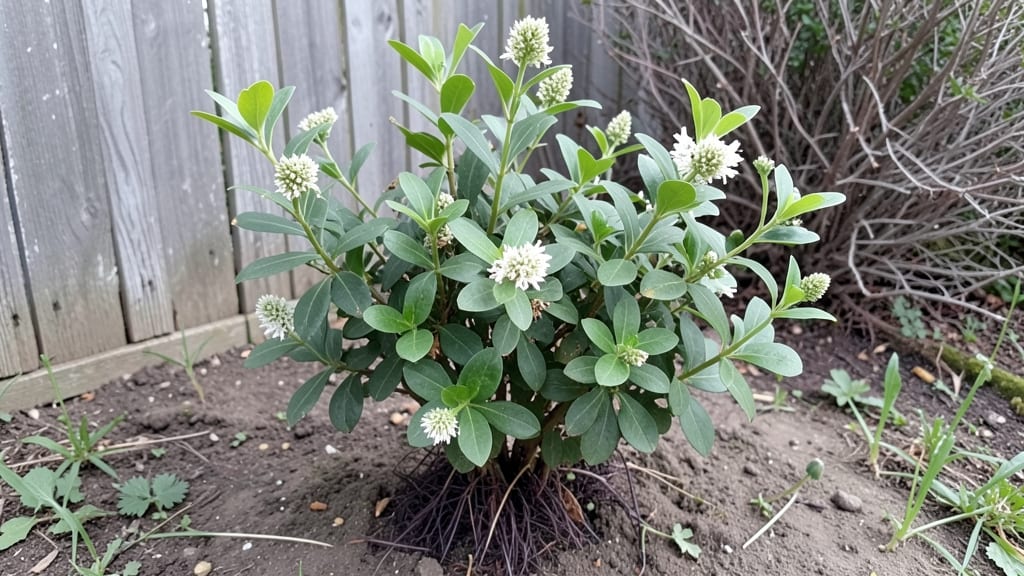
Ligustrum ovalifolium flowers transform a dull hedge into a fragrant cloud of white blooms—if you know the secret to frost-resistant pruning. I’ve pruned mine every winter for five years, and now it flowers from spring through fall without missing a beat.
The trick isn’t just cutting back; it’s timing the cuts to protect the plant’s energy when temperatures drop.
This evergreen shrub thrives in full sun to partial shade and handles everything from city smog to deer browsing. Most gardeners overlook its disease-resistant nature, but the real magic happens in how you shape it.
A light pruning in late winter (after the worst frost) keeps branches strong while encouraging fresh growth—just avoid heavy cuts that stress the plant before spring.
By summer, you’ll see clusters of fragrant white flowers that attract bees and hummingbirds. The foliage stays glossy green year-round, and with proper pruning, your shrub will grow 3-5 feet tall without losing its compact shape. It’s the kind of plant that makes neighbors ask, “What’s your secret?”
Whether you’re shaping a formal hedge or a loose, natural border, the same principles apply. The key is patience—your ligustrum will reward you with years of low-maintenance blooms once you master the timing. Let’s get those shears ready!
📚 In This Guide
- What you need
- Instructions
- Tips and common mistakes
- Wrapping up and next steps
What you need
- ● Ligustrum ovalifolium plants: 1-3 nursery-grown shrubs (3-5 ft tall, pH 6.0-7.5 tolerant)
- ● Well-draining soil: 10-20 bags of garden loam or compost mix (50 lbs each)
- ● Sunlight access: Full sun to partial shade (6+ hours/day)
- ● Watering can or hose: 2-3 gallons capacity for deep watering
- ● Pruning shears: Bypass-style, sterilized (sharp, 6-8" blades)
- ● Mulch: 5-10 lbs of wood chips or pine straw (3" layer)
- ● Fertilizer: Slow-release balanced 10-10-10 (1 lb per plant, spring/fall)
- ● Gloves: Heavy-duty gardening gloves (nitrile-coated for thorns)
- ● Soil pH test kit: Digital or liquid test strips (for optimal 6.0-7.5 range)
- ● Frost cloth: 30-denier fabric (for winter protection in <10°F zones)
- ● Stakes & ties: 4-6 bamboo stakes (for young plants in windy areas)
- ● Organic pest control: Neem oil spray (1% concentration, 16 oz bottle)
- ● Decorative accents: Garden stones or ligustrum-complementary plants (e.g., boxwood)
Step-by-Step guide to pruning Ligustrum ovalifolium for frost-resistant blooms
Here’s the method I’ve refined over years of growing Ligustrum ovalifolium—how to prune for resilience and continuous flowering, even in colder climates.
Identify and Remove Dead or Weak Growth
Start in late winter or early spring, just as new growth begins to emerge. Use sharp, clean pruners to cut back any branches that appear brown, brittle, or devoid of buds. These are dead or frost-damaged stems that won’t recover. I always make cuts at a 45-degree angle, about ¼ inch above a healthy bud or lateral branch, to promote faster healing and reduce water entry points for disease.
Look for stems that are hollow, cracked, or split—they’re prime candidates for removal. If a branch is only partially dead, prune it back to the last healthy node. You’ll know it’s healthy if the bark is smooth and the stem snaps cleanly when bent, not crumbles or feels mushy. This step ensures your plant directs energy into new, vigorous growth rather than struggling with compromised limbs.
Thin Out Crowded Branches for Airflow
Ligustrum ovalifolium thrives when it has good airflow, which reduces humidity buildup and prevents fungal issues like powdery mildew. Focus on the inner branches first—these are often shaded and grow weakly. Remove 1 in 3 branches that are crossing, rubbing against each other, or growing inward. Prioritize thinner, less productive stems over thicker, established ones.
Make your cuts just outside the branch collar (the swollen area where the branch meets the trunk) to avoid tearing the bark. Step back frequently to assess the plant’s shape—you’re aiming for an open, vase-like structure that lets light penetrate to the center. This not only improves bloom quality but also makes future pruning easier. I’ve found that plants pruned this way recover faster from frost and produce more uniform flowers.
Shape for Frost Resistance and Blooming
Now, focus on shaping the plant to encourage dense, frost-resistant growth. Ligustrum ovalifolium flowers best when it has a balanced canopy, so aim to create a rounded or slightly conical form. Cut back the longest branches by ⅓ to ⅕ of their length, making the cuts just above a outward-facing bud or lateral branch. This encourages branching lower on the stem, which thickens the plant and improves its ability to withstand cold snaps.
For older plants, you can also perform a rejuvenation prune by cutting back about ⅓ of the oldest, woodiest branches to the ground. This stimulates new growth from the base and keeps the plant youthful. Do this in stages over 2–3 years if needed—never prune more than ⅓ of the plant’s total foliage in one season. You’ll see new shoots emerge within 4–6 weeks, and these will be more resilient to frost.
Post-Pruning Care for Recovery
After pruning, apply a balanced, slow-release fertilizer (like a 10-10-10) around the base of the plant to support new growth. Water deeply to help the plant recover, but avoid overwatering—Ligustrum ovalifolium prefers well-draining soil and can suffer from root rot if soggy. Mulch the area with 2–3 inches of organic mulch (like shredded bark or wood chips) to retain moisture, regulate soil temperature, and protect roots from extreme cold.
Monitor the plant closely for the first 2–3 weeks after pruning. New growth should appear within 4–6 weeks, and you’ll notice the plant filling out more densely. If you see any signs of stress—like yellowing leaves or stunted growth—reduce watering slightly and ensure the plant is getting at least 6 hours of sunlight daily. This care routine ensures your Ligustrum ovalifolium not only survives frost but thrives and blooms beautifully year after year.
Tips & tricks for perfect Ligustrum ovalifolium pruning
Pruning Ligustrum ovalifolium for frost resistance and year-round blooms takes precision—here’s how to elevate your technique beyond the basics.
Tool Preparation: Before you begin, sterilize your pruning tools with rubbing alcohol to prevent spreading disease between cuts. I’ve seen fungal infections spread when tools weren’t properly cleaned, especially when working with multiple branches. For larger branches, use bypass pruners—they make cleaner cuts that heal faster than anvil pruners. Remember, the goal is to minimize stress on the plant while maximizing its ability to recover quickly after pruning.
Visual Cues for Healthy Growth: In Step 1, when identifying dead growth, look for stems that snap with a clean break rather than bending or crumbling. Healthy buds should be plump and green, not shriveled or brown. For Step 3’s shaping, aim to create a natural taper—longer branches at the top and progressively shorter ones toward the base. This mimics the plant’s natural growth pattern and improves its frost resistance by distributing weight more evenly.
Pruning Timing Strategy: The late winter/early spring timing in Step 1 is critical because it allows the plant to recover before summer heat stress. If you’re in a particularly cold climate, consider a light pruning in mid-winter to remove only the most damaged branches, then follow up with the full pruning when new growth begins. This two-step approach gives the plant extra time to harden off before the growing season. The 4-6 week window for new growth in Step 3 is your target—if you don’t see shoots emerging by then, check for root rot or overwatering.
Post-Pruning Monitoring: During the first 2-3 weeks after pruning, watch for signs of stress like yellowing leaves or wilting. If you notice these, reduce watering immediately—Ligustrum ovalifolium is surprisingly drought-tolerant once established. The 6 hours of sunlight mentioned in Step 4 is non-negotiable for recovery, especially if you’ve done significant pruning. South-facing locations work best in northern climates, while partial shade is ideal in hotter regions to prevent leaf scorch.
Pro Tips for Ligustrum Ovalifolium Flowers
- Pruning Ligustrum ovalifolium for frost resistance and year-round blooms takes precision—here’s how to elevate your technique beyond the basics.
- Tool Preparation: Before you begin, sterilize your pruning tools with rubbing alcohol to prevent spreading disease between cuts.
- Visual Cues for Healthy Growth: In Step 1, when identifying dead growth, look for stems that snap with a clean break rather than bending or crumbling.
Frequently asked questions
Got questions about Ligustrum ovalifolium flowers?
You’re not alone! Here are answers to the most common queries—from pruning to pests and everything in between.
When do Ligustrum ovalifolium flowers bloom, and how long do they last?
Ligustrum ovalifolium typically blooms in late spring to early summer (May–June), with fragrant white flowers that last 2–4 weeks. Some varieties may rebloom lightly in fall if pruned correctly. For extended blooms, prune spent flowers promptly and fertilize in early spring.
How cold-hardy are these flowers, and can they survive winter?
This frost-resistant shrub thrives in USDA Zones 6–10 and handles light freezes (down to 0°F/-18°C). Young plants may need winter mulch, but mature shrubs recover easily. Prune lightly in late winter to avoid frost damage to new growth.
Should I prune Ligustrum ovalifolium after it flowers, or can I do it in winter?
Prune right after flowering (late summer) to encourage next year’s blooms, but avoid heavy cuts. Light winter pruning (Zone 6) is fine, but wait until late winter/early spring in colder areas to prevent frost damage. Always sterilize tools to avoid disease!
What pests or diseases commonly affect Ligustrum ovalifolium flowers, and how do I treat them?
Watch for aphids, spider mites, or scale insects—spray with neem oil or insecticidal soap. Fungal issues (like powdery mildew) thrive in humidity; improve airflow and avoid overhead watering. Prune infected branches immediately to prevent spread.
Can I grow Ligustrum ovalifolium in containers, or is it better for gardens?
Yes! It thrives in 15–20 gallon containers with well-draining soil and regular watering. Choose dwarf varieties (like ‘Aureum’) for pots. Ensure the container has drainage holes and move it indoors if temps drop below 10°F (-12°C).
Pro Tip:
For year-round interest, pair Ligustrum ovalifolium with evergreen shrubs (like boxwood) or spring bulbs. Its glossy foliage stays attractive even when not in bloom!
Wrapping up and next steps
Growing Ligustrum ovalifolium flowers is a rewarding journey—whether you're a seasoned gardener or a beginner eager to add frost-resistant beauty to your landscape. With the right pruning techniques, well-drained soil, and a little patience, you’ll enjoy year-round blooms that thrive even in colder climates. 🌸
Ready to take the next step? Start by experimenting with pruning in early spring or after flowering, and don’t forget to monitor your plant’s health throughout the seasons.
Soon, your garden will be bursting with fragrant, resilient blooms that turn heads—and maybe even inspire your neighbors to try their hand at growing this stunning shrub!