Planting
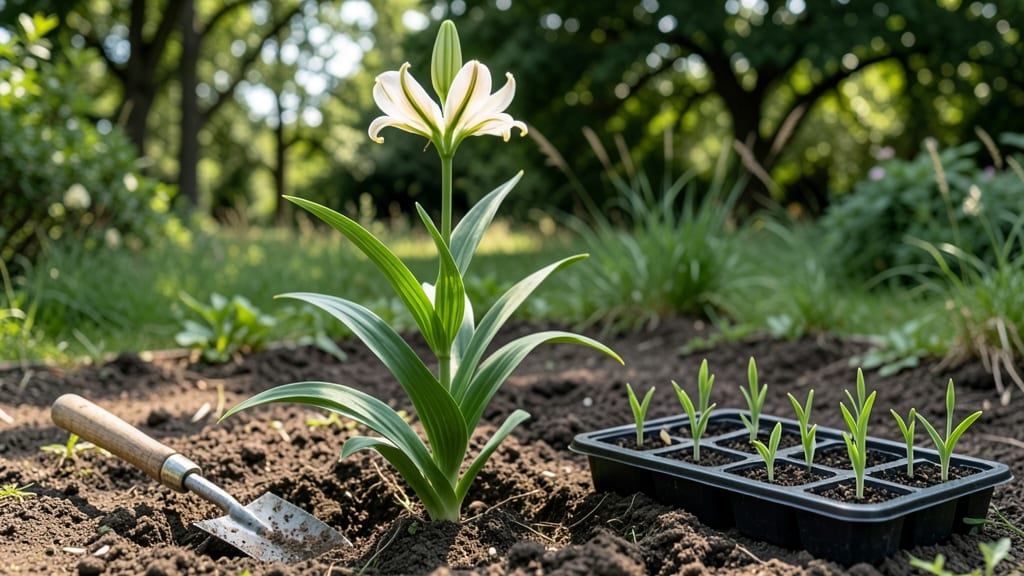
Planting lily flower bulbs in early fall guarantees those towering stems and dramatic blooms by next summer—just as long as you get them in the ground before the first hard frost. 🌱 I’ve watched my own lilies go from a forgotten patch of dirt to the showstopper of my garden, and the secret isn’t fancy soil or rare varieties—it’s timing and a little prep work.
The best time to plant depends on where you live: in cooler climates like USDA zones 3-5, aim for late September to October, while warmer zones (6-9) can wait until November.
The key is getting bulbs in when soil temps drop to 50-60°F—they need a chill period to root before spring growth. A quick soil test ensures good drainage, since soggy roots mean rot, not blooms.
Three months later, you’ll see those bold, sword-like leaves pushing through the soil, followed by giant blooms that last for weeks. Oriental lilies smell like perfume, while Asiatic types burst with color—both types thrive with minimal fuss once planted right.
Just remember: mulch after planting to protect bulbs through winter, and avoid overwatering once growth starts in spring.
Works for borders, cutting gardens, or even containers—just pick a spot with full sun and room for stems to reach their full height. Whether you’re a first-timer or a seasoned gardener, these bulbs deliver drama with almost no effort. Let’s get those blooms growing!
📚 In This Guide
- What you need
- Instructions
- Tips and common mistakes
- Wrapping up and next steps
What you need
- ● Lily flower bulbs: Choose from varieties like Asiatic, Oriental, Trumpet, or Stargazer lilies. Buy 5–10 bulbs for a vibrant display (more for larger gardens). Ensure bulbs are firm, plump, and free of mold.
- ● Well-draining potting mix or garden soil: For containers: Use a high-quality potting mix (e.g., Miracle-Gro Potting Mix) blended with 20–30% perlite or sand for aeration.
- ● For in-ground planting: Amend soil with compost (2–3 inches) and a balanced fertilizer (10-10-10).
- ○ Containers (optional but helpful): If planting in pots, use 5–7 gallon containers with drainage holes. Terracotta or fabric pots work best.
- ● Garden trowel or bulb planter: A sharp, sturdy trowel (like the Fiskars Steel Trowel) makes planting easier.
- ● Watering can or hose with a gentle nozzle: Lilies need consistent moisture but hate soggy soil.
- ● Mulch: 2–3 inches of straw or shredded bark to retain moisture and regulate soil temperature.
- ● Slow-release fertilizer (10-10-10 or bulb-specific): Apply 1–2 tablespoons per bulb at planting time.
- ● Plant supports: Bamboo stakes or floral wire to secure tall stems (especially for Trumpet lilies).
- ● Garden gloves: Protect your hands from thorns (some lily varieties have them!).
- ● Soil pH test kit: Lilies prefer slightly acidic to neutral soil (pH 6.1–7.0). Adjust with lime or sulfur if needed.
How to grow stunning lily flower bulbs in containers
Here's how I transform those bold bulbs into dramatic, towering blooms—no green thumb required.
🪴 Step 1: Select the Right Containers and Soil Mix
Lilies need room to grow, so choose containers that are at least 12 inches deep and 8 inches wide for each bulb. I use terracotta pots because they breathe well and prevent root rot. Make sure each container has drainage holes—lilies hate soggy feet.
Fill the bottom third of the pot with a well-draining mix of 50% potting soil and 50% perlite or coarse sand. This prevents waterlogging while still holding moisture. Tap the pot gently to settle the mix before adding your bulbs.
🌱 Step 2: Plant Bulbs at the Correct Depth and Spacing
Place each bulb in the pot with the pointy end facing up—this is where the stem will emerge. Press it into the soil until the top third of the bulb is exposed. If you bury it too deep, the stem will struggle to push through, and you’ll end up with weak growth.
For 4 bulbs per container, space them evenly around the edges, about 3-4 inches apart. This gives their roots room to spread without competing for space. Once planted, water lightly to settle the soil around the bulbs.
☀️ Step 3: Position for Sunlight and Water Properly
Lilies love full sun to partial shade—at least 6 hours of direct sunlight daily. A south-facing window or a spot in your garden with morning sun and afternoon shade works best. If you notice the leaves yellowing or wilting, it’s a sign they’re getting too much heat.
Water deeply once a week until the top inch of soil feels dry. Lilies are drought-tolerant once established, but they need consistent moisture while the stems are growing. Avoid getting water on the bulbs themselves—this can cause rot.
🌿 Step 4: Fertilize and Support for Towering Blooms
After 4-6 weeks, when you see new shoots emerging, feed your lilies with a balanced, water-soluble fertilizer (like 10-10-10) diluted to half strength. This encourages strong root and stem growth. Repeat every 4 weeks until blooming time.
As the stems grow taller, they’ll need support. I use bamboo stakes or small cages inserted gently into the soil beside each bulb. Tie the stems loosely with soft plant ties as they grow—this keeps them upright without restricting airflow.
⏰ Step 5: Deadhead and Prepare for Next Season
Once the blooms fade, snip off the spent flowers but leave the foliage intact. The leaves continue feeding the bulb for 6-8 weeks after blooming—this ensures next year’s flowers will be even bigger. Water regularly until the leaves turn yellow and die back naturally.
In fall, reduce watering and let the soil dry out. Store the pot in a cool, dark place (like a garage) until spring. With proper care, your lilies will reward you with bold, dramatic blooms year after year.
Tips & tricks for perfect lily flower bulbs in containers
Here's what nobody tells you about growing those showstopping lilies—tricks that'll make all the difference between average and show-stopping blooms.
Container Selection: Terracotta pots aren't just my favorite—they're essential for lilies. The porous material helps regulate moisture and prevents those dreaded soggy feet. If you must use plastic, add extra drainage holes and consider elevating the pot on a saucer. For extra-large blooms, go bigger than the minimum 12-inch depth—14 inches gives roots more room to develop those dramatic stems.
Soil Mix Matters: That 50/50 potting soil to perlite ratio is non-negotiable for preventing rot, but here's the secret: add a handful of orchid bark to the mix. It improves aeration while still holding moisture, and your lilies will reward you with stronger growth. Mix it thoroughly before planting—uneven distribution can lead to uneven growth.
Planting Depth Visual: When planting, imagine the top third of the bulb should be exposed like the waterline on a ship. If you're unsure, use a toothpick to mark the soil level before pressing the bulb in. This simple trick prevents the common mistake of burying bulbs too deep, which stunts stem growth and reduces bloom size.
Sunlight Strategy: Those 6 hours of sunlight are your minimum, but here's the pro move: rotate your containers every couple of weeks so all sides get equal exposure. This creates more balanced growth and prevents stems from leaning toward the light. In hot climates, provide afternoon shade to protect delicate leaves from scorching.
Pro Tips for Lily Flower Bulbs
- Here's what nobody tells you about growing those showstopping lilies—tricks that'll make all the difference between average and show-stopping blooms.
- Container Selection: Terracotta pots aren't just my favorite—they're essential for lilies.
- Soil Mix Matters: That 50/50 potting soil to perlite ratio is non-negotiable for preventing rot, but here's the secret: add a handful of orchid bark to the mix.
Frequently asked questions
Got questions about growing lily flower bulbs? You’re not alone! Here are answers to the most common queries to help you cultivate stunning blooms with confidence.
When is the best time to plant lily bulbs?
Plant lily flower bulbs in early spring (after the last frost) or in fall (6–8 weeks before the first frost). Spring planting gives them time to establish roots before summer heat, while fall planting lets them naturalize and bloom the following year. Avoid planting in freezing soil—wait until temperatures stabilize above 40°F (4°C).
How long does it take for lilies to bloom after planting?
With proper care, most lily varieties bloom 3–4 months after planting (typically mid-to-late summer). Early bloomers like Asiatic lilies may flower sooner, while Oriental lilies take a little longer. Patience pays off—healthy bulbs reward you with bold, fragrant blooms!
How often should I water lily bulbs?
Water deeply once a week during the first growing season to encourage root development. Once established, lilies are drought-tolerant but appreciate 1–2 inches of water per week. Avoid soggy soil—mulch around the base to retain moisture and prevent weeds. Pro tip: Reduce watering as blooming season approaches to prolong flower life.
What pests or diseases should I watch for with lily bulbs?
Lilies are generally hardy, but keep an eye out for lily beetles (red with black spots), aphids, or fungal rot in overly wet conditions. Handpick beetles or use neem oil for organic control. For fungal issues, improve drainage and avoid overhead watering. Pro tip: Plant bulbs in full sun (6+ hours/day) to deter pests and diseases.
Can I grow lilies from store-bought cut flowers?
Unfortunately, no—lilies grown from cut stems won’t produce bulbs or rebloom. To propagate, you’ll need to purchase certified disease-free bulbs from a nursery. Bonus tip: Divide mature lily clumps every 3–4 years in early spring to refresh growth and share bulbs with fellow gardeners!
Wrapping up and next steps
Growing lily flower bulbs is a rewarding journey that brings bold beauty to your garden in just three months! With the right soil, sunlight, and care, you’ll enjoy stunning blooms that add elegance and charm to any space.
Whether you’re a seasoned gardener or a beginner, these tips make it simple and exciting.
Ready to dive in? Start by selecting your favorite lily bulbs—then grab your gardening tools and get planting! Your garden’s next masterpiece is just a few weeks away. 🌸✨