
Flowers
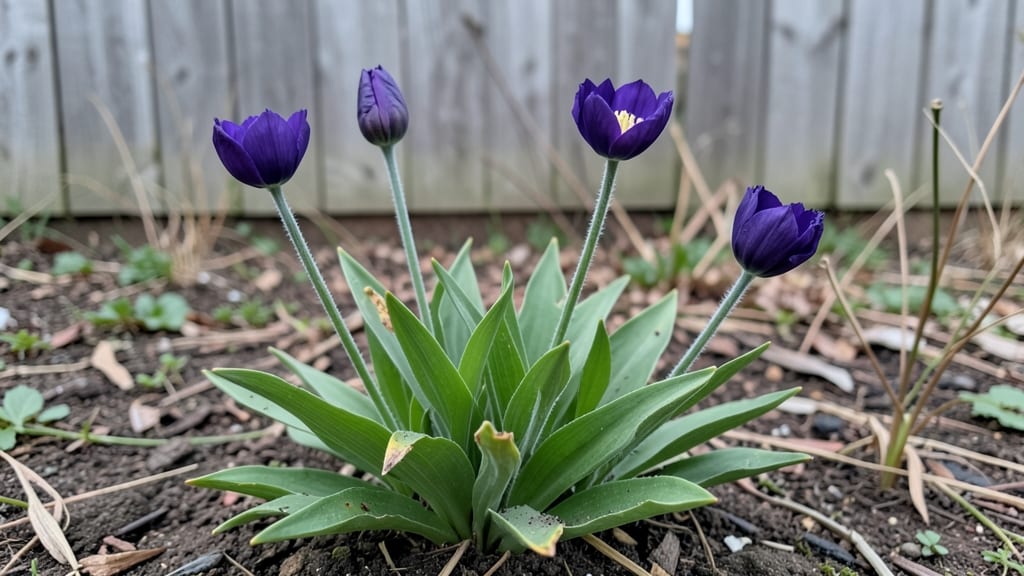
The velvety lisianthus flower purple thrives in cool climates, gifting bouquets with dreamy blooms that last forever—when you master the care.
I learned the hard way that these flowers need patience and the right touch, but once you get it right, they reward you with months of lush, deep-purple blooms that outshine even the most prized roses.
The secret starts with soil that drains well but stays moist—think rich, loamy garden mix with a touch of compost. Purple lisianthus thrives in partial shade, making it perfect for gardens where full sun would scorch delicate petals.
Plant in early spring or late summer, and keep an eye out for those first dark-green leaves signaling strong roots before the flowers even appear.
What makes these flowers special is how they age beautifully—still stunning days after cutting. The blooms stay vibrant in cool weather, and with proper care, you’ll harvest dozens of stems per plant.
The key is consistent moisture without soggy soil and a balanced fertilizer every 4-6 weeks to keep the color rich and the growth steady.
Whether you’re tucking them into cottage gardens or crafting long-lasting bouquets, purple lisianthus adds drama without the fuss. They’re forgiving once established, but the first year is all about getting the timing and conditions just right. Let’s get those roots settled for a season of velvety perfection.
📚 In This Guide
- What you need
- Instructions
- Tips and common mistakes
- Wrapping up and next steps
What you need
- ● Purple lisianthus seeds or seedlings: Choose Eustoma grandiflorum varieties like ‘Purple Dream’ or ‘Blue Bell’ (ensure they’re cold-hardy). Quantity: 10–20 seeds or 5–10 seedlings for a small garden patch.
- ● Well-draining potting mix: A blend of 50% peat moss, 30% perlite, and 20% vermiculite (or a commercial seed-starting mix). Quantity: 1–2 gallons for seedlings.
- ● Containers or garden beds: Seedlings: 4–6 inch biodegradable pots or cell packs (for transplanting).
- ● Mature plants: Full-sun garden beds with 6–12 inches of spacing between plants (or 1-gallon pots for container growing).
- ● Slow-release fertilizer: A balanced 10-10-10 or 5-10-10 formula (organic options like fish emulsion work too!). Quantity: 1–2 tbsp per plant.
- ● Mulch: Straw or shredded bark (2–3 inches thick) to retain moisture and regulate soil temp.
- ● Hand trowel or small shovel (for transplanting seedlings).
- ● Spray bottle (for gentle watering of seeds).
- ● Grow lights or sunny windowsill (if starting indoors; 12–16 hours of light/day for seedlings).
- ● Pruning shears (for deadheading spent blooms and shaping plants).
- ○ pH testing kit (optional but helpful—lisianthus prefers pH 6.0–6.5).
- ○ Cold frame or greenhouse (optional, for extending the growing season in USDA Zones 8–10).
- ● Climate: Cool to moderate temperatures (ideal for spring/fall planting; avoid extreme heat 85°F/29°C).
- ● Sunlight: Full sun (6+ hours/day) for best blooms (partial shade in hot climates).
- ● Watering routine: Consistent moisture (keep soil damp but not soggy—lisianthus hates drought!).
- ● Patience: Seeds take 10–14 days to germinate; full blooms in 80–120 days!
Step-by-step guide for growing purple lisianthus
Here's how I grow these velvety blooms reliably—even in cooler zones where they truly shine.
Choose the Right Location and Prepare the Soil
Purple lisianthus thrives in full sun to partial shade, with at least 6 hours of sunlight daily. I plant mine where they get morning sun and afternoon shade in hotter climates—this prevents the flowers from fading too quickly. The soil needs to be well-draining but moisture-retentive, with a pH between 6.0 and 6.5. If your soil is heavy clay, mix in 2-3 inches of compost to improve drainage and fertility.
Work the soil to a depth of 12 inches, removing any weeds or debris. Lisianthus roots spread moderately, so space plants 18-24 inches apart to allow for airflow and prevent disease. If planting in containers, ensure pots are at least 12 inches deep and have drainage holes to prevent root rot.
Plant Seeds or Transplants at the Right Time
For cooler climates, start seeds indoors 10-12 weeks before the last frost date, using biodegradable pots to avoid disturbing roots during transplanting. Sow seeds ¼ inch deep in a well-draining seed-starting mix, keeping the soil consistently moist at 65-75°F until germination, which typically occurs in 10-14 days. If using transplants, wait until after the last frost when soil temperatures are consistently above 55°F.
When transplanting outdoors, harden off seedlings by placing them in a sheltered spot for 1-2 hours the first day, gradually increasing exposure over 7-10 days. This helps them adjust to outdoor conditions without shock. Plant seedlings at the same depth they were growing in their containers, and water deeply right after planting to settle the soil around the roots.
Water and Fertilize for Strong Growth
Lisianthus prefers consistent moisture but hates soggy soil. Water 1-1.5 inches per week, ensuring the top 2 inches of soil remain slightly moist. I water deeply in the morning to allow foliage to dry before evening, reducing the risk of fungal diseases like powdery mildew. Mulch around the base with 2-3 inches of organic mulch to retain moisture and suppress weeds.
Feed plants with a balanced, water-soluble fertilizer (10-10-10) every 3-4 weeks during the growing season. Once buds form, switch to a low-nitrogen, high-phosphorus fertilizer (5-10-10) to encourage blooming. Avoid over-fertilizing, as this can lead to excessive foliage growth at the expense of flowers.
Prune and Support for Long-Lasting Blooms
Deadhead spent blooms regularly to encourage continuous flowering. Use clean, sharp pruners to snip just above a set of healthy leaves or buds. This redirects the plant’s energy into producing new flowers rather than seeding. I also prune leggy stems back by ⅓ to promote bushier growth and stronger stems.
Lisianthus stems can become top-heavy with blooms, so provide light support with stakes or cages if needed. Insert stakes at planting time to avoid damaging roots later. Pinch back the tips of young plants when they reach 6-8 inches tall to encourage branching and a fuller, more compact plant.
Prepare for Winter and Next Season
In cooler climates, lisianthus is typically grown as an annual, but in USDA Zones 8-10, it can overwinter with proper care. After the first frost, cut back stems to 2-3 inches above the ground and mulch heavily with 4-6 inches of straw or leaves to insulate the roots. In colder zones, dig up tubers or container-grown plants and store them in a cool, dry place at 40-50°F until spring.
In early spring, divide clumps if they’ve become overcrowded, replanting the strongest sections in fresh soil. This rejuvenates the plants and ensures vigorous growth for the next season. With consistent care, lisianthus will reward you with velvety purple blooms that last from midsummer well into fall.
Tips & tricks for growing purple lisianthus
A few simple strategies will help you grow velvety purple lisianthus that blooms reliably, even in challenging climates.
Soil Preparation Tip: When amending heavy clay soil with compost, mix it into the top 12 inches of soil as instructed, but also consider adding a handful of perlite or coarse sand to improve drainage further. Lisianthus roots need that balance between moisture retention and aeration to thrive. I've found that adding a thin layer of horticultural grit on top of amended soil helps prevent compaction over time.
Seed Starting Secret: For cooler climates, starting seeds indoors 10-12 weeks before last frost is crucial, but don't overlook the importance of maintaining that 65-75°F soil temperature. Use a seedling heat mat if your home runs cooler—this can cut germination time from 14 days down to just 7-10 days. Just be sure to remove the mat once sprouts appear to prevent leggy seedlings.
Watering Wisdom: The 1-1.5 inches per week guideline works well, but timing matters just as much. I water my lisianthus between 8-10 AM to give foliage plenty of time to dry before evening. This simple habit has nearly eliminated my powdery mildew issues. Also, always water at the base rather than overhead to keep those delicate petals dry.
Fertilizing Strategy: When switching to the 5-10-10 fertilizer once buds form, I halve the recommended dose—this prevents the phosphorus overload that can cause flower drop. Apply it directly to the soil surface rather than foliar spraying, which can burn tender lisianthus leaves. The key is consistency: stick to that 3-4 week schedule once buds appear.
Pro Tips for Lisianthus Flower Purple
- A few simple strategies will help you grow velvety purple lisianthus that blooms reliably, even in challenging climates.
- Soil Preparation Tip: When amending heavy clay soil with compost, mix it into the top 12 inches of soil as instructed, but also consider adding a handful of perlite or coarse sand to improve drainage further.
- Seed Starting Secret: For cooler climates, starting seeds indoors 10-12 weeks before last frost is crucial, but don't overlook the importance of maintaining that 65-75°F soil temperature.
Frequently asked questions
about growing purple lisianthus—because every gardener deserves a little clarity!How long does it take for purple lisianthus to bloom after planting?
Purple lisianthus typically takes 8–12 weeks to bloom from seed, but if you start with transplants, you’ll see flowers in 6–8 weeks. Patience pays off—these velvety blooms are worth the wait! For faster results, opt for established plants in spring.
Can purple lisianthus grow in containers, or does it need a garden bed?
Purple lisianthus thrives in containers 12+ inches deep with drainage holes. Use a well-draining potting mix and place it in partial shade (especially in hot climates). Just ensure the pot gets 6+ hours of light daily and water consistently.
Why are my lisianthus leaves turning yellow, and how do I fix it?
Yellowing leaves often signal overwatering, poor drainage, or nutrient deficiency. Check soil moisture—lisianthus prefers consistently moist (not soggy) soil. Amend with compost or use a balanced fertilizer (10-10-10) every 4–6 weeks. Yellow edges? Likely underwatering or salinity buildup—flush the soil with water.
What’s the best way to prolong purple lisianthus blooms?
Deadhead spent blooms regularly to encourage new flowers. Also:
- Feed lightly with phosphorus-rich fertilizer (e.g., 5-10-5) every 3–4 weeks.
- Avoid heat stress—provide afternoon shade in zones 8+.
- Mulch to retain moisture and cool roots.
Are there purple lisianthus varieties that tolerate frost better?
While lisianthus prefers cool climates (zones 7–10), some varieties like ‘Twilight’ or ‘Symphony Lavender’ handle light frost (28–32°F) better than others. For colder areas, grow them as annuals or start seeds indoors 8–10 weeks before last frost.
Wrapping up and next steps
The purple lisianthus is a stunning addition to any garden, offering velvet-like petals that thrive in cooler climates with minimal fuss. With the right soil, sunlight, and care, you’ll enjoy their elegant blooms for months—perfect for bouquets or borders! 🌸
Ready to grow your own? Start by choosing healthy plants or seeds, then follow the steps above to create a thriving oasis. Your garden—and future floral arrangements—will thank you! Happy planting! 🌱