
Flowers
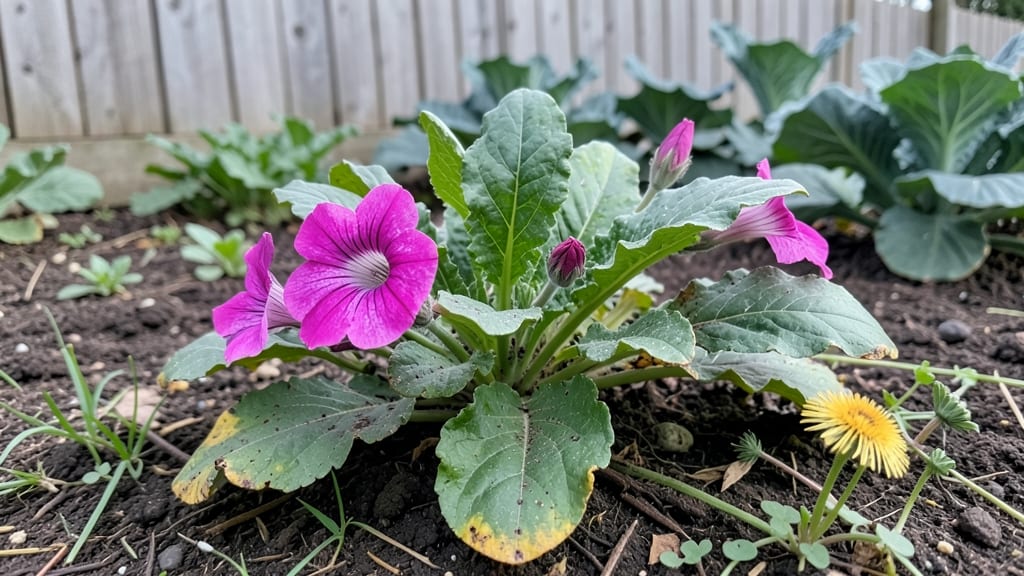
The painted tongue flower (Iris germanica 'Florentina') brings dramatic purple blooms that make any garden feel like a European masterpiece. 🌿 I’ve grown these stunners in my own yard, and their bold, velvety petals stand out against spring’s muted palette—like a splash of royal purple in an otherwise green-and-gray world.
These irises love cool climates and well-draining soil, making them perfect for zones 3-8. They’ll reward you with 3-4 feet of striking height and blooms that last for weeks, often returning year after year if you give them the right care.
The secret? Planting them in full sun with rich, slightly alkaline soil—and keeping them watered but never soggy.
Once established, they’re nearly maintenance-free, popping up reliably every spring. The foliage stays lush and upright, providing structure even when not in bloom. You’ll get that old-world garden charm without the fuss of delicate annuals.
Whether you’re adding drama to borders or filling a cottage-style garden, these irises deliver high-impact color with minimal effort. Let’s get yours thriving—your garden’s purple moment is just a few weeks away.
📚 In This Guide
- What you need
- Instructions
- Tips and common mistakes
- Wrapping up and next steps
What you need
- ● Painted Tongue Flower Plants: 1–3 nursery-grown plants (choose mature specimens for faster blooms)
- ○ Optional: Seeds (if starting from scratch—requires patience!)
- ● Well-Draining Soil Mix: 50% native soil (or garden loam)
- ● 30% coarse sand or perlite (critical for drainage!)
- ● 20% compost or peat moss (for nutrients)
- ● Container or Garden Bed: For pots: 12–18" diameter containers (with drainage holes)
- ● For in-ground: Full sun to partial shade spot (6+ hours of light)
- ● Fertilizer: Balanced, slow-release granular fertilizer (10-10-10 ratio)
- ● OR liquid bloom booster (diluted to half-strength)
- ● Watering Can or Hose: With a gentle spray nozzle (avoid soggy roots!)
- ● Mulch: Pine bark or gravel (1–2" layer to retain moisture)
- ● Pruning shears (for deadheading spent blooms)
- ● Epsom salt (1 tbsp/month for magnesium-rich soil)
- ● Shade cloth (30–50% coverage for hot climates)
- ● Support stakes (if stems flop in windy areas)
- ● Slow-release watering system (for drought-prone regions)
Step-by-Step instructions for cultivating painted tongue flower
Here’s how I grow these striking perennials—hardy, drought-tolerant, and packed with bold color.
🌱 Step 1: Select the Right Location and Soil Conditions
Painted tongue flower (Diascia barberae) thrives in partial shade to full sun, but in hot climates, afternoon shade prevents leaf scorch. I plant mine where they get 4-6 hours of morning sun and dappled shade the rest of the day—think under deciduous trees or on east-facing slopes.
The soil must drain well but retain moisture—amend heavy clay with 2-3 inches of compost or organic matter to improve aeration. A pH between 6.0 and 7.0 is ideal, though these plants tolerate slightly acidic soil. I always do a quick soil test before planting to avoid surprises.
🌿 Step 2: Plant Seeds or Transplants at the Right Time
Start seeds indoors 8-10 weeks before your last frost date in well-draining seed-starting mix. Press seeds lightly into the soil—just enough to cover them—since they need light to germinate. Keep the soil consistently moist at 65-70°F until germination, which takes 14-21 days.
For transplants, plant in early spring after the soil warms to 55°F or in early fall to avoid summer heat stress. Space plants 12-18 inches apart in rows 18-24 inches apart—this gives them room to sprawl without crowding. Watch for the first true leaves to appear before thinning seedlings to avoid disturbing roots.
💧 Step 3: Water Deeply and Maintain Consistent Moisture
Painted tongue flower is drought-tolerant once established, but young plants need 1 inch of water per week during their first growing season. Water deeply at the base—never overhead—to prevent fungal diseases like powdery mildew. The soil should dry out slightly between waterings; you’ll know it’s time when the top 1-2 inches feel dry to the touch.
Mulch around plants with 2-3 inches of organic mulch (like shredded bark or straw) to retain moisture and suppress weeds. I always keep mulch 2 inches away from the stems to prevent rot. Overwatering is the biggest mistake—these plants hate soggy roots.
✂️ Step 4: Prune for Bushier Growth and Prolonged Blooms
Deadhead spent blooms regularly to encourage continuous flowering from early summer through fall. Pinch back leggy stems in early spring to promote bushier growth—this is especially important if your plants look stretched or sparse. I cut back about one-third of the plant’s height to stimulate new shoots.
In late fall, cut back the foliage by half to tidy up the plant and remove any diseased or damaged stems. This also helps prevent winter pests. Avoid heavy pruning in early spring, as new growth emerges then—wait until after the first flush of blooms if you’re unsure.
☀️ Step 5: Protect from Harsh Winter Conditions
Painted tongue flower is hardy to USDA Zone 5, but in colder regions, mulch heavily with 4-6 inches of straw or leaves before the first frost. This insulates the roots and prevents heaving. In Zone 4 or colder, I dig up containers or mound extra mulch around the base to protect tender roots.
In early spring, remove the mulch once new growth appears—usually around late April or early May, depending on your climate. Watch for new shoots emerging from the base as your cue to uncover the plant. This timing ensures the roots aren’t shocked by sudden warmth.
Tips & tricks for perfect painted tongue flower cultivation
These pro tips will help you avoid common pitfalls and grow vibrant painted tongue flowers that keep blooming all season.
Location and Lighting Secret: In Step 1, if your garden gets intense afternoon sun, consider planting near a north-facing wall or under tall shrubs. The goal is to mimic their natural habitat in South Africa—bright morning light with afternoon shade. I've found that using a sheer fabric shade cloth (30-50%) during peak summer hours can prevent leaf scorch without sacrificing too much light.
Soil Preparation Strategy: Before amending your soil with 2-3 inches of compost as mentioned in Step 1, I recommend adding a handful of perlite or coarse sand to improve drainage. Painted tongue flowers despise soggy roots, and this extra step prevents waterlogging, especially in clay-heavy soils. Mix it in thoroughly—you want that soil to feel like a well-draining sponge.
Seed Starting Technique: When starting seeds indoors 8-10 weeks before your last frost date (Step 2), use clear plastic domes or seal your containers with plastic wrap to create a mini greenhouse effect. This maintains the required 65-70°F soil temperature and speeds up germination from 14-21 days to about 10-14 days. Just remember to remove the cover once you see sprouts to prevent mold. The key is consistent moisture without waterlogging.
Winter Protection Upgrade: For Zone 4 or colder climates in Step 5, consider adding a layer of bubble wrap or frost cloth over the mulch for extra insulation. I've had great success with this method—it creates an air pocket that traps warmth while still allowing light and air circulation. Remove it in early spring once new shoots appear, typically around late April or early May as mentioned, to avoid shocking the emerging growth.
Pro Tips for Painted Tongue Flower
- These pro tips will help you avoid common pitfalls and grow vibrant painted tongue flowers that keep blooming all season.
- Location and Lighting Secret: In Step 1, if your garden gets intense afternoon sun, consider planting near a north-facing wall or under tall shrubs.
- Soil Preparation Strategy: Before amending your soil with 2-3 inches of compost as mentioned in Step 1, I recommend adding a handful of perlite or coarse sand to improve drainage.
Frequently asked questions
Got questions about growing painted tongue flowers (Haemanthus coccineus)? You’re not alone! Here are some of the most common queries—and their answers—to help you cultivate these striking purple blooms with confidence.
How long does it take for painted tongue flowers to bloom after planting?
Patience is key! These beauties typically take 12–18 months to produce their first blooms after planting bulbs. The good news? Once established, they’ll reward you with vibrant Christmas candles-like flowers in late fall or winter (their natural blooming season). Keep them in a cool, shaded spot to encourage timely flowering.
Why aren’t my painted tongue flowers blooming?
If your bulbs aren’t flowering, check these common culprits:
- Light levels: They thrive in partial shade—too much sun can stress them.
- Soil conditions: Well-draining, sandy or loamy soil mimics their native habitat.
- Overwatering: Bulbs rot in soggy soil—water only when the top inch is dry.
- Age: Young bulbs may need 2–3 years to mature.
Can painted tongue flowers grow indoors?
They’re perfect for containers and brighten indoor spaces with their bold foliage and flowers. Use a well-draining pot (terracotta works great) and place them near a north- or east-facing window. Just mimic their outdoor care: cool temps, indirect light, and minimal water.
What do I do with painted tongue flowers after they bloom?
Don’t toss those spent blooms! Here’s the post-bloom care routine:
- Let the foliage die back naturally—this recharges the bulb for next year.
- Reduce watering but keep soil slightly moist until leaves yellow.
- In late spring, trim dead leaves but leave the bulb in the ground.
- Fertilize lightly (balanced 10-10-10) in early summer to boost next year’s blooms.
Are there any alternatives to painted tongue flowers for cool climates?
If you love bold, winter-blooming perennials but want variety, try these cool-climate stars:
Plant
Why It’s Great
Care Level
Cyclamen coum (Hardy Cyclamen)
Delicate pink/purple blooms in early spring; thrives in shade.
Easy
Galanthus nivalis (Snowdrop)
Cheerful white flowers in late winter; deer-resistant.
Very Easy
Helleborus niger (Christmas Rose)
Stunning white blooms in winter; evergreen foliage.
Moderate
Wrapping up and next steps
The Painted Tongue Flower is a stunning, low-maintenance gem that rewards gardeners with vibrant purple blooms and lush foliage—perfect for cooler climates! Whether you’re a seasoned gardener or a beginner, its adaptability and striking beauty make it a must-have addition to your outdoor space. Ready to transform your garden?
Start by gathering your supplies, choosing the right location, and following the care tips shared here. Plant your seeds or bulbs this season and watch your garden flourish with these bold, eye-catching blooms! 🌸