
Flowers
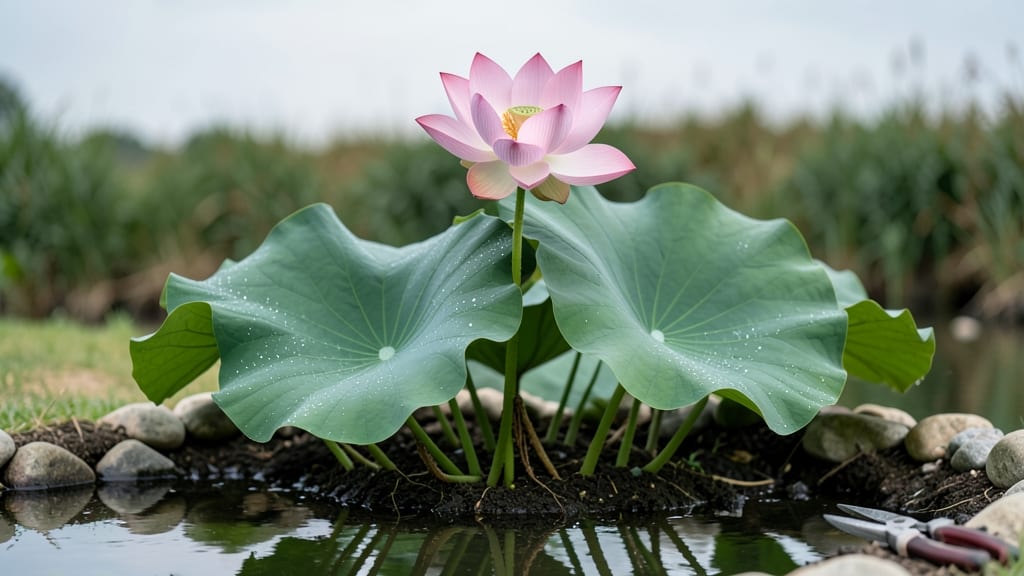
Growing lotus flowers and leaves in containers transforms any sunny spot into a serene tropical oasis. 🌿 I've nurtured these sacred plants for years, and their velvety blooms rise above the water like nature’s own lotus lanterns.
The secret lies in replicating their natural habitat—warmth, still water, and plenty of sunlight—without needing a full pond.
Start with a container at least 18 inches deep, filled with 2-3 inches of nutrient-rich soil at the bottom before adding water. Lotus roots thrive in 5-7 feet of water depth, but containers work beautifully with 12-18 inches—just ensure the leaves stay above the surface.
A sunny spot with 6+ hours of direct light daily keeps those iconic blooms opening daily, while fertilizing monthly with aquatic plant food ensures lush, disease-resistant foliage.
📚 In This Guide
- What you need
- Instructions
- Tips and common mistakes
- Wrapping up and next steps
What you need
- ● Lotus tubers or rhizomes: 1-3 healthy, firm tubers (size varies by variety; check local nurseries or online plant shops).
- ● Container: Minimum 12-inch depth (deeper for larger varieties like Nelumbo nucifera).
- ● Width: At least 18-24 inches in diameter (spread out roots!).
- ● Material: Fiberglass, plastic, or ceramic (avoid metal—it heats up!).
- ● Growing medium: Potting mix: 50% peat moss or coconut coir + 50% perlite or sand (for drainage).
- ○ Optional: Add a handful of aquatic plant fertilizer (slow-release, like Osmocote).
- ● Water: Dechlorinated (use a water conditioner or let tap water sit for 24 hours).
- ● Sunlight access: Full sun (6+ hours daily; south-facing spot or grow lights).
- ● Water pump or fountain: For gentle circulation (prevents stagnation).
- ● Floating plants: Duckweed or water hyacinth (keeps water clean naturally).
- ● pH test kit: Ideal range: 6.0–7.5 (adjust with pH up/down if needed).
- ● Plant supports: Small pebbles or mesh (for anchoring tubers in deep containers).
- ● Thermometer: Lotus loves 70–85°F (21–29°C) water temps.
Step-by-Step guide to growing lotus flowers in containers
Here's how to cultivate these stunning aquatic beauties right in your backyard—no pond required.
🪴 Step 1: Prepare the Right Container and Water Depth
Lotus thrives in 12-18 inches of water depth, so choose a container that can hold at least that much. I use a large plastic tub or a dedicated aquatic planter with a built-in reservoir—just make sure it has a secure lid to keep out debris and pests. Drill a small hole in the lid for ventilation if using a sealed container.
The container must be wide enough to accommodate the plant's mature spread, which can reach 3-5 feet across for some varieties. Place the container in a spot that gets full sun (6-8 hours daily), as lotus requires intense light to produce those iconic blooms. A south-facing patio or balcony works perfectly.
🌱 Step 2: Plant the Rhizomes Correctly
Lotus grows from rhizomes, which are thick, tuber-like roots. Plant them 2-3 inches deep in the soil at the bottom of your container, spacing them 12-18 inches apart to allow room for growth. Use a well-draining aquatic soil mix—regular potting soil will compact and suffocate the roots.
Here's the thing—lotus rhizomes need to stay submerged in water, but not buried too deep. If you plant them too shallow, they'll dry out; too deep, and they won't get enough oxygen. The top of the rhizome should be just below the water's surface when the container is full.
☀️ Step 3: Maintain Water Quality and Temperature
Lotus loves warm water, ideally kept between 70-85°F. If your climate dips below this range, move the container indoors near a sunny window or use a small aquarium heater designed for aquatic plants. Change 20-30% of the water weekly to prevent stagnation and algae buildup.
You'll notice the leaves emerging first—these are the floating pads that shade the water and create that classic lotus look. Once the pads appear, you can fertilize lightly with a balanced aquatic plant fertilizer every 4-6 weeks during the growing season. Too much fertilizer causes algae blooms, which smother the lotus.
✂️ Step 4: Prune and Encourage Blooming
Deadhead spent blooms by snipping them off at the base with clean pruners to redirect the plant's energy into new growth. This also keeps the container looking tidy and prevents seed pods from forming, which can drain the plant's resources. Real talk: lotus flowers are heavy drinkers—expect to water more frequently once blooms appear.
If your lotus isn't flowering after a year, it might need more sunlight or warmer water. Some varieties, like the sacred lotus (Nelumbo nucifera), take 2-3 years to bloom, so patience is key. Once established, lotus plants can live for decades with proper care—just keep the water clean and the sun shining.
🌿 Step 5: Overwintering for Year-Round Growth
In colder climates, lotus goes dormant when temperatures drop below 50°F. Drain the container and store it in a cool, dark place (like a garage) with the rhizomes just barely covered in moist soil. Check the soil monthly to ensure it doesn't dry out completely. In spring, repot and refill with fresh water when nighttime temperatures stay above 60°F.
Here's a pro tip: If you live in a mild winter zone, you can leave the lotus in its container outdoors year-round, but be prepared to move it indoors during frost. The rhizomes are tough and will survive, but they won't bloom until conditions improve.
Tips & tricks for perfect lotus flower cultivation
Mastering lotus growth in containers takes a few key tricks to ensure those iconic blooms thrive without needing a pond.
Container Selection: For the 12-18 inches of water depth required, opt for containers with built-in drainage holes or create a false bottom using a wire mesh. This prevents soil from mixing with water while allowing roots to access both elements. I've had great success with heavy-duty plastic storage bins that can be repurposed—just ensure they're food-grade if you plan to harvest leaves for culinary use.
Rhizome Placement Precision: When planting rhizomes 2-3 inches deep in Step 2, position them horizontally rather than vertically. The buds (small bumps on the rhizome) should face upward—they'll develop into stems. I mark the top of each rhizome with a toothpick before planting to ensure proper orientation, especially when working with multiple rhizomes in one container.
Temperature Management: Maintaining that 70-85°F range is crucial, but don't overlook the importance of gradual temperature changes. If moving your container between indoor and outdoor spaces, acclimate it over 3-4 days to prevent shock. I've seen lotus plants refuse to bloom after sudden temperature swings—patience during transitions pays off in stunning flowers. The 50°F dormancy threshold is particularly important for winter care in colder climates.
Light Optimization: While the instructions mention 6-8 hours of full sun, consider supplementing with a grow light during shorter winter days if you're in a northern climate. I use a simple LED grow bulb on a timer for 12 hours daily, which has helped my lotus maintain consistent growth through the winter months. Position the light about 12 inches above the container for even coverage.
Pro Tips for Lotus Flower And Leaves
- Mastering lotus growth in containers takes a few key tricks to ensure those iconic blooms thrive without needing a pond.
- Container Selection: For the 12-18 inches of water depth required, opt for containers with built-in drainage holes or create a false bottom using a wire mesh.
- Rhizome Placement Precision: When planting rhizomes 2-3 inches deep in Step 2, position them horizontally rather than vertically.
Frequently asked questions
Got questions about growing and caring for lotus flowers and leaves? You’re not alone! Here are some of the most common inquiries—plus straightforward answers to help you cultivate these stunning aquatic plants with confidence.
Can lotus flowers grow in containers, or do they need a pond?
Lotus plants thrive in containers! As long as your pot is at least 18–24 inches deep and wide, has drainage holes, and is filled with pond soil or clay, they’ll grow happily. Just ensure the container is heavy enough to stay stable in water—these beauties get top-heavy as they mature.
How long does it take for lotus flowers to bloom?
Patience is key! From planting, it typically takes 3–5 months for lotus rhizomes to establish roots, and another 2–3 months before you see those iconic blooms. Hardiness zone 4–11 plants may bloom earlier in warmer climates. Pro tip: Feed with aquatic plant fertilizer every 4–6 weeks to speed up growth!
What’s the ideal water temperature for lotus plants?
Lotus flowers love warm water—aim for temperatures between 70–85°F (21–29°C). If your pond or container dips below 50°F (10°C), growth slows, and blooms may halt. In colder climates, overwinter rhizomes in shallow water (6–12 inches deep) or move pots indoors to a bright, cool spot.
Are lotus leaves edible, and how do I harvest them?
Yes! Young lotus leaves and stems are nutritious and delicious in Asian cuisines. To harvest, cut leaves at the base with clean scissors, leaving at least half the plant intact to ensure regrowth. Avoid over-harvesting—lotus plants need energy to bloom. Cook leaves in soups or stir-fries for a unique, slightly crunchy texture.
Why are my lotus leaves turning yellow or brown?
Yellowing or brown leaves usually signal nutrient deficiency, poor water quality, or pests. Check for:
- Low light: Move to a sunnier spot (6+ hours of direct sun daily).
- Algae buildup: Clean container edges and reduce fish waste.
- Pests: Inspect for aphids or snails—use neem oil or manual removal.
- Rot: Ensure rhizomes aren’t buried too deep (2–3 inches max).
Wrapping up and next steps
The lotus flower and leaves are a breathtaking addition to any pond or container, offering both beauty and resilience. With the right care—sunlight, clean water, and patience—they’ll reward you with stunning blooms year after year.
Whether you’re a seasoned gardener or just starting, their adaptability makes them a dream plant to grow!
Ready to dive in? Start small—pick a container or spot, gather your supplies, and watch your lotus transform your space into a serene oasis. Happy planting! 🌸