
Advice
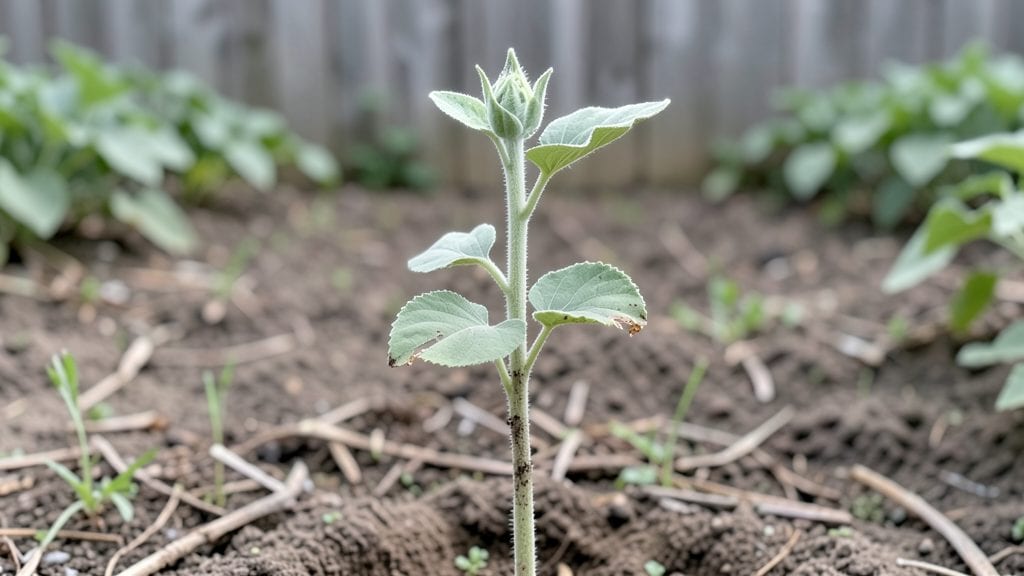
Sunflower leaves young are a gardener’s secret weapon—packed with nutrients and ready to harvest long before those towering blooms appear. 🌱 I used to toss them out, thinking they were just weeds, until I discovered how tender and delicious they really are when picked early.
The key is timing: harvest leaves when they’re still soft and pale green, about 4-6 inches tall, before the plant shifts its energy to flowering.
These young leaves thrive in full sun and well-draining soil, but they’re surprisingly forgiving about water—just keep the soil consistently moist without drowning the roots. Look for vibrant, velvety foliage with no yellowing or spots, and avoid harvesting from plants that look stressed or stunted.
A little patience here pays off with a bounty of greens that taste like a cross between spinach and asparagus.
📚 In This Guide
- What you need
- Instructions
- Tips and common mistakes
- Wrapping up and next steps
What you need
- ● Sunflower Seeds: Choose a variety like Helianthus annuus (common sunflower). Start with 5–10 seeds for a small harvest.
- ● Potting Soil: 2–3 gallons of well-draining, organic potting mix (or garden soil if planting outdoors).
- ● Containers or Garden Bed: For containers: 5–6 inch deep pots (1–2 per seedling).
- ● For outdoor beds: Full sun exposure (6+ hours/day) and loose, fertile soil.
- ● Watering Can or Hose: With a gentle spray nozzle for even moisture.
- ○ Fertilizer (Optional but Helpful): Balanced 10-10-10 or 5-5-5 organic fertilizer (1 tbsp per plant).
- ● Compost or worm castings for natural nutrients.
- ● Sharp Pruning Shears or Kitchen Scissors: For clean cuts (sterilize blades with rubbing alcohol).
- ○ Gloves (Optional): To protect hands from prickly stems or dirt.
- ● Basket or Bowl: For collecting fresh leaves (a colander works too!).
- ○ Spray Bottle (Optional): With water to mist leaves and keep them crisp.
- ● Time Commitment: Sunflowers germinate in 7–14 days and are ready for harvesting in 4–6 weeks (when leaves are 4–6 inches long).
- ● Patience: Young leaves are most tender—harvest before flowers bloom!
- ● Weather Check: Harvest on a cool, dry morning for the freshest leaves.
How to harvest young sunflower leaves for tender greens
Here's how to turn those early sunflower shoots into delicious, nutrient-packed greens—no waiting for flowers!
🌱 Step 1: Identify the Right Stage for Harvesting
Harvest young sunflower leaves when the plant is 4-6 inches tall and has 3-5 true leaves—these are the large, mature leaves that form after the initial seed leaves. The leaves should be bright green, tender, and still soft to the touch. If you see any yellowing or toughening, wait a few days—they’ll be too fibrous once the plant matures.
Look for healthy, upright growth with no signs of pests or disease. The best time to harvest is in the morning after the dew has dried—this ensures the leaves are crisp and full of moisture. I always check the undersides of the leaves for tiny eggs or webs, which signal aphids or spider mites. If you spot any, treat the plant first before harvesting.
✂️ Step 2: Use the Right Tools and Technique
Use clean, sharp scissors or pruning shears to avoid tearing the leaves or damaging the plant. Dull blades crush the stems, making the leaves bitter and slowing regrowth. Snip just above a leaf node (the small bump where leaves grow out)—this encourages the plant to branch and produce more tender leaves later.
Harvest only the outer leaves first, leaving the inner, younger leaves to keep growing. You’ll get 4-6 harvests per plant this way before the sunflower starts flowering. If you cut into the center too soon, you’ll stunt the plant’s growth and reduce your yield. I like to harvest every 7-10 days once the plant is established, giving it time to recover between cuts.
💧 Step 3: Prepare and Store the Harvested Greens
Rinse the leaves gently under cool water to remove dirt or debris, but avoid soaking them—they’ll wilt faster. Pat them dry with a clean kitchen towel or salad spinner to remove excess moisture. Store them in a sealed container lined with a paper towel to absorb any remaining dampness. This keeps them crisp for 3-5 days in the fridge.
For longer storage, blanch the leaves by boiling water for 30 seconds, then plunging them into ice water to stop cooking. Drain well, package in airtight containers, and freeze for up to 3 months. Frozen sunflower greens make a great addition to soups, smoothies, or sautéed dishes later. I often freeze them in small portions so I can grab just what I need without thawing everything.
☀️ Step 4: Encourage Regrowth for Continuous Harvests
After harvesting, water the plant deeply to help it recover, especially if the soil feels dry to the touch. Sunflowers are drought-tolerant once established, but young plants need consistent moisture to bounce back. I like to mulch around the base with a thin layer of straw or grass clippings to retain moisture and suppress weeds, which compete for nutrients.
Keep the plant in full sun (6+ hours daily)—this is critical for regrowth. If you notice the leaves yellowing or the stems stretching too tall, it’s a sign of light deprivation. Move the plant to a sunnier spot or supplement with a grow light if you’re growing indoors. With proper care, your sunflower will keep producing tender leaves for 6-8 weeks before flowering.
Tips & tricks for perfect young sunflower greens
These little-known tricks will help you get the most tender, flavorful harvests from your sunflower plants—without waiting for flowers!
The Right Height Matters: Don't be fooled by plant height alone—focus on the 3-5 true leaves mentioned in Step 1. These are the large, mature leaves that form after the initial seed leaves. I've learned the hard way that harvesting too early (before 3 true leaves) gives you bitter, underdeveloped greens, while waiting too long (past 6 inches) means tough, fibrous leaves. The sweet spot is when the plant is 4-6 inches tall with 3-5 true leaves that are still tender to the touch.
Morning Harvest Wins: The best time to harvest is indeed in the morning after dew has dried, as mentioned in Step 1. Here's why: morning leaves are packed with moisture and nutrients from overnight photosynthesis. I've noticed that leaves harvested at this time stay crisp for 3-5 days in the fridge—that's twice as long as afternoon harvests! Plus, the moisture content makes them perfect for freezing without wilting.
Leaf Node Location: When snipping in Step 2, make sure you cut just above a leaf node—the small bump where leaves grow out. This is crucial because it stimulates branching, giving you more harvests. I used to cut randomly and ended up with stunted plants that produced fewer leaves. Now I always look for that little bump and make my cut right above it. This simple technique can give you 4-6 harvests per plant instead of just 2-3.
Blanching Secret: For freezing, the 30-second blanch in Step 3 is your secret weapon. This brief cooking step preserves color and texture, preventing that sad, mushy texture frozen greens often get. I like to use an ice bath for shocking—it stops the cooking process instantly. After draining, I pat them completely dry before freezing. This extra step makes all the difference when you're ready to use them in soups or smoothies later.
Pro Tips for Sunflower Leaves Young
- These little-known tricks will help you get the most tender, flavorful harvests from your sunflower plants—without waiting for flowers!
- The Right Height Matters: Don't be fooled by plant height alone—focus on the 3-5 true leaves mentioned in Step 1.
- Morning Harvest Wins: The best time to harvest is indeed in the morning after dew has dried, as mentioned in Step 1.
Frequently asked questions
Got questions about harvesting young sunflower leaves? You’re not alone! Here are answers to the most common queries to help you grow and enjoy your sunflower greens with confidence.
Can I eat sunflower leaves raw?
Yes, but with caution! Young, tender sunflower leaves are mild and can be eaten raw in salads, but they’re best lightly cooked (steamed, sautéed, or blended) to improve digestibility. Older leaves may be tougher—always harvest them early for the best texture. Pro tip: Pair them with lemon or vinegar to brighten their slightly nutty flavor.
How often should I harvest sunflower leaves?
Harvest young leaves every 2–3 weeks to encourage regrowth. Avoid taking more than 1/3 of the plant at once—this keeps it healthy and productive. Focus on the outer leaves first, leaving the inner growth intact. Bonus: Morning harvests yield the freshest, crispest greens!
What if my sunflower leaves turn bitter?
Bitter taste usually means the leaves are too mature. Harvest them younger (4–6 inches tall) and softer for a sweeter flavor. If bitterness persists, try steaming or blanching them—this mellows the flavor. Fix: Prune older leaves and fertilize with compost to encourage tender new growth.
Are sunflower leaves a good substitute for spinach?
Sunflower leaves are nutrient-dense (high in vitamin E and magnesium) and milder than spinach, making them a great swap. Use them 1:1 in recipes like stir-fries, soups, or smoothies. Try this: Blend them into pesto with nuts and olive oil for a vibrant twist!
Can I harvest leaves from sunflowers grown for seeds?
Yes, but prioritize the youngest leaves first to avoid stunting the plant’s seed production. Stop harvesting 4–6 weeks before the flowers bloom to ensure the plant can still develop seeds. Balance is key—harvest lightly to enjoy both greens and seeds! Smart move: Grow extra sunflowers just for leaves if you’re hungry for a steady supply.
Wrapping up and next steps
Young sunflower leaves are a nutrient-packed treasure—packed with vitamins, minerals, and a delightful crunch! Whether you’re foraging or growing your own, harvesting these tender greens is simple and rewarding.
Now that you’re equipped with the right tools, timing, and techniques, there’s no better time to start experimenting in your kitchen.
🌱 Ready to dive in? Try swapping a side salad for fresh sunflower greens this week—your taste buds (and body) will thank you! For extra inspiration, explore recipes like sunflower leaf pesto or sautéed greens with garlic. Happy harvesting! 🌿