Planting
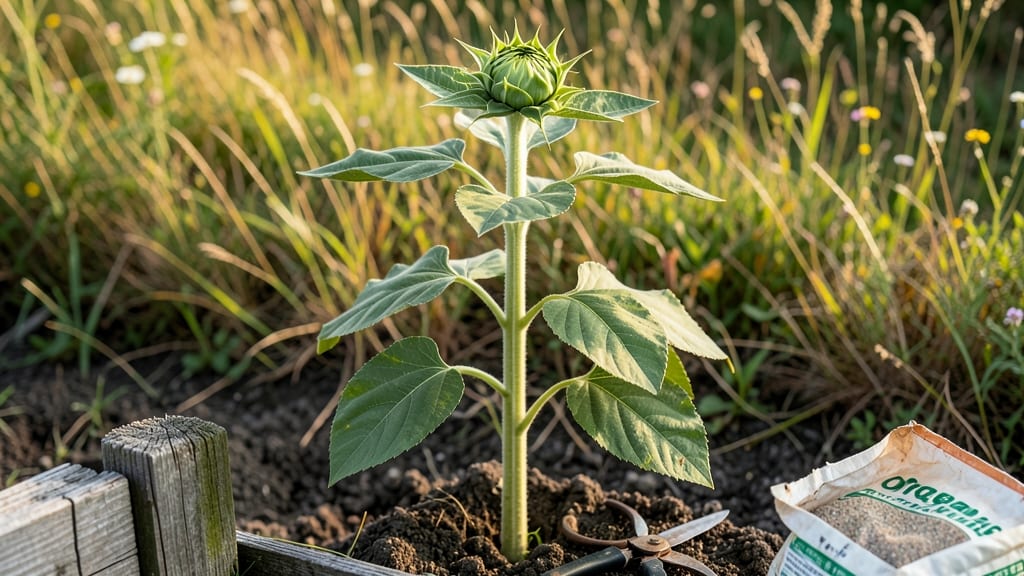
Sunflower plants before flowering are all about setting the stage for towering stems and vibrant blooms—because those first few weeks determine how tall they’ll grow and how many flowers they’ll produce. 🌱 I’ve watched my sunflowers go from spindly seedlings to 10-foot giants by paying attention to their early needs, and I’m sharing the exact care routine that makes the difference between scraggly stems and sturdy, sun-loving champions.
The secret isn’t complicated: consistent moisture, full sun, and proper spacing from day one. Young plants need about 1-2 inches of water per week, but never soggy soil—damp, not drenched. Too much water weakens stems, while too little stunts growth.
And spacing matters: give them 12-18 inches apart in rows 2-3 feet apart to prevent competition. That’s how you avoid the classic "sunflower flop" where stems lean or snap under their own weight.
By the time they’re 3-4 feet tall, you’ll see the real magic—thick, woody stems and the first hints of buds forming at the top. That’s when you know you’re on the right track. The leaves should be bright green and slightly waxy, not yellowing or wilted.
A little early staking (if you’re in windy areas) or pruning side shoots (to focus energy on one main stem) can boost height by 20-30%.
Here’s the kicker: the best time to start is 4-6 weeks before your last frost, but don’t stress if you’re late. Even late starts can catch up with the right care.
The goal is strong roots and sturdy stems before the flowering rush begins. Let’s get those sunflowers standing tall from the ground up!
📚 In This Guide
- What you need
- Instructions
- Tips and common mistakes
- Wrapping up and next steps
What you need
- ● Sunflower Seeds: 1–2 lbs (varies by variety; e.g., Mammoth or Autumn Beauty for height)
- ● Choose heirloom or hybrid seeds based on your goals (height, color, or drought resistance).
- ● Growing Containers or Garden Bed: Containers: 5–12" deep pots (1–2 per plant) with drainage holes.
- ● Garden Bed: Well-draining soil in a sunny spot (6+ hours of sunlight daily).
- ● Potting Mix or Soil: 1 bag (1–2 cubic feet) of lightweight, nutrient-rich potting mix or garden soil amended with compost.
- ● Fertilizer: Balanced 10-10-10 or 5-10-10 granular fertilizer (1 tbsp per plant at planting).
- ○ Optional: Slow-release organic fertilizer (e.g., fish emulsion or bone meal).
- ● Watering Can or Hose: With a gentle spray nozzle to avoid disturbing seedlings.
- ○ Stakes or Trellis (Optional): 1–2 bamboo stakes (5–6 ft tall) or a tomato cage for tall varieties (e.g., Russian Giant).
- ● Sunlight: A location with full sun exposure (6+ hours/day).
- ● Temperature: Ideal germination range: 70–90°F (21–32°C).
- ● Patience: Sunflowers take 80–120 days to flower, depending on the variety!
- ● Space: Allow 12–24 inches between plants for optimal growth.
How to grow towering sunflowers: pre-flowering care for stunning blooms
Sunflowers reward patience with dramatic height and vibrant blooms—here’s how to guide them through their critical growth stages.
🌱 Step 1: Plant Seeds at the Right Depth and Spacing
Sunflower seeds need warmth to germinate, so start them ½ inch deep in well-draining soil when nighttime temperatures stay above 50°F. I plant 4 seeds per hole (they germinate unevenly) and space holes 6 inches apart for single-stem varieties or 12 inches apart for branching types like ‘Moulin Rouge’. Press seeds gently into soil—they won’t tolerate being buried too deep.
Water lightly after planting to settle the soil, but avoid soaking. Overwatering now can cause seeds to rot before they sprout. Place a small stake near each hole to mark the spot—sunflowers grow fast, and you’ll forget where they are if you don’t.
☀️ Step 2: Provide Full Sun and Supportive Staking Early
Sunflowers need 6-8 hours of direct sun daily from the moment they emerge. If your garden gets less, supplement with a grow light positioned 12 inches above seedlings for 14 hours/day. You’ll see leggy growth (thin, stretched stems) if light is insufficient—this is a red flag to adjust immediately.
Install 3-foot stakes or tomato cages when seedlings reach 6 inches tall. Sunflowers develop top-heavy blooms, and wind or rain can snap stems. Tie the main stem loosely to the stake with soft plant ties—too-tight ties will girdle the stem as it thickens. I check ties weekly to ensure they’re not cutting into the plant.
💧 Step 3: Water Deeply at the Base—Never the Leaves
Water 1-2 inches per week, focusing on the soil at the plant’s base. Wet leaves invite fungal diseases like powdery mildew, which can ruin blooms. You’ll know moisture is right when the top 2 inches of soil feel dry—stick your finger in to check. Mulch with 2 inches of straw to retain moisture and suppress weeds, but keep mulch 2 inches away from stems to prevent rot.
Sunflowers are drought-tolerant once established, but deep, infrequent watering encourages stronger stems. Shallow watering leads to weak roots and toppling plants. If you notice wilting during the day but recovery at night, your plant is thirsty—water immediately and increase frequency slightly.
✂️ Step 4: Prune Side Shoots for Single-Stem Varieties
If growing a single-stem variety, remove all side shoots (small branches forming at the stem base) when they’re 2-3 inches long. Use clean pruners to snip just above the leaf node where the shoot emerges. This redirects energy to the main stem, producing a taller, straighter plant with one massive bloom.
For branching types, let side shoots develop—but pinch off the top of the main stem when it reaches 3 feet tall. This forces energy into lateral branches, creating a bushier plant with multiple smaller blooms. Watch for yellowing leaves on the lower stem; this signals overcrowding and may require thinning out the smallest side shoots.
🌿 Step 5: Fertilize Strategically for Height and Bloom
Apply a balanced 10-10-10 fertilizer when seedlings are 4 inches tall, then again when they reach 2 feet. Use ½ teaspoon per plant to avoid burning roots. Sunflowers are heavy feeders, but too much nitrogen produces lush foliage at the expense of blooms. You’ll see dark green, healthy leaves with no yellowing—this is your cue that fertilization is balanced.
Switch to a low-nitrogen, high-phosphorus fertilizer (like 5-10-10) when the main stem is 3 feet tall to encourage flowering. Phosphorus promotes root and bloom development. Avoid fertilizing after mid-July—late-season feeding can delay flowering or produce weak stems that won’t support blooms.
Tips & tricks for perfect sunflower growth before flowering
Sunflowers are forgiving but not foolproof—these pro tips will help you avoid common pitfalls and maximize those towering stems and vibrant blooms.
The Depth Factor: That ½-inch planting depth is crucial—any deeper and seeds may not sprout, but too shallow and they'll dry out. Press seeds gently into the soil rather than patting them down, and use your finger to create small pockets for each seed. I've found that planting at a slight angle (about 45 degrees) helps water drain away from the seed, preventing rot.
Lighting Secret: When supplementing with grow lights in Step 2, position them just 6 inches above seedlings at first—sunflowers grow fast and will outgrow this height in days. Use a timer for that 14-hour daily light exposure to maintain consistency. Watch for leggy growth (stems stretching toward light) as your first warning sign of insufficient light, and adjust immediately by lowering the lights or increasing hours.
Staking Strategy: For the 3-foot stakes in Step 2, drive them in at a 45-degree angle rather than straight up. This provides better support against wind and creates a natural lean that actually helps the stem strengthen. I like to use bamboo stakes because they're lightweight yet sturdy, and they decompose naturally in the soil. Install stakes when plants reach 6 inches tall, but don't wait until they're taller—sunflowers can snap easily once they gain height.
Pruning Precision: When removing those 2-3 inch side shoots in Step 4, use clean, sharp pruners and make cuts just above the leaf node where the shoot emerges. This prevents tearing and promotes faster healing. I've found that pruning on a dry morning (when plants are least stressed) results in less sap oozing and better recovery. For branching types, pinch the main stem when it reaches exactly 3 feet—not an inch more or less—to maintain that perfect bushy shape.
Pro Tips for Sunflower Plant Before Flowering
- Sunflowers are forgiving but not foolproof—these pro tips will help you avoid common pitfalls and maximize those towe...
- The Depth Factor: That ½-inch planting depth is crucial—any deeper and seeds may not sprout, but too shallow and they...
- Lighting Secret: When supplementing with grow lights in Step 2, position them just 6 inches above seedlings at first—...
Frequently asked questions
about sunflower plants before flowering—here’s what you need to know to nurture them like a pro!How long does it take for sunflowers to start flowering?
Most sunflower varieties take 80–100 days from seed to bloom, depending on the type (giant varieties may take longer). Keep an eye on the bud stage—when the flower head swells and the petals begin curling back, flowering is just days away!
Why isn’t my sunflower growing tall or flowering?
Sunflowers may stall due to poor soil, lack of sunlight (6+ hours/day), or overcrowding. Check for yellowing leaves (nutrient deficiency) or drooping stems (underwatering). Thin plants to 12–18 inches apart and fertilize with a balanced 10-10-10 mix if needed.
Can I speed up flowering in sunflowers?
Sunflowers can’t be rushed, but you can optimize growth! Ensure they get full sun, consistent water, and warm soil (60°F+). Avoid transplanting seedlings—they stress easily. For faster blooms, choose early-maturing varieties like ‘Teddy Bear’ (50–55 days).
What are the stages of sunflower growth before flowering?
Sunflowers progress through 4 key stages:
- Germination (0–7 days): Sprouts emerge from soil.
- Seedling (7–14 days): First true leaves appear.
- Vegetative (2–6 weeks): Rapid stem/leaf growth.
- Budding (6–8 weeks): Flower head forms, petals tighten.
Are there sunflower varieties that bloom faster?
For quick blooms (50–60 days), try:
- ‘Moulin Rouge’ (compact, 50 days)
- ‘Autumn Beauty’ (striped petals, 55 days)
- ‘Sunspot’ (dwarf, 50 days)
Wrapping up and next steps
Watching your sunflower plant grow before it blooms is like witnessing nature’s own masterpiece unfold! 🌱 From seed germination to bud development, each stage is packed with potential—just like you.
With the right care, patience, and a little know-how, your sunflowers will reward you with towering stems and vibrant blooms that brighten any space.
Now that you’re armed with insights on timing, sunlight, and soil, it’s time to roll up your sleeves. Start planting, monitor progress, and enjoy the journey! Before you know it, you’ll be snapping photos of your sunflowers reaching for the sky—and maybe even sharing tips with fellow gardeners.
Happy growing! 🌻