
Flowers
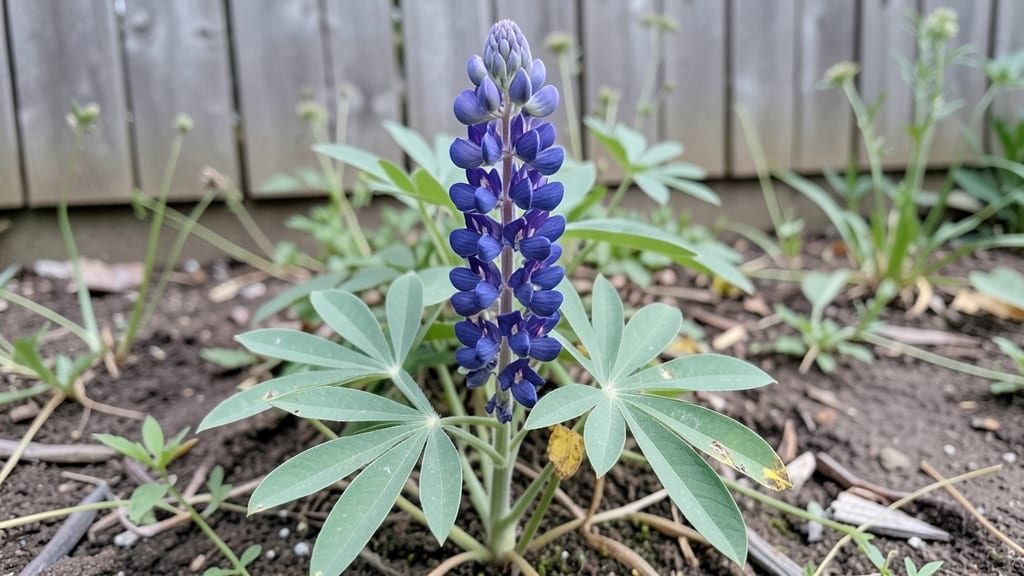
If you love the striking vertical spikes and fragrant charm of lupine-like flowers, the Pacific Northwest offers stunning alternatives that deliver similar drama without the fuss. 🌿 These deer-resistant beauties—like Lupinus polyphyllus lookalikes—bring the same bold foliage and airy blooms to gardens, but with better adaptability to our damp climate.
The secret to pairing them lies in their height and texture. Plant them alongside shrubby ceanothus for a layered effect, or tuck them near sage to create a fragrant, pollinator-friendly border. Their deep roots also make them drought-tolerant once established, perfect for water-wise designs.
You’ll end up with a garden that feels lush and intentional, where every bloom echoes the lupine’s signature elegance. The key is spacing them 18-24 inches apart to let their spiky stems shine without crowding. Combine with salvias or delphiniums for a cohesive, high-impact display.
Works beautifully in cottage-style gardens, modern borders, or even as a striking focal point near patios. The best part? These flowers thrive where lupines struggle—moist, cool soils included. Let’s design your dream planting scheme!
📚 In This Guide
- What you need
- Instructions
- Tips and common mistakes
- Wrapping up and next steps
What you need
- ● Seeds or seedlings: Lupinus perennis (wild blue lupine) – 10–20 seeds or 3–5 seedlings
- ● Lupinus polyphyllus (silver lupine) – 10–15 seeds or 3 seedlings
- ● Lupinus arboreus (tree lupine) – 5–10 seeds or 2 seedlings (for taller varieties)
- ● Well-draining soil: Mix 60% native soil with 40% compost or perlite (for sandy or clay-heavy areas).
- ● Organic fertilizer: Slow-release 10-10-10 or bone meal (1–2 tbsp per planting hole).
- ● Mulch: Wood chips or straw (1–2 inches) to retain moisture and deter weeds.
- ● Garden tools: Trowel or hand shovel
- ● Garden fork (for amending soil)
- ● Pruners (for trimming spent blooms)
- ● Watering supplies: Hose with a gentle spray nozzle or watering can (1–2 gallons per plant weekly).
- ○ Optional (but helpful!): Deer repellent spray (e.g., Liquid Fence)
- ● Stakes or cages (for taller varieties like Lupinus arboreus)
- ● pH test kit (ideal soil pH: 6.0–7.0)
How to grow Pacific Northwest lupine-like perennials
These fragrant, deer-resistant beauties thrive with minimal fuss—here’s how to establish them for years of color.
🌱 Step 1: Choose the Right Lupine-Like Varieties for Your Site
Pacific Northwest lupine-like flowers include Lupinus polyphyllus (true lupine), Thermopsis lambertiana (false lupine), and Lathyrus latifolius (sweet pea lupine). I always opt for native cultivars—they’re hardier and attract pollinators like crazy. Check your USDA zone (most PNW gardens are 6-8) before selecting, as some varieties prefer coastal climates while others handle inland heat better.
For fragrance, Lupinus polyphyllus ‘Russell Hybrid’ is my go-to—its sweet pea-like scent fills the garden on warm evenings. If deer are a problem, Thermopsis is even more resistant than true lupine. Avoid planting in heavy clay unless you amend it first; these plants need well-draining soil to prevent root rot.
🪴 Step 2: Prepare the Planting Site in Early Spring
Lupine-like flowers adore full sun to partial shade (6+ hours daily), but in hot inland PNW zones, afternoon shade helps prevent leaf scorch. Clear the area of weeds and loosen the soil to a depth of 12 inches, breaking up any compacted layers. I mix in 2-3 inches of compost and a handful of bone meal (for phosphorus) to encourage strong root development.
These plants tolerate poor soil but perform best in slightly acidic to neutral pH (6.0-7.0). If your soil is heavy clay, add 1 part sand or perlite to 3 parts native soil before planting. Avoid fresh manure—it can burn roots and attract pests. Water the amended soil thoroughly 24 hours before planting to help roots establish faster.
☀️ Step 3: Plant Bare-Root or Container-Grown Plants Correctly
For bare-root plants, soak the roots in lukewarm water for 1 hour before handling. Dig holes twice as wide as the root ball but only as deep as the container level—planting too deep suffocates the crown. Space plants 18-24 inches apart for medium varieties (like ‘Russell Hybrid’) or 30 inches apart for larger types like Lupinus ‘Chief Joseph’. I always tap the sides of the hole gently to settle soil around roots without compacting.
For container-grown plants, remove the pot and loosen any circling roots with your fingers. Place the plant in the hole so the top of the root ball sits ½ inch below soil level—this prevents crown rot. Backfill with native soil, firming lightly in 1-inch layers as you go. Water deeply immediately after planting to eliminate air pockets.
💧 Step 4: Water and Fertilize for First-Year Establishment
Keep the soil consistently moist but not soggy for the first 6-8 weeks—these plants establish deep roots slowly. I water at the base early in the morning to reduce evaporation and fungal risks. After establishment, reduce watering to once weekly in summer (or when the top 2 inches of soil feel dry). Overwatering is the #1 killer—lupine-like flowers hate wet feet.
Fertilize lightly in spring with a balanced 10-10-10 formula (½ cup per 10 square feet). Avoid high-nitrogen fertilizers—they produce lush foliage but fewer flowers. I swear by compost tea every 4 weeks during growing season for natural nutrients. Once established, these plants rarely need fertilizer, but a light application of phosphorus in early spring boosts bloom production.
✂️ Step 5: Prune and Maintain for Long-Term Health
Deadhead spent flower spikes after they brown to encourage a second flush of blooms in late summer. I snip stems back to the first set of healthy leaves using clean, sharp pruners—never pull stems by hand, as it can damage the root system. In fall, cut back one-third of the plant height to promote bushier growth next season. Never cut into old wood (woody stems), as lupine-like flowers bloom on new growth.
Divide clumps every 3-4 years in early spring if the center becomes woody. Dig up the plant, separate into 3-5 inch sections with a clean knife, and replant immediately. These plants spread slowly but can become overcrowded—thinning keeps them vigorous. Mulch with 2 inches of wood chips in winter to protect roots from freeze-thaw cycles common in the PNW.
Tips & tricks for perfect Pacific Northwest lupine-like flowers
These fragrant perennials are easier to grow than you think—here are the secrets to thriving plants and stunning blooms.
Variety Selection Matters: When choosing between Lupinus polyphyllus and Thermopsis lambertiana, consider your specific needs. For maximum fragrance, ‘Russell Hybrid’ is unbeatable, but if deer are a constant issue, Thermopsis is the tougher choice. I've found that coastal varieties handle salt spray better, while inland types tolerate drier summers. Always check your microclimate—just because it's PNW doesn't mean all lupines thrive equally in your exact spot.
Soil Prep is Non-Negotiable: The 12-inch soil loosening in Step 2 can't be rushed. Use a broadfork to break up compacted layers without disturbing the soil structure too much. For clay-heavy soils, I mix in 1 part perlite to 3 parts native soil—this improves drainage without making the soil too sandy. Test your pH before planting; if it's outside 6.0-7.0, amend with sulfur or lime accordingly. Remember, these plants will be in the ground for years, so get the soil right first.
Planting Depth is Critical: The ½-inch below soil level guideline for container-grown plants prevents crown rot, but don't overthink it—just make sure the top of the root ball isn't exposed. For bare-root plants, that 1-hour soak in lukewarm water is essential; it helps hydrate the roots and reduces transplant shock. I've learned the hard way that skipping this step can lead to poor establishment, especially in our often-dry PNW springs.
Watering Wisdom: The first 6-8 weeks are crucial for root development, but "consistently moist" doesn't mean soggy. I use a moisture meter to check soil moisture—aim for the "slightly damp" range, not bone dry or waterlogged. After establishment, let the top 2 inches dry out between waterings. This mimics natural rainfall patterns and prevents the fungal issues that plague overwatered lupines.
Pro Tips for Lupine Like Flowers
- These fragrant perennials are easier to grow than you think—here are the secrets to thriving plants and stunning blooms.
- Variety Selection Matters: When choosing between Lupinus polyphyllus and Thermopsis lambertiana, consider your specific needs.
- Soil Prep is Non-Negotiable: The 12-inch soil loosening in Step 2 can't be rushed.
Frequently asked questions
Got questions about growing and enjoying lupine-like flowers in your Pacific Northwest garden? You’re not alone! Here are some of the most common queries—and their answers—to help you cultivate these fragrant, deer-resistant beauties with confidence.
What’s the best time to plant lupine-like flowers in the PNW?
For most varieties, spring (March–May) is ideal after the last frost, but you can also plant in early fall (September–October) for a head start. Lupines thrive in cool, moist climates, so avoid planting in scorching summer heat. Pro tip: If sowing seeds, they often need cold stratification (chill for 4–6 weeks) to germinate—mimic winter by refrigerating them first!
Are lupine-like flowers toxic to pets or children?
Yes, traditional lupines (Lupinus spp.) contain alkaloids that can be toxic if ingested in large amounts, causing nausea or digestive upset. While many lupine-like flowers (e.g., Echium or Thermopsis) are less harmful, always supervise pets/kids and avoid planting them where they’ll be nibbled. Opt for pet-safe alternatives like Lavandula (lavender) if you’re concerned.
Do lupine-like flowers attract pollinators, or will deer avoid them?
These flowers are pollinator magnets—bees, butterflies, and hummingbirds adore their nectar. As for deer? Most lupine-like varieties are deer-resistant thanks to their bitter alkaloids, but young seedlings might still tempt them. Try these tricks:
- Plant near deer-repellent herbs like rosemary or sage.
- Use physical barriers (e.g., chicken wire) for seedlings.
- Choose tougher species like Thermopsis montana (golden banner).
Can I grow lupine-like flowers in containers, or do they need a garden bed?
Many varieties thrive in containers! Opt for deep pots (12+ inches) with well-draining soil and place them in sunny spots. Dwarf lupines (e.g., Lupinus ‘Chief Joseph’) or Echium species work beautifully in pots. Just ensure they get regular watering—containers dry out faster than garden beds. Bonus: Container-grown lupines are easier to protect from slugs!
Why aren’t my lupine-like flowers blooming this year?
No blooms? Don’t panic—it’s often due to immature plants, poor soil, or over-fertilizing. Lupines need:
- Well-draining, slightly alkaline soil (amend with lime if needed).
- Full sun (6+ hours/day)—partial shade can reduce blooms.
- Low-maintenance care: Avoid heavy fertilizers (they prefer lean soil).
What’s a great lupine-like alternative if I want similar color but easier care?
If lupines seem finicky, try these low-maintenance, PNW-friendly doppelgängers:
Flower
Color
Why It’s Great
Delphinium (Larkspur)
Blue, purple, white
Tall, dramatic spikes; deer-resistant; loves sun.
Echinacea (Coneflower)
Pink, purple, white
Drought-tolerant; pollinator superstar; long bloom time.
Aquilegia (Columbine)
Red, yellow, blue
Unique, hummingbird-friendly; thrives in partial shade.
All three offer lupine-like charm with fewer fussy requirements!
Wrapping up and next steps
Lupine-like flowers are the Pacific Northwest’s hidden gem—fragrant, deer-resistant, and packed with natural beauty! Whether you’re a gardener looking to attract pollinators or simply love vibrant blooms, these hardy plants offer low-maintenance charm and ecological benefits. 🌿✨
Ready to bring their magic to your garden? Start small—try a single plant or a cluster—and watch your outdoor space transform! For even more inspiration, explore native plant nurseries or local gardening groups to connect with fellow enthusiasts.