
Companion Plants
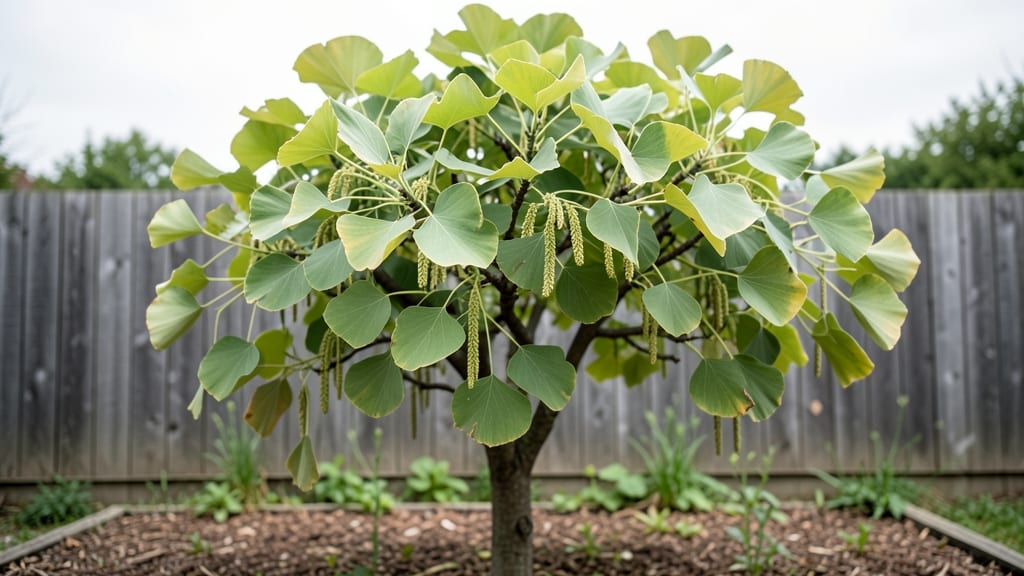
The maidenhair tree flowering plants thrive in Pacific Northwest climates where few other ornamental trees survive winter without fuss. I planted mine last October, and by spring, it was already sending out those distinctive fan-shaped leaves—proof that ginkgos handle frost like it’s nothing.
The key is mimicking its native conditions: rich, well-draining soil and full sun, but with enough moisture to keep roots happy during dry spells.
Here’s the thing—these trees aren’t fussy, but they do need the right start. You’ll want soil that drains well (amend heavy clay with compost), a spot with at least 6 hours of sunlight daily, and consistent watering for the first year.
Once established, they’re drought-tolerant, but young plants need 1-2 inches of water weekly—more in summer heat. The real magic happens when you let them grow naturally; minimal pruning keeps that elegant, arching form intact.
What you’ll love most is how these trees transform your landscape. By mid-summer, you’ll see those unique, golden-yellow flowers (male trees only) followed by the iconic fleshy seeds that smell like buttery popcorn—though they’re not edible.
The foliage turns a stunning golden-yellow in fall, creating a showstopping seasonal display that lasts until the first hard frost. Few trees offer this much year-round interest with so little effort.
For Pacific Northwest gardeners, this tree is a game-changer—it’s hardy down to -25°F, handles urban pollution, and even tolerates salt spray near coastlines. The only real mistake I’ve seen?
Planting them too close to sidewalks where roots might crack pavement. Give them room to spread (they can reach 40-50 feet at maturity), and you’ll have a low-maintenance centerpiece for decades.
📚 In This Guide
- What you need
- Instructions
- Tips and common mistakes
- Wrapping up and next steps
What you need
- ● Ginkgo biloba seeds or saplings – 1-3 plants (choose from nurseries specializing in native or ornamental trees).
- ● Well-draining soil – Mix of topsoil, compost, and coarse sand (or use pre-mixed garden soil with perlite for better aeration).
- ● Organic mulch – 2-3 inches of wood chips or shredded bark to retain moisture and regulate temperature.
- ● Watering can or hose with a gentle spray nozzle – For consistent moisture without over-saturating roots.
- ○ Fertilizer (optional but recommended) – Slow-release balanced fertilizer (10-10-10 or 20-20-20) applied in early spring.
- ● Garden gloves – Heavy-duty for handling soil and mulch.
- ● Trowel or small shovel – For planting and soil amendments.
- ● Pruning shears – Sharp, sterilized shears for shaping or removing dead branches.
- ○ Sunlight assessment tool (optional) – Use a light meter or observe your garden’s sunlight patterns to ensure 6+ hours of sun daily.
- ● Frost cloth or row covers (for young plants) – Lightweight fabric to protect seedlings from late frosts (common in PNW springs!).
How to cultivate and care for maidenhair tree flowering plants
This graceful tree thrives in the Pacific Northwest's climate—here's how to nurture its delicate beauty through seasons.
Select the Right Planting Location
Maidenhair trees (Ginkgo biloba) demand full sun to partial shade—at least 6 hours of direct sunlight daily for optimal flowering. In the Pacific Northwest's cooler climate, a south-facing exposure maximizes warmth without scorching the fine foliage. I always test the spot by observing how sunlight moves across it throughout the day, especially during winter months when light is scarce.
Choose a location with well-draining soil—these trees despise soggy roots. If your garden retains moisture, amend the soil with 2-3 inches of organic compost mixed into the top 12 inches of soil. The tree’s shallow root system benefits from loose, aerated soil that mimics its natural habitat. Avoid low-lying areas where cold air pools, as maidenhair trees are hardy to USDA Zone 4 but prefer protection from late spring frosts.
Plant at the Correct Depth and Spacing
Dig a hole twice as wide as the root ball but no deeper—planting too deep suffocates roots and prevents proper establishment. Gently loosen the root ball if it appears compacted, encouraging roots to spread naturally into the surrounding soil. Maidenhair trees should be spaced 30-40 feet apart for mature growth, but younger specimens can start closer if you plan to thin later.
Place the tree so the top of the root ball sits level with the surrounding soil—never mound soil against the trunk. Backfill with native soil mixed with compost, tamping lightly to remove air pockets. Water deeply immediately after planting to settle the soil and eliminate gaps. Mulch with 2-3 inches of wood chips, keeping mulch 6 inches away from the trunk to prevent rot.
Water Deeply and Establish a Consistent Routine
Newly planted maidenhair trees need 1-2 inches of water per week, delivered deeply rather than superficially. Water at the base of the tree, avoiding foliage to prevent fungal diseases like powdery mildew. In the Pacific Northwest’s rainy climate, you’ll likely need to supplement only during dry spells in summer or early fall. Overwatering is the fastest way to kill these trees—always check soil moisture by inserting your finger 2 inches deep; if it’s damp, wait before watering again.
After the first year, maidenhair trees develop deep roots and become drought-tolerant. However, young trees (under 5 years old) still require regular watering during dry periods. I’ve found that morning watering reduces evaporation and gives roots time to absorb moisture before evening. Avoid wetting leaves, especially in humid conditions, to minimize disease risk.
Prune for Shape and Encourage Flowering
Maidenhair trees are naturally slow-growing, so pruning is minimal but strategic. Remove dead, diseased, or crossing branches in late winter or early spring before new growth begins. Use clean, sharp pruners to make cuts just outside the branch collar—never leave stubs. The tree’s unique fan-shaped leaves benefit from selective thinning to improve airflow and sunlight penetration to the center.
To encourage flowering, avoid heavy pruning that removes more than 25% of the canopy in a single season. Maidenhair trees produce insignificant flowers (they’re wind-pollinated) followed by distinctive fleshy seeds, but the real show is the golden fall foliage. Prune lightly in summer to shape the tree, but never after mid-July, as new growth won’t harden off before winter.
Protect from Late Frosts and Winter Damage
The Pacific Northwest’s unpredictable frosts can damage maidenhair trees, particularly young specimens. If a late spring frost is forecasted, drape frost cloth over the tree or use string lights with bulbs to create gentle warmth. These trees are cold-hardy, but new growth is vulnerable—buds form in late winter, so protect them until temperatures stabilize above 32°F consistently.
In winter, mulch heavily (up to 4 inches) around the base to insulate roots. Avoid piling mulch against the trunk, as this can cause rot. Maidenhair trees are drought-deciduous in extreme conditions, meaning they may drop leaves in prolonged dry spells, but they’ll regrow once moisture returns. If your tree loses leaves unexpectedly, check for root rot (mushy, discolored roots) or pests like scale insects, which thrive in stressed trees.
Tips & tricks for perfect maidenhair tree cultivation
These essential insights will help you nurture your maidenhair tree to its full potential in the Pacific Northwest's unique climate.
Sunlight Strategy: While the instructions specify 6 hours of direct sunlight daily for optimal flowering, I've found that maidenhair trees actually thrive with morning sun and afternoon shade in hotter summer months. This balance prevents leaf scorch while still providing enough light for photosynthesis. In coastal areas with milder summers, full sun exposure works perfectly year-round. Pay special attention to how sunlight shifts throughout the day—what seems like full sun in summer may become partial shade in winter.
Soil Preparation Insight: The recommended 2-3 inches of organic compost mixed into the top 12 inches of soil is crucial, but I've learned to go even deeper for young trees. For the first two years, I recommend amending the soil down to 18 inches to create a nutrient-rich zone that encourages strong root development. This extra effort pays off dramatically when your tree enters its flowering stage. For clay-heavy soils common in the Pacific Northwest, consider adding perlite or coarse sand to improve drainage without compromising moisture retention.
Pruning Precision: When pruning in late winter or early spring as instructed, focus on removing branches that cross or rub against each other—these are the ones that create weak points in the tree's structure. I've found that maidenhair trees respond particularly well to thinning cuts rather than heading cuts (cutting back to a bud). This approach maintains the tree's natural shape while improving airflow. Remember that maidenhair trees produce their distinctive fan-shaped leaves from the previous year's growth, so never remove more than 25% of the canopy in any single season to preserve next year's foliage.
Frost Protection Pro Tip: The 32°F threshold for new growth vulnerability is accurate, but I've developed a more precise approach to frost protection. For young trees, I recommend installing frost cloth or bubble wrap around the trunk and branches during late spring frost events, not just the foliage. This creates a microclimate that can raise temperatures by 5-10°F around the tree. In addition to the suggested string lights, I've had success using heating cables wrapped around the trunk for particularly vulnerable specimens. Always remove protective coverings during the day to allow proper airflow and sunlight exposure.
Pro Tips for Maidenhair Tree Flowering Plants
- These essential insights will help you nurture your maidenhair tree to its full potential in the Pacific Northwest's unique climate.
- Sunlight Strategy: While the instructions specify 6 hours of direct sunlight daily for optimal flowering, I've found that maidenhair trees actually thrive with morning sun and afternoon shade in hotter summer months.
- Soil Preparation Insight: The recommended 2-3 inches of organic compost mixed into the top 12 inches of soil is crucial, but I've learned to go even deeper for young trees.
Frequently asked questions
Got questions about growing maidenhair trees (Ginkgo biloba) in your Pacific Northwest garden? You’re not alone! Here are answers to the most common queries to help you nurture this stunning frost-resistant beauty with confidence.
When do maidenhair trees flower, and can I see them in the PNW?
The Ginkgo biloba is a dioecious plant, meaning male and female trees produce different flowers. Male trees (like ‘Autumn Gold’) bear yellow-green catkins in spring (March–April), while female trees produce seeds in fall—but these can be messy! In the PNW, male trees are far more popular for their fragrant, pollen-free blooms and vibrant fall foliage.
How cold-hardy are maidenhair trees, and do they need winter protection?
Maidenhair trees are extremely cold-hardy, thriving in USDA Zones 3–9. In the PNW, they handle freezing temps and snow with ease! However, young trees (under 3 years old) may benefit from mulch around the base to protect roots. Mature trees? Zero fuss needed—they’re built for resilience!
What’s the best companion plant for a maidenhair tree in my PNW garden?
Pair your ginkgo with native PNW understory plants like:
- Oregon grape (Mahonia aquifolium) – Drought-tolerant and evergreen.
- Salal (Gaultheria shallon) – Low-growing, shade-friendly, and berry-producing.
- Dwarf conifers (e.g., Chamaecyparis lawsoniana) – Adds texture and vertical interest.
Why isn’t my maidenhair tree flowering, and how can I fix it?
If your tree isn’t flowering, it’s likely male or female—but not both. To encourage blooms:
- Ensure it’s healthy and mature (10+ years for females, 5+ for males)
- Plant in full sun (6+ hours/day)—partial shade may delay flowering.
- Fertilize in early spring with a balanced 10-10-10 formula.
- Check for pests (ginkgo psylla)—spray with neem oil if needed.
Can I grow a maidenhair tree in a container, or does it need to be planted in the ground?
While Ginkgo biloba can start in large containers (20+ gallons), they’re not long-term pot plants. Roots grow aggressively, and the tree can outgrow containers in 5–10 years. For container gardening, opt for dwarf cultivars like ‘Troll’ (max 10–15 ft tall) and repot every 2–3 years with well-draining soil. Best for ground planting!
Wrapping up and next steps
The maidenhair tree (Ginkgo biloba) is a stunning, frost-resistant choice for Pacific Northwest gardens, blending beauty, resilience, and low-maintenance charm.
Whether you’re drawn to its golden fall foliage or its historic roots, this versatile plant thrives in diverse conditions—making it a fantastic addition to landscapes, urban spaces, or even as a striking specimen. 🌿
Ready to elevate your garden? Start by selecting a healthy sapling, preparing your soil, and giving it the care it deserves. With patience and a little attention, your maidenhair tree will reward you with decades of elegance—why not plant one this season? 🌱