
Pests
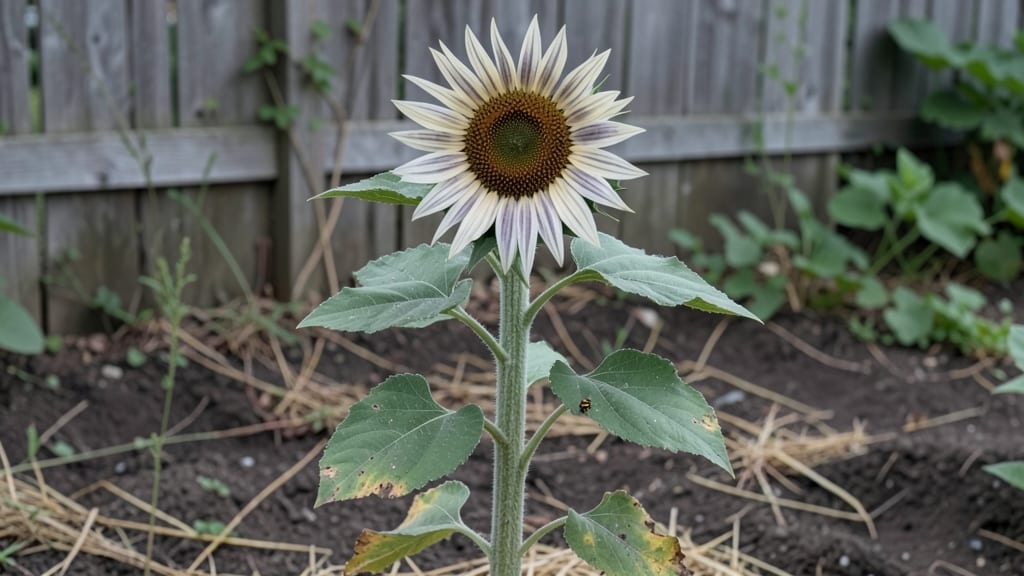
Growing Mammoth Grey sunflowers in the Pacific Northwest means you can finally grow towering sunflowers without summer heat stress. These cold-hardy giants thrive where other varieties wilt, their grey-green foliage standing out like a living sculpture against rain clouds.
I planted mine last spring after years of struggling with floppy stems in my damp climate, and they hit 12 feet by August—without staking. The secret isn’t just their cold tolerance; it’s their thick, sturdy stems that hold up even in windy coastal gardens.
You’ll need full sun (6+ hours daily) and well-draining soil—amend heavy clay with compost to prevent rot. Plant seeds 1 inch deep, spacing them 18 inches apart in rows 3 feet apart to give their massive roots room.
Water deeply once a week (more in summer), keeping soil moist but not soggy. These sunflowers handle Pacific Northwest chill better than most, germinating at 45°F and surviving light frosts—perfect for early spring or late fall plantings.
What you’ll end up with is sunflowers that look like they belong in a botanical garden, not a backyard. The silvery-grey leaves contrast beautifully with their deep yellow blooms, and the stems stay upright even when laden with 10-pound seed heads.
They’re also deer-resistant (a bonus in rural PNW gardens) and pest-free—no aphids or powdery mildew in sight. The only challenge? Finding space for their 10-foot+ height—but that’s half the fun.
For coastal gardeners, plant near a south-facing wall to maximize warmth, and consider row covers for early spring starts. In mountain regions, wait until after the last frost—these sunflowers hate soggy soil.
The key to tall, sturdy stems is consistent moisture and minimal handling once they sprout. With these adjustments, you’ll have sunflowers that outshine everything else in the garden—literally.
📚 In This Guide
- What you need
- Instructions
- Tips and common mistakes
- Wrapping up and next steps
What you need
- ● Seeds: Mammoth Grey Sunflower seeds (10–20, depending on desired spacing)
- ● Growing Space: Full sun (6+ hours of direct sunlight daily)
- ● Well-draining soil (sandy loam or amended garden soil with compost)
- ● Watering Supplies: Garden hose or watering can with a gentle spray nozzle
- ○ Drip irrigation system (optional but recommended for large plants)
- ● Fertilizer: Balanced 10-10-10 fertilizer (1–2 tbsp per plant at planting)
- ● Slow-release organic fertilizer (e.g., compost or worm castings)
- ● Support Structures: Sturdy bamboo stakes or metal cages (6–8 ft tall, 1–2 per plant)
- ● Twine or soft plant ties (for securing stems)
- ● Mulch (straw or wood chips) to retain moisture and suppress weeds
- ● Soil moisture meter (to track watering needs)
- ● Organic pest deterrents (neem oil or insecticidal soap for aphid prevention)
- ● Garden journal (to log growth progress and troubleshoot)
Step-by-Step instructions for growing Mammoth Grey sunflowers
Here’s how to cultivate these towering, cold-resistant beauties—from seed to sky-scraping stems.
🌱 Step 1: Select the Right Location and Prepare the Soil
Mammoth Grey sunflowers thrive in full sun—at least 6-8 hours daily—so choose a spot with unobstructed southern or western exposure. These giants can tolerate cool temperatures down to 25°F, making them ideal for Pacific Northwest climates, but they still need well-draining soil to prevent root rot. Amend heavy clay soil with 2-3 inches of compost to improve drainage and fertility.
Loosen the soil to a depth of 12-18 inches with a garden fork or tiller. Sunflowers have deep taproots, so breaking up compacted layers ensures strong root development. If your soil is sandy, mix in a handful of organic matter to help retain moisture without suffocating roots. The goal is loose, crumbly soil that crumbles easily when squeezed—like a well-made cake batter.
🌱 Step 2: Plant Seeds at the Correct Depth and Spacing
Direct-sow seeds outdoors 2-3 weeks after your last frost date when soil temperatures reach at least 55°F. Plant seeds 1 inch deep and 6-8 inches apart in rows spaced 2-3 feet apart. These sunflowers grow massive—some reaching 12-14 feet tall—so give them room to avoid overcrowding, which weakens stems and increases disease risk.
I like to plant 2-3 seeds per hole and thin to the strongest seedling once they’re 4-6 inches tall. To avoid disturbing roots, gently grasp the weakest seedling at the base and pull upward while supporting the stronger one. You’ll know you’ve thinned correctly when each plant has ample space to develop a sturdy stem without competing for nutrients.
💧 Step 3: Water Deeply and Maintain Consistent Moisture
Water newly planted seeds 1 inch per week, ensuring the soil stays evenly moist but not soggy. Deep watering encourages roots to grow downward rather than staying shallow. Use a soaker hose or drip irrigation to deliver water at the base of the plant, avoiding wet foliage, which can lead to fungal diseases like powdery mildew.
Once seedlings emerge, water every 2-3 days until they reach 12 inches tall, then reduce to 1 inch per week once established. You’ll know your watering is on track when the soil feels damp 2 inches below the surface but not waterlogged. Overwatering is the fastest way to collapse those towering stems—so let the top inch of soil dry out between waterings.
☀️ Step 4: Provide Support and Monitor for Pests
By the time your Mammoth Grey sunflowers reach 3-4 feet tall, they’ll need support to prevent toppling. Install stakes or cages 6-8 feet high and gently tie the main stem to the support as it grows using soft plant ties or old fabric strips. Avoid wire or anything that can cut into the stem—these plants are delicate despite their size.
Watch for common pests like aphids or sunflower moths, which can weaken stems. If you spot clusters of small green insects on new growth, blast them off with a strong spray of water or treat with neem oil. Healthy plants develop thick, woody stems by midseason—this is your cue that they’re strong enough to handle wind and rain without support.
⏰ Step 5: Harvest and Enjoy the Rewards
Mammoth Grey sunflowers typically bloom 90-120 days after planting, producing massive 8-10 inch diameter blooms that last 1-2 weeks per stem. Cut flowers in the early morning when buds are just beginning to open for the longest vase life. To encourage more blooms, deadhead spent flowers by snipping the stem just above a set of healthy leaves.
These sunflowers are biennial, meaning they may reseed themselves for a second-year display. If you’re in a mild climate like the Pacific Northwest, you might see volunteers popping up the following spring—just thin them as you did the original seedlings. The real magic? These giants often survive winter and return even stronger the next year, proving they’re as tough as they are beautiful.
Tips & tricks for perfect Mammoth Grey Sunflower cultivation
These pro-level tips will help you grow sunflowers that rival the Pacific Northwest's tallest giants—without the common pitfalls that leave stems weak or blooms stunted.
Soil Preparation Secret: In Step 1, when loosening soil to 12-18 inches, don't just scratch the surface—break up compacted layers like you're fluffing a pillow. Sunflowers' deep taproots need this space to anchor properly. I've seen plants reach 12 feet tall when soil is prepped correctly, but only 6 feet when roots can't penetrate deeply. The key is to work the soil until it crumbles like cake batter—this tells you it's ready for planting.
Thinning Technique: When thinning seedlings in Step 2, I've learned the hard way that pulling directly upward can damage roots. Instead, grasp the weakest seedling at the base and gently wiggle it while supporting the stronger one with your other hand. This prevents shock to the remaining plant. Time your thinning when seedlings are 4-6 inches tall—any earlier and they're too fragile, any later and roots become entangled.
Watering Wisdom: The 1 inch per week guideline in Step 3 is perfect, but timing matters more than quantity. Water in the early morning so foliage dries quickly, preventing fungal diseases. I've noticed that watering at midday can lead to powdery mildew—those towering stems become prime targets for moisture-loving pathogens. A soaker hose is your best friend here, delivering water directly to roots without wetting leaves.
Support System: Don't wait until your sunflowers are 3-4 feet tall to install support in Step 4—set up stakes or cages when they're half that height. I've seen plants lean dangerously when support comes too late. Use soft fabric ties rather than wire—they're gentler on stems and won't leave marks as plants grow. The goal is to guide growth, not restrict it, so choose supports that'll reach 6-8 feet tall before the plant does.
Pro Tips for Mammoth Grey Sunflower
- These pro-level tips will help you grow sunflowers that rival the Pacific Northwest's tallest giants—without the common pitfalls that leave stems weak or blooms stunted.
- Soil Preparation Secret: In Step 1, when loosening soil to 12-18 inches, don't just scratch the surface—break up compacted layers like you're fluffing a pillow.
- Thinning Technique: When thinning seedlings in Step 2, I've learned the hard way that pulling directly upward can damage roots.
Frequently asked questions
Got questions about growing Mammoth Grey Sunflowers in the Pacific Northwest? You’re not alone! Here are answers to the most common concerns—from pests to planting tips—so you can grow these towering beauties with confidence.
How do I protect my Mammoth Grey Sunflowers from pests like slugs and beetles?
These giants are tough, but slugs and beetles can still target young seedlings or stems. Preventative measures work best: Use copper tape around pots or beds, handpick pests early in the morning, or apply organic slug bait (like iron phosphate) near the base. For beetles, neem oil spray is a gentle but effective deterrent. Pro tip: Plant near marigolds or basil to repel pests naturally!
Can Mammoth Grey Sunflowers survive PNW winters, or should I dig them up?
These sunflowers are cold-hardy (USDA Zones 3–9), but their tall, woody stems may snap under heavy snow or ice. If you’re in a windy or high-snowfall area, stake them or cut back stems to 1–2 feet in late fall. Leave the roots in the ground—they’ll regrow in spring! For extra protection, mulch heavily with straw or leaves.
How long does it take for Mammoth Grey Sunflowers to reach maturity?
From seed to full bloom (10–14 feet tall!), these sunflowers take 90–120 days in ideal conditions. In cooler PNW climates, expect a slightly longer timeline (up to 140 days). Start seeds indoors 4–6 weeks before your last frost for a head start. Bonus: They bloom later in the season, providing stunning fall color when other flowers fade.
Are there shorter sunflower varieties if Mammoth Grey is too tall for my space?
If space is limited, try these PNW-friendly alternatives:
- Russian Giant (8–12 ft) – Slightly shorter but still dramatic.
- Autumn Booster (5–7 ft) – Early bloomer, great for cut flowers.
- Teddy Bear (1–3 ft) – Compact and child-friendly!
What should I do if my sunflower stems bend or flop over?
Floppy stems are usually due to wind, weak stems, or overwatering. Fix it fast:
- Install stakes or cages early (before they get too tall).
- Water at the base, not overhead, to avoid weakening stems.
- For woody stems, trim back by 1/3 in early summer to encourage bushier growth.
Can I save seeds from my Mammoth Grey Sunflowers for next year?
Yes! Once the flower heads turn brown and papery, harvest the seeds by cutting the head and drying it indoors for 1–2 weeks. Remove seeds, clean them, and store in a cool, dry place (like a jar in the fridge). Germination tip: Soak seeds overnight before planting for faster sprouts. Note: Seed viability drops after 2–3 years, so refresh your stock occasionally.
Wrapping up and next steps
The Mammoth Grey Sunflower isn’t just a stunning addition to your garden—it’s a tough, resilient giant that thrives where others falter. With the right soil, spacing, and winter prep, you’ll enjoy towering blooms that bring joy year after year. 🌻❄️
Ready to grow your own? Start by ordering seeds or seedlings today, then mark your calendar for planting in early spring or late summer. Before you know it, your Pacific Northwest garden will be a showstopper—and you’ll be the proud grower behind it!