
Planting
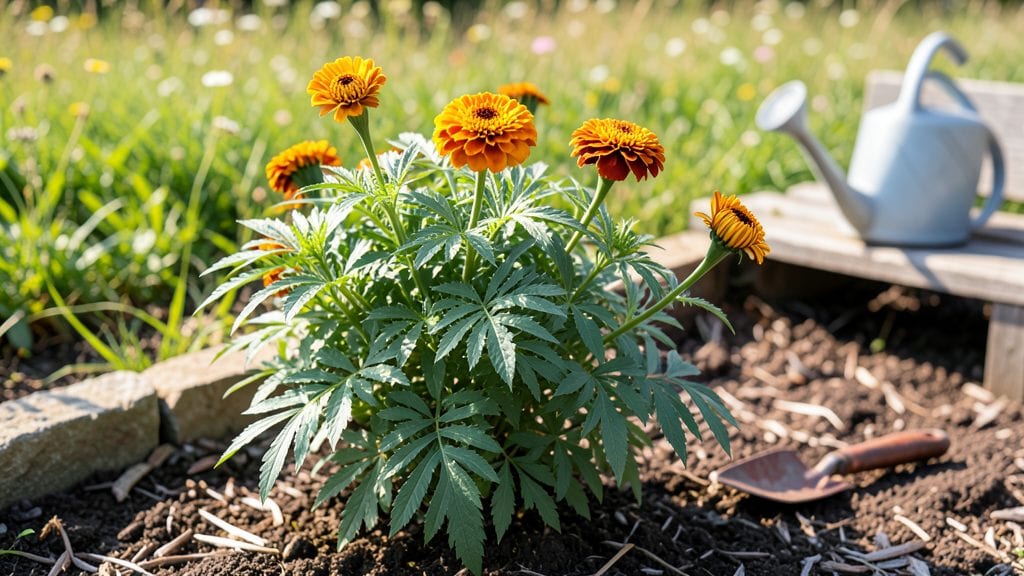
Transform your Pacific Northwest garden into a buzzing, blooming oasis with a marigold flower plant—these bright orange and yellow blooms thrive in sunny spots, luring bees, butterflies, and hummingbirds while keeping pests at bay. 🌻 pests at bay.
My first attempt with marigolds ended in disappointment—until I learned the secret was matching their love for warmth and well-draining soil.
The key to success starts with the right location: at least 6 hours of direct sun daily, even in our cloudier months. Amend your soil with compost to improve drainage, since marigolds hate soggy roots.
Plant seeds ¼ inch deep after the last frost, spacing them 12-18 inches apart for those classic bushy plants we all love. They're tough enough to handle our cooler summers, but a little mulch keeps roots cool and moisture steady.
Once established, marigolds are low-maintenance champions—water them 1-2 inches per week, letting the soil dry slightly between waterings. You'll be rewarded with nonstop blooms from summer through fall, and the more you deadhead spent flowers, the longer they'll keep producing.
The scent alone deters nematodes and rabbits, making them my go-to companion plant for tomatoes and peppers.
Even in our rainy climate, marigolds deliver bold color and practical benefits with minimal effort. Try French marigolds for their deep scent or African varieties for their towering height—both work beautifully in our gardens.
The best part? They self-seed, so you'll have free plants next year. Ready to turn your yard into a pollinator paradise?
📚 In This Guide
- What you need
- Instructions
- Tips and common mistakes
- Wrapping up and next steps
What you need
- ● Marigold seeds or seedlings: Choose French marigolds (tall, fragrant) or African marigolds (bold, vibrant). Buy from local nurseries or reputable online seed suppliers (e.g., Baker Creek Heirloom Seeds or Burpee). Quantity: 10–20 seeds per plant (or 3–5 seedlings for a small patch).
- ● Varieties: ‘Bonanza,’ ‘Tangerine,’ or ‘Crackerjack’ thrive in PNW’s cooler summers.
- ● Well-draining potting mix or garden soil: Marigolds hate soggy roots! Amend clay-heavy PNW soil with compost (50% soil, 50% compost mix).
- ● Containers or garden beds: Containers: 6–12" pots with drainage holes (1–2 plants per container).
- ● Garden beds: Full sun (6+ hours/day) spots. Raised beds work great for PNW’s wet winters.
- ○ Slow-release fertilizer (optional but helpful): Look for a balanced 10-10-10 or organic option (e.g., fish emulsion or worm castings).
- ● Basic gardening tools: Trowel or small shovel for transplanting.
- ● Watering can or hose with a gentle spray nozzle.
- ● Gloves (to protect from thrips or soil-borne pests).
- ○ Mulch (optional but recommended): Straw or shredded leaves to retain moisture and suppress weeds.
- ● Pest control (preventative): Neem oil spray (for aphids or whiteflies).
- ● Row covers (if planting early and slugs are a threat).
- ● Sunlight tracker: PNW’s unpredictable weather? Use a sunlight app (like Sun Surveyor) to pick the sunniest spot.
- ● Start indoors: Sow seeds 4–6 weeks before last frost (late April–May in PNW). Use seed trays with heat mats (70–75°F) for faster germination.
- ● Hardening off: Acclimate seedlings to outdoor temps over 7–10 days before transplanting.
- ● Succession planting: Sow seeds every 2 weeks for continuous blooms from June to frost.
Step-by-step guide to growing thriving marigolds in the Pacific Northwest
Here's the foolproof method I use to grow bold, disease-resistant marigolds that attract pollinators all season long.
🌱 Step 1: Choose the Right Varieties for Pacific Northwest Conditions
For the PNW's cooler, wetter climate, select French marigold varieties like 'Bonanza Yellow' or 'Bonanza Orange'—they thrive in 55-85°F ranges and resist dampness better than African types. I always plant at least 4 plants per 4-foot section to create that signature marigold display while maximizing pollinator appeal.
Start seeds indoors 6-8 weeks before last frost or buy sturdy transplants from a local nursery. The key is choosing disease-resistant varieties that won't succumb to powdery mildew—a common issue in our humid summers. Look for tags mentioning "powdery mildew resistant" or "disease-resistant" strains.
🪴 Step 2: Prepare Well-Draining Soil and Plant at Correct Depth
Marigolds hate soggy roots, so amend your garden beds with 2-3 inches of compost and mix in 1 part perlite to 3 parts native soil for improved drainage. The PNW's clay-heavy soils need this extra grit to prevent root rot during our frequent spring rains.
Plant seeds ¼ inch deep and 12 inches apart for French types, or 18 inches apart for larger African varieties. I always plant in sunny, south-facing locations—marigolds need 6-8 hours of direct sunlight daily to produce their signature blooms. If your site gets afternoon shade, choose shorter French varieties that tolerate partial shade better.
💧 Step 3: Water Deeply and Maintain Consistent Moisture
Water deeply 2-3 times per week until the plants establish (about 4-6 weeks), then reduce to once weekly during summer. The secret is watering at the base of the plant in the morning—this prevents fungal diseases that thrive in evening moisture. You'll know moisture is right when the top 2 inches of soil feel dry to touch but not bone-dry.
Mulch with 2-3 inches of straw after planting to retain moisture and suppress weeds. I always use straw instead of wood chips because it breaks down quickly, adding organic matter without smothering the plants. Avoid overhead sprinklers—they encourage mildew on the foliage.
✂️ Step 4: Deadhead and Fertilize for Continuous Blooms
Pinch off spent blooms weekly to encourage more flowers. I always use my fingers rather than scissors—it's faster and prevents accidental damage to new buds. This simple habit keeps plants flowering throughout the entire growing season (May to October in the PNW).
Feed with a balanced 10-10-10 fertilizer every 4-6 weeks starting when plants reach 6 inches tall. Too much nitrogen makes plants leafy but flowerless—what we want are those vibrant blooms! I swear by organic fish emulsion for a gentle boost that won't burn tender roots.
☀️ Step 5: Protect from Late Season Rain and Frost
As summer winds down, marigolds need protection from the cool, wet autumns typical of the PNW. I always cut back plants by half their height in early October and cover with frost cloth when nighttime temperatures drop below 40°F. This preserves roots for next season.
The real trick is timing—remove covers during the day to let sunlight warm the soil, then replace them at dusk. You'll see new growth appear in spring 2-3 weeks earlier than unprotected plants. In mild winters, marigolds may even survive as perennials in sheltered microclimates.
Tips & tricks for perfect marigold planting in the Pacific Northwest
A few key tricks will help you grow marigolds that thrive in our region's unique climate and attract pollinators all season.
Variety Selection: French marigolds like 'Bonanza Yellow' are your best bet for the PNW's damp summers. These varieties handle our 55-85°F range better than African types and resist powdery mildew—the scourge of our humid summers. I've found that planting 4 plants per 4-foot section creates that classic marigold display while maximizing pollinator appeal without overcrowding.
Soil Preparation: The PNW's clay-heavy soils need serious amending. Mix 2-3 inches of compost with 1 part perlite to 3 parts native soil—this gritty mix prevents root rot from our frequent spring rains. I always test soil drainage by making a hole, filling it with water, and checking if it drains within 2 hours. If not, add more perlite or sand.
Watering Strategy: Marigolds need consistent moisture, but timing matters. Water deeply 2-3 times per week until plants establish (about 4-6 weeks2 inches; it should feel dry but not bone-dry.
Seasonal Protection: As summer winds down, protect your marigolds from the PNW's cool, wet autumns. Cut back plants by half their height in early October and cover with frost cloth when nighttime temps drop below 40°F. The timing trick is removing covers during the day to let sunlight warm the soil, then replacing them at dusk—this preserves roots while preventing shock.
Pro Tips for Marigold Flower Plant
- A few key tricks will help you grow marigolds that thrive in our region's unique climate and attract pollinators all season.
- Variety Selection: French marigolds like 'Bonanza Yellow' are your best bet for the PNW's damp summers.
- Soil Preparation: The PNW's clay-heavy soils need serious amending.
Frequently asked questions
Got questions about growing marigolds in the Pacific Northwest? You’re not alone! Here are answers to the most common queries—from planting tips to troubleshooting—so you can keep your pollinator-friendly garden blooming beautifully.
When is the best time to plant marigolds in the PNW?
For the Pacific Northwest’s mild but unpredictable climate, plant French marigolds (like ‘Bonanza’) after the last frost in late spring (May–June) or start seeds indoors 6–8 weeks earlier. African marigolds (like ‘Crackerjack’) thrive in summer heat, so wait until June. For fall blooms, sow seeds in late summer (August).
Can marigolds survive PNW winters?
Most marigolds are annuals and won’t survive frost, but Mexican marigolds (Tagetes lucida) are hardy perennials in USDA zones 8–11—rare in the PNW. If you love them, grow them as annuals or overwinter potted plants indoors with bright light. Pro tip: Mulch young plants in fall to protect roots from early cold snaps.
Why aren’t my marigolds attracting pollinators?
Marigolds draw bees and butterflies with their scent and nectar, but if visitors are scarce, check these fixes:
- Timing: Plant in full sun (6+ hours/day) for peak blooms.
- Water: Keep soil moist but not soggy—stress reduces nectar.
- Pests: Spider mites or aphids can deter pollinators. Spray with neem oil if needed.
- Companions: Pair with lavender, cosmos, or borage for a pollinator buffet!
What’s a good alternative if marigolds don’t thrive in my shady spot?
Marigolds crave sun, but shade-tolerant pollinator favorites like coneflowers (Echinacea), black-eyed Susans (Rudbeckia), or shade-loving asters thrive in partial shade (4–6 hours of sun). For color, try impatiens or heuchera—they won’t repel pests like marigolds do!
My marigolds have yellow leaves—what’s wrong?
Yellow leaves are often a sign of overwatering or nutrient deficiency. Check the soil: it should drain well and be slightly dry at the surface. Feed with a balanced fertilizer (10-10-10) every 4–6 weeks. Fungal issues? Space plants 12–18 inches apart for airflow and avoid wetting foliage when watering. Quick fix: Trim affected leaves and improve drainage with compost.
Wrapping up and next steps
From their vibrant blooms to their pest-repelling superpowers, marigolds are a must-have for any Pacific Northwest garden! 🌻 Whether you're a seasoned gardener or just starting out, these sun-loving plants bring color, life, and ecological benefits to your outdoor space.
With the right soil, sunlight, and care, you’ll soon be enjoying a thriving marigold patch that attracts pollinators and keeps pests at bay.
Ready to get growing? Start by picking your favorite variety—French, African, or Mexican—and plant them this season! Your garden (and the bees!) will thank you. 🐝✨