
Pests and Diseases
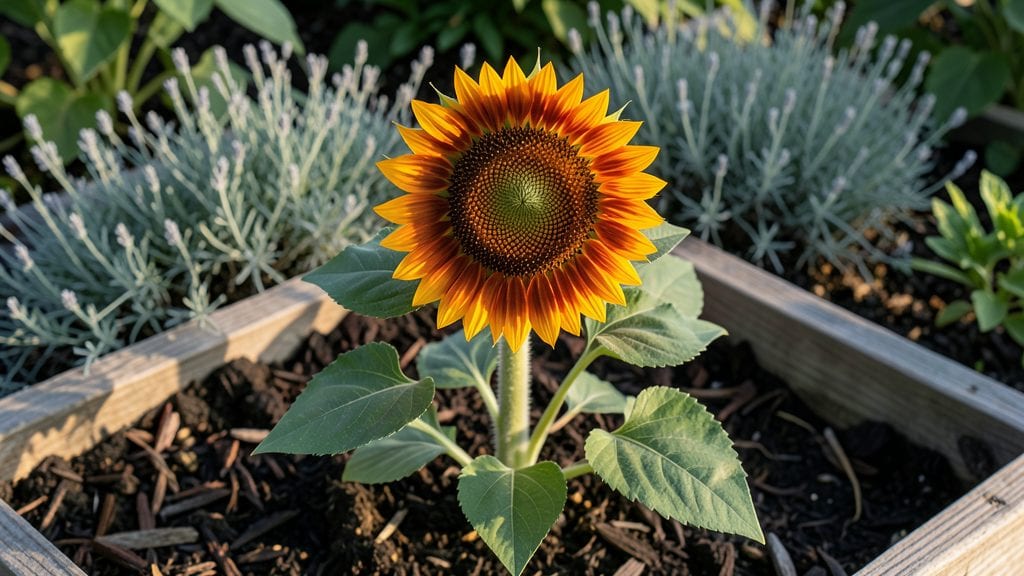
Those fiery orange-and-yellow sunflowers are the showstopper your pollinator garden has been missing. ✨ I planted mine along the back fence last spring, and now they’re the first thing neighbors notice—tall, two-toned stalks swaying in the breeze, drawing bees and butterflies like magnets.
The contrast alone makes them stand out, but their height and structure also create natural vertical interest that fills empty spaces beautifully.
Pair them with deep purple coneflowers for a striking contrast, or tuck shorter yellow blooms like black-eyed Susans at their base to create a layered look.
They thrive in full sun and well-drained soil, so even beginners can’t go wrong—just give them space to grow (those stems can reach 6-7 feet tall!). The best part? They self-seed reliably, so you’ll have even more drama next year without extra effort.
📚 In This Guide
- What you need
- Instructions
- Tips and common mistakes
- Wrapping up and next steps
What you need
- ● Orange and yellow sunflower seeds – Choose heirloom varieties like ‘Lemon Queen’ (yellow) or ‘Moulin Rouge’ (orange-red) for a striking two-tone effect. Buy 10–20 seeds for a small garden or 50+ for a bold display.
- ● Well-draining potting mix or garden soil – Amend with compost (1 part compost to 3 parts soil) for nutrient-rich growth.
- ● Containers or garden bed – For containers: 6–12" deep pots with drainage holes (1–2 seeds per pot). For in-ground: full sun (6+ hours/day) and loose, fertile soil.
- ● Watering can or hose with a gentle spray nozzle – Sunflowers need consistent moisture, especially during germination.
- ● Plant labels – Mark varieties to track your vibrant duo!
- ● Garden gloves – Protect your hands from prickly stems.
- ● Trowel or transplanting spade – For digging holes or relocating seedlings.
- ● Stakes or trellis (4–6 ft tall) – Support tall varieties (like ‘Russian Giant’) to prevent toppling.
- ● Organic fertilizer (balanced 10-10-10 or compost tea) – Boost growth mid-season for bigger blooms.
- ● Pest deterrents (neem oil, row covers) – Prevent aphids or bird damage in high-risk areas.
- ● Patience – Germination takes 7–14 days, and full blooms arrive in 8–12 weeks!
- ● Sunny spot – No compromises—sunflowers thrive in full sun.
- ● Pollinator awareness – Bees and butterflies will love your garden—place it near a water source for extra appeal.
Step-by-step guide to growing striking orange and yellow sunflowers
Here’s how to cultivate these vibrant two-tone beauties—pollinator magnets that bring bold color to any garden.
🌱 Step 1: Choose the Right Variety and Planting Location
Select a two-tone sunflower variety like ‘Lemon Queen’ or ‘Evening Sun’ for their striking orange-and-yellow petals. These varieties thrive in full sun, needing at least 6-8 hours of direct sunlight daily. I always check my garden’s sun exposure first—partial shade dulls their vibrant colors and weakens stems.
Sunflowers need well-draining soil with a pH between 6.0 and 7.0. If your soil is heavy clay, amend it with 2-3 inches of compost before planting. Work the compost into the top 12 inches of soil to ensure roots have room to spread. I like to test soil moisture too—sunflowers wilt fast in dry conditions, so a soil moisture meter helps track hydration levels.
🌱 Step 2: Prepare the Soil and Sow Seeds
Plant seeds ½ inch deep and 12-18 inches apart—crowding leads to weak stems that flop under their own weight. I use a hand trowel to make small holes, then place 1-2 seeds per spot (thin later if both sprout). Cover seeds lightly with soil and water gently to avoid displacing them.
Sunflower seeds germinate best in soil temperatures above 60°F. If planting early in spring, consider using a seedling heat mat to speed up germination. Keep the soil consistently moist (not soggy) until sprouts appear—usually within 7-14 days. Watch for first true leaves (the second set after the initial seed leaves) before thinning to the strongest seedling per spot.
💧 Step 3: Water and Fertilize for Strong Growth
Water deeply 1-2 times per week, aiming for 1 inch of water per week. Let the soil dry slightly between waterings—sunflowers are drought-tolerant once established, but overwatering causes root rot. I water at the base of the plant in the morning to reduce fungal risks from evening moisture.
Fertilize lightly with a balanced 10-10-10 formula when seedlings reach 6 inches tall, then again when buds form. Too much nitrogen makes stems weak and prone to snapping. I also side-dress with compost tea every 4 weeks for micronutrients—sunflowers need phosphorus and potassium for those bold blooms.
☀️ Step 4: Support Stems and Protect from Pests
Tall varieties need staking or a sturdy trellis—I use bamboo stakes tied loosely with soft garden twine to avoid damaging stems. Sunflowers grow 2-6 feet tall, so check stakes weekly as they shoot up. If birds or squirrels peck at seeds, cover young plants with floating row fabric until they’re 12 inches tall.
Watch for aphids or sunflower moths—they love the sap. Spray infested areas with neem oil or introduce ladybugs for natural control. I also rotate plants yearly to prevent soil-borne diseases like powdery mildew, which thrives in humid conditions. Prune lower leaves to improve airflow if humidity is high.
⏰ Step 5: Harvest and Enjoy the Pollinator Power
Cut flowers when 2-3 petals begin to droop—this ensures maximum vase life. I harvest in the early morning when stems are hydrated. Leave some blooms on plants for bees, butterflies, and hummingbirds—sunflowers are pollinator superstars. Dry cut flowers upside down in a dark, well-ventilated space for 1-2 weeks.
Save seeds from the best blooms by letting them dry fully on the plant, then shaking them into a paper bag. Store seeds in a cool, dry place for next year’s garden. These sunflowers are annuals, so replant fresh seeds each spring for bold, two-tone color year after year.
Tips & tricks for growing stunning two-tone sunflowers
These pro tips will help you cultivate sunflowers with vibrant orange and yellow petals that stand out in any garden.
Location is Everything: The 6-8 hours of full sun requirement is non-negotiable for those striking two-tone colors. I test my garden's sun exposure throughout the day—morning sun is great, but afternoon sun is critical for the boldest petals. If your garden only gets partial sun, consider using a sun reflector on the north side of plants to maximize light exposure.
Soil Prep Secret: That 2-3 inches of compost isn't just for nutrients—it improves soil structure to prevent waterlogging, which is crucial for sunflowers that wilt quickly in soggy conditions. I always work compost into the top 12 inches of soil to create ideal rooting conditions. For heavy clay soils, mix in perlite or coarse sand to improve drainage.
Germination Hack: The 60°F soil temperature minimum is why spring planting can be tricky. If you're planting early, use a seedling heat mat to maintain consistent warmth. I've found that maintaining soil moisture during germination (without overwatering) is more important than the 7-14 day window—consistent moisture prevents seeds from drying out before sprouting.
Fertilizer Timing: Those two fertilizer applications (at 6 inches and bud formation) are key for strong stems and vibrant blooms. I use a slow-release 10-10-10 fertilizer rather than quick-release to prevent nitrogen burn. The compost tea every 4 weeks provides micronutrients that enhance those two-tone colors—don't skip this step for maximum impact!
Pro Tips for Orange And Yellow Sunflower
- These pro tips will help you cultivate sunflowers with vibrant orange and yellow petals that stand out in any garden.
- Location is Everything: The 6-8 hours of full sun requirement is non-negotiable for those striking two-tone colors.
- Soil Prep Secret: That 2-3 inches of compost isn't just for nutrients—it improves soil structure to prevent waterlogging, which is crucial for sunflowers that wilt quickly in soggy conditions.
Frequently asked questions
about growing and caring for orange and yellow sunflowers—your go-to guide for troubleshooting and tips!Why do my sunflowers have uneven colors instead of bold orange and yellow?
Uneven coloring can happen due to inconsistent sunlight or nutrient deficiencies. Ensure your plants get 6+ hours of direct sun daily and use a balanced fertilizer (like 10-10-10) every 4-6 weeks. If stripes fade, it may be a sign of overwatering—let soil dry slightly between waterings.
Are orange and yellow sunflowers more prone to pests than other varieties?
Not necessarily! However, their bright colors attract pollinators (and pests like aphids or beetles). Monitor leaves for holes or sticky residue. Use neem oil or insecticidal soap early to deter pests. Birds love the seeds too—consider netting if squirrels are a problem!
How long does it take for orange and yellow sunflowers to bloom?
From seed to bloom, expect 60–80 days in ideal conditions (warm soil, full sun). Start seeds indoors 4–6 weeks before last frost or direct-sow after soil reaches 55°F+. Pro tip: Thin seedlings to 12–18 inches apart for stronger stems and bigger blooms!
Can I grow orange and yellow sunflowers in containers? If so, what size pot do I need?
These sunflowers thrive in 5-gallon pots or larger (minimum 12–18 inches deep). Use a well-draining mix and a tomato cage or stake for support—wind can topple them. Place pots in full sun and fertilize every 3 weeks for best results.
Are there alternatives to orange and yellow sunflowers for two-tone gardens?
Yes! Try these striking two-tone varieties:
- ‘Moulin Rouge’ – Deep red with yellow centers
- ‘Evening Sun’ – Warm orange-yellow gradients
- ‘Teddy Bear’ – Creamy yellow with burgundy stripes
All attract pollinators and add drama to gardens!
Wrapping up and next steps
Transforming your garden into a vibrant haven for pollinators with orange and yellow sunflowers is a rewarding and impactful choice! 🌻 These striking two-tone beauties not only add bold color but also support local ecosystems while keeping pests at bay.
Whether you’re a seasoned gardener or just starting out, every seed planted is a step toward a healthier, more dynamic garden.
Ready to take the next step? Start small—pick a sunny spot, gather your supplies, and plant with confidence! Your pollinator friends (and your future blooms) will thank you.