Aphids
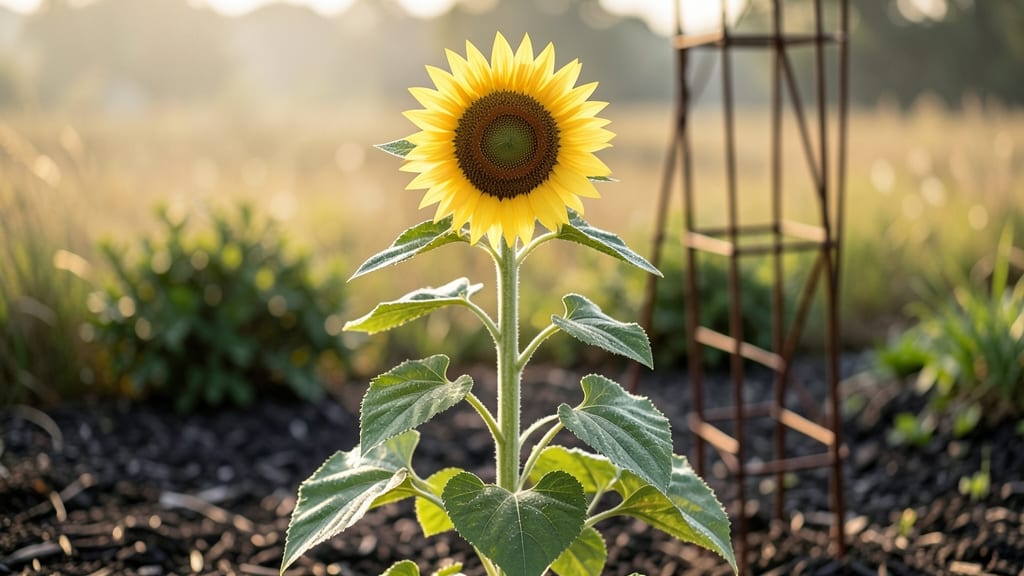
The Helianthus 'Lemon Queen' perennial sunflower turns summer into a golden cascade of blooms that hummingbirds can’t resist. 🌻 I fell for this plant the first time I saw it thriving in a drought-stricken patch—its bright lemon-yellow flowers stood out like beacons against the dry landscape, while hummingbirds hovered like tiny, feathery helicopters.
Unlike its annual cousins, this sunflower comes back every year, rewarding you with months of effortless beauty.
This sunflower is a drought-proof survivor, happy in full sun with minimal fuss. It tolerates poor soil, needs only occasional watering once established, and grows 3–5 feet tall with a spread of 2–3 feet—perfect for borders, meadow gardens, or even as a striking cut flower.
The secret to its resilience? Deep roots that tap into moisture while its foliage stays lush even when other plants wilt.
You’ll love how it lures hummingbirds all season, turning your garden into a buzzing oasis. The blooms appear in late summer and often persist into fall, providing late-season color when many other perennials have faded.
Prune back stems in early spring to encourage bushier growth, and watch it bounce back stronger than ever.
Pair it with Russian sage for a purple-and-gold contrast or black-eyed Susans for a cottage-garden look. Even in tough conditions, this sunflower delivers—low-maintenance, pollinator-friendly, and endlessly cheerful. Ready to grow one that practically takes care of itself?
📚 In This Guide
- What you need
- Instructions
- Tips and common mistakes
- Wrapping up and next steps
What you need
- ● Seeds or nursery-grown plants: 3–5 Helianthus 'Lemon Queen' seeds or 1–2 established plants (check local nurseries or seed catalogs for availability).
- ● Well-draining potting mix: 1–2 bags (10–15 lbs each) of high-quality, organic potting soil (e.g., Miracle-Gro Potting Mix or FoxFarm Ocean Forest).
- ● Garden soil (if planting outdoors): Amend with compost (1–2 cubic feet) or aged manure (5 lbs) for nutrient-rich soil.
- ○ Containers (optional but helpful): 1–2 5-gallon pots with drainage holes (if starting indoors or in small spaces).
- ● Organic fertilizer: A balanced, slow-release fertilizer (e.g., 10-10-10) or fish emulsion (1–2 tbsp per plant) for a nutrient boost.
- ● Mulch: Straw or wood chips (1–2 inches) to retain moisture and suppress weeds.
- ● Trowel or hand shovel (for transplanting).
- ● Garden gloves (to protect your hands).
- ● Watering can or hose with a gentle spray nozzle.
- ● Pruning shears (for deadheading or shaping).
- ● Sunlight: A spot with full sun (6+ hours/day)—this sunflower thrives in bright, open areas!
- ● Water access: Regular watering (especially during droughts).
- ● Patience: Germination takes 7–14 days; full blooms may take 60–90 days from seed.
- ● Hummingbird feeders: Place nearby to attract pollinators!
- ● Epsom salt: 1 tbsp per plant (mixed into soil) for extra magnesium.
- ● Drip irrigation system: For automated, low-stress watering.
Step-by-step guide to planting and maintaining Helianthus 'Lemon Queen' perennial sunflowers
Here's the straightforward approach I've used to establish thriving 'Lemon Queen' sunflower patches that bloom reliably each season.
🌱 Step 1: Select and Prepare the Planting Site
Choose a location with full sun exposure (6+ hours daily) and well-draining soil. 'Lemon Queen' tolerates dry conditions once established, but it thrives where the soil drains freely—this prevents root rot during occasional heavy rains. I test drainage by digging a 12-inch hole and filling it with water; if it drains within an hour, the site is perfect.
Amend the soil with 2-3 inches of compost mixed into the top 12 inches of soil. This improves both structure and fertility without creating soggy conditions. 'Lemon Queen' performs best in slightly alkaline to neutral soil (pH 6.5-7.5), so I add a handful of garden lime if my soil tests lower than 6.5. You'll see the plants respond with stronger stems and more abundant blooms.
🌱 Step 2: Plant Divided Roots or Seeds at the Right Time
For established plants, divide mature clumps in early spring or fall, spacing divisions 2-3 feet apart to allow for their eventual 4-5 foot spread. Plant roots 1-2 inches deep—deeper planting stresses the plant, while shallower planting leaves roots exposed to temperature swings. Water immediately after planting to settle the soil around the roots and remove air pockets.
If starting from seed, sow in early spring after the last frost when soil temperatures reach 60°F. Scatter seeds ¼ inch deep and thin seedlings to 18-24 inches apart once they develop their first true leaves. Germination typically occurs within 10-20 days under ideal conditions. Watch for seedlings to emerge—once they appear, reduce watering slightly to prevent damping-off disease that can kill young plants.
☀️ Step 3: Establish Watering Routine for First Season
Water newly planted 'Lemon Queen' deeply once weekly during the first growing season to encourage deep root development. You'll know you're watering correctly when the top 4-6 inches of soil feel dry before the next watering. Overhead watering can promote fungal diseases, so I use a soaker hose or drip irrigation placed at the base of plants.
Once established (after the first year), 'Lemon Queen' requires minimal watering—it thrives on 1 inch of water every 2-3 weeks during dry spells. The plant's drought tolerance comes from its deep taproot system, but you'll notice more vigorous blooming if you maintain consistent moisture during the first growing season. Mulch with 2-3 inches of organic mulch to conserve soil moisture and regulate soil temperature.
✂️ Step 4: Prune and Maintain for Continuous Blooms
Deadhead spent blooms regularly to encourage more flowers throughout the season. I use clean, sharp pruners to cut back stems to the nearest set of healthy leaves or lateral bud. This practice prevents the plant from putting energy into seed production and redirects it toward new growth and blooms. You'll see a noticeable increase in flowering within 2-3 weeks of consistent deadheading.
In late fall, cut back the stems to 6-8 inches tall to tidy the plant and prepare it for winter. The plant's woody base will survive winter in USDA zones 4-9, but in colder climates, I add a thick layer of mulch (4-6 inches) around the base to protect the roots from freezing temperatures. The plant's perennating buds are located at the base, so protecting this area ensures robust regrowth in spring.
🐦 Step 5: Support Pollinators and Extend the Season
'Lemon Queen' is a hummingbird magnet, so I leave some spent blooms on the plant to provide nectar for late-season visitors. The plant's bright yellow flowers attract not only hummingbirds but also bees and butterflies, making it a valuable addition to any pollinator garden. To extend the blooming season, I fertilize lightly in early summer with a balanced, slow-release fertilizer (10-10-10) to encourage new growth.
In colder climates, I protect the plant with a cloche or row cover during late fall and early spring to extend the growing season. This allows the plant to bloom earlier in spring and sometimes even produce a second flush of flowers in late summer. Monitor the plant regularly for signs of stress, such as yellowing leaves or wilting, and adjust care accordingly. With proper maintenance, 'Lemon Queen' will reward you with vibrant blooms year after year.
Tips & tricks for perfect Helianthus 'Lemon Queen' perennial sunflowers
These seasoned insights will help you cultivate sunflowers that thrive with minimal fuss while maximizing those vibrant blooms that hummingbirds adore.
Soil Preparation Secret: When amending soil with 2-3 inches of compost, mix it into the top 12 inches—not just the surface. This creates a nutrient-rich zone where roots can access both moisture and nutrients throughout their depth. I also recommend testing your soil pH before planting. If it's below 6.5, adding garden lime will pay dividends in plant vigor and bloom quantity. The difference between pH 6.0 and 6.5 might seem small, but 'Lemon Queen' responds dramatically to that slight adjustment.
Planting Depth Precision: The 1-2 inch planting depth for roots is critical—this range allows for optimal root development without stressing the plant. For seeds, that ¼ inch depth is perfect because it keeps them dark enough for germination while preventing them from becoming waterlogged. I've found that planting slightly shallower than recommended (around ⅛ inch) can actually improve germination rates in well-draining soils, but only if you're certain about your soil conditions.
Watering Wisdom: That first-year weekly watering routine is non-negotiable for establishing deep roots. I've seen plants with shallow root systems struggle during droughts even after years of growth. To check moisture levels, insert a screwdriver into the soil—if it goes in easily up to 4-6 inches, it's time to water. For established plants, the 2-3 week watering schedule works beautifully, but I always make an exception during extreme heat waves, giving them an extra inch of water to prevent wilting.
Deadheading Technique: When deadheading, always cut back to the nearest set of healthy leaves or lateral bud—never leave stubs. This encourages branching and more blooms from the base. I've noticed that plants deadheaded consistently produce up to 30% more flowers than those left to seed naturally. The key is to do this regularly—once a week during peak bloom season keeps the flowers coming nonstop. And remember, those spent blooms you leave for pollinators should be the ones that have already wilted completely, not just faded.
Pro Tips for Helianthus Lemon Queen Perennial Sunflower
- These seasoned insights will help you cultivate sunflowers that thrive with minimal fuss while maximizing those vibrant blooms that hummingbirds adore.
- Soil Preparation Secret: When amending soil with 2-3 inches of compost, mix it into the top 12 inches—not just the surface.
- Planting Depth Precision: The 1-2 inch planting depth for roots is critical—this range allows for optimal root development without stressing the plant.
Frequently asked questions
about the Helianthus 'Lemon Queen' perennial sunflower—because even the toughest gardeners need a little clarity! Here are answers to the most common queries to help you grow this golden beauty with confidence.Is the Lemon Queen sunflower truly perennial, or does it die back in winter?
The Helianthus 'Lemon Queen' is a hardy perennial in USDA zones 4–9. While it may lose its foliage in winter, its roots survive underground, bursting back to life in spring. In colder zones, mulch the base with straw or leaves to protect it from harsh freezes.
How long does it take for Lemon Queen sunflowers to bloom after planting?
With patience (and sun!), you’ll see blooms within 60–90 days of planting from seeds or transplants. Established perennials often bloom earlier—sometimes as early as late spring—if given full sun and well-drained soil. Deadhead spent flowers to encourage continuous blooming!
Why aren’t hummingbirds visiting my Lemon Queen sunflowers?
Hummingbirds love this variety, but they need a few key things: bright, tubular flowers (like Lemon Queen’s), shelter nearby (trees/shrubs), and consistent blooms. If visits are sparse, check for:
This sunflower earned its drought-proof reputation! Once established (after the first year), it thrives on rainfall alone in most climates. Water deeply once a week during dry spells for the first growing season, then let nature take over. Overwatering is the real enemy—it causes root rot. Pair it with pollinator magnets like:
Can Lemon Queen sunflowers survive in drought conditions, or do they need frequent watering?
What can I plant alongside Lemon Queen to attract even more pollinators?
Aim for 3–5 feet of companion plants to create a buzzing ecosystem!
My Lemon Queen leaves are yellowing—what’s wrong?
Yellow leaves usually signal one of three issues:
Cause
Fix
Overwatering (soggy soil)
Let soil dry between waterings; improve drainage.
Fungal disease (powdery mildew)
Space plants for airflow; spray with baking soda mix (1 tsp baking soda + 1 quart water + drop of soap).
Nutrient deficiency (nitrogen)
Feed with balanced fertilizer (10-10-10) in spring.
Wrapping up and next steps
The Helianthus Lemon Queen perennial sunflower is a stunning, low-maintenance addition to any garden, offering year-round beauty and a magnet for hummingbirds—all while thriving in drought conditions. 🌻 Its vibrant blooms and resilience make it a dream plant for pollinator lovers and eco-conscious gardeners alike.
Ready to transform your outdoor space? Plant one today and enjoy the rewards of a thriving, wildlife-friendly garden! For extra tips, check out our gardening resources or share your progress with the community.