
Flowers
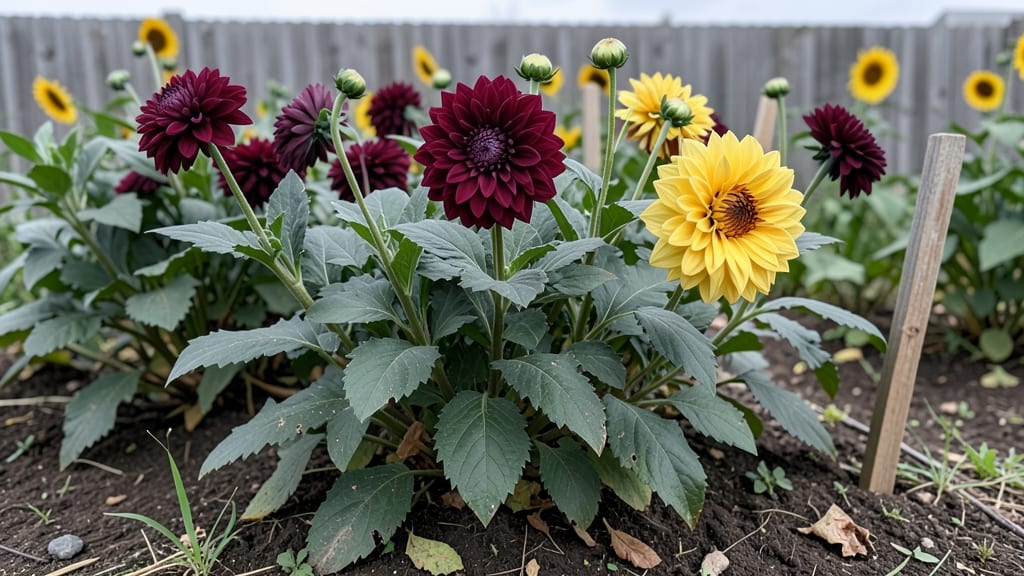
Transforming a small corner into a micro flower farm with dahlias starts with bold, vertical blooms that turn heads—and wallets—at local markets. 🌸 These showstopper flowers thrive in tight spaces when you stack them strategically, using trellises and companion plants to maximize every square foot.
My first attempt with just five tubers yielded enough cut stems to sell at a farmers' market, proving even a balcony can become a profit center.
The secret lies in vertical training and smart spacing: plant tubers 12 inches apart in raised beds or containers, then weave stems through sturdy trellises as they grow. Dahlias climb 5-6 feet tall, so they naturally create drama while saving ground space.
Pair them with low-growing companions like marigolds or nasturtiums to deter pests and fill gaps until the dahlias bulk up—this layered approach keeps your micro farm looking lush year-round.
By late summer, you’ll harvest dozens of stems per plant, each with the same vibrant colors as nursery favorites but at a fraction of the cost.
The real magic happens when you time your planting: start tubers indoors in April for a June harvest, then succession-plant a second batch for fall color. This two-wave system ensures your micro farm never runs dry of inventory—or income.
Whether you’re selling bouquets or simply filling your garden with drama, dahlias deliver high-impact results with minimal space. The key is treating them like a vertical crop from day one—because in micro farming, every inch counts. Ready to turn those blooms into your business’s signature product?
📚 In This Guide
- What you need
- Instructions
- Tips and common mistakes
- Wrapping up and next steps
What you need
- ● Dahlia tubers: Start with certified disease-free tubers (e.g., ‘Café au Lait,’ ‘Galaxy,’ or ‘Karma Choc’). Buy 10–20 tubers for a micro farm (adjust based on desired bloom density).
- ● Well-draining potting mix: 10–15 gallons of a blend like 50% coco coir, 30% perlite, 20% compost (or store-bought "flower mix" with added perlite).
- ● Containers: 5–10-gallon fabric grow bags or plastic pots with drainage holes (1 per tuber).
- ● Fertilizer: Balanced liquid fertilizer (e.g., 10-10-10) for early growth.
- ● High-phosphorus fertilizer (e.g., 5-10-10) for blooming (switch after 6 weeks).
- ● Mulch: 2–3 inches of straw or shredded leaves to retain moisture and suppress weeds.
- ● Hand trowel (for transplanting tubers).
- ● Watering can with a rose nozzle (gentle watering = happy dahlias!).
- ● Pruning shears (sterilized with rubbing alcohol).
- ● Support stakes or cages (3–4 ft tall; 3–5 stakes per 10 tubers).
- ○ pH test kit (optional but helpful—dahlias thrive at 6.0–7.0).
- ● Garden gloves (to protect from thorns and soil).
- ● Sunlight: 6+ hours of full sun daily (south-facing window or greenhouse ideal).
- ● Temperature: Start tubers indoors at 60–70°F (move outdoors after last frost when soil is 60°F+).
- ● Water access: Dahlias need 1–2 inches of water weekly (more in heatwaves).
- ● Space: Allow 12–18 inches between tubers for airflow (critical to prevent mildew!).
How to create a micro flower farm with dahlias for stunning vertical displays
Here’s how to grow bold, show-stopping dahlias in small spaces—no nursery needed.
🌱 Step 1: Choose and Prepare Tubers for Planting
Dahlias thrive from tubers, not seeds, so start with healthy, firm tubers from a reputable supplier. Look for eyes (tiny buds) on the tuber—these are where new growth will emerge. Soak tubers in lukewarm water for 1 hour before planting to rehydrate them. This jumpstarts root growth and ensures faster establishment.
I like to separate tubers with multiple eyes into smaller clusters, each with at least 3-4 eyes, to encourage bushier plants. Use a clean, sharp knife to cut them, then let the cut surfaces dry for 15-20 minutes before planting. This prevents rot. If you’re planting whole tubers, no need to cut—just position them with the eyes facing upward.
🪴 Step 2: Plant Tubers in Well-Draining Soil
Fill your containers or garden beds with a mix of 50% potting soil and 50% compost to create a nutrient-rich, well-draining medium. Dahlias hate soggy roots, so avoid heavy clay soil or poorly draining pots. If planting in containers, choose pots at least 12 inches deep and wide—dahlias have deep roots and need space to establish.
Plant tubers 4-6 inches deep, with the eyes facing upward. Space multiple tubers 12-18 inches apart to allow for airflow and reduce disease risk. After planting, water lightly to settle the soil but avoid soaking the tubers. Place pots or beds in a location with full sun (6+ hours daily), as dahlias need bright light to produce their signature bold blooms.
☀️ Step 3: Provide Support and Consistent Care
Dahlias are heavy bloomers and need sturdy support. Install 5-6 foot bamboo stakes or metal cages at planting time to give stems something to climb as they grow. You’ll see the first shoots emerge in 2-3 weeks—this is your cue to start fertilizing. Use a balanced, water-soluble fertilizer (10-10-10) every 2 weeks to encourage lush foliage and abundant blooms.
Water at the base of the plant, keeping the soil evenly moist but not waterlogged. Dahlias are drought-tolerant once established, but consistent moisture during the growing season prevents floppy stems and ensures vibrant blooms. Mulch around the base with 2-3 inches of organic mulch to retain moisture and suppress weeds. Watch for powdery mildew—if you spot white powder on leaves, remove affected foliage immediately and treat with neem oil.
✂️ Step 4: Prune and Deadhead for Continuous Blooms
Once your dahlias reach 12-18 inches tall, pinch back the top growth to encourage bushier growth. This step is crucial for compact, sturdy plants that support heavy blooms. Remove any side shoots (suckers) that grow from the base, leaving only the strongest stem. This redirects energy to the main stem and produces larger, showier flowers.
Deadhead spent blooms regularly to encourage more flowers. Cut back the stem to the first set of healthy leaves below the bloom. If you notice stems growing leggy or weak, prune them back by one-third to promote new growth. Dahlias bloom from the top down, so always remove faded blooms from the top first. With consistent care, your micro flower farm will produce continuous blooms from mid-summer to frost.
⏰ Step 5: Prepare for Winter and Store Tubers
When the first frost threatens, cut back the foliage to 6 inches above the soil and dig up the tubers carefully. Shake off excess soil and let them dry in a cool, dark place for 2-3 days. This helps prevent rot during storage. Store tubers in a paper bag or cardboard box with dry peat moss or vermiculite in a cool (40-50°F) location over winter.
Check tubers monthly for signs of rot or mold. If you notice any soft or mushy spots, remove those tubers immediately to prevent the spread. In early spring, replant your stored tubers and repeat the process for another stunning season of dahlias. With this method, you’ll have a micro flower farm that rivals commercial displays—without the space or cost.
Tips & tricks for perfect micro flower farm dahlias
Here's how to turn your small space into a showstopping dahlia display with these pro tips that'll make all the difference.
Tuber Prep Matters: That 1-hour lukewarm water soak in Step 1 is non-negotiable for tuber health. I've learned the hard way that cold water shocks the tubers while hot water can damage the delicate eyes. Use water around 70°F—warm enough to feel comfortable but not scalding. After cutting tubers with multiple eyes, let those surfaces dry completely for the full 15-20 minutes before planting. I once rushed this step and ended up with rotten tubers halfway through the season.
Soil Mix Secrets: The 50/50 potting soil to compost mix in Step 2 is perfect, but here's the thing about compost: not all compost is created equal. Use well-aged compost that's broken down completely—fresh compost can burn your dahlias. If your soil is particularly heavy, add perlite or coarse sand to improve drainage. I've had great success with a 40/40/20 mix of potting soil, compost, and perlite for containers.
Support System Strategy: When installing those 5-6 foot supports in Step 3, don't wait until you see shoots! Set them up at planting time so you're not struggling with heavy plants later. For containers, I like to use spiral plant supports that give stems natural climbing room. If you're growing in beds, place supports on the north side of plants to avoid shading them. This simple adjustment prevents stems from growing toward the sun and becoming weak.
Pruning Precision: The 12-18 inch height check in Step 4 is your cue to pinch back growth, but here's what nobody tells you—timing matters. Do this pruning on a cloudy day or in the evening when temperatures are cooler. I've noticed that pinching in bright afternoon sun can stress the plants. Also, when removing side shoots, cut cleanly at the base rather than tearing—this prevents disease entry points.
Pro Tips for Micro Flower Farm Dahlias
- Here's how to turn your small space into a showstopping dahlia display with these pro tips that'll make all the difference.
- Tuber Prep Matters: That 1-hour lukewarm water soak in Step 1 is non-negotiable for tuber health.
- Soil Mix Secrets: The 50/50 potting soil to compost mix in Step 2 is perfect, but here's the thing about compost: not all compost is created equal.
Frequently asked questions
Got questions about growing micro flower farm dahlias in small spaces? You’re not alone! Here are answers to the most common queries—from timing to troubleshooting—so you can cultivate stunning blooms like a pro.
What’s the best time to plant dahlia tubers for a micro farm?
Plant dahlia tubers after the last frost when soil reaches 60°F (15°C). In most regions, this is late spring (April–June). For container growing, wait until nighttime temps stay above 55°F (13°C) to avoid cold damage. Pro tip: Soak tubers in water for 24 hours before planting to kickstart growth!
Can I grow dahlias in containers or small spaces?
Use 5–7 gallon pots with drainage holes for a micro farm. Choose compact varieties like ‘Café au Lait’ or ‘Happy Single’ (under 24” tall). Place pots in full sun (6+ hours/day) and fertilize weekly with a balanced bloom booster. Just ensure pots are stable—dahlias can get top-heavy!
Why aren’t my dahlia leaves opening fully?
Underdeveloped leaves often mean insufficient light, cold temps, or overcrowding. Check your spot: dahlias crave sunlight (6+ hours/day). If leaves are yellowing, you may be overwatering—let soil dry slightly between waterings. Fix it: Thin plants to 12” apart and move to a sunnier location.
Do I need to cut back dahlias for more blooms?
Yes! Deadheading (removing spent blooms) encourages more flowers. Snip stems above a leaf node to redirect energy. For bushier growth, prune back by 1/3 in early summer. Warning: Avoid cutting into woody stems—focus on green growth only!
How do I overwinter dahlia tubers for next year?
Before frost, cut back foliage, dig up tubers, and let them dry in a dark, cool (40–50°F/4–10°C) spot for 2 weeks. Store in paper sleeves or peat moss in a frost-free basement. Check monthly for rot—discard any mushy tubers. Pro tip: Label varieties to avoid mix-ups!
What’s a low-maintenance dahlia alternative for beginners?
Try zinnias or cosmos—they’re drought-tolerant, self-seeding, and bloom nonstop with minimal fuss. For a dahlia-like look, opt for ‘Benary’s Giant’ zinnias (2–3’ tall) or ‘Bright Lights’ cosmos. Both thrive in containers and attract pollinators!
Wrapping up and next steps
Starting a micro flower farm with dahlias is a rewarding journey that blends creativity, sustainability, and beauty. 🌸 Whether you're drawn to their vibrant colors or the joy of growing edible blooms, these bold vertical blooms prove that nursery favorites can thrive in small spaces.
With the right tools, patience, and a dash of passion, you’re well on your way to cultivating stunning flowers that turn heads—and maybe even inspire your community!
Ready to take the next step? Sketch your space, gather your supplies, and plant your first tubers today! 🌱 Let your micro flower farm flourish, one dahlia at a time.